
How to Get Rid of Hip Dip: Exercises, Tips, and What Actually Works
Hip dips are shaped primarily by bone structure and can’t be changed, but consistent strength training targeting the gluteus medius and outer glutes can.
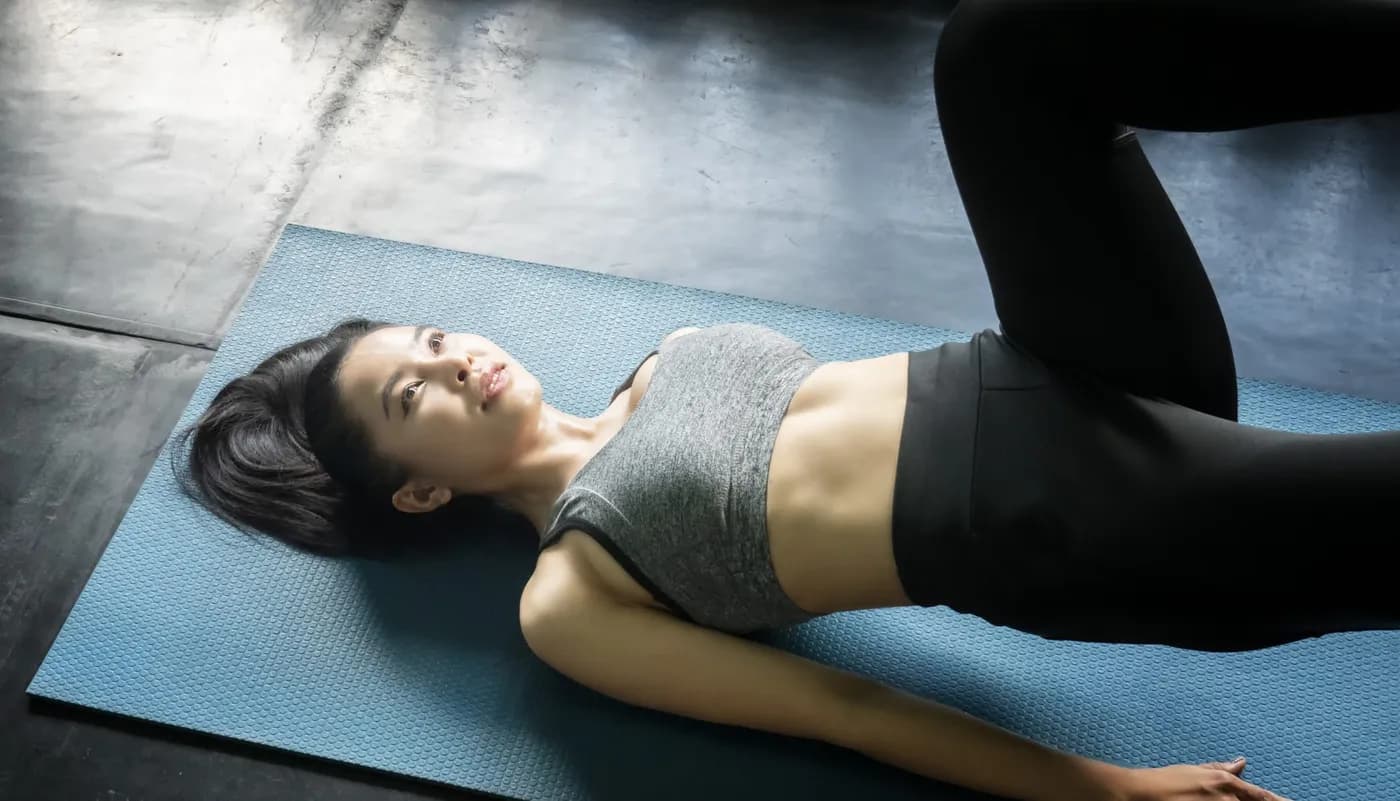
Key Takeaways
- Hip dips are a normal anatomical feature shaped by bone structure, not a flaw to fix.
- Targeted training builds muscle volume around the gluteus medius, filling out the area.
- Strengthening this zone improves hip stability for walking, climbing stairs, and bending.
- Weak hip muscles often cause pelvic tilt, contributing to posture and lower-back tension.
- The hip abductors work closely with the core, so hip training also boosts midsection stability.
- Bony structure stays fixed, but muscle growth on the lateral hip can improve visible contour.
Hip dip exercises are the inward curves just below the hip bones, shaped primarily by bone structure. While you cannot change skeletal anatomy, consistent strength training that targets the gluteus medius and outer glutes can help build muscle in the area, gradually improving the silhouette over time. This guide covers the most effective exercises, realistic timelines, and how to build a routine that holds.
If you’ve been searching for how to get rid of hip dip, the first thing to understand is that hip dips are a normal anatomical feature — not a flaw to correct. What targeted training genuinely does is build muscle volume around the lateral hip and glutes, which can fill out the area and improve visible shape through consistent practice.
This guide covers everything you need: the benefits of focused hip training, the best exercises, common mistakes, and how to build a routine that actually delivers results.
10 Benefits of Hip Dip Exercises
- Builds Muscle Around the Hip Area Targeted glute and hip exercises recruit the gluteus medius — the muscle sitting directly over the hip dip zone. Over time, consistent training adds visible volume and gradually supports a more contoured appearance in this area.
- Supports Fat Reduction Around the Hips and Thighs Strength training supports metabolic activity, meaning your body continues burning energy even after a session ends. This gradually supports the goal of reducing hip fat in females as part of a broader active lifestyle.
- Improves Lower-Body Functional Strength Every movement you make — walking, climbing stairs, bending — relies on hip stability. Strengthening this area improves daily movement quality and can reduce discomfort in the knees and lower back. Pairing hip work with exercises that build functional strength accelerates full-body results.
- Enhances Overall Leg and Thigh Definition Hip-focused work inevitably engages the inner and outer thighs. Movements aimed at reducing thigh and hip fat work synergistically — stronger thighs support better hip mechanics and a leaner silhouette over time.
- Boosts Posture and Pelvic Alignment Weak hip muscles often lead to pelvic tilt, affecting posture and contributing to lower back tension. Targeted hip work restores alignment and helps you stand and sit more comfortably throughout the day.
- Reduces the Appearance of Side Hip Indentations While the bony structure is fixed, building muscle on the lateral hip and glutes gradually fills out the side profile. This is the most realistic approach to managing side hip fat appearance and improving soft-tissue contour over time.
- Increases Core Stability The hip abductors work in close coordination with the core. Strengthening one reinforces the other, creating a more stable and supported midsection throughout daily activity.
- Supports Hormonal Balance Through Movement Regular lower-body strength training has been associated with improved hormonal regulation in women, which can support body composition when practiced consistently over time.
- Builds Confidence Through Consistent Practice Physical changes take time, but the sense of progress — feeling stronger, more capable — often arrives earlier. Many people notice their relationship with their body improving well before visible changes appear.
- Lays the Foundation for Progressive Training Starting with hip and glute fundamentals creates a strong base for progressing toward more advanced movements, building full-body strength across months of structured effort.
How to Get Started with Hip Dip Exercises
What You Need to Begin
You don’t need a gym membership or heavy equipment. A yoga mat and some floor space are enough to start. A light resistance band can add challenge once bodyweight movements feel manageable. For those who want structured guidance from day one, Habuild’s home strength training program provides daily guided sessions designed for exactly this kind of progression at home.
Setting Realistic Goals
Hip dips are influenced by bone structure, so aiming to eliminate them entirely is neither realistic nor necessary. A more useful frame: build enough muscle around the lateral hip and glutes that the area looks fuller and feels stronger. This typically takes 8–16 weeks of consistent training at 3–5 sessions per week. Avoid working the same muscles daily — allow at least 48 hours of recovery between focused glute and hip sessions.
Start with the Basics
Begin with 2–3 sets of each exercise at a comfortable range of motion. Focus on feeling the right muscles working rather than just going through the motions. The gluteus medius — the key muscle for hip shape — is easy to underactivate. Slow, controlled reps deliver more value than high reps done carelessly.
Best Hip Dip Exercises and Build Lateral Hip Strength
Side-Lying Hip Abduction
Lie on your side with legs stacked. Lift the top leg to about 45 degrees, hold for a beat, then lower slowly. This directly targets the gluteus medius — the primary muscle responsible for filling out the hip dip area. Do 3 sets of 15 reps per side. Add a resistance band above the knees to progressively increase intensity.
Sumo Squats
Stand with feet wider than shoulder-width, toes turned out at 45 degrees. Squat until thighs are parallel to the floor, then drive back up through your heels. Sumo squats engage the inner thighs and glutes simultaneously. Do 3 sets of 12–15 reps.
Lateral Band Walks
Place a resistance band just above your knees. Stand in a quarter-squat and step sideways, keeping tension in the band throughout. Walk 10–15 steps in each direction for 3 sets. This is one of the most targeted movements for the gluteus medius and consistently supports hip dip improvement over time.
Curtsy Lunges
From standing, step one leg back and across — like a curtsy — then lower your back knee toward the floor. Return to standing and repeat on the other side. This movement hits the glute medius and outer glute from a different angle than standard lunges. Do 3 sets of 10–12 per side. Those focused on building glute strength specifically will find this exercise consistently recommended by trainers.
Glute Bridges
Lie on your back with knees bent and feet flat on the floor. Drive your hips toward the ceiling, squeeze your glutes at the top, then lower slowly. Try single-leg variations or add light load to increase difficulty. Do 3 sets of 15–20 reps. This exercise also supports lower back and core stability.
Fire Hydrants
Start on all fours. Keeping your knee bent at 90 degrees, lift one leg out to the side as high as you can without rotating your torso. Lower and repeat. This targets the outer hip and glute directly. Do 3 sets of 15 reps per side. Add a resistance band once the bodyweight version becomes manageable.
Clamshells
Lie on your side with knees bent and stacked. Keeping feet together, open the top knee like a clamshell, then bring it back down. This isolates the hip abductor muscles with minimal joint load — ideal for beginners or anyone with knee sensitivity. Do 3 sets of 20 reps per side.
Common Mistakes to Avoid
- Poor Form The gluteus medius is a muscle people frequently fail to genuinely engage. Rushing through hip abductions or clamshells while letting the hip flexors take over means the right muscles are never adequately loaded. Slow down, feel the outer hip working, and reduce range of motion if needed to maintain quality throughout each set.
- Skipping Warm-Up Cold hip muscles are far less responsive to training. A 5-minute warm-up — light walking, hip circles, and dynamic leg swings — primes the glutes and hip abductors to contract effectively. Skipping this step regularly can also increase the risk of hip flexor and knee discomfort over time.
- Overtraining the Same Pattern Doing glute bridges and side leg raises every single day without variation or rest doesn’t accelerate results — it slows them down. Muscles grow during recovery, not during the session itself. Rotate exercises and ensure at least one rest day between targeted glute and hip sessions.
- Inconsistency This is the most common reason people don’t see meaningful results. Two weeks of focused effort followed by three weeks off doesn’t build the progressive stimulus muscles need to change shape. A structured program with daily accountability is often the difference between sporadic effort and real progress. Building muscle strength consistently is a long-term practice, not a short-term sprint.
Who Should Try Hip Dip Exercises?
- Beginners All seven exercises above require zero equipment in their basic form. If you’ve never trained consistently before, start with 2 sets instead of 3 and focus entirely on form before adding load. A mat and 20 minutes is genuinely enough to begin building meaningful glute and hip strength from scratch.
- Women Hip dips are more commonly noticed and discussed by women, partly because of how female fat distribution patterns differ. Targeted glute work builds lean muscle — not bulk. Women do not produce testosterone levels required to develop oversized legs from bodyweight or light resistance work. Strength training gradually sculpts and defines rather than enlarges. Habuild’s female strength training program is specifically designed around this reality.
- Older Adults Hip and glute strength are closely tied to balance, fall prevention, and independent mobility in older adults. The exercises listed above are joint-friendly and highly adaptable. If you have any existing hip, knee, or back conditions, consult your physician before beginning — and consider working with a qualified trainer to modify movements as needed.
- Working Professionals Long hours of sitting compress the hip flexors and deactivate the glutes — a combination that contributes to a weaker hip area and can make hip dips more pronounced. A 20-minute guided session three to four times per week is enough to counter the effects of a sedentary workday and gradually build visible, functional hip strength over time.
Build Strength with a Routine That Actually Works
Building visible hip and glute strength isn’t about doing more random exercises — it’s about following a structured, progressive plan with consistent daily support. Without the right guidance and accountability, even the best exercises stop delivering results after a few weeks.
Explore Habuild’s full strength training program — built for people who want real, sustainable progress from home.
What you get with Habuild’s Strong Everyday Program:
- Daily live guided strength sessions with expert trainers
- Beginner-to-advanced progression built into the program
- No-equipment, home-friendly workouts
- Expert cues to ensure correct form and muscle activation
- Community support to keep you consistent week after week
Start Your Strength Training Journey
Frequently Asked Questions
Related Articles
How to Get Rid of Gas in Stomach: 7 Quick Methods That Actually Work
Stomach gas from food, stress, swallowed air, or sluggish digestion responds to movement, breath work, and dietary tweaks that address the root cause. See

How to Get Rid of Leg Pain Immediately: Fast Relief Methods and Daily Prevention
Sciatic nerve pain, poor circulation, tight hamstrings, and referred hip or knee pain each need a different approach for fast relief. See the exact
Hip Opening Exercises: Best Poses & Stretches Guide
Discover the best hip opening exercises to release tightness, improve mobility, and ease discomfort. Try Habuild’s guided yoga — start with a 14-day free.
