
What Are Bandhas in Yoga? Types, Benefits & How to Practice
Discover what are bandhas in yoga, their types, benefits, and how to practice them safely. Start your yoga journey with Habuild for just ₹1.
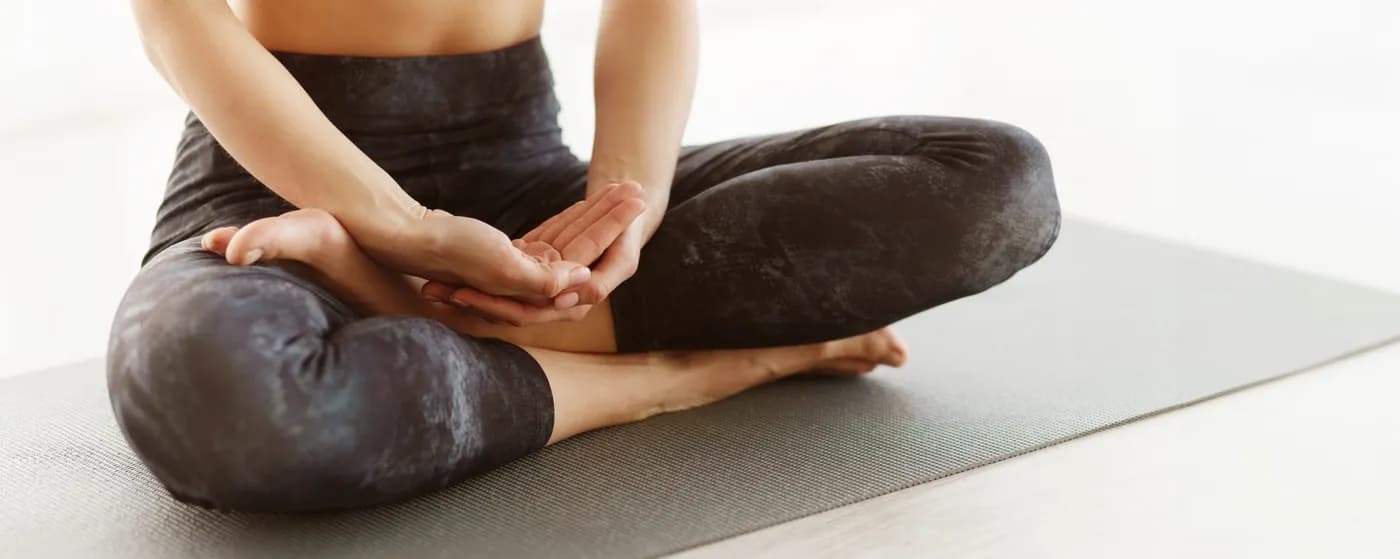
Key Takeaways
- The three primary bandhas are Mula Bandha (root), Uddiyana Bandha (abdominal), Jalandhara (chin).
- Engage deep postural muscles that most conventional exercises rarely target.
- Bandhas regulate the movement of prana through the nadis, or energy channels.
- Uddiyana Bandha gently massages the abdominal organs, potentially easing digestive discomfort.
- Best learned in the morning on an empty stomach due to deep abdominal engagement required.
- Mula Bandha and Uddiyana Bandha stimulate regions that can support endocrine function.
Bandhas are internal energy locks — specific muscular contractions practised during breathwork and postures to direct prana (life force) through the body. The three primary bandhas are Mula Bandha (root lock), Uddiyana Bandha (abdominal lock), and Jalandhara Bandha (chin lock). When applied consistently, they deepen body awareness, sharpen breath control, and support overall wellbeing.
If you’ve been practising yoga for a while, you may have heard your teacher mention bandhas — but what are bandhas in yoga, exactly? They are subtle internal techniques, used alongside asanas and pranayama, that help regulate the flow of energy through the body. When applied correctly, they deepen your practice and support both physical and mental wellbeing.
7 Key Bandha Benefits in Yoga
- Improves Core Stability and Strength Bandhas engage deep postural muscles that most conventional exercises rarely target. Consistent practice gradually builds a stable, functional core from the inside out.
- Supports Better Breath Control Each bandha works in close coordination with pranayama. By learning to hold and release these locks alongside the breath, you develop far greater control over your respiratory rhythm and lung capacity. This pairs naturally with yoga practices focused on breathing health.
- Builds Mental Focus and Awareness Activating a bandha requires precise internal attention. Over time, this inward focus trains the mind to stay present — a quality that carries over into everyday life and meditation.
- Enhances Energy Flow Through the Body In classical yoga philosophy, bandhas regulate the movement of prana through the nadis (energy channels). Practitioners often report feeling more energised and centred after a session that includes bandha work.
- May Gradually Ease Digestive Discomfort Uddiyana Bandha gently massages the abdominal organs. Regular practice may support healthier digestion when combined with a consistent yoga routine — never as a replacement for medical advice.
- Supports Hormonal Balance Mula Bandha and Uddiyana Bandha stimulate the pelvic and abdominal regions, which can support the endocrine system over time. For a broader look at this connection, explore yoga for hormonal balance.
- Deepens Overall Yoga Practice When integrated into asanas and pranayama, bandhas add a new dimension to your practice — helping poses feel lighter, transitions smoother, and stillness more accessible.
How to Get Started with Bandhas in Yoga
What You Need to Begin
You don’t need any special equipment to start working with bandhas. A yoga mat, comfortable clothing, and a quiet space are sufficient. Bandhas are best learned in the morning on an empty stomach, as they involve deep abdominal and pelvic engagement.
Setting Realistic Goals
Bandha practice is subtle and takes time to refine. Begin by spending just 5–10 minutes at the end of your regular yoga session exploring one bandha at a time. Focus on feeling the contraction clearly before adding breath retention or more complex techniques. Consistency matters far more than depth in the early stages.
Start with the Basics
Most teachers recommend starting with Mula Bandha — what is mula bandha in yoga? It is a gentle contraction of the pelvic floor muscles, often described as a subtle lift from the base of the pelvis. Once this feels natural, you can layer in Uddiyana Bandha and eventually Jalandhara Bandha. Always prioritise breath awareness over force.
Best Bandhas for Yoga Practice — Types Explained
Mula Bandha (Root Lock)
Mula Bandha involves a subtle inward and upward contraction of the perineum and pelvic floor. It is held during both inhalation and exhalation to anchor prana at the base of the spine. Inhale gently, then lift the pelvic floor as you retain the breath for a few comfortable seconds before releasing.
Uddiyana Bandha (Abdominal Lock)
Practised on an empty stomach after a full exhalation, Uddiyana Bandha involves drawing the abdomen inward and upward toward the spine and ribcage. This creates a natural hollow beneath the chest. Hold for 5–15 seconds, then inhale slowly to release. It is often incorporated into practices like Kapalbhati and advanced pranayama.
Jalandhara Bandha (Chin Lock)
In Jalandhara Bandha, the chin is lowered gently toward the chest during breath retention, elongating the back of the neck. It is most commonly applied during Kumbhaka (breath retention) in pranayama sequences and helps regulate the flow of energy through the throat region.
Maha Bandha (The Great Lock)
Maha Bandha combines all three bandhas simultaneously — Mula, Uddiyana, and Jalandhara — applied together during a full breath retention after exhalation. This is an advanced technique and should only be attempted once each individual lock feels stable and controlled. You can explore the dedicated page on Maha Mudra for related practices.
Hasta Bandha (Hand Lock)
Less commonly discussed, Hasta Bandha involves spreading and pressing the fingers and palm firmly into the floor during weight-bearing poses like Downward Dog or arm balances. This protects the wrists and creates structural integrity through the arms and shoulders.
Common Mistakes to Avoid When Practising Bandhas
- Skipping Warm-Up Attempting Uddiyana Bandha or Mula Bandha without first warming up the body and calming the breath often leads to tension rather than release. A simple five-minute pranayama warm-up creates the internal space these locks need.
- Holding the Breath Unconsciously Beginners frequently hold their breath without awareness while trying to maintain a bandha. This creates strain rather than flow. Learn to separate breath awareness from muscular engagement — the contraction should never interfere with the natural rhythm of breathing once you move past breath retention practice.
- Forcing Too Much Too Soon Gripping hard or pulling aggressively is a common error — bandhas are subtle engagements, not brute contractions. If you feel strain, discomfort, or dizziness, ease off and consult an experienced teacher. Those with high blood pressure, hernias, or recent abdominal surgeries should seek medical guidance before attempting any bandha practice.
- Inconsistent Practice Bandhas reveal their benefits gradually, through regular repetition over weeks and months. Even three minutes of focused Mula Bandha work daily will yield better results than a sporadic hour-long session once a week.
Who Should Try Bandhas in Yoga?
- Beginners Bandhas are accessible to beginners provided they start gently, begin with Mula Bandha, and don’t rush toward more advanced combinations. If you are new to yoga altogether, start with foundational yoga for beginners before adding bandha work.
- Women Mula Bandha in particular offers benefits for pelvic floor strength and awareness, which can be especially supportive for hormonal regulation and core stability when practised consistently. Bandha practice is generally avoided during menstruation and pregnancy — always consult your doctor.
- Older Adults Gentle versions of Mula Bandha and Jalandhara Bandha can be practised safely by most older adults, provided there are no unmanaged cardiovascular conditions. The focus on breath and internal awareness makes bandha work low-impact and deeply calming. Always check with your healthcare provider before starting any new practice.
- Working Professionals For people who spend long hours at a desk, Uddiyana Bandha can help counteract the compression that builds in the abdomen and lower spine through prolonged sitting. A short daily practice of abdominal locks combined with mindful breathing offers a simple, effective reset for the nervous system.
Build Flexibility with a Routine That Actually Works
Understanding bandha benefits is one thing — integrating them into a consistent daily practice is where the real change happens. Random, unsupervised practice rarely builds the body awareness that bandhas require. What works is structured guidance, daily accountability, and a community that keeps you showing up.
Habuild’s Yoga Everyday program is designed exactly for this — live sessions every day, taught by experienced teachers who guide you through asanas, pranayama, and energy practices including bandhas, at a pace that suits your level.
What You Get with Habuild’s Yoga Everyday Program:
- Daily live guided yoga sessions with real-time feedback
- Beginner to advanced progression — including breath and bandha work
- No equipment needed, fully home-friendly
- Expert guidance on alignment, breath, and internal locks
- A consistent community to help you show up every day
If you’ve been looking for the best online yoga classes that go beyond surface-level postures, this is it.
Frequently Asked Questions
Related Articles
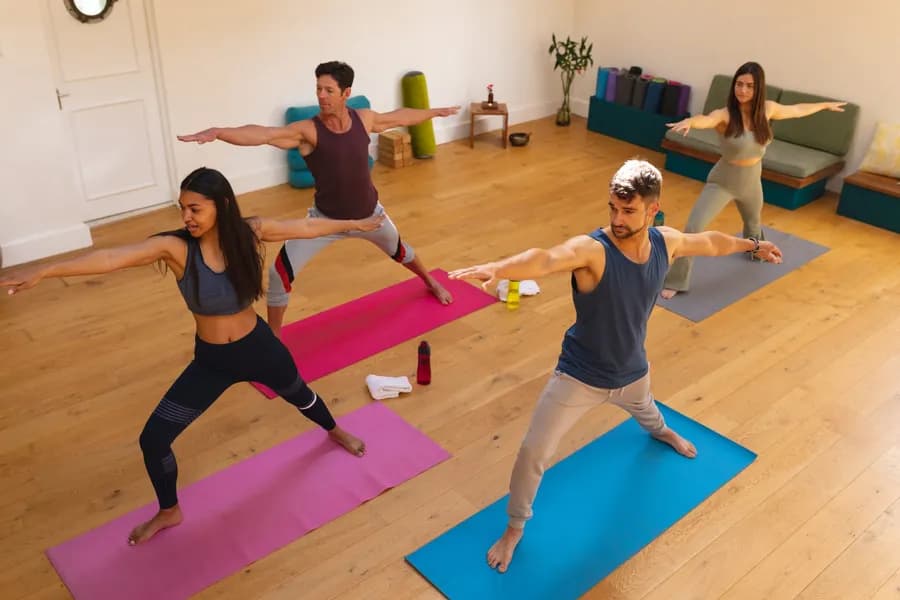
Yoga Sequence for Beginners: Poses, Tips & Daily Routine
Learn the best yoga sequence for beginners — step-by-step poses, breathing tips, common mistakes to avoid, and how to build a daily home practice.

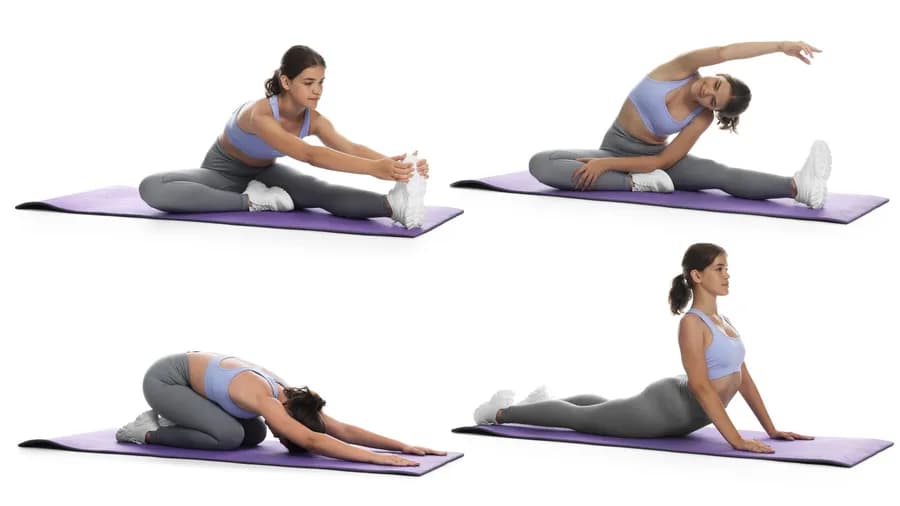
Yoga Warm Up Exercises: Best Poses & How to Start
Discover the best yoga warm up exercises to prepare your body safely. Start your practice right with Habuild’s guided daily yoga — try free for 14 days.

Yoga Stretches for Flexibility: Best Poses & Warm-Up Routine
Discover the best yoga stretches for flexibility with poses, warm-up tips, and a beginner routine. Start your 14-day free trial trial with Habuild Yoga.