
Maha Mudra (Great Seal Pose): Steps, Benefits & Precautions
Maha Mudra — the Great Seal — is one of the most significant practices in the classical Hatha yoga tradition, combining three simultaneous elements: the physica
Key Takeaways
- Combines three elements at once – a seated forward fold, two bandhas, and breath retention.
- Seals three points simultaneously – the root, the throat, and the abdomen through compression.
- Described in the Hatha Yoga Pradipika as the first of the Maha Mudras, preceding two others.
- Distinguished explicitly from Shambhavi Mahamudra, a separate Isha Foundation-specific kriya.
- Said to purify all three primary nadis – Ida, Pingala, and Sushumna – simultaneously.
- The Kumbhaka retention phase amplifies digestive stimulation through pressure differential.
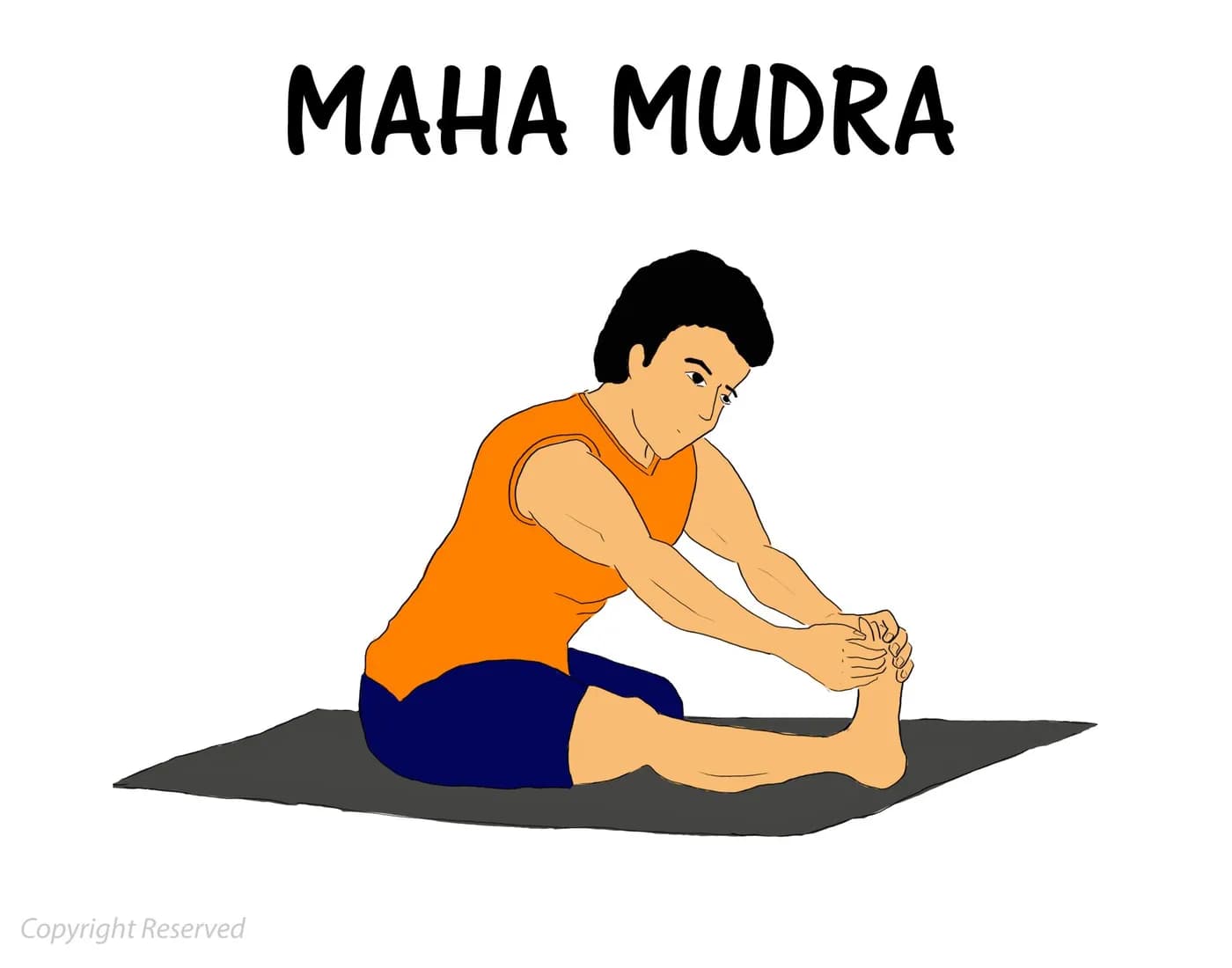
Maha Mudra — the Great Seal — is one of the most significant practices in the classical Hatha yoga tradition, combining three simultaneous elements: the physical posture of a seated forward fold with one foot at the inner thigh; Mula Bandha (root lock) and Jalandhara Bandha (chin lock) applied simultaneously; and conscious breath retention (Kumbhaka). Together these create a comprehensive internal practice that is both posture and pranayama, both seal and meditation.
What is Maha Mudra?
Maha Mudra — pronounced mah-HAH moo-DRAH — translates as Great Seal (Maha = great, Mudra = seal or gesture). The ‘seal’ refers to the simultaneous sealing of the body’s primary energy locks: Mula Bandha seals the root, Jalandhara Bandha seals the throat, and the forward fold seals the abdominal region through gentle compression. This triple seal creates the internal pressure and energy direction that the classical texts describe as awakening the dormant Kundalini and purifying the three primary nadis (Ida, Pingala, and Sushumna).
Unlike a hand mudra, Maha Mudra is a complete practice involving the full body. It is described in the Hatha Yoga Pradipika as the first and most important of the Maha Mudras — preceding Maha Bandha and Maha Vedha in the classical sequence. At Habuild, Maha Mudra is taught within the advanced pranayama and bandha curriculum — with the preparatory work of Kapalbhati and the individual bandha practices providing the foundation for the integrated Maha Mudra practice.
Note: ‘How to do Shambhavi Mahamudra’ is a related but distinct practice taught in specific traditions. Shambhavi Mahamudra is a specific kriya from the Isha Foundation tradition involving its own sequence and initiation — it is not taught within Habuild’s general curriculum, which focuses on classical Hatha Maha Mudra.
Maha Mudra Benefits
Physical Benefits
- Stimulates and Purifies the Three Primary Nadis The classical texts describe Maha Mudra as purifying the Ida (lunar), Pingala (solar), and Sushumna (central) nadis — the three primary energy channels. Whether understood energetically or physiologically (as the parasympathetic, sympathetic, and central nervous system pathways), the practice produces a comprehensive internal regulation that both
- Mula Bandha and Jalandhara Bandha individually cannot achieve.
- Supports Digestive Health and Abdominal Function The forward fold component of Maha Mudra provides abdominal compression and digestive organ stimulation — stimulating the intestinal tract and supporting the digestive motility that the
- yoga for digestion benefits of forward fold practice more broadly produce. The Kumbhaka (retention) phase amplifies this digestive stimulation through the abdominal pressure differential. Improves Hamstring Flexibility and Posterior Chain Length
- The extended-leg forward fold of Maha Mudra provides progressive hamstring lengthening — building toward the full Paschimottanasana expression in the Maha Mudra base. The combination of the seated one-leg extension and the forward fold deepens the hamstring opening of Paschimottanasana specifically for the asymmetric seated position.
- Regulates the Endocrine System Through Bandha Application Jalandhara Bandha’s cervical compression and thyroid stimulation, combined with Mula Bandha’s pelvic floor and adrenal activation, create a comprehensive endocrine regulation that classical texts associate with the reversal of the aging process. Physiologically, these bandhas produce measurable effects on the autonomic nervous system and the endocrine glands they anatomically compress.
Mental and Emotional Benefits
- Develops Pratyahara and Internal Absorption The combination of physical sealing, breath retention, and forward fold produces a natural withdrawal from external sensory engagement — the awareness turning inward as the practice deepens. This is one of yoga’s most effective practices for cultivating the pratyahara (sense withdrawal) that prepares the mind for meditation.
- Calms the Nervous System and Reduces Mental Agitation The Kumbhaka (retention) phase of Maha Mudra — breath retained with all three seals applied — produces profound parasympathetic activation and the nervous system calming that the deepest pranayama practices cultivate.
How to Do Maha Mudra — Step-by-Step
Key Principles
Maha Mudra must be entered after adequate pranayama warm-up — never attempted cold. The three elements (posture, bandhas, kumbhaka) are introduced progressively: first the posture alone, then adding Mula Bandha, then Jalandhara Bandha, then Kumbhaka. The retention is never forced — always within comfortable breath capacity. Exit the retention before engaging the exhale. Practise on an empty stomach only.
Step 1: Establish the Maha Mudra Base Posture Sit with both legs extended forward. Bend the left knee and place the left foot at the inner right thigh (as in Janu Sirsasana). The right leg remains extended. Spine tall, both sitting bones grounded.
Step 2: Apply Mula Bandha Inhale deeply and retain the breath (Antara Kumbhaka). Engage Mula Bandha — the subtle contraction of the perineum drawn inward and upward. This root lock seals the pelvic floor and activates the ascending energy.
Step 3: Apply Jalandhara Bandha While retaining the breath and Mula Bandha: draw the chin forward and down to the chest (Jalandhara Bandha). The throat region is sealed. Hold both bandhas simultaneously during the retention.
Step 4: Hold the Great Seal With both bandhas applied and breath retained: gaze at the nose tip (Nasagra drishti) or close the eyes. Hold for a comfortable count — 5 to 10 seconds initially, building gradually. The hands may hold the extended right foot or rest in chin mudra on the knees.
Step 5: Release and Exhale To release: first lift the chin to release Jalandhara Bandha, then release Mula Bandha, then exhale slowly and completely. Rest with natural breathing before the next round. Complete 3 rounds on the right leg, then repeat with the left leg extended.
Breathing in Maha Mudra
The pranayama ratio classically used: inhale through the right nostril (Surya Bhedana) or both nostrils; retain with full bandhas; exhale slowly through the left nostril or both. The retention duration builds very gradually over weeks and months of consistent practice — never strain or force the breath retention. Comfortable, sustainable retention is always preferable to extended but strained retention.
Preparatory Practices
Kapalbhati pranayama — energetic purification and abdominal activation Maha Mudra is one of the most comprehensive single practices in the Hatha yoga tradition — uniting posture, bandha, pranayama, and pratyahara in a single sustained practice whose effects are described in the classical texts as among the most transformative available. Practised as part of the Kapalbhati-to-Maha-Mudra pranayama sequence, it delivers a complete internal purification and energetic activation. Habuild’s daily sessions include the progressive bandha and pranayama curriculum with live guidance. Your first 7 days start at just 14-day free trial.
Start your 14 day free yoga journey with Habuild, today!
Maha Mudra rewards those who return to it again and again — the subtle shift in breath awareness and spinal energy it aims to unlock rarely arrives in the first few attempts. Folding it into a structured daily sequence, rather than practicing it in isolation once in a while, is what lets its calming, energizing effect actually take root. If you’d like guided sessions built around this kind of steady progression, Habuild’s Yoga Everyday program walks you through it alongside a full daily flow.
Frequently Asked Questions
Related Articles
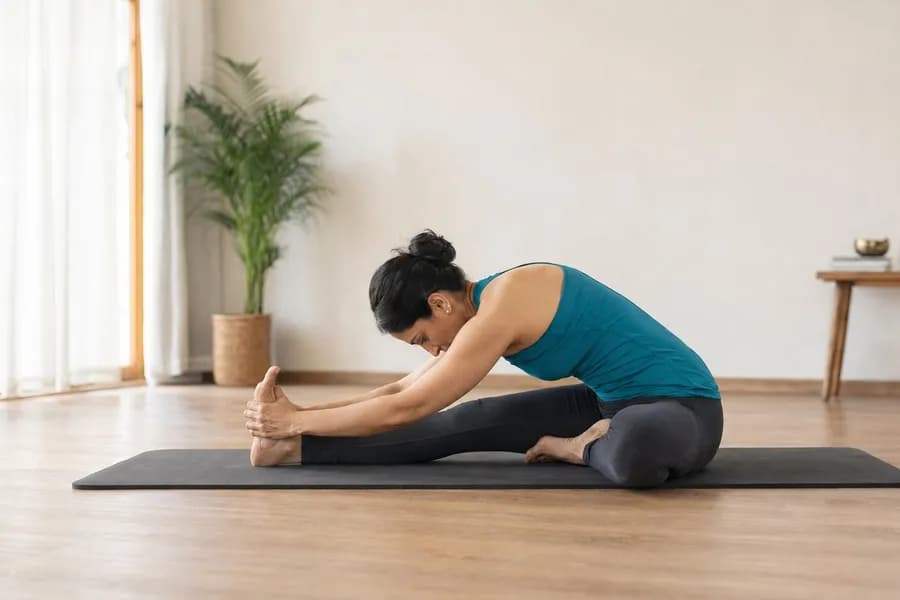
Maha Mudra Benefits: Steps, Variations & Precautions
Discover maha mudra benefits for spine, digestion, and mental clarity. Learn step-by-step instructions, variations, and

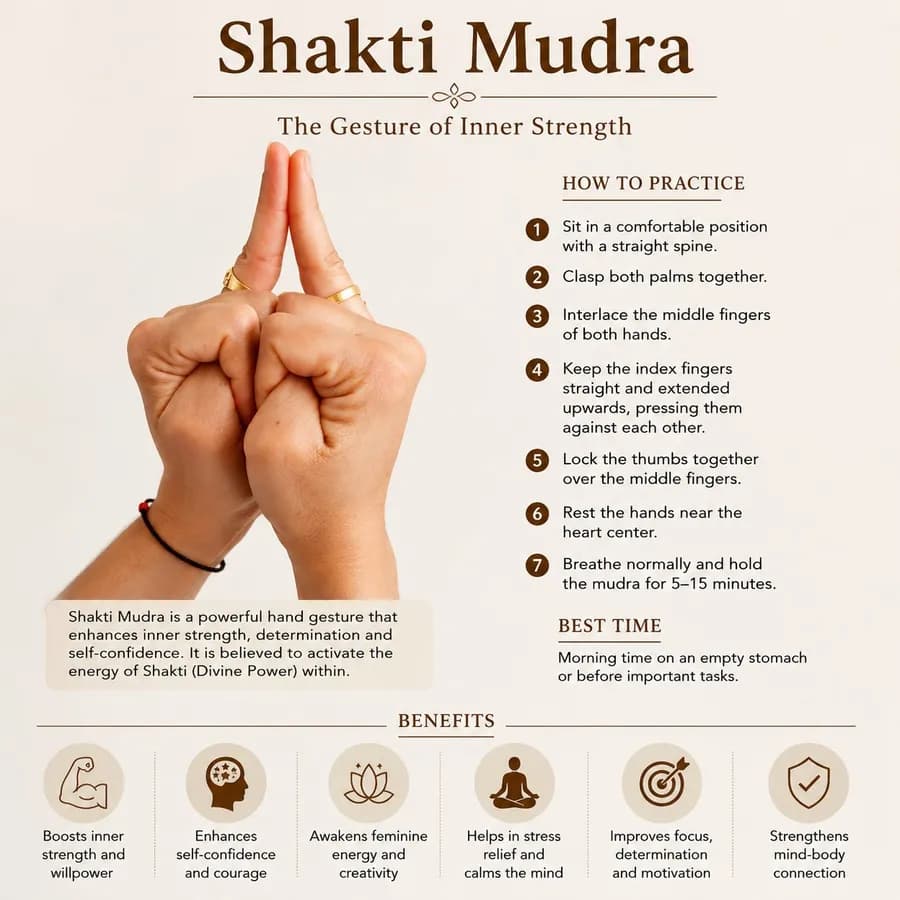
Shakti Mudra (Power Seal): Steps, Benefits & Precautions
The ring and little fingers interlace while the index and middle fingers curl inward and thumbs tuck across the palms, forming a compact, inward-drawing shape. See the steps, benefits, and precautions.
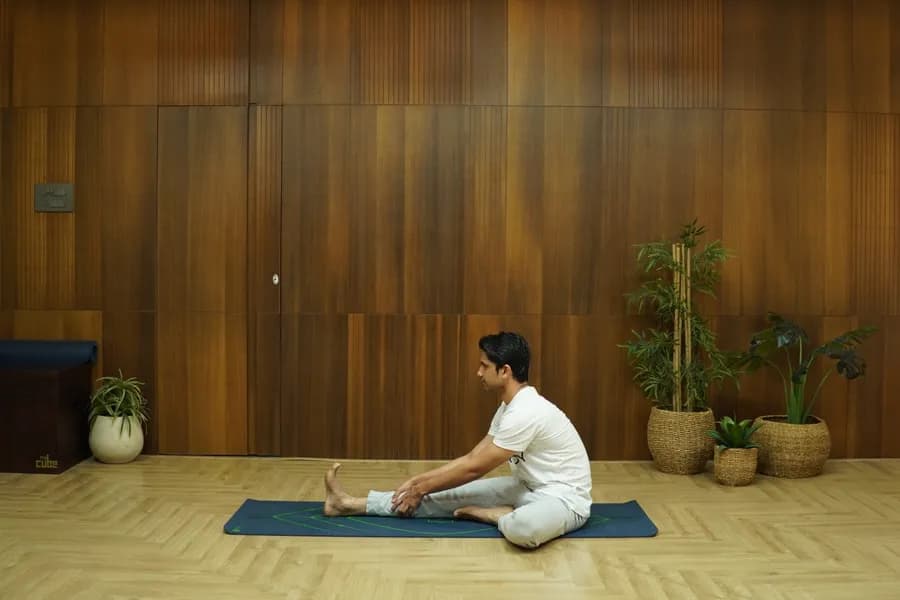
Janu Sirsasana (Head to Knee Pose): Steps and Key Benefits
Practice janu sirsasana with Habuild. Try the janu sirsasana pose to stretch your hamstrings, calm your mind, and improve flexibility. Start your session now!
