
Ardha Chakrasana (Half Wheel Pose): Steps, Benefits & Precautions
This standing backbend arches the spine gently backward while the hands support the sacrum and the feet stay grounded, building spinal strength and.
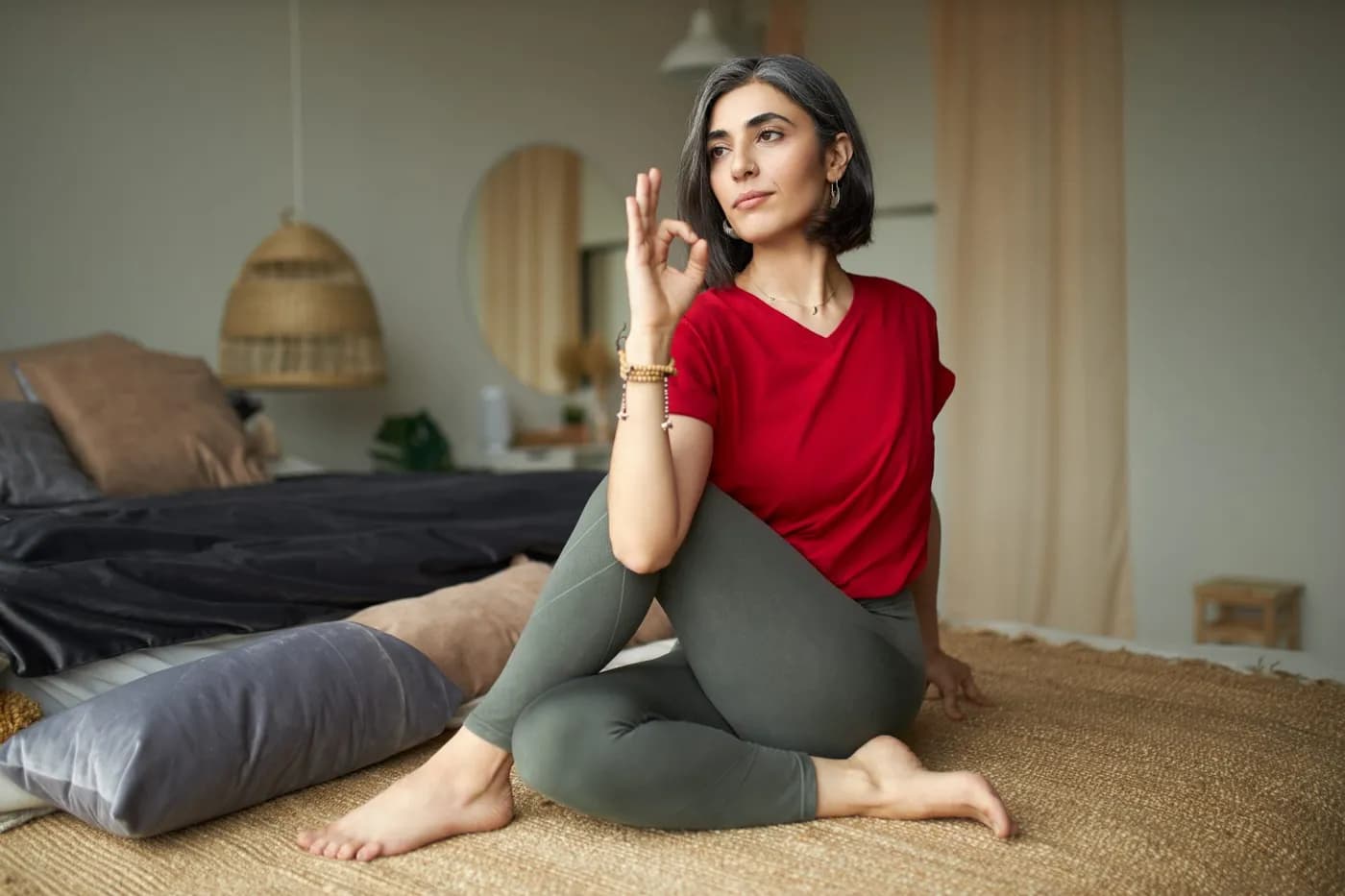
Key Takeaways
- Hands support the sacrum while feet stay grounded in this gentle standing backbend.
- Serves as a preparatory gateway toward the full Wheel Pose (Chakrasana).
- Makes backbending accessible to nearly anyone, unlike the full pose’s shoulder demands.
- Actively engages the erector spinae, building resilience in the back over time.
- The backward extension lengthens the psoas and iliopsoas shortened by hours of sitting.
- Chest expansion stretches the intercostal muscles, creating more room for full breaths.
Ardha Chakrasana, or Half Wheel Pose, is a standing backbend that arches the spine gently backward while the hands support the sacrum and the feet stay grounded. It builds spinal strength, opens the chest, and gradually eases stress through consistent daily practice — making it one of the most accessible and effective backbends in classical yoga.
What is Ardha Chakrasana?
Ardha Chakrasana comes from Sanskrit: Ardha (अर्ध) meaning “half,” Chakra (चक्र) meaning “wheel,” and Asana (आसन) meaning “posture.” Pronounced ard-hah chak-rah-sah-nah, its English name is the Half Wheel Pose. In the pose, the body resembles one half of a spinning wheel — the spine arching gracefully backward while the feet remain grounded and the hands support the sacrum or reach overhead.
Traditionally, Ardha Chakrasana is considered a preparatory gateway toward Chakrasana — the full Wheel Pose. Where the full variation demands significant shoulder and wrist strength, the half version makes the backbend genuinely accessible to almost every practitioner, regardless of age or current flexibility. It opens the chest, lengthens the frontal spine, and gently stimulates the abdominal and thyroid regions.
Within the broader yoga system, this pose belongs to the family of backward-bending asanas. Backbends are valued in classical yoga for their ability to energise the body, counteract the forward-hunching posture of modern daily life, and stimulate the autonomic nervous system. Ardha Chakrasana delivers these qualities in a form that is safe, teachable, and deeply effective when practised with consistency and correct alignment.
Ardha Chakrasana Benefits
Physical Benefits
- Strengthens the Spine and Back Muscles The controlled backward arch in Ardha Chakrasana actively engages the erector spinae and the deep muscles running along the vertebral column. With regular practice, this gradually builds resilience in the back, which may support those managing mild back stiffness or tension from prolonged sitting. Consistent practice complements medical care — it does not replace it — and pairs well with a broader yoga for back pain approach.
- Improves Flexibility in the Spine and Hip Flexors Most of us spend hours sitting — compressing the lumbar spine and chronically shortening the hip flexors. Ardha Chakrasana actively counters both: the backward extension lengthens the psoas and iliopsoas muscles while simultaneously increasing the range of motion along the entire spinal column. Over weeks of consistent practice, many people notice meaningfully improved posture and ease of movement throughout the day.
- Opens the Chest and Supports Breathing Capacity The chest expansion inherent in this pose stretches the intercostal muscles between the ribs, creating space for the lungs to fill more completely. This is particularly helpful for people with desk-bound lifestyles who tend to breathe shallowly. Consistent practice may gradually support better respiratory function over time and complements pranayama work.
- Stimulates the Thyroid and Abdominal Organs When the neck gently extends back in the final position, there is a mild stretch across the throat region that stimulates the thyroid gland. Simultaneously, the stretch across the abdomen encourages improved circulation to the digestive organs. This subtle internal activation is one of the reasons Ardha Chakrasana appears in classical sequences targeting both metabolic and digestive health.
Mental and Emotional Benefits
- Calms the Nervous System and Gradually Eases Stress Backbends have a well-documented energising and mood-lifting quality. The chest-opening movement in Ardha Chakrasana may help release accumulated tension held in the thoracic region — an area where many people physically carry stress. Practised mindfully with coordinated breath, this pose supports a gradual shift from a reactive nervous-system state toward greater ease and calm.
- Improves Focus and Builds Mental Clarity Holding a backward bend requires sustained attention — both to alignment and to the breath. This internal focus trains the mind to stay present, even when the posture feels challenging. Over time, the quality of concentrated awareness developed here tends to carry over into daily tasks, making Ardha Chakrasana as much a mental practice as a physical one.
How to Do Ardha Chakrasana — Step-by-Step Instructions
Key Principles
Before entering the pose, understand three governing principles. First, the movement is a continuous spinal extension — not a sharp lumbar crunch. Second, the feet must remain parallel, hip-width apart, and firmly grounded throughout. Third, never rush the descent: go only as far as your body allows today, and let depth develop organically over weeks of practice.
Step 1: Starting Position
Stand in Tadasana (Mountain Pose) — feet hip-width apart, toes pointing forward, weight distributed evenly across both feet. Let your arms rest naturally at your sides. Take two deep breaths here, lengthening the spine on each inhale and rooting the feet on each exhale. This grounding moment prepares the entire body for what follows.
Step 2: Placing the Hands
Bring both hands to the lower back, placing the palms firmly against the sacrum with fingers pointing downward. Press the palms inward gently — this support protects the lumbar spine and ensures the arch distributes evenly across the entire back rather than loading a single vertebral segment.
Step 3: Engaging the Core and Lengthening the Spine
On an inhale, draw the lower belly in lightly and lift through the crown of the head. Think of creating length in the spine before you bend it — you should feel tall and spacious, not compressed. Squeeze the shoulder blades gently toward each other to open the chest. This is one of the most important alignment cues in the entire procedure.
Step 4: Initiating the Backward Bend
On an exhale, begin to arch backward slowly — leading with the chest, not the head. The sternum lifts toward the ceiling first. As the arch deepens naturally, let the head follow the movement of the spine, gently allowing the neck to extend. Keep pressing both feet into the floor throughout — this anchoring prevents the lower body from shifting forward.
Step 5: Final Position and Hold
Hold the position for 3 to 5 slow, even breaths. In the final position, your chest faces upward, the throat is gently stretched, and the entire front body feels open and expansive. Keep a soft micro-bend in the knees — do not hyperextend them. Feel each inhale expand the chest a little further; feel each exhale soften any gripping in the back muscles.
Step 6: How to Come Out of Ardha Chakrasana
On an inhale, engage the abdominal muscles and use the core — not momentum — to bring the torso back to vertical. Let the head come up last. Bring your hands forward and stand quietly in Tadasana for a breath or two. Never jerk upright; the slow, controlled return is where much of the back-strengthening benefit occurs.
Breathing in Ardha Chakrasana
Inhale as you lengthen and lift the chest to enter the pose. Breathe slowly and evenly while holding. Exhale as you return to upright. This breath pattern maximises the chest-opening effect and ensures the nervous system stays calm and responsive throughout the entire practice.
Preparatory Poses Before Ardha Chakrasana
Warming up the spine, hip flexors, and chest significantly improves both safety and depth in this backbend. Work through these poses in order before attempting Ardha Chakrasana:
- Tadasana (Mountain Pose) — establishes spinal alignment and grounding awareness before any movement begins.
- Marjariasana (Cat-Cow) — warms the entire spine in both flexion and extension, preparing each vertebra for the backward arch ahead.
- Hasta Uttanasana (Raised Arms Pose) — opens the chest and stretches the intercostals so the backbend feels spacious rather than compressed.
- Bhujangasana (Cobra Pose) — activates the same spinal extensors used in Ardha Chakrasana, making the transition into the standing backbend feel natural and well-supported. Study the Bhujangasana guide to understand alignment principles that carry directly into this pose.
Variations of Ardha Chakrasana
Variation 1: Wall-Supported Half Wheel (Beginner)
Difficulty: Beginner. Stand with your back about 30–45 cm away from a wall. As you arch backward, let the hands slide down the wall surface for support rather than resting on the lower back. This variation removes the fear of falling entirely, allows greater confidence at depth, and is ideal for anyone new to backbends or working with limited spinal mobility.
Variation 2: Arms Overhead Half Wheel (Intermediate)
Difficulty: Intermediate. Instead of hands on the lower back, raise the arms above the head with palms pressing together. As you arch back, the arms follow the arc of the spine overhead. This variation deepens the shoulder and chest opening considerably and provides an excellent counter-stretch for practitioners who spend significant time in forward-bending asanas.
Variation 3: Ardha Chakrasana into Full Wheel (Advanced)
Difficulty: Advanced. Practitioners with well-developed shoulder mobility and wrist strength can use Ardha Chakrasana as a launchpad to transition into the complete backbend. From the deepest point of the standing arch, the hands reach toward the floor and the body forms a full wheel shape. This should only be attempted under live guidance after a consistent, well-established foundational practice.
Common Mistakes to Avoid in Ardha Chakrasana
- Collapsing Into the Lower Back The mistake: Bending sharply at the lumbar vertebrae instead of distributing the arch along the whole spine. The correction: Lengthen upward first, then arch. Think “lift, then bend.” Pressing the palms firmly into the sacrum helps redistribute the curve across multiple spinal segments.
- Letting the Knees Drift Forward or Outward The mistake: The knees bowing forward or separating as the upper body arches back. The correction: Maintain a soft micro-bend in the knees, feet firmly hip-width apart. Pressing both feet into the floor and subtly drawing the inner thighs toward each other stabilises the entire base of the pose.
- Leading With the Head Instead of the Chest The mistake: Dropping the head backward first, which places unnecessary strain on the cervical spine. The correction: The chest rises first, then the throat opens, then the head follows last as a natural extension of the spinal arc. If neck discomfort arises, keep the chin slightly tucked during the initial weeks of practice.
- Holding the Breath The mistake: Tensing and stopping the breath during the hold, which creates muscular gripping and limits the quality of the stretch. The correction: Consciously breathe in and out throughout the hold. Each inhale should expand the chest further; each exhale softens gripping in the back muscles.
- Rushing the Exit The mistake: Using momentum or a jerk to return to upright. The correction: Activate the core on an inhale, then return slowly to vertical, vertebra by vertebra. The controlled exit protects the lumbar region and substantially increases the strengthening effect of the entire pose.
- Standing Too Close to the Wall in the Supported Version The mistake: Placing the feet directly against the wall, which limits depth and prevents proper foot grounding. The correction: Stand 30–45 cm away from the wall so the feet remain fully flat on the floor and the spine has room to arc freely throughout the movement.
Who Should Practise Ardha Chakrasana?
- Those Managing Back Stiffness or Poor Posture People who spend long hours at a desk, in a car, or bent over a screen are ideal candidates for this pose. The extension counteracts chronic forward flexion, may gradually ease tension in the thoracic region, and supports the development of better posture over time with consistent daily practice. It complements medical care rather than replacing it.
- Those Dealing with Stress or Fatigue The chest-opening quality of Ardha Chakrasana makes it a natural choice for anyone who carries stress physically — particularly those who notice tightness in the chest or shallow, restricted breathing during the day. As part of a daily yoga routine, this pose may gradually ease how stress is held in the body and support a calmer, more spacious mental state.
- Is Ardha Chakrasana Good for Beginners? Absolutely. It is one of the most accessible backbends in the entire yoga system. There is no requirement to be flexible, strong, or previously experienced. The wall-supported variation makes it safe for complete newcomers from day one. Depth increases naturally over weeks as the spine and hip flexors adapt — no forcing required at any stage.
- Intermediate Practitioners Seeking a Daily Spinal Reset For those already comfortable with foundational poses, Ardha Chakrasana serves as an excellent daily reset posture — one that takes under two minutes, needs no props in its standard form, and delivers meaningful spinal extension. Including it at the start or end of a longer session helps maintain the mobility gains built elsewhere in the practice.
Make Ardha Chakrasana a Part of Your Life
Ardha Chakrasana is a standing half-wheel backbend rooted in classical yoga. Its benefits span spinal strengthening, improved flexibility, chest opening, and gradual stress relief — making it suitable for beginners, desk workers, and experienced practitioners who want a reliable daily reset.
If you are hesitant because of limited flexibility, a tight back, or no prior experience with backbends, there is a modification that meets you exactly where you are today. The wall-supported variation and the hands-on-lower-back entry point mean there is genuinely no prerequisite. With live instruction and real-time alignment feedback, learning this pose safely is entirely achievable from the very first session.
The most effective way to build a consistent Ardha Chakrasana practice is under live guidance — with an instructor who can see you, correct you in the moment, and keep you motivated every morning. Join a live online yoga class at Habuild and experience the difference that real-time instruction makes to your progress and confidence.
Frequently Asked Questions
Related Articles
Chakrasana (Wheel Pose): Steps Benefits and Safety Precautions
Practice Chakra Asana with Habuild. Follow the wheel pose steps to open your chest, strengthen your spine, and improve flexibility and hormonal health. Start!

Bhujangasana: Cobra Pose Steps, Benefits & Tips
Bhujangasana, or Cobra Pose, strengthens the spine and entire back musculature, opens the chest, stimulates abdominal organs, and corrects the postural damage of prolonged sitting.

Setu Bandhasana (Bridge Pose): Steps Benefits and Modifications
Try setu bandhasana with Habuild. Master the setu bandhasana bridge pose to strengthen your spine, open the chest, and reduce stress. Start your session now!