
Baddha Konasana (Butterfly Pose): Steps and Hip Flexibility Benefits
Practice baddha konasana with Habuild. Try the baddha konasana pose to open your hips, improve flexibility, and calm your busy mind. Start your session today!
Key Takeaways
- A staple of restorative, prenatal, and therapeutic yoga programmes worldwide.
- Stimulates the ovaries and uterus through sustained pelvic opening and circulation.
- Among the most widely recommended prenatal poses to prepare the body for labour and delivery.
- Also stimulates kidney and bladder function through gentle pelvic floor activation.
- Taught in both active hip-building and deeply restorative nervous-system forms.
- The grounded, symmetrical, inward-facing shape is named a profound parasympathetic activator.
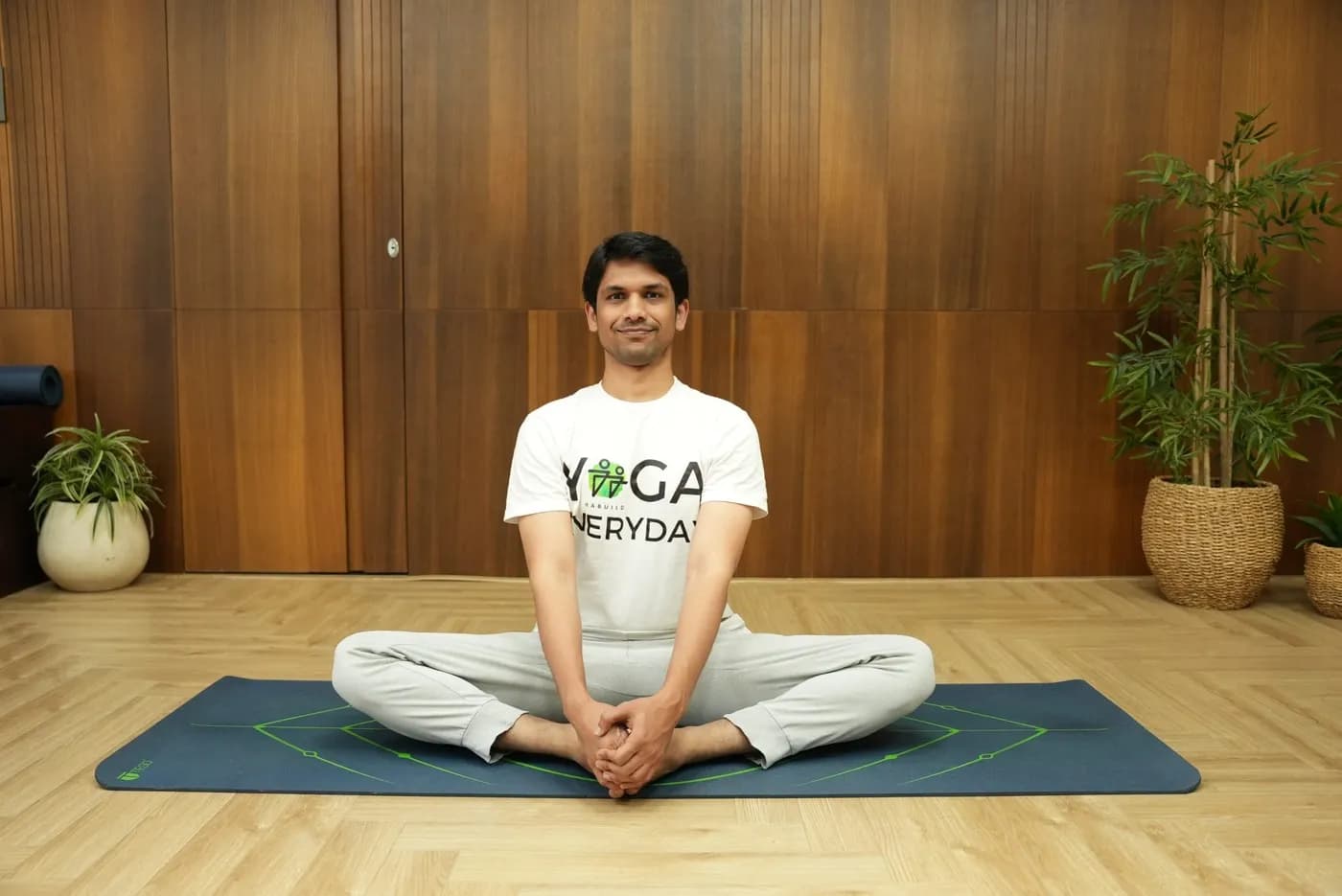
Baddha Konasana, or Butterfly Pose, opens the hips, stretches the inner thighs and groin, stimulates pelvic circulation, and supports menstrual health, hormonal balance, and reproductive health. It activates the parasympathetic nervous system through the grounded, symmetrical pelvic position. Suitable for all levels including prenatal practitioners.
What is Baddha Konasana?
Baddha Konasana — known in English as Bound Angle Pose or Butterfly Pose — takes its name from Sanskrit: Baddha meaning bound, Kona meaning angle, and asana meaning posture. In its classical form, the practitioner sits with the soles of the feet pressed together, knees falling outward to either side, and hands clasping the feet — the shape of a butterfly at rest with wings open.
Baddha Konasana is one of the most therapeutically important seated postures in the yoga canon. Its combination of deep hip external rotation, groin stretching, and pelvic floor activation makes it uniquely valuable for women’s health — particularly for menstrual health, fertility support, and hormonal regulation. It is a staple of restorative, prenatal, and therapeutic yoga programmes globally.
At Habuild, Baddha Konasana is taught in both its active and restorative forms — the active form building hip flexibility and inner thigh awareness; the restorative form providing the deep pelvic release and nervous system restoration that contemporary high-stress lives require.
Baddha Konasana Benefits
Physical Benefits
- Opens the Hips and Relieves Pelvic Tension Baddha Konasana provides one of the deepest and most sustained hip external rotation stretches in yoga. The groin, inner thighs, adductors, and hip flexors are progressively lengthened — relieving the chronic tension that desk-based work, driving, and stress accumulate in the pelvic region. This pelvic opening is the foundation of the posture’s reproductive and menstrual health benefits.
- Supports Menstrual Health and Hormonal Balance The sustained pelvic opening stimulates the ovaries, uterus, and the circulatory network of the pelvic region — making Baddha Konasana one of yoga’s most consistently recommended postures for menstrual irregularity, menstrual discomfort, and hormonal balance support.
- Prepares the Body for Childbirth and Supports Fertility Baddha Konasana is among the most widely recommended prenatal yoga postures. The hip opening, pelvic floor activation, and groin stretching directly prepare the body for the demands of labour and delivery — making it a cornerstone of prenatal yoga.
- Improves Kidney, Bladder, and Pelvic Floor Function Baddha Konasana stimulates the kidneys and bladder through gentle pelvic floor muscle activation and improved lumbar plexus circulation — making it therapeutically relevant for urinary function and pelvic floor health.
Mental and Emotional Benefits
- Activates the Parasympathetic Nervous System Profoundly The grounded, symmetrical, inward-facing position of Baddha Konasana — particularly in its restorative bolster-supported form — is one of yoga’s most powerful parasympathetic activators. The body’s ancient stress-response system recognises the open, non-defensive pelvic position as a signal of safety, triggering deep nervous system relaxation.
How to Do Baddha Konasana — Step-by-Step Instructions
Key Principles
Key Principles Three principles: grounded sitting bones — both sitting bones firmly on the mat (use a folded blanket if they lift); foot position — the closer the heels to the pelvis, the deeper the hip stretch, built gradually over sessions; and spinal length — the spine must remain tall and extended for the hip opening to be effective rather than merely stressing the knees.
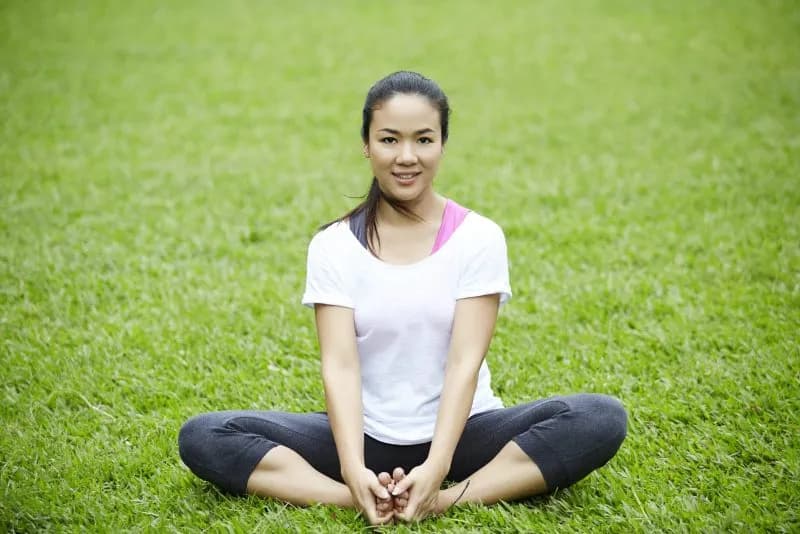
Baddha Konasana — Step by Step Step 1: Starting Seated Position Sit on the mat with legs extended. If the hips are tight, place a folded blanket under the sitting bones to tilt the pelvis forward and ease lower back strain.
Step 2: Bring the Soles Together Bend both knees and bring the soles of the feet together, drawing the heels toward the pelvis. Clasp the feet or ankles with both hands.
Step 3: Lengthen the Spine on Inhalation Inhale to lengthen the spine — growing tall from the sitting bones to the crown of the head. This spinal length is the most important quality in the posture.
Step 4: Allow the Knees to Drop On the exhale, allow the knees to drop gently toward the floor. Do not force them down with the hands — let gravity and breath do the work.
Step 5: Optional Forward Fold and Hold Optionally, on an exhale, hinge forward from the hips — keeping the spine long — to deepen the groin stretch. Hold for one to five minutes, breathing deeply into the belly and inner thighs.
Step 6: Come Out of the Posture To release: bring the hands to the outer thighs, gently guide the knees back toward each other, and extend the legs to Dandasana.
Breathing in Baddha Konasana
Deep belly breathing throughout — each inhale creating spinal length, each exhale allowing the knees to release a few millimetres lower. The forward fold variation is deepened with exhalation-breath release rather than muscular pulling.
Preparatory Poses Before Baddha Konasana
These poses warm the hip external rotators and inner thighs before Butterfly Pose.
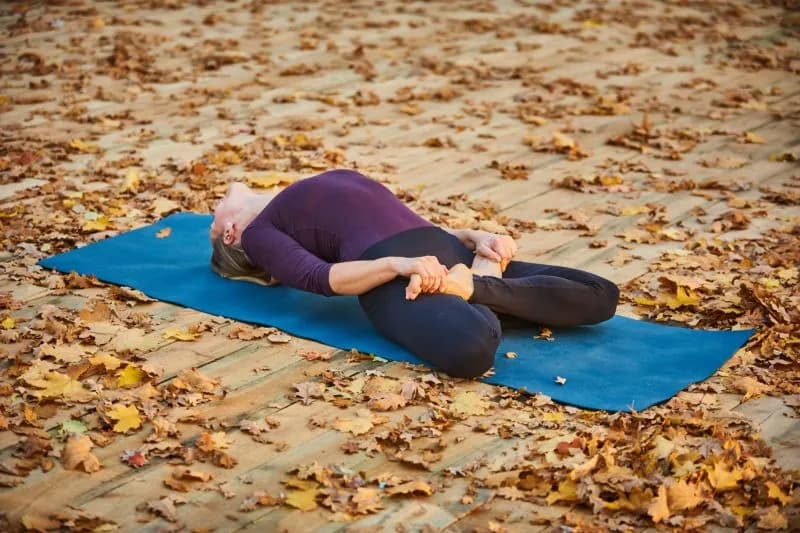
- Supta Baddha Konasana (Reclining Butterfly, 3 minutes) — The supported supine version warms the exact same hip muscles in the most accessible position.
- Janu Sirsasana (3 breaths per side) — Individual hip external rotation stretch that prepares each hip before the bilateral Baddha Konasana.
- Butterfly flap (30-60 seconds) — The dynamic knees-up-and-down variation warms the hip joints and improves synovial fluid distribution before the static hold.
Variations of Baddha Konasana
- Variation 1: Supta Baddha Konasana — Reclining (Restorative) Lying on the back with soles of feet together and knees falling to the sides — the supine restorative version. Ideal for pregnancy, menstruation, and deep nervous system restoration. A bolster under the spine lengthens the anterior body while the hip opening occurs passively.
- Variation 2: Baddha Konasana Forward Fold — Deeper Stretch From the seated position, hinge forward from the hips — maintaining a long spine — to bring the forehead toward the feet. This variation deepens the groin and inner thigh stretch significantly and requires greater hip flexibility to perform without back rounding.
- Variation 3: Dynamic Butterfly Flap — Warm-Up Variation From the basic position, gently flap the knees up and down — like butterfly wings — for thirty to sixty seconds before settling into the static hold. This warms the hip joints and distributes synovial fluid before the sustained stretch.
Common Mistakes to Avoid in Baddha Konasana
- Forcing the Knees to the Floor The most common and most injurious error — pressing the knees down with the hands or muscular force places acute strain on the medial knee ligaments. The knees should lower only as far as they naturally fall. Use blankets under the knees for support and allow consistent daily practice to bring the knees progressively lower over weeks.
- Rounding the Lower Back to Reach Further A rounded lower back in the forward fold concentrates the stretch at the lumbar ligaments rather than the hip external rotators. Always elevate the hips with a blanket and prioritise spinal length above reaching depth.
- Feet Too Far from the Pelvis With the feet far from the body, the hip external rotation stretch is minimal. Gradually draw the heels closer to the pelvis as hip flexibility increases — the therapeutic benefit scales directly with how close the heels are to the perineum.
Who Should Practise Baddha Konasana?
- Women Seeking Reproductive and Hormonal Health Benefits Baddha Konasana is one of the most important postures in women’s therapeutic yoga — its consistent practice supporting menstrual regularity, reducing period pain, improving fertility support, and contributing to hormonal balance.
- Desk Workers and Those with Chronic Hip Tightness Even three minutes of daily Baddha Konasana practice produces noticeable hip mobility improvements within a week for most practitioners — making it one of the highest-value additions to any desk worker’s daily routine.
- Is Baddha Konasana Good for Beginners? Yes — with a blanket under the sitting bones and support under the knees, Baddha Konasana is accessible from the first yoga session. The reproductive, digestive, and nervous system benefits are present even in the most supported version.
Make Baddha Konasana a Part of Your Daily Practice
Baddha Konasana is the yoga tradition’s most comprehensively therapeutic hip-opening posture for pelvic and reproductive health — its deep, sustained external rotation delivering hormonal balance support, menstrual health, pelvic floor tone, and the deep nervous system calming that the grounded pelvic position reliably produces.
Whether you are working with blankets under the knees and hips as a beginner, settling into a five-minute restorative hold, or exploring the forward fold variation, Baddha Konasana rewards every level of consistent practice with progressive and meaningful therapeutic benefit.
The most effective way to learn Baddha Konasana correctly — with spinal length priority, breath-led knee dropping, and the forward fold technique — is under live expert guidance with Habuild.
Start your 14 day free yoga journey with Habuild, today!
Related reads: Supta Baddha Konasana (Reclined Butterfly Pose): Steps, Benefits & Precautions · Supta Konasana (Reclined Angle Pose): Steps and Hip Benefits
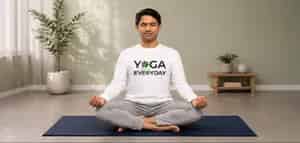
Butterfly pose asks your hips to open a little more each time, not all at once, so the flexibility gains from Baddha Konasana show up over repeated sittings rather than a single stretch. The calming effect on a busy mind works much the same way — it deepens the more familiar the pose becomes to your nervous system. Habuild’s Yoga Everyday program weaves poses like this into a structured daily flow so both the hip opening and the calm stick around.
Frequently Asked Questions
Related Articles
Malasana (Garland Pose): Steps Hip and Digestive Health Benefits
Practice malasana with Habuild. Try the malasana pose to open your hips, strengthen your ankles, and improve digestion. Perfect for beginners. Start today!
Upavista Konasana: Steps Benefits and Flexibility Guide
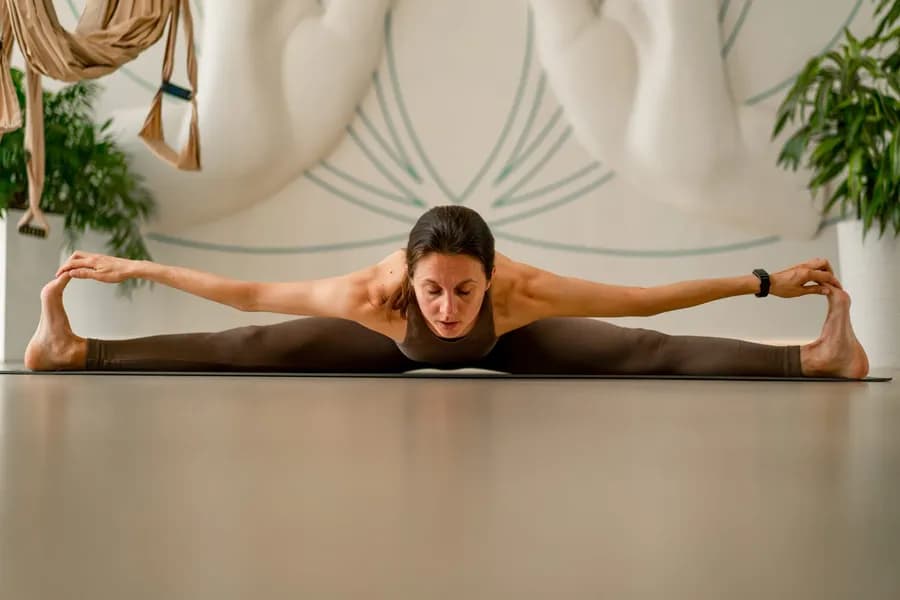
Practice Upavista Konasana with Habuild. Follow the seated wide-angle steps to open your hips, stretch your hamstrings, and build flexibility. Start today!
Bhadrasana (Gracious Pose): Steps and Hip Flexibility Benefits
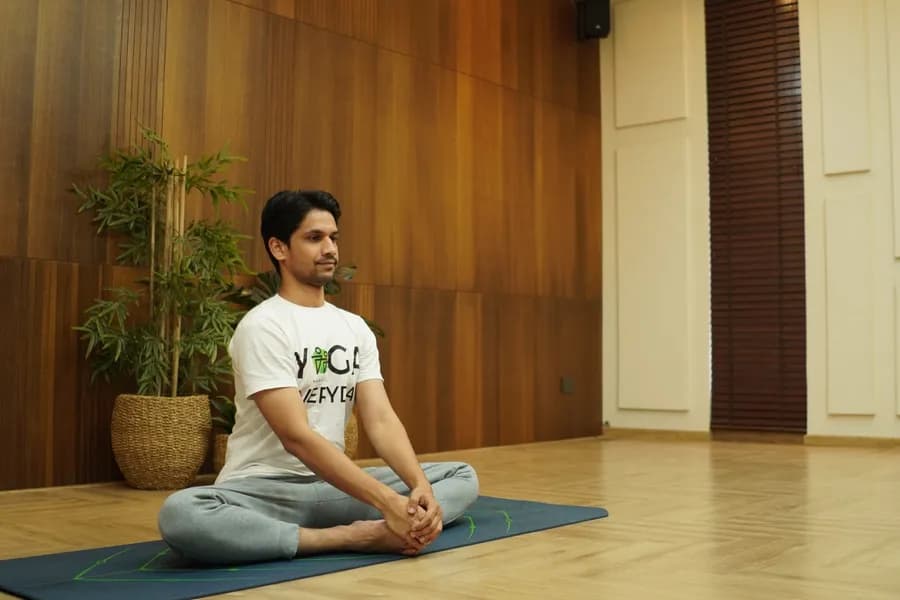
Try bhadrasana with Habuild. Practice bhadrasana yoga to open the hips, calm the nervous system, and strengthen your pelvic floor. Start your session today!
Janu Sirsasana (Head to Knee Pose): Steps and Key Benefits
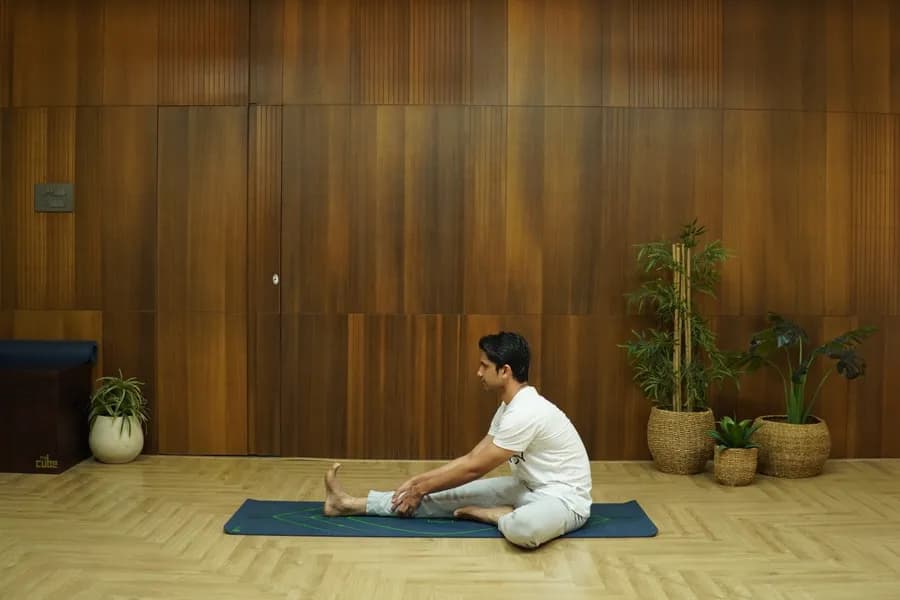
Practice janu sirsasana with Habuild. Try the janu sirsasana pose to stretch your hamstrings, calm your mind, and improve flexibility. Start your session now!
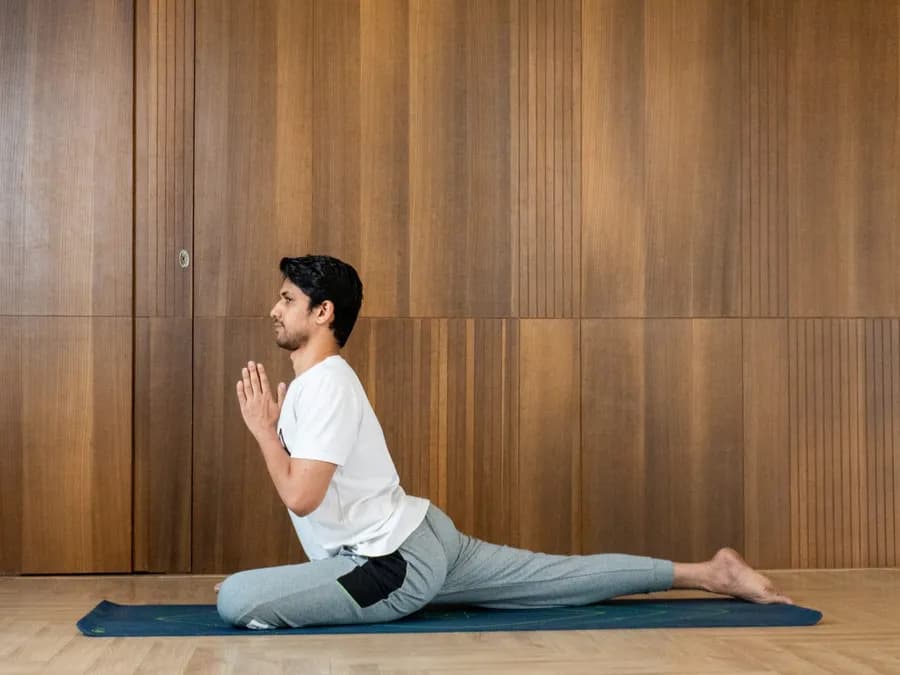
Eka Pada Rajakapotasana (Pigeon Pose): Steps and Hip Opening Benefits
Practice Eka Pada Rajakapotasana with Habuild. Follow the pigeon pose steps to open your hips, boost flexibility, and relieve lower back pain. Start today!