
Janu Sirsasana (Head to Knee Pose): Steps and Key Benefits
Practice janu sirsasana with Habuild. Try the janu sirsasana pose to stretch your hamstrings, calm your mind, and improve flexibility. Start your session now!
Key Takeaways
- Folding forward with the hip-hinge technique, not waist-rounding, is what makes it therapeutic.
- Taught in both an active form and a fully supported restorative variation.
- Bent-knee external rotation on the folded leg addresses hip asymmetries bilaterally over time.
- Compresses the small intestine, descending colon, and liver to stimulate digestive function.
- Provides gentle lumbar traction through combined hip flexion and spinal elongation together.
- The inward-focused, head-down position is named valuable for calming and sleep quality.
Janu Sirsasana, or Head-to-Knee Pose, deeply stretches the hamstrings and entire posterior chain of the extended leg, stimulates digestive organs, relieves lower back tension, and powerfully calms the nervous system. It supports digestion, sleep quality, and lower back health simultaneously. Suitable for all levels with modifications.
What is Janu Sirsasana?
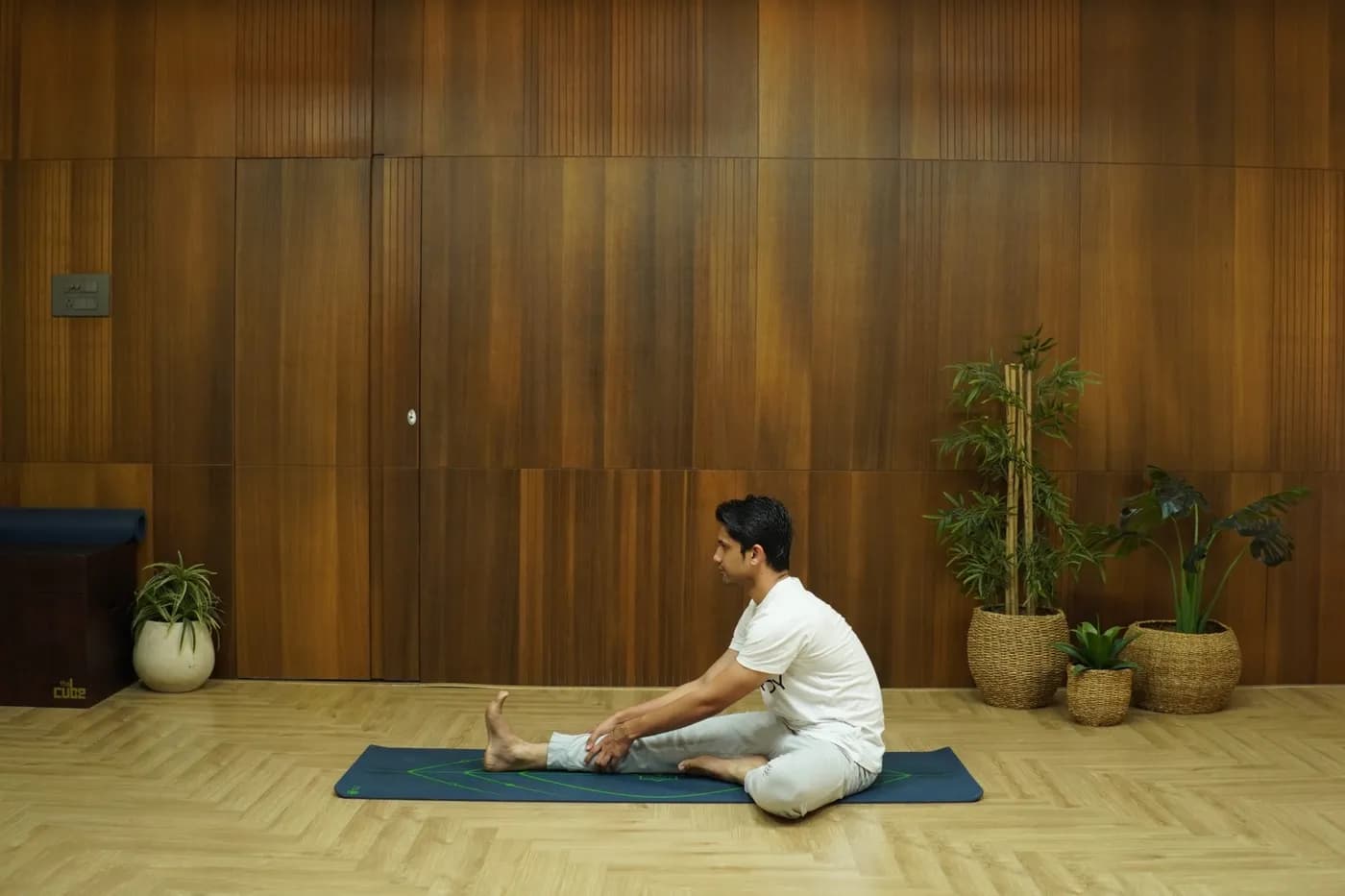
Janu Sirsasana — known in English as Head-to-Knee Pose — takes its name from Sanskrit: Janu meaning knee, Sirsa meaning head, and asana meaning posture. In its classical form, the practitioner sits with one leg extended and the other bent with the sole of the foot resting against the inner thigh, then folds forward over the extended leg — bringing the head toward or to the knee.
Janu Sirsasana is one of the most therapeutically rich postures in seated yoga. It simultaneously stretches the entire posterior chain of the extended leg, gently tractions the spine, compresses and stimulates the abdominal organs, and activates the parasympathetic nervous system — making it valuable for physical rehabilitation, digestive health, and stress reduction equally.
At Habuild, Janu Sirsasana is taught in both its active form and its restorative supported form — with simultaneous modifications for all levels and the live guidance that ensures therapeutic benefit rather than mechanical flexibility demonstration.
Janu Sirsasana Benefits
Physical Benefits
- Stretches the Hamstrings, Calves, and Entire Posterior Chain Janu Sirsasana provides one of the deepest and most effective hamstring stretches in yoga — progressively lengthening the entire posterior chain from the heel through the calf, hamstring, and into the lumbar fascia. This makes it an essential posture for anyone with habitually tight hamstrings from running, cycling, or prolonged sitting.
- Stimulates Digestion and Relieves Constipation The forward fold compresses the abdominal organs — particularly the small intestine, descending colon, and liver — stimulating digestive organ function and activating peristalsis. Practitioners regularly report constipation relief and improved digestion from consistent Janu Sirsasana practice.
- Relieves Lower Back Pain and Provides Spinal Traction Janu Sirsasana provides gentle lumbar traction through the combination of hip flexion and spinal elongation — decompressing the intervertebral discs and stretching the lumbar erectors and sacrolumbar fascia. When performed with the hip-hinge technique rather than waist-rounding, it is one of the most therapeutic postures for lower back pain.
- Gently Opens the Hip External Rotators of the Bent Leg The bent-knee position places the hip of the folded leg in gentle external rotation — progressively opening the groin and hip external rotators over time. This bilateral hip work ensures that asymmetries in hip flexibility are identified and addressed.
Mental and Emotional Benefits
- Calms the Nervous System and Improves Sleep Quality The inward-focused, head-down, grounded position is one of yoga’s most powerful parasympathetic activators. The combination of forward fold, slow breath, and posterior chain release creates a deep embodied calm — particularly effective as an evening practice for stress-related sleep disruption.
- Encourages Inward Attention and Emotional Quieting The forward fold position — head bowed, gaze inward — facilitates introspection and the release of held emotional tension. Many practitioners find that sustained holds produce a quality of emotional release and mental quieting that more dynamic practices cannot access.
How to Do Janu Sirsasana — Step-by-Step Instructions
Key Principles
Key Principles Three principles: hinge from the hip, not the waist — the fold initiates from the hip joint, keeping the spine long rather than rounding from the lumbar; keep the extended knee soft — a slight bend releases the hamstring tension that forces back rounding; and prioritise length over depth — a long spine with a shallow fold is always more therapeutic than a deep fold with a rounded back.
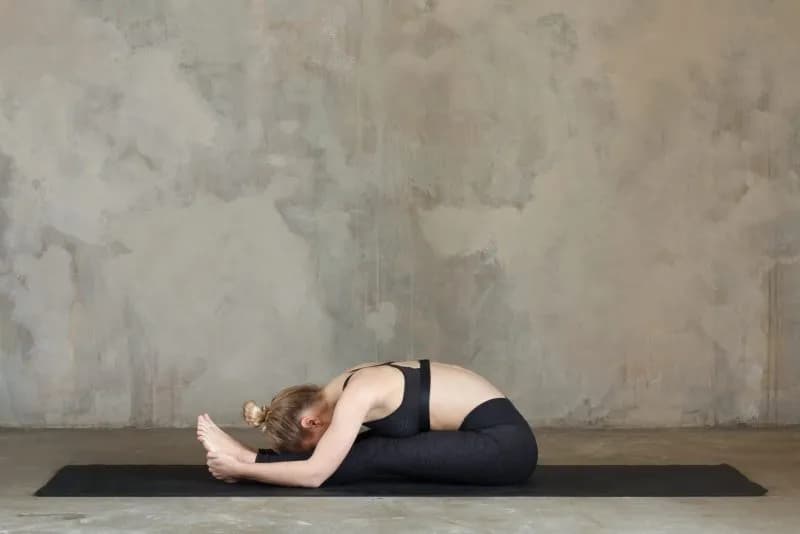
Janu Sirsasana — Step by Step Step 1: Starting in Dandasana Sit in Dandasana — both legs extended, spine tall, hands beside hips. Ensure both sitting bones are evenly grounded before beginning.
Step 2: Bend the Right Knee Bend the right knee and place the right foot against the inner left thigh. The right knee points diagonally outward and slightly downward. If the knee lifts significantly, support it with a folded blanket.
Step 3: Lengthen and Create Traction Inhale and lengthen the spine. Raise both arms overhead to create upward traction before the forward fold.
Step 4: Hinge Forward from the Hip On the exhale, hinge forward from the hip joint — keeping the spine long — over the extended left leg. Walk the hands down the left shin, ankle, or foot.
Step 5: Final Position and Hold Allow the head to relax forward — the forehead eventually resting on the shin or a blanket. Hold for five to ten breath cycles, deepening slightly with each exhale.
Step 6: Rise and Switch Sides Inhale to rise back to upright. Return to Dandasana and repeat on the right leg — bending the left knee this time. Always practise both sides equally.
Breathing in Janu Sirsasana
Breath is the mechanism of progress. Inhale to lengthen the spine and create space; exhale to release and deepen the forward fold without effort. Each exhale allows the hamstrings and lumbar muscles to relax progressively — the cumulative release from five to ten breath cycles exceeds what any forced static stretching achieves.
Preparatory Poses Before Janu Sirsasana
These poses warm the hamstrings and hips before the single-leg forward fold.
- Supta Padangusthasana (Reclining Hand-to-Toe Pose) — The safest supine hamstring warm-up before the seated forward fold.
- Baddha Konasana (3 minutes) — Opens the hip external rotators of the bent leg before the Janu Sirsasana position.
- Dandasana (Staff Pose, 60 seconds) — Activates the posterior chain and spinal uprightness of the starting position.
Variations of Janu Sirsasana
- Variation 1: Janu Sirsasana with Strap — Most Accessible A yoga strap looped around the ball of the extended foot — the practitioner holds both ends of the strap while hinging forward, maintaining spinal length without requiring the hamstring flexibility for hand-to-foot contact. The recommended form for all beginners.
- Variation 2: Extended Hold Janu Sirsasana — Therapeutic Holding the forward fold for three to five minutes per side — with the forehead resting on a blanket over the shin — allows the deep connective tissue and fascial layers of the posterior chain to release progressively at a depth that shorter holds never reach.
- Variation 3: Parivrtta Janu Sirsasana — Revolved (Advanced) A lateral variation where the torso rotates away from the extended leg and bends sideways — creating a lateral body stretch on the extended-leg side. Requires significantly more hip flexibility and lateral spinal mobility.
Common Mistakes to Avoid in Janu Sirsasana
- Rounding the Lower Back to Reach Further The most common and most consequential error. A rounded spine under sustained load stresses the lumbar ligaments and misses the hamstring lengthening the pose is designed to develop. Use a strap or bend the extended knee rather than rounding to reach.
- Forcing the Bent Knee to the Floor The bent knee should rest at its natural angle — supported by a blanket if it lifts significantly. Forcing it toward the floor creates acute inner knee strain without deepening the hip external rotation stretch.
- Pulling on the Foot with the Arms The arms are guides only — not traction devices. Pulling on the foot with the arms rounds the lower back and bypasses the hip-hinge mechanics that make the fold therapeutically effective.
Who Should Practise Janu Sirsasana?
- Those with Tight Hamstrings and Posterior Chain Restriction Janu Sirsasana is the single most effective yoga posture for progressively improving hamstring flexibility — its one-leg-at-a-time approach identifying bilateral differences and allowing targeted work on the tighter side.
- Those Seeking Digestive and Sleep Benefits Simultaneously The combination of abdominal organ stimulation, parasympathetic activation, and stress reduction makes Janu Sirsasana uniquely valuable for practitioners dealing with digestive sluggishness and sleep disruption within a single daily posture.
- Is Janu Sirsasana Good for Beginners? Yes — with the strap modification and a blanket under the hips, Janu Sirsasana is accessible from the first yoga session. The therapeutic benefits of nervous system calming and gentle spinal traction are present even in the most preliminary expression.
Make Janu Sirsasana a Part of Your Daily Practice
Janu Sirsasana is the yoga tradition’s most comprehensively therapeutic single-leg forward fold — its simultaneous hamstring stretching, spinal traction, digestive stimulation, and parasympathetic calming making it one of the highest-value additions to any daily practice, particularly in the evening.
Whether you are using the strap to maintain spinal length as a beginner, settling into a three-minute restorative hold before sleep, or deepening an established forward fold, every hold delivers its complete range of therapeutic benefits in proportion to the quality of the hip-hinge and the steadiness of the breath.
The most effective way to learn Janu Sirsasana correctly — with hip-hinge technique, strap instruction, and breath-led deepening — is under live expert guidance with Habuild.
Start your 14 day free yoga journey with Habuild, today!
Related reads: Parivrtta Janu Sirsasana (Revolved Head-to-Knee Pose): Steps, Benefits & Precautions · Janu Sirsasana Steps, Benefits & Precautions | Habuild
Hamstrings loosen gradually, and Janu Sirsasana is one of those poses where the calm, forward-folding stillness matters as much as the stretch itself. Practised only occasionally, it stays a nice stretch; practised regularly as part of a broader flow, it becomes a genuine flexibility and mind-calming tool. If you want that regularity without planning the sequence yourself, Habuild’s Yoga Everyday program includes forward folds like this in its daily guided sessions.
Frequently Asked Questions
Related Articles
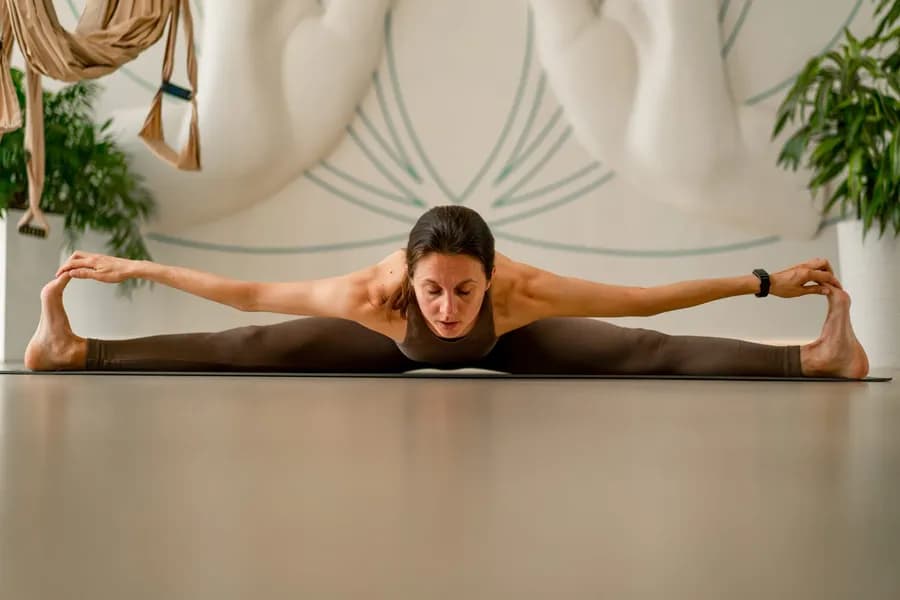
Upavista Konasana: Steps Benefits and Flexibility Guide
Practice Upavista Konasana with Habuild. Follow the seated wide-angle steps to open your hips, stretch your hamstrings, and build flexibility. Start today!
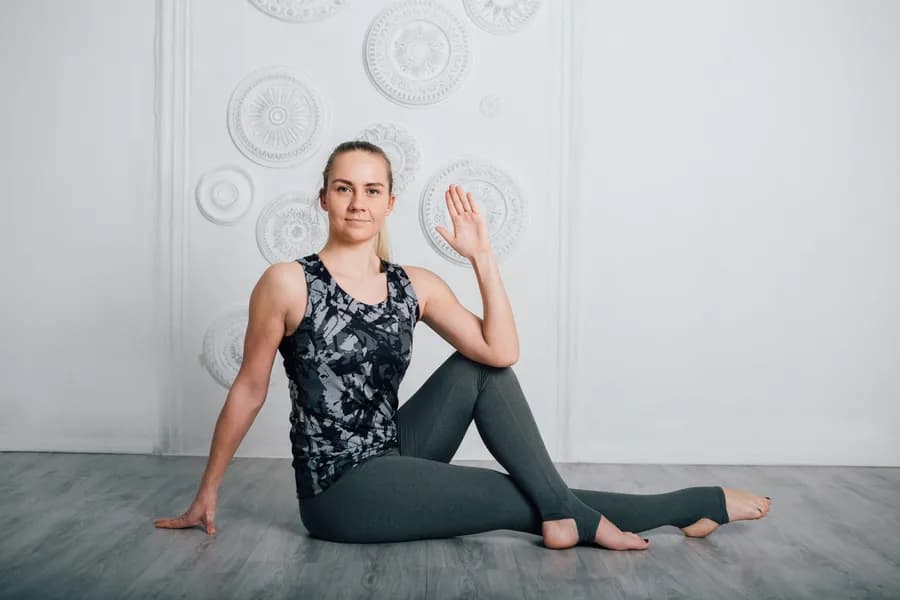
Matsyendrasana (Full Spinal Twist): Steps Benefits and Safety
Practice matsyendrasana with Habuild. Follow the ardha matsyendrasana procedure to boost spinal health, digestion, and flexibility. Start your session today!
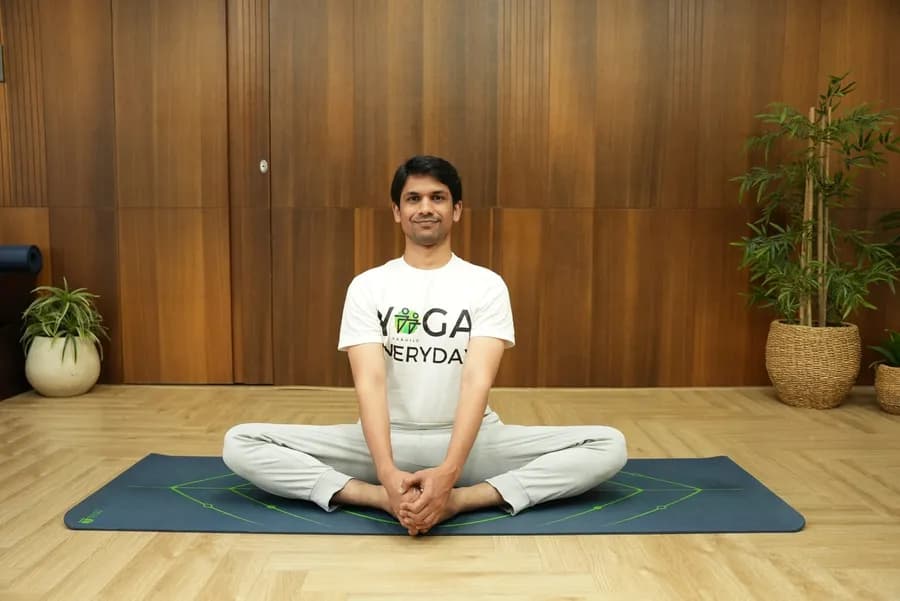
Baddha Konasana (Butterfly Pose): Steps and Hip Flexibility Benefits
Practice baddha konasana with Habuild. Try the baddha konasana pose to open your hips, improve flexibility, and calm your busy mind. Start your session today!
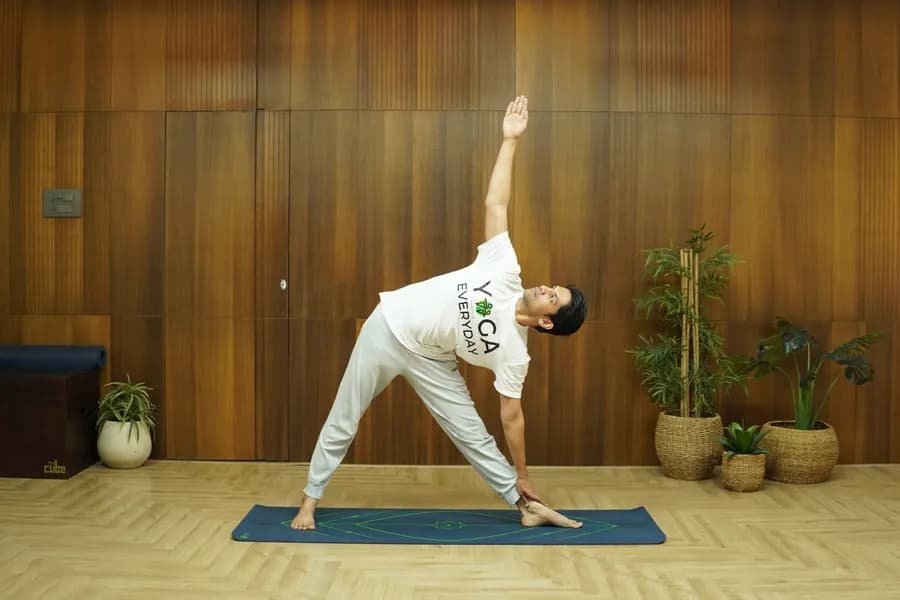
Konasana (Angle Pose): Steps Benefits and Spine Health
Practice konasana with Habuild. Follow the steps of trikonasana to strengthen your legs, improve flexibility, and boost your lateral body stretch. Start today!
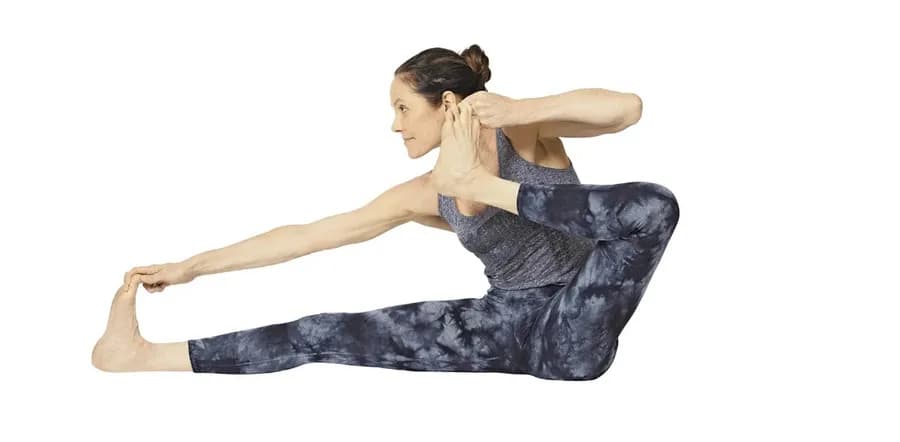
Akarna Dhanurasana (Archer Pose): Steps and Flexibility Benefits
Practice Akarna Dhanurasana with Habuild. Follow the steps to improve hamstring flexibility, build pulling strength, and sharpen your posture. Start today!