
Best Mudra for Meditation: Top 5 Hand Gestures for Deep Inner Focus
Gyan Mudra, Dhyana Mudra, Anjali Mudra, Hakini Mudra, and Bhairavi Mudra each cultivate a different quality — focused awareness, devotional surrender, or
Key Takeaways
- The five most-recommended gestures are Gyan, Dhyana, Anjali, Hakini, and Bhairavi Mudra.
- Most lineages favour low-effort gestures held easily for 20+ minutes over elaborate ones.
- Patanjali’s Yoga Sutras name dharana, dhyana, and samadhi as the three inner limbs of yoga.
- The receptive, palms-up positions of Dhyana and Bhairavi link to deeper parasympathetic drops.
- Beginners typically start with the structured Dhyana Mudra before exploring the others.
- The right gesture depends on what’s cultivated – wisdom, devotion, energy balance, or receptivity.
What is a Mudra for Meditation?
A mudra is a yogic hand gesture that “seals” specific currents of vital energy (prana) inside the body during meditation. While the seated posture and the breath provide the foundation of any sitting, the mudra adds a third layer — a symbolic and energetic seal that locks the practitioner’s attention into a specific quality: wisdom (gyan), focus (hakini), devotion (anjali), receptivity (bhairavi) or pure stillness (dhyana).
In Patanjali’s Yoga Sutras, the three internal limbs of yoga are dharana (concentration), dhyana (meditation) and samadhi (absorption). A meditation hand gesture supports the journey from dharana into dhyana by giving the practitioner a stable, repeatable physical anchor. Most lineages teach that the best hand mudra for meditation is the one you can hold consistently for 20+ minutes without strain — which is why simple, low-effort gestures like gyan and dhyana are favoured for daily sittings, while more elaborate gestures are reserved for shorter, specific practices. Beginners often start with the structureddhyana mudra and progress to the others as their meditation depth grows.
Best Mudra for Meditation Benefits
The benefits of meditation mudras compound across weeks of daily practice — they do not deliver overnight transformation.
Physical Benefits
1. Stabilises the Body for Long Sittings A consistent hand position teaches the shoulders, elbows and wrists to settle into the same place each day. This becomes the body’s “meditation muscle memory,” reducing fidgeting and physical distraction.
2. Encourages Diaphragmatic Breathing Most meditation mudras place the hands at the knees or in the lap, which naturally opens the chest and lets the breath drop into the diaphragm — the foundation for any deeper pranayama.
3. Supports Parasympathetic Activation The receptive, palms-up positions used in dhyana and bhairavi mudras are associated with deeper drops into rest-and-digest physiology — measurable as lower heart rate and slower breath within minutes of starting the gesture.
4. Reduces Hand and Wrist Restlessness For people who fidget during meditation, holding a deliberate hand position channels the restlessness into a stable form rather than letting it run loose.
Mental and Spiritual Benefits
5. Anchors the Mind to a Defined Quality Gyan mudra invites wisdom; anjali invites devotion; hakini invites focus. The mind has a place to settle into.
6. Supports the Movement from Dharana to Dhyana The repeated daily use of the same gesture creates a strong association in the mind — over weeks, simply forming the gesture begins to invite the meditative state.
7. Cultivates the Witness Consciousness Especially with bhairavi mudra and dhyana mudra, the gesture symbolises the act of receiving — receiving thoughts, sensations, the play of consciousness — without grasping. Pairing the practice with broader yoga for stress management compounds the witness-cultivating effect.
How to Do the Best Mudras for Meditation — Step-by-Step
Mudra 1: Gyan Mudra (Wisdom Mudra) — Most Universal
Steps: Touch the tip of the index finger to the tip of the thumb on each hand. The remaining three fingers stay extended. Hands rest on the knees, palms facing upward (for energising sittings) or downward (for grounding sittings). Hold: 20–45 minutes during meditation. Effect: Cultivates wisdom, knowledge, mental clarity. The classical “default” meditation gesture. Best for: Daily meditation, study, contemplation. Beginners.
Mudra 2: Dhyana Mudra (Meditation Mudra) — for Deep Sittings
Steps: Rest the right hand on top of the left hand, palms facing upward, in the lap. The thumb tips touch lightly, forming a soft circle. Hold: 30–60 minutes during long meditation sittings. Effect: Cultivates pure stillness, samadhi-like receptivity. The Buddha’s gesture. Best for: Long meditation retreats, vipassana practice, advanced sittings.
Mudra 3: Anjali Mudra (Salutation/Prayer Mudra) — for Devotional Practice
Steps: Bring both palms together at the heart-centre or third-eye centre, fingers pointing upward. Hold: 5–15 minutes (typically used at the start or end of a session, not the entire sitting). Effect: Cultivates devotion, gratitude, surrender. Best for: Mantra meditation, devotional sittings, opening or closing rituals.
Mudra 4: Hakini Mudra (Concentration Mudra) — for Mental Focus
Steps: Touch the corresponding fingertips of both hands together (right thumb to left thumb, right index to left index, and so on). Eyes look upward gently toward the third-eye point. The dedicatedbenefits of hakini mudra page covers the cognitive science behind this gesture. Hold: 10–20 minutes. Effect: Sharpens concentration, supports memory and decision-making. Best for: Pre-study meditation, focus-building practice.
Mudra 5: Bhairavi Mudra — for Tantric and Kundalini Sittings
Steps: Rest the right hand on top of the left hand in the lap, both palms facing upward. (Bhairava mudra reverses this — left over right.) Hold: 20–45 minutes. Effect: Symbolises Shiva-Shakti union; cultivates witness consciousness. Best for: Tantric sadhana, kundalini practice, advanced meditation.
Breathing in Meditation Mudras
Pair with slow nasal breath (4-in, 6-out) for daily sittings. Pair with bhramari pranayama before the sitting for added calm. Avoid kapalbhati or bhastrika during the seated mudra — those are pre-practice activations.
Preparatory Practices Before Meditation Mudras
- Hip openers (5 minutes) — make the long sitting comfortable.
- 3 rounds of anulom vilom — balances the nostril airflow and prepares the nervous system.
- 5 rounds of bhramari pranayama — quiets the mind for inward sitting.
- Brief body scan (2 minutes) — releases physical tension before stilling the hands.
Variations and How to Choose between Them
Variation 1: for Mental Clarity and Daily Practice
Choose Gyan Mudra. It is the most-recommended daily meditation gesture and works well for sittings of any length. The classical “default” choice.
Variation 2: for Long Retreat Sittings (45+ Minutes)
Choose Dhyana Mudra. The lap-rested hands reduce shoulder fatigue and support the deep, sustained stillness that long sittings require.
Variation 3: for Concentration and Study Practice
Choose Hakini Mudra. Particularly effective before exams, important meetings or focused work sessions.
Variation 4: for Devotional or Mantra-Based Meditation
Choose Anjali Mudra at the start and close, with gyan mudra during the sitting itself.
Variation 5: for Tantric or Kundalini Sadhana
Choose Bhairavi Mudra, ideally under a qualified teacher in a specific lineage.
Common Mistakes to Avoid in Meditation Mudras
- Switching mudras every day — the depth comes from consistency. Choose one for 30 days; then evaluate.
- Holding the gesture so tightly the hand cramps — meditation mudras are light. Soft fingers, easy contact.
- Hunching the shoulders forward — closes the chest and undoes the gesture’s nervous-system effect.
- Sitting for 60 minutes on day one — build duration gradually. Begin with 10 minutes, add 5 minutes per week.
- Approaching the gesture as just a hand position — the symbolic dimension matters. Hold the meaning along with the form.
- Using too elaborate a gesture for a long sitting — hakini and anjali mudras are tiring after 20 minutes. Save them for shorter, specific practices.
Who Should Practise the Best Mudra for Meditation?
- Beginners Building a Daily Meditation Habit Start with gyan mudra. It is the most forgiving and works for any sitting length. Pair the practice with structuredonline meditation classes for guided practice.
- Practitioners Going Deeper into Long Sittings Progress to dhyana mudra for sittings of 30+ minutes; the lap-rested hand position is sustainable for hours.
- Students, Professionals and Anyone Working on Focus Hakini mudra, even for 10 minutes before an important task, demonstrably improves focus.
- Devotional Practitioners and Mantra Meditators Anjali mudra at the start and close of the sitting honours the devotional dimension.
- Practitioners of Tantric and Kundalini Yoga Bhairavi mudra is foundational; learn it from a qualified teacher in your lineage.
- Is the Best Mudra for Meditation Good for Beginners? Yes. Gyan mudra is the universal beginner’s choice; the others can be added as practice deepens.
Whichever of these five gestures you’re drawn to, the depth they’re meant to add to meditation — focused awareness, energetic balance, quiet receptivity — tends to arrive gradually, through the accumulated effect of daily sittings rather than a single well-chosen mudra tried once. Pick one, commit to it for a few weeks, and notice what shifts. Habuild’s Yoga Everyday program offers guided daily meditation sessions to help that consistency take hold.
Frequently Asked Questions
Related Articles
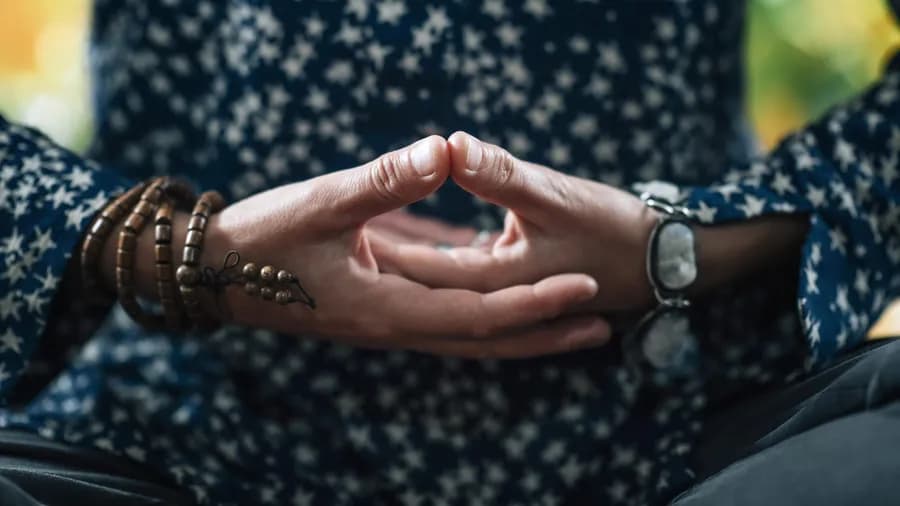
Dhyana Mudra: How to Practice and Its Benefits for Meditation
Practice Dhyana Mudra with Habuild. Follow the meditation hand gesture steps to calm the mind, deepen concentration, and support your daily practice. Start!

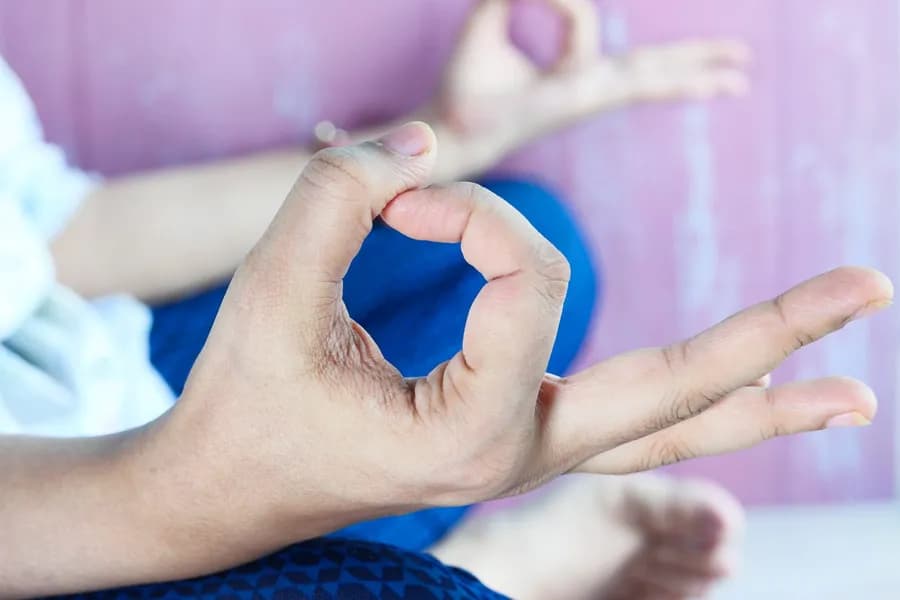
Gyan Mudra: How to Do It and Its Benefits for Focus and Memory
Practice Gyan Mudra with Habuild. Follow the wisdom hand gesture steps to improve focus, reduce anxiety, and enhance your meditation practice. Start today!
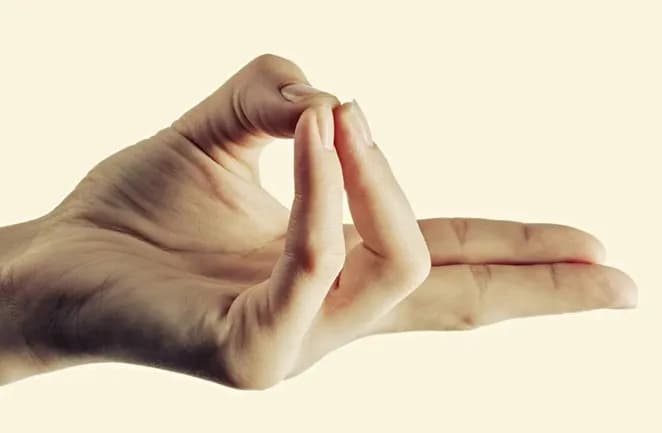
Prana Mudra: How to Practice and Its Life Energy Benefits
Practice Prana Mudra with Habuild. Follow the life force hand gesture steps to boost energy, strengthen immunity, and improve your eye health. Start today!