
Chandrabhedan Pranayam: How to Practice and Its Cooling Benefits
Practice Chandrabhedan Pranayam with Habuild. Follow the left nostril breathing steps to calm your mind, cool your body, and improve sleep quality. Start today!
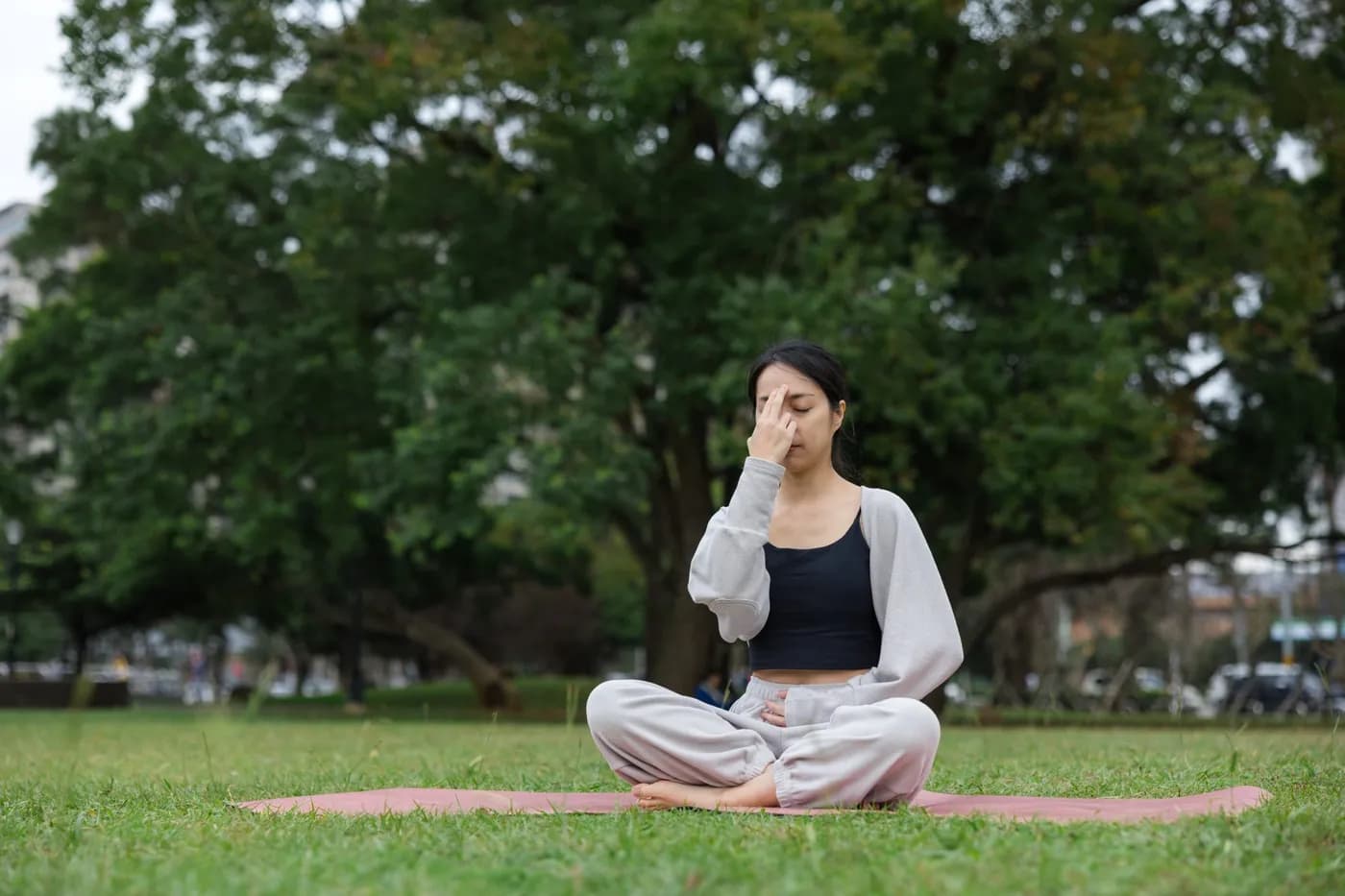
Key Takeaways
- Chandrabhedan means ‘moon-piercing breath,’ inhaling only through the left nostril.
- Activates Ida Nadi, the lunar channel governing cooling and restorative functions.
- Practised for 5-10 rounds before bed as one of yoga’s most effective insomnia interventions.
- Specifically recommended during summer and after spicy meals to cool acidity.
- A felt sense of calm is described as arising within just 3-5 rounds of practice.
- Named the evening counterpart to Suryabhedan within a complete daily pranayama system.
Chandrabhedan Pranayam, or Left Nostril Breathing, activates the lunar energy channel (Ida Nadi) by inhaling exclusively through the left nostril to cool the body, reduce blood pressure, calm the nervous system, and prepare the mind for rest and sleep. The evening counterpart to Suryabhedan. Suitable for all levels progressively.
What is Chandrabhedan Pranayam?
Chandrabhedan Pranayam — also known as Chandra Bhedana Pranayama — derives from Sanskrit: Chandra (moon), Bhedana (piercing or passing through), and Pranayama (breath control). The name translates as ‘moon-piercing breath’ — referring to the activation of the Ida Nadi (lunar energy channel) through exclusive inhalation through the left nostril.
In yogic physiology, the left nostril corresponds to the Ida Nadi — the lunar energy channel governing the body’s calming, cooling, and restorative functions. Breathing through the left nostril activates this lunar channel, reducing internal body heat, lowering the heart rate, calming the nervous system, and preparing the mind and body for rest and sleep.
At Habuild, Chandrabhedan Pranayam is taught as the complementary evening counterpart to Suryabhedan — forming, together with Nadi Shodhana, a complete pranayama system for managing energy, temperature, and nervous system tone throughout the day.
Benefits
Physical Benefits
- Activates the Parasympathetic Nervous System and Supports Sleep Chandrabhedan activates the Ida Nadi — reducing heart rate, lowering blood pressure, and producing the deep nervous system calm that is the physiological prerequisite for sleep. Practised for 5–10 rounds before bed, it is among yoga’s most effective interventions for insomnia and sleep onset difficulties.
- Reduces Blood Pressure and Supports Cardiovascular Health The parasympathetic activation of Chandrabhedan activates the baroreceptor reflex and reduces sympathetic cardiovascular tone — producing measurable blood pressure reductions over consistent practice.
- Reduces Internal Body Heat and Relieves Acidity The cooling quality reduces internal body heat that generates acidity, gastric reflux, and the inflammatory symptoms associated with excess Pitta. Specifically recommended during summer and after spicy meals.
- Supports Calming Hormonal Regulation The cortisol reduction and parasympathetic activation support the restorative hormonal processes — growth hormone, melatonin, oxytocin — that occur during rest.
Mental Benefits
- Reduces Anxiety and Produces Deep Mental Calm Within 3–5 rounds, the left nostril’s activation of the parasympathetic nervous system produces a felt sense of calm, coolness, and mental quieting that practitioners describe as both immediate and profound.
- Prepares the Mind for Meditation and Sleep The mental stillness produced by Chandrabhedan creates the ideal internal conditions for both deep meditation and sleep onset — making it a cornerstone of any evening practice.
How to Do Chandrabhedan Pranayam — Step-by-Step Instructions
Key Principles
Key Principles Two principles: always inhale through the left nostril and exhale through the right — never the reverse (which would be Suryabhedan); and the breath quality should be cool, slow, and deliberate — receiving and calming, the opposite of Suryabhedan’s vigour.
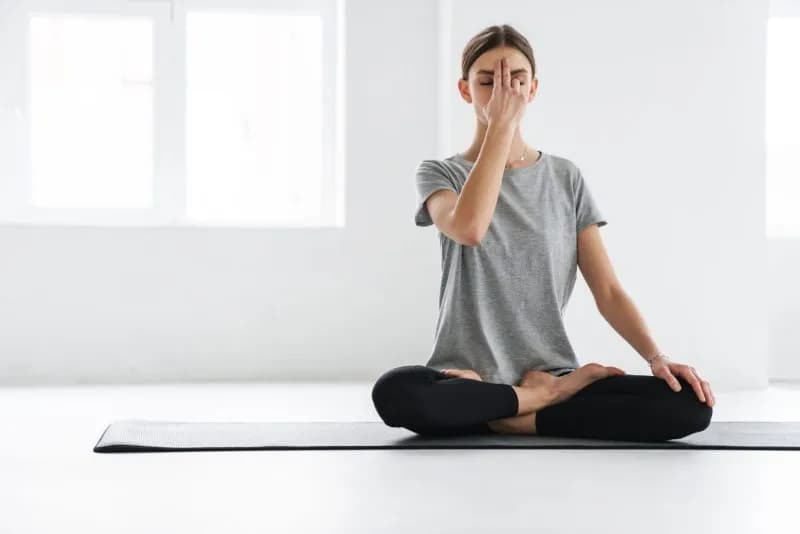
Chandrabhedan Pranayam — Step by Step Step 1: Comfortable Evening Seated Position Sit in Sukhasana or Vajrasana — spine tall, eyes closed. Bring the right hand to Vishnu Mudra — index and middle fingers folded toward the palm.
Step 2: Close Right Nostril and Inhale Left Close the right nostril with the right thumb. Inhale slowly and fully through the left nostril for 4–8 counts — imagine drawing cool moonlight into the body.
Step 3: Optional Gentle Retention Close both nostrils. Retain gently for 4–8 counts if comfortable. Beginners omit retention initially.
Step 4: Exhale Through Right Nostril Release the thumb. Exhale completely through the right nostril for 8–16 counts — releasing the day’s accumulated heat and tension.
Step 5: Complete One Round This completes one round. The classical ratio is 1:4:2. Beginners practise 4:0:8 without retention.
Step 6: Continue 5-10 Rounds and Rest in Stillness Practise 5–10 rounds. After the final round, sit in stillness for 30–60 seconds — the quality of lunar calm settling fully.
Breathing
The breath in Chandrabhedan should be consciously cooler, slower, and more receptive than everyday breathing. Over a complete session, body temperature noticeably cools, heart rate slows, and the mind produces a quality of lunar stillness that is the opposite of Suryabhedan’s solar alertness.
Preparatory Practices
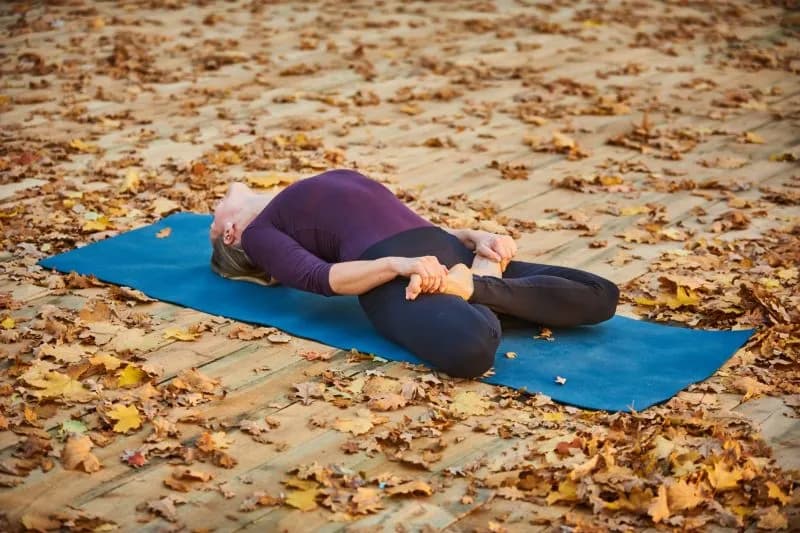
- Gentle restorative asana (Supta Baddha Konasana, Supta Matsyendrasana) — The evening practice before Chandrabhedan activates the parasympathetic state that the pranayama deepens.
- Natural breath observation (3 minutes) — Settling the breath before introducing the deliberate nostril alternation.
Variations
- Variation 1: Without Kumbhaka — Beginner Inhale left, exhale right — no breath retention. The foundational form accessible from the first session.
- Variation 2: With Antara Kumbhaka — Intermediate Inhale left, retain both nostrils closed, exhale right — the classical form producing the full calming and blood pressure-regulatory effects.
- Variation 3: Extended Exhale Chandrabhedan — Stress Relief A 1:2 or 1:4 inhale-to-exhale ratio without retention — the extended exhalation dramatically activates the parasympathetic nervous system for acute anxiety and stress relief.
Common Mistakes to Avoid
- Inhaling Through the Right Nostril (Reversing Direction) Inhaling right and exhaling left is Suryabhedan — the energising practice. Chandrabhedan is always inhale LEFT, exhale RIGHT. The nostril direction determines the therapeutic effect entirely.
- Practising in the Morning Chandrabhedan’s cooling, calming, and withdrawing quality is mismatched with the morning period’s need for activation. Practise Suryabhedan in the morning and Chandrabhedan in the evening.
- Forcing Breath Retention Before Capacity Supports It Begin without any retention — allowing five complete in-left, out-right rounds to establish the cooling breath quality before adding the retention.
Who Should Practise?
- Those with Insomnia and Sleep Difficulties Chandrabhedan Pranayam is one of the most accessible and reliable tools for improving sleep onset and sleep quality — the parasympathetic activation in 5–10 rounds is often sufficient to shift from alert to receptive nervous system state.
- Those with High Blood Pressure and Stress-Related Conditions The baroreceptor activation and cortisol reduction make it a clinically relevant complementary tool for blood pressure management and stress-related cardiovascular conditions.
- Is Chandrabhedan Good for Beginners? Yes — the no-retention form (inhale left, exhale right, 5 rounds) is accessible from the first pranayama session and produces immediate calming effects.
Make Chandrabhedan Pranayam a Part of Your Practice
Chandrabhedan Pranayam is yoga’s most directly calming and cooling breath practice — its exclusive left nostril inhalation activating the Ida Nadi’s lunar quality to produce the parasympathetic shift, blood pressure reduction, and mental quieting that the end of every day requires.
Whether using five rounds as a pre-sleep ritual or ten rounds with gentle retention as the therapeutic practice for chronic insomnia and anxiety, Chandrabhedan rewards consistent daily evening practice with progressive nervous system regulation.
The most effective way to learn Chandrabhedan correctly — with nostril direction clarity, cooling breath quality, and retention progression — is under live expert guidance with Habuild.
Start your 14 day free yoga journey with Habuild, today!
Related reads: Suryabhedan Pranayam: How to Practice and Its Energy Benefits · Kapalbhati Pranayam: How to Practice Benefits and Precautions
Left-nostril breathing works on the nervous system slowly — the cooling, calming shift it’s associated with tends to compound the more evenings you spend with it before bed, rather than arriving after one session. Practiced sporadically, it’s pleasant; practiced nightly, it starts to genuinely change how easily you wind down. Habuild’s Yoga Everyday program includes breathing sequences like this so the calming routine becomes part of your evening rhythm rather than an afterthought.
Frequently Asked Questions
Related Articles
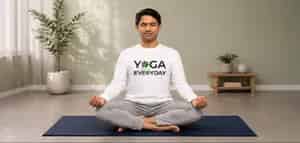
Kapalbhati Pranayam: How to Practice Benefits and Precautions
Practice Pranayam Kapalbhati with Habuild. Follow the skull-shining breath steps to boost digestion, strengthen your core, and energise your body. Start today!
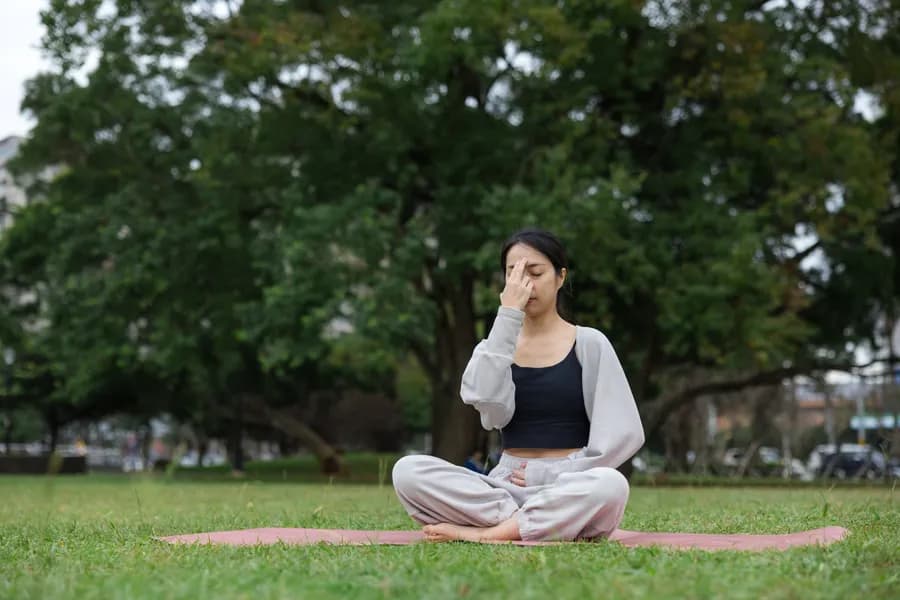
Suryabhedan Pranayam: How to Practice and Its Energy Benefits
Practice Suryabhedan Pranayam with Habuild. Follow the right nostril breathing steps to boost energy, improve circulation, and activate your body. Start today!
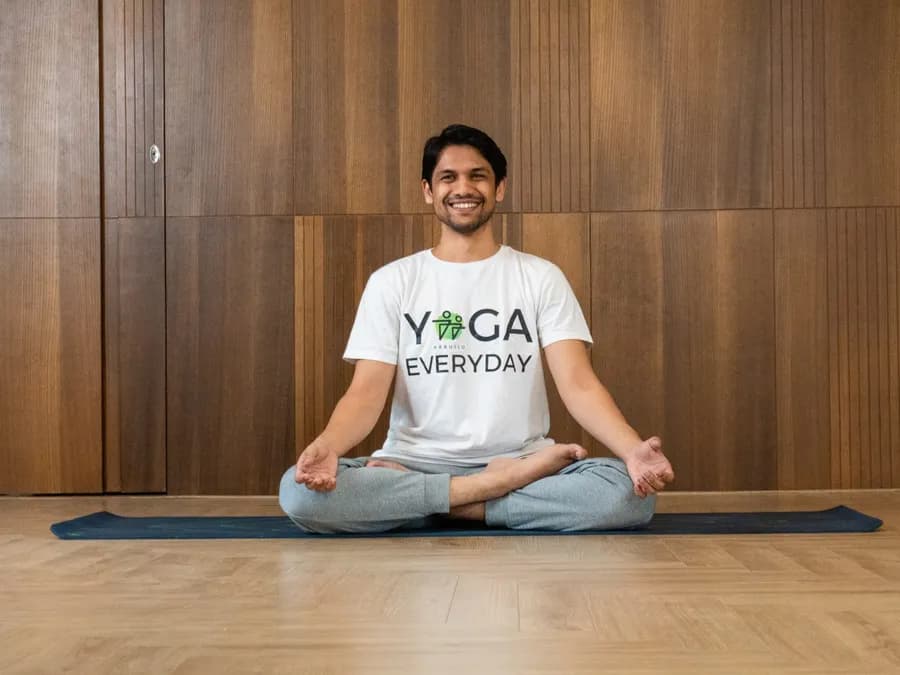
Pranayama Asana: A Guide to Breathing Poses Benefits and Practice
Practice Pranayama Asana with Habuild. Learn pranayama breathing types, steps, and benefits for lung health, stress relief, and daily vitality. Start today!
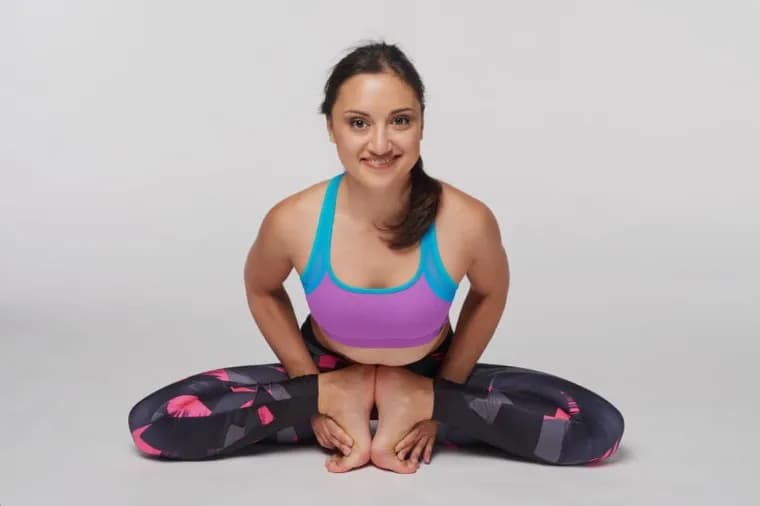
Moola Bandha (Root Lock): How to Practice and Its Energy Benefits
Practice Moola Bandha with Habuild. Learn the root lock steps to strengthen your pelvic floor, improve digestion, and support hormonal balance. Start today!