
Eka Pada Koundinyasana (One-Leg Sage Balance): Steps, Benefits & Precautions
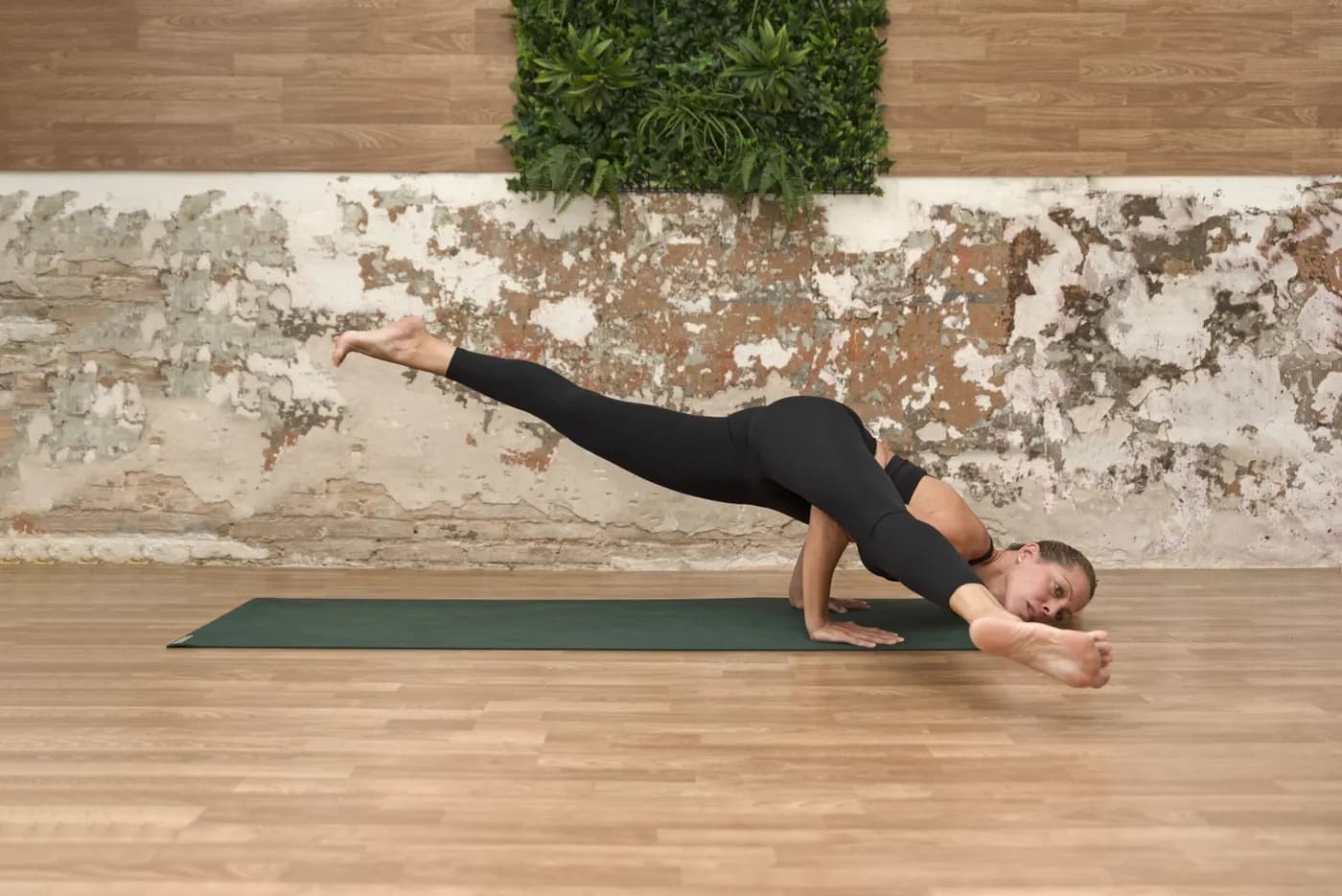
Eka Pada Koundinyasana — the One-Legged Arm Balance of Sage Koundinya — is an advanced arm balance that combines twisting, arm strength, and hip flexibility in
Key Takeaways
- Named after sage Koundinya, one of the Buddha’s first disciples, in its Sanskrit dedication.
- Exists in two versions – a twisted lunge entry (I) and a straight-on flying-split entry (II).
- Belongs to the twisted arm balance family alongside Parsva Bakasana, Side Crow Pose.
- Version I hooks one leg over the upper arm while the other extends back like Chaturanga.
- Requires a specific committed forward lean into the arms – a genuine point of no return.
- Taught only after Bakasana and Chaturanga Dandasana are already mastered.
Eka Pada Koundinyasana — the One-Legged Arm Balance of Sage Koundinya — is an advanced arm balance that combines twisting, arm strength, and hip flexibility in a single suspended pose. Named after the sage Kaundinya (or Koundinya), one of the Buddha’s first disciples, the pose exists in two expressions: Eka Pada Koundinyasana I (from a twisted lunge) and Eka Pada Koundinyasana II (from a straight-on position). Both require exceptional arm endurance, core integration, and open hips.
What is Eka Pada Koundinyasana?
Eka Pada Koundinyasana — pronounced eh-KAH pah-DAH kown-din-YAHS-ana — translates as One-Legged Pose Dedicated to Sage Koundinya (Eka = one, Pada = leg, Koundinya = the sage’s name, Asana = posture). The pose belongs to the twisted arm balance family alongside Parsva Bakasana (Side Crow Pose) — both requiring the oblique body rotation that distinguishes twisted arm balances from their forward-facing counterparts.
In Eka Pada Koundinyasana I, one leg hooks over the upper arm while the opposite leg extends back in a Chaturanga-like position — the twist of the spine creating the hook. In Eka Pada Koundinyasana II, one leg extends forward while the other extends back, creating a flying split on the arms without the twisting component. At Habuild, both versions are taught as part of the advanced arm balance progression following Bakasana and Chaturanga Dandasana mastery.
Eka Pada Koundinyasana Benefits
Physical Benefits
- Develops Twisted Arm Balance Strength Eka Pada Koundinyasana requires the arm and shoulder strength of
- Chaturanga Dandasana sustained in a rotated, asymmetric position — the twisted load creating greater demands on the stabilising shoulder musculature than symmetrical arm balances. This builds the rotational stability that advanced practice requires. Opens the Hip and Develops Spinal Rotation
- The hooking of one leg over the upper arm requires significant hip flexor and external rotator flexibility — complemented by the thoracic rotation of the twist. This combined hip-and-spine opening is a meaningful complement to yoga for flexibility work and the individual hip and spine practices that prepare Koundinyasana components separately.
- Builds Core Strength and Rotational Stability Holding the body suspended in a twisted position requires sustained oblique and deep core engagement — the rotational core strength that most yoga practices develop less directly than frontal core work. This complements
- Navasana and other frontal core practices for comprehensive core conditioning. Improves Wrist and Forearm Endurance
- The full body weight supported through the wrists in an asymmetric position creates significant wrist and forearm endurance demands — building the joint health and muscular support that protect the wrists in sustained arm balance practice.
Mental and Emotional Benefits
- Develops Commitment and Trust in the Entry Eka Pada Koundinyasana requires a specific committed lean forward into the arms — a point of no-return entry that demands the same fearless trust that all advanced arm balances cultivate. Consistent practice builds this quality of committed, non-hesitant action.
How to Do Eka Pada Koundinyasana I — Step-by-Step
Key Principles
Enter from a High Lunge with twist — never attempt directly from standing. The forward knee shoulder-hooks before the back leg extends. The weight must shift significantly forward over the hands before the back foot leaves the ground. The arm shelf must be created deliberately — compress the front thigh firmly against the upper arm before the lean.
Step 1: Begin in High Lunge with Twist From Warrior I with the right foot forward: exhale and twist the torso to the right. Bring the left elbow outside the right knee — the classic Parivrtta Parsvakonasana preparation.
Step 2: Plant the Hands and Create the Shoulder Shelf Place both palms firmly on the floor, shoulder-width apart. Press the right thigh firmly against the back of the right upper arm — this contact is the shelf that will support the leg.
Step 3: Lean Forward and Bend the Elbows Lean the body weight significantly forward over the hands. Bend the elbows toward Chaturanga position — the elbows tracking directly back over the wrists. The right foot will begin to lighten as the weight transfers.
Step 4: Lift the Back Leg and Extend On an exhale: lift the left (back) foot and extend the left leg straight back — parallel to the floor or slightly above it. The right leg remains hooked over the right upper arm.
Step 5: Hold and Release with Control Hold for 3–5 breaths — gaze forward, breathing steady. To release: bend the elbows slightly and lower the feet to the floor with control. Repeat on the left side.
Breathing
The entry exhale initiates the lean and the back leg lift. Once suspended, breathe steadily — the breath is somewhat compressed by the twisted position. Never hold the breath; the steady breath maintains the parasympathetic composure within the demanding pose.
Preparatory Poses
- Bakasana (Crow Pose) — establish comfortable arm balance foundation
- Parsva Bakasana (Side Crow) — introduces the twist + arm balance combination
- Parivrtta Parsvakonasana — develops the thoracic twist and hip opening of the entry
- Ardha Matsyendrasana — spinal rotation and hip opening
- Chaturanga Dandasana — build arm strength endurance for the sustained hold
Variations of Eka Pada Koundinyasana
- Variation 1: Eka Pada Koundinyasana I — Twisted Version From a twisted lunge entry — one leg hooks over the upper arm while the other extends back. The spinal rotation creates the hook. This is typically learned first as the entry mechanics are more intuitive.
- Variation 2: Eka Pada Koundinyasana II — Split Arm Balance Without the twist — both legs split in opposite directions on the arms. One leg hooks forward, one extends back — creating a flying split balance without the rotational component. Requires both extreme hip flexibility and arm strength.
Common Mistakes to Avoid
- Insufficient forward lean — the most common failure; the weight must shift very far forward before the back foot can lift
- Insufficient thigh-to-arm contact — the leg must press firmly against the arm shelf before attempting the lift
- Collapsing the chest — maintain active chest pressing and serratus engagement throughout
- Attempting without established Bakasana — Crow Pose comfort is the minimum prerequisite
- Only practising one side — always balance with the left-side entry
Who Should Practise Eka Pada Koundinyasana?
- Advanced Arm Balance Practitioners
- Eka Pada Koundinyasana requires comfortable
- Bakasana and ideally Parsva Bakasana as prerequisites. It is among the most demanding postures in the arm balance curriculum.
- Is Eka Pada Koundinyasana Suitable for Beginners?
- Eka Pada Koundinyasana is an advanced pose requiring well-established arm balance prerequisites. Beginners should build through Plank, Chaturanga, Bakasana, and Parsva Bakasana before approaching this pose. Habuild’s instructors guide the progressive arm balance curriculum that builds toward Koundinyasana safely.
Make Eka Pada Koundinyasana a Part of Your Practice
Eka Pada Koundinyasana is one of yoga’s most technically sophisticated arm balances — combining twist, hip opening, and arm endurance in a single suspended pose. The prerequisite journey through Bakasana and Parsva Bakasana is as valuable as the final pose itself. Habuild’s daily sessions provide the progressive arm balance curriculum. Your first 7 days start at just 14-day free trial.
Start your 14 day free yoga journey with Habuild, today!
Eka Pada Koundinyasana combines twisting, arm strength, and hip flexibility in a way that few bodies can access without weeks of preparatory work — attempting the full pose too soon tends to strain rather than strengthen. Building the foundation gradually, through a structured daily practice, is what actually gets you there safely. Habuild’s Yoga Everyday program can guide that progression.
Frequently Asked Questions
Related Articles
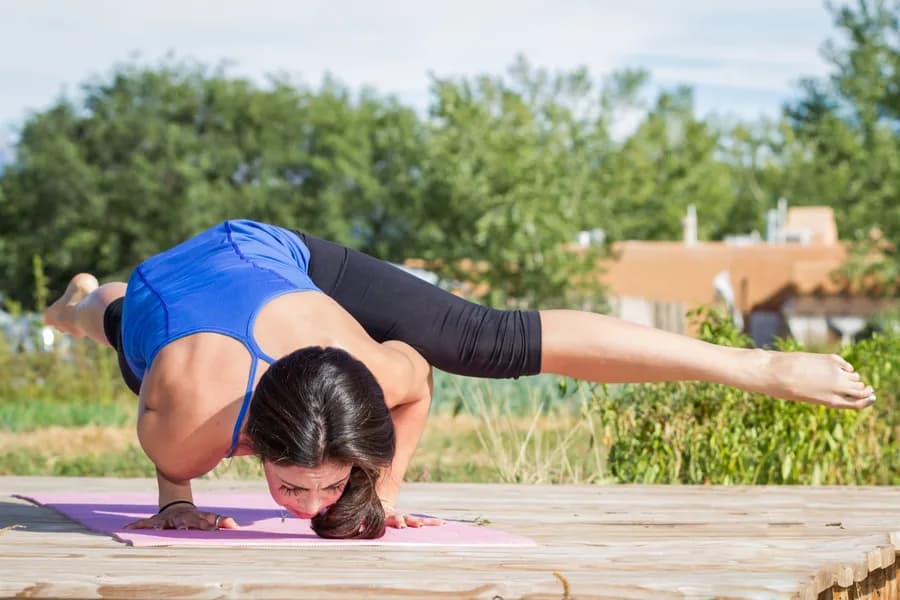
Koundinyasana (Sage Koundinya’s Pose): Steps, Benefits and Precautions
This twisted arm balance is named after the sage Koundinya, one of the five disciples present at the first teaching of the Buddha. See the steps, benefits, and precautions.

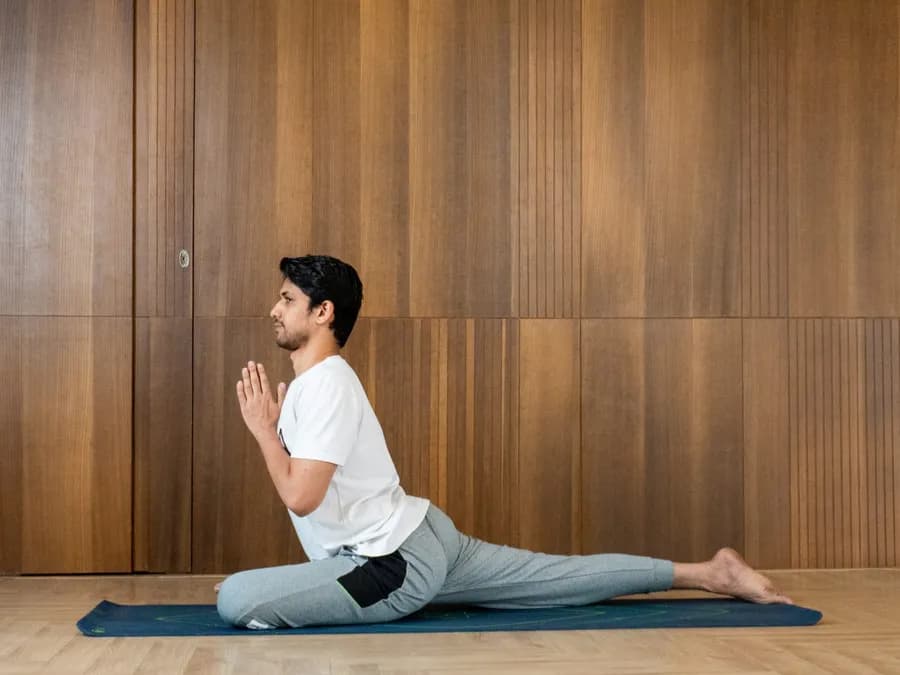
Eka Pada Rajakapotasana (One-Legged King Pigeon Pose): Steps, Benefits & Precautions
One-Legged King Pigeon Pose is a deep hip-opening backbend that stretches the psoas, piriformis, and glutes while mobilising the entire spine. See the.
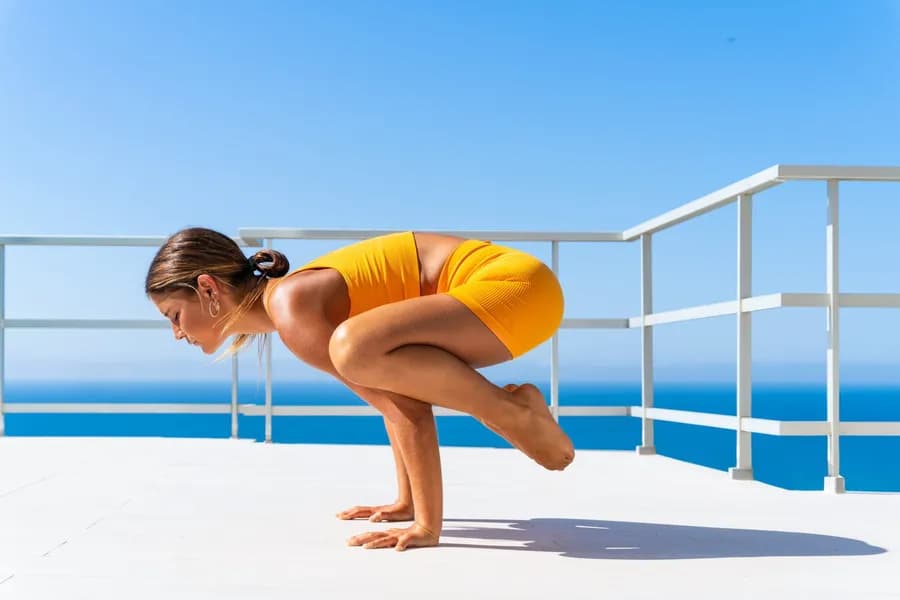
Bakasana (Crow Pose): Steps Strength Tips and How to Master It
Practice Bakasana with Habuild. Follow the crow pose steps to build core strength, improve wrist stability, and master your first arm balance. Start today!