
Hasta Mudras: A Complete Guide to Hand Gestures and Their Benefits
Practice hasta mudras with Habuild. Explore the best yoga hand gestures to balance the five elements, direct prana, and support health and healing. Start today!
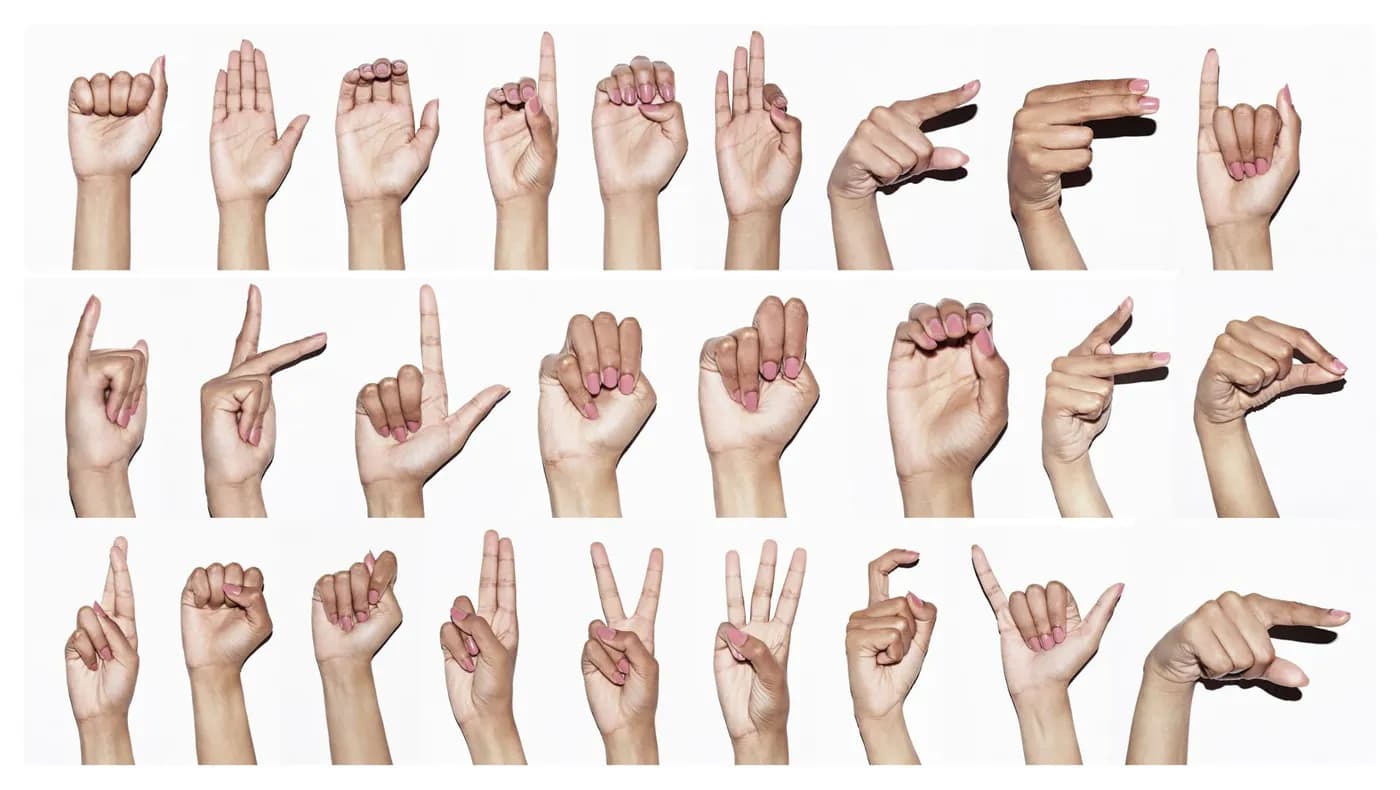
Key Takeaways
- Comprises over 100 classical gestures mapped to the five elements across five fingers.
- Thumb represents fire, index represents air, middle finger represents ether specifically.
- Prana Mudra joins ring and little fingers to the thumb to activate earth and water for vitality.
- Apana Mudra activates downward eliminative energy for digestion and detoxification.
- Vayu Mudra folds the index finger to the thumb base specifically to relieve excess gas.
- Requires no equipment or special location, practisable anywhere at any time.
Hasta mudras are yogic hand gestures that seal and direct prana through the body by creating specific finger contacts representing the five elements — earth, water, fire, air, and ether. Comprising over 100 classical gestures, they balance elemental energies, support healing, deepen meditation, and form a complete system of energetic medicine accessible to all practitioners.
What are Hasta Mudras?
Hasta mudras — yogic hand gestures — form one of the most complete and practically accessible systems of energetic medicine available within the yogic tradition. Each of the five fingers represents one of the five elements that constitute both the cosmos and the human body: the thumb (fire/Agni), the index finger (air/Vayu), the middle finger (ether/Akasha), the ring finger (earth/Prithvi), and the little finger (water/Jala). Specific contacts between these fingers activate, reduce, or balance these elemental energies throughout the body.
The hasta mudra system is remarkable for its accessibility — the practices require no equipment, no special location, no significant physical ability, and can be performed anywhere at any time. Yet within this accessibility lies one of yoga’s most sophisticated therapeutic systems: the complete mapping of elemental health, organ function, and energy centre activation through the simple science of hand gesture.
At Habuild, hasta mudras are taught within the complete five-element framework — providing the elemental mapping, condition-specific mudra selection guidance, and pranayama integration that make the hasta mudra system genuinely therapeutic rather than merely ceremonial.
Key Hasta Mudras and Their Benefits
- Gyan (Jnana) Mudra — Knowledge and Meditation Foundation Index tip to thumb tip, remaining three fingers extended — the most universally used hasta mudra for meditation and pranayama. Activates the air-fire balance for clear, focused awareness. The first and most essential hasta mudra for all practitioners — its mental calming and parasympathetic activation making it the appropriate daily meditation mudra for virtually all conditions.
- Prana Mudra — Vitality and Life Force Activation Ring and little finger tips to thumb tip — activating earth and water elements to vitalise the foundational life force. The primary hasta mudra for energy restoration, immune support, and eye health. Particularly valuable for practitioners dealing with chronic fatigue, reduced immunity, and the depletion of the life force that illness, stress, and ageing produce.
- Apana Mudra — Purification and Elimination Middle and ring finger tips to thumb tip — activating the downward eliminative energy for digestive health, constipation relief, and detoxification. One of the most important therapeutic hasta mudras for the majority of modern health concerns rooted in poor elimination and accumulated toxicity.
- Vayu Mudra — Air Reduction and Gas Relief Index finger folded to thumb base, thumb pressing gently — reducing the excess air element for gas relief, joint pain reduction, and nervous system calming. The most directly effective mudra for vata excess conditions including digestive gas, joint stiffness, anxiety, and the restless, variable quality of excess air.
- Prithvi Mudra — Earth Activation and Tissue Nourishment Ring finger tip to thumb tip — activating the earth element for tissue nourishment, skin health, and the stabilising, grounding quality of physical wellbeing. Particularly valuable for practitioners dealing with weight loss, weakness, poor stamina, and the depletion of the earth element that chronic illness and nutritional deficiency produce.
How to Practise Hasta Mudras — General Instructions
Key Principles
Key Principles Three universal principles apply to all hasta mudra practice: the formations are held with ease and without tension — mudra is a gesture of presence, not muscular effort; the breath accompanies every hasta mudra practice — specific pranayama pairings amplify the elemental activation; and consistency matters more than intensity — fifteen to thirty minutes daily over weeks produces the elemental rebalancing that longer occasional sessions do not.
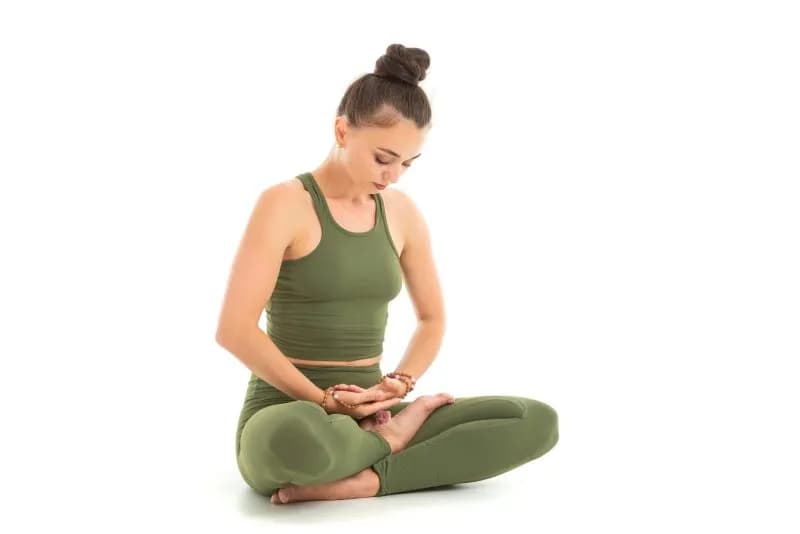
Hasta Mudra Practice — Step by Step
Step 1: Seated Starting Position Sit in Sukhasana, Vajrasana, or on a chair — spine erect, shoulders relaxed. All hasta mudras are practised seated with an upright spine.
Step 2: Form the Selected Hasta Mudra Form the chosen hasta mudra in both hands simultaneously. The formation should feel natural and comfortable — never forced or strained. Both hands form the same mudra unless the practice specifically directs otherwise.
Step 3: Rest Hands on the Knees Rest both hands on the knees, palms facing upward. The wrists are relaxed and the formation is supported by the knees rather than held by arm tension.
Step 4: Close the Eyes and Direct Awareness Close the eyes and direct the awareness to the breath and to the quality of the mudra’s elemental activation. Allow the mind to settle with each breath cycle.
Step 5: Hold for Prescribed Duration Hold for fifteen to thirty minutes. The elemental activation builds progressively during the hold and produces its most meaningful effect in the second half of the session.
Step 6: Release and Observe Release the formation gently at the end of the session. Rest the hands in the lap for one to two minutes and observe the elemental quality cultivated before returning to normal activity.
Breathing in Hasta Mudra Practice
Each hasta mudra pairs optimally with a specific pranayama. The general principle: fire-activating mudras (Agni, Linga) pair with solar Surya Bhedana; cooling, calming mudras (Varun, Gyan, Prana) pair with lunar Chandrabhedana; and balancing mudras (Apana, Prithvi) pair with Nadi Shodhana (alternate nostril) for equal channel activation.
The Five Elements and Their Fingers
- Thumb — Fire (Agni) The thumb represents the fire element — the element of transformation, digestion, metabolic activation, and the solar warming energy. The thumb is the most anatomically significant digit, its opposition enabling all human tool use and fine motor activity. Mudras that activate the thumb increase fire element — boosting metabolism, generating warmth, and improving the transformative and digestive processes.
- Index Finger — Air (Vayu) The index finger represents the air element — the element of movement, breath, circulation, and the mental agility and mobility of thought. Mudras that activate the index finger increase the air element — improving mental focus, respiratory function, and the quality of movement throughout the body.
- Middle Finger — Ether (Akasha) The middle finger represents the ether element — the most subtle element, governing space, sound, and the expansive quality of awareness. Ether activation through the middle finger expands the quality of inner space and the openness of awareness that meditation cultivates.
- Ring Finger — Earth (Prithvi) The ring finger represents the earth element — the element of stability, nourishment, tissue health, and the grounding quality of physical presence. Earth activation through the ring finger improves physical endurance, skin and tissue health, and the quality of stable, grounded embodiment.
- Little Finger — Water (Jala) The little finger represents the water element — the element of fluidity, hydration, emotional flow, and the cooling, receptive quality of the feminine principle. Water activation through the little finger improves hydration, kidney function, and the emotional fluidity that adaptive responses to life’s circumstances require.
Start your 14 day free yoga journey with Habuild, today!
Related reads: Mudras for Healing: Best Hand Gestures for Physical and Emotional Recovery · Hand Mudras: Steps, Benefits & Precautions
Hand mudras are meant to be held for minutes at a stretch, over many sittings, since their effect on energy and focus comes from sustained, repeated use rather than a quick gesture between tasks. Picking one or two that suit your needs and returning to them daily, alongside breathwork or meditation, is what makes this practice worth the discipline. Habuild’s Yoga Everyday program weaves mudra work into its guided sessions so it becomes a natural part of your day rather than a separate thing to remember.
Frequently Asked Questions
Related Articles
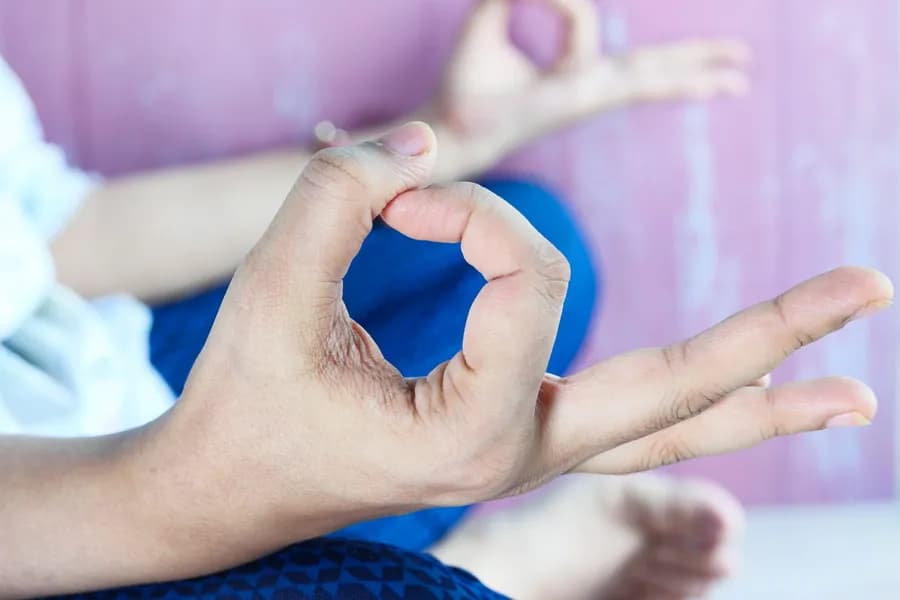
Gyan Mudra: How to Do It and Its Benefits for Focus and Memory
Practice Gyan Mudra with Habuild. Follow the wisdom hand gesture steps to improve focus, reduce anxiety, and enhance your meditation practice. Start today!

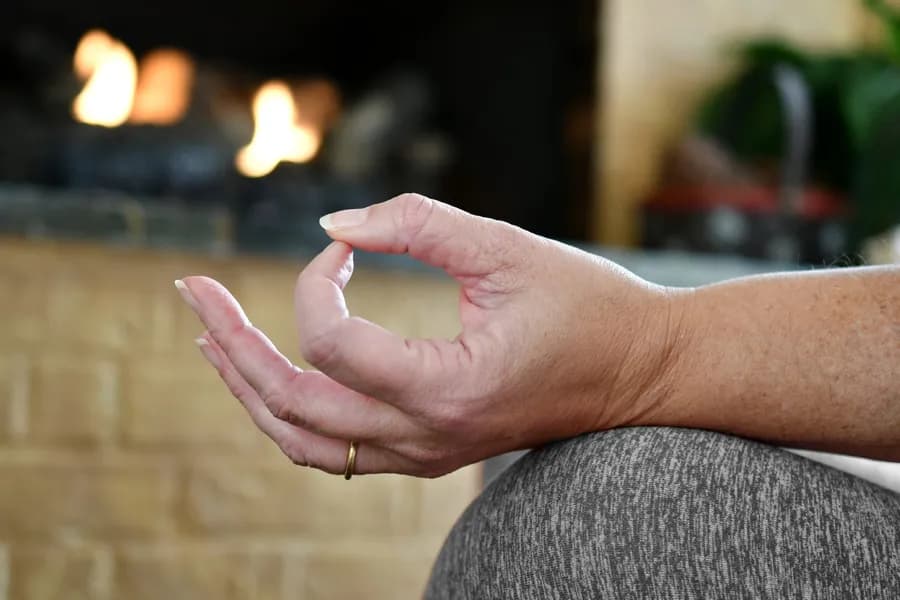
Chin Mudra: How to Practice and Its Benefits for Calm and Clarity
Practice Chin Mudra with Habuild. Follow the consciousness hand gesture steps to calm the mind, improve focus, and deepen your pranayama practice. Start today!
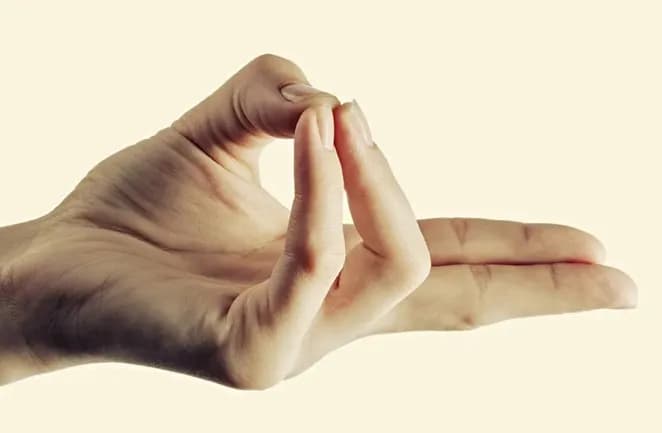
Prana Mudra: How to Practice and Its Life Energy Benefits
Practice Prana Mudra with Habuild. Follow the life force hand gesture steps to boost energy, strengthen immunity, and improve your eye health. Start today!
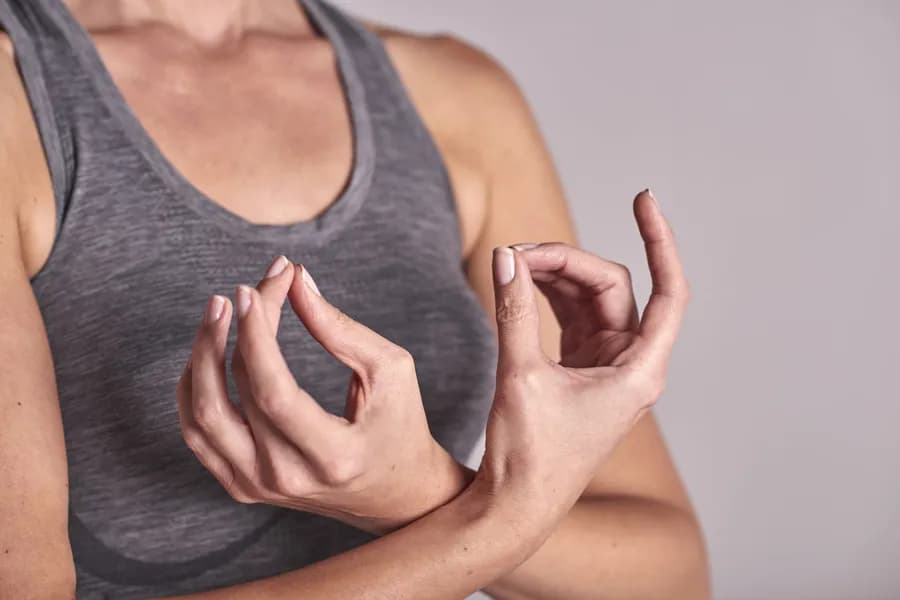
Apana Mudra: How to Practice and Its Benefits for Detox and Digestion
Practice Apana Mudra with Habuild. Follow the downward energy hand gesture steps to support digestion, detoxification, and reproductive health. Start today!