
Mrigashirsha Mudra: the Deer Head Gesture in Classical Tradition
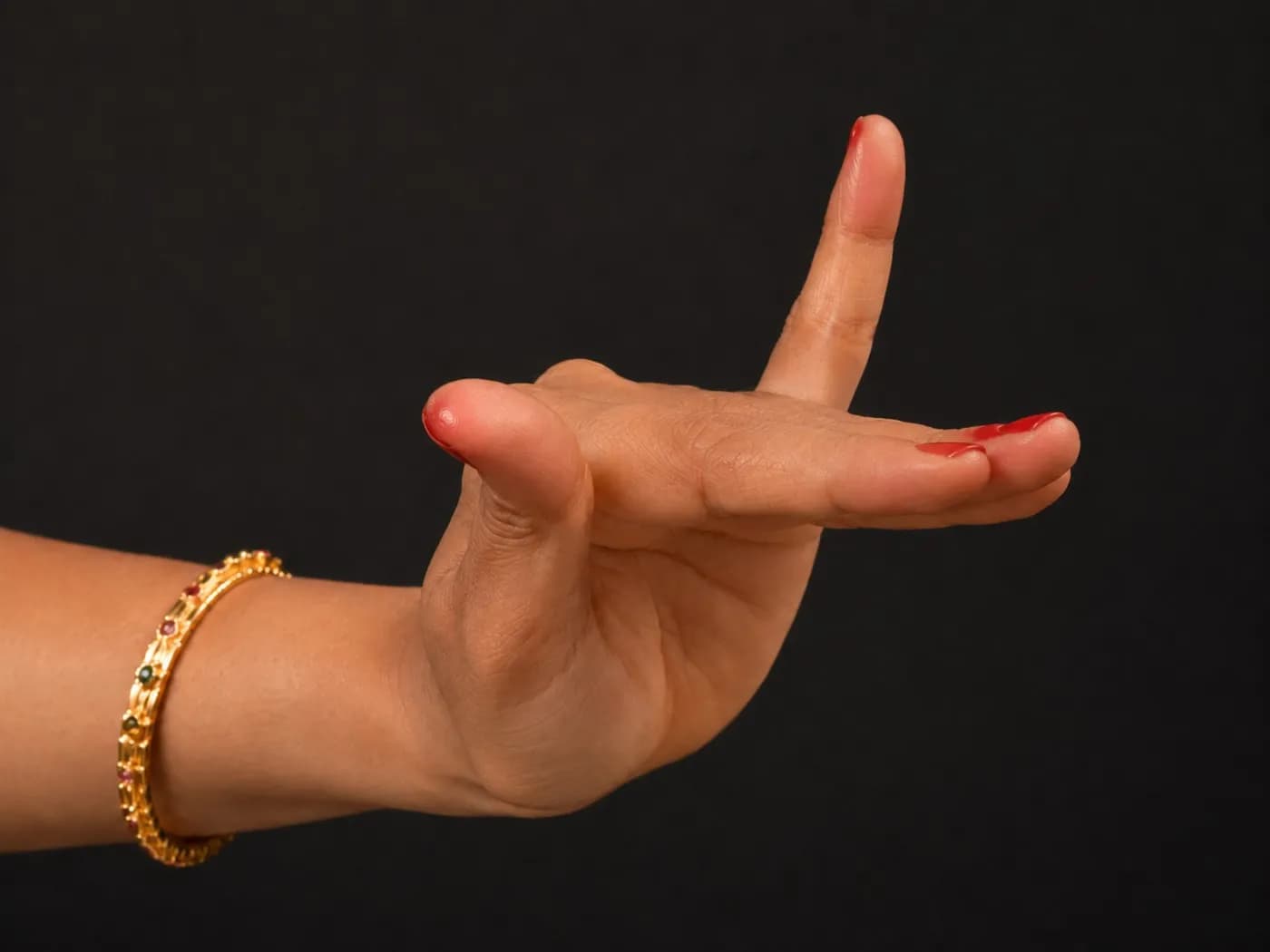
This hand gesture, whose name translates as deer’s head, resembles the silhouette of antlers and appears most prominently in Bharatanatyam dance to depict
Key Takeaways
- Its Sanskrit name means ‘deer’s head’ – mriga, deer, plus shirsha, head.
- Catalogued in the Natya Shastra among the asamyukta hastas, single-hand dance gestures.
- Used in Bharatanatyam to narrate searching, calling, or deer-like movement.
- Its therapeutic claims are far less codified than healing mudras like Apan or Vayu.
- Formed by curling specific fingers while extending others to resemble antlers.
- Builds isometric hand strength when the position is held for several minutes.
What is Mrigashirsha Mudra?
Mrigashirsha Mudra is a hand gesture whose Sanskrit name translates as “deer’s head” (mriga meaning deer, shirsha meaning head). The hand position resembles the silhouette of a deer’s head with antlers, formed by curling specific fingers while extending others. Like Shukatunda Mudra, Mrigashirsha is most prominent in classical Indian dance forms, particularly Bharatanatyam, where it carries narrative meanings including searching, calling, and depicting deer or fawn-like movements.
In its dance context, Mrigashirsha hasta mudra is one of the asamyukta hastas (single-hand gestures) catalogued in the Natya Shastra and other classical Sanskrit texts. The gesture also appears in some yoga and meditation traditions as a symbolic position used during specific worship rituals. While its therapeutic claims are less codified than those of healing mudras like Apan or Vayu, the gesture is widely practised by classical dancers and students learning the full hasta mudra system. The full range of hand gestures and their classical meanings is detailed in our work on hasta mudras.
Mrigashirsha Mudra Benefits
Physical Benefits
- Benefit 1: Improves Finger Independence Holding specific fingers curled while keeping others extended trains finger independence. The benefit carries over to dance, music, and any detailed handwork.
- Benefit 2: Builds Hand Endurance Maintaining the gesture for several minutes builds isometric strength in the small hand muscles, supporting longer dance performances and music sessions.
- Benefit 3: Improves Wrist Stability The wrist position required for Mrigashirsha trains the small stabilising muscles around the wrist joint.
- Benefit 4: Develops Concentration The simple act of holding a precise hand position trains focused attention. Useful for both dancers in performance and meditators in practice.
- Benefit 5: Connects Practitioner to Classical Tradition Learning Mrigashirsha alongside other mudras connects the practitioner to centuries of Indian classical performance and yogic tradition. The cultural meaning is part of the practice.
Mental and Emotional Benefits
Benefit 4: Develops Concentration
The simple act of holding a precise hand position trains focused attention. Useful for both dancers in performance and meditators in practice.
Benefit 5: Connects Practitioner to Classical Tradition
Learning Mrigashirsha alongside other mudras connects the practitioner to centuries of Indian classical performance and yogic tradition. The cultural meaning is part of the practice.
How to Practise Mrigashirsha Mudra. Step-by-Step Instructions
Step 1: Starting Position
Sit comfortably with your spine upright. Rest your hands on your knees, palms up. Take three slow breaths.
Step 2: Form the Base Hand
Extend your right hand with the palm facing forward. Spread the fingers naturally.
Step 3: Curl the Middle and Ring Fingers
Bend the middle and ring fingers inward toward the palm. The tips should approach (but not necessarily touch) the base of the thumb.
Step 4: Position the Other Fingers
Keep the index finger and little finger extended outward, slightly spread apart. The thumb extends naturally to the side. The shape now resembles a deer’s head with antlers (the index finger and little finger as the antlers).
Step 5: Final Position and Hold
Hold the mudra for 1 to 5 minutes initially. Build to longer holds over 2 to 3 weeks. Practise on both hands equally.
Step 6: How to Come Out of Mrigashirsha Mudra
Release the fingers slowly. Shake out the hand to restore circulation. Switch to the other hand if practising bilaterally.
Breathing in Mrigashirsha Mudra
Slow nasal breathing throughout. Inhale for 4 seconds, exhale for 6 seconds. The breath supports the focused attention the gesture is meant to develop.
Preparatory Practices Before Mrigashirsha Mudra (Optional)
Brief hand preparation makes the gesture easier to hold accurately.
- Wrist circles, 10 each direction: Loosens the wrist for the gesture’s slight angle.
- Finger flexion and extension, 10 reps: Wakes up the small finger muscles.
- Tendon glides, 5 cycles: Mobilises the finger tendons through full range, preventing cramping.
Variations of Mrigashirsha Mudra
Variation 1: Bharatanatyam Form
The most widely taught form. Index finger and little finger extended firmly, middle and ring fingers curled tightly. Used in dance to depict searching, deer-like movements, or invocation.
Variation 2: Mrigashirsha Hasta Mudra (Classical Yoga Form)
A softer form used in seated yogic meditation. The fingers hold the same shape but with less muscular tension. Held for longer durations than the dance form.
Variation 3: Combined-Hand Form
When both hands form Mrigashirsha simultaneously, the gesture becomes a samyukta hasta (joined gesture) used to depict specific narrative scenes in dance.
Common Mistakes to Avoid in Mrigashirsha Mudra
- Mistake 1: Cramping the Curled Fingers Curling the middle and ring fingers too tightly causes cramping within minutes. The fingers should be relaxed in their curve, not gripped.
- Mistake 2: Allowing the Antler Fingers to Drop The index finger and little finger should remain firmly extended throughout the hold. Letting them drop changes the gesture entirely.
- Mistake 3: Tensing the Shoulder and Wrist Many beginners hold tension in the shoulder while trying to make the hand shape. Drop the shoulder, soften the wrist, and let the hand do the work alone.
- Mistake 4: Practising Only One Hand For dancers, both hands need equal training. Always alternate or practise both sides equally.
Who Should Practise Mrigashirsha Mudra?
- Classical Dancers Bharatanatyam, Kuchipudi, and other classical Indian dance students learn Mrigashirsha as part of the foundational hasta mudra vocabulary.
- Yoga Practitioners Studying Hasta Mudras Practitioners interested in the full traditional system include Mrigashirsha alongside other widely practised mudras.
- Students of Indian Classical Arts Anyone studying the connection between dance, gesture, and yoga benefits from learning Mrigashirsha.
- Is Mrigashirsha Mudra Good for Beginners? Yes, with the caveat that the hand shape takes some practice. Beginners should start with 1-minute holds and build to 5 minutes over 2 to 3 weeks.
Mrigashirsha mudra’s quiet, alert quality — the deer’s poised stillness it’s meant to evoke — is easier to access once the gesture becomes second nature rather than something you’re still consciously assembling each time. That kind of ease comes from returning to it regularly, ideally alongside a broader practice rather than as an isolated hand position. If you’d like to see how mudra work fits into a fuller daily session, Habuild’s Yoga Everyday program weaves it in alongside asana and breath.
Frequently Asked Questions
Related Articles
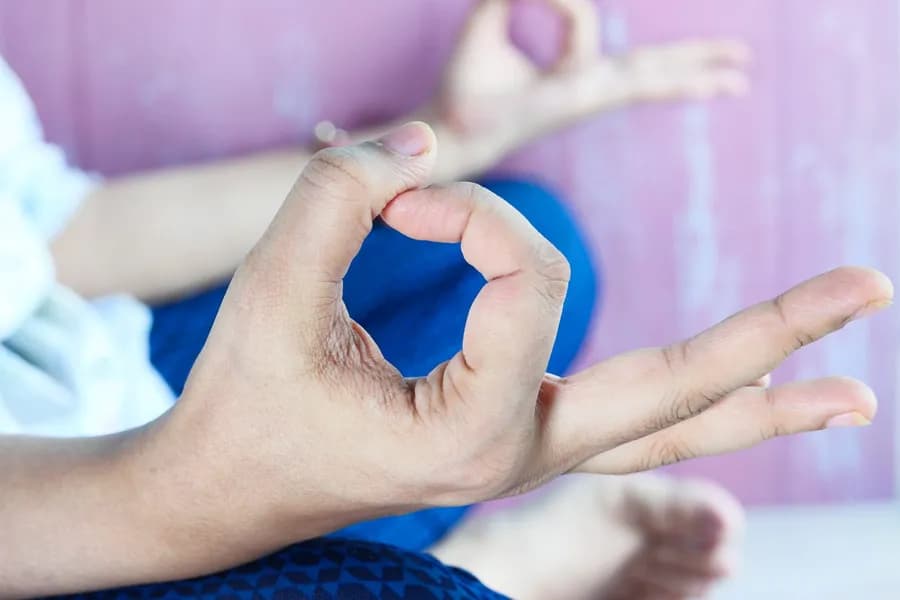
Gyan Mudra: How to Do It and Its Benefits for Focus and Memory
Practice Gyan Mudra with Habuild. Follow the wisdom hand gesture steps to improve focus, reduce anxiety, and enhance your meditation practice. Start today!

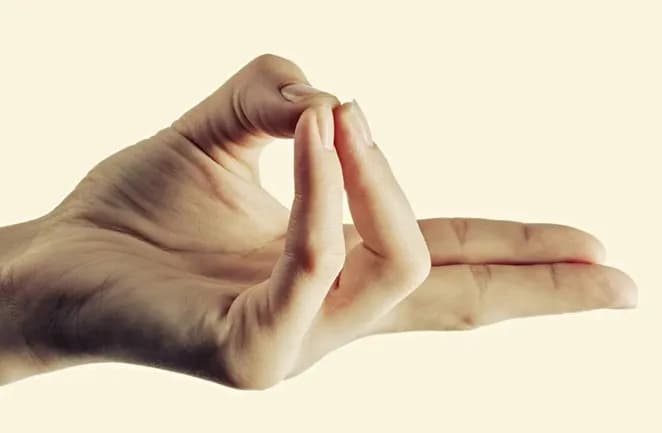
Prana Mudra: How to Practice and Its Life Energy Benefits
Practice Prana Mudra with Habuild. Follow the life force hand gesture steps to boost energy, strengthen immunity, and improve your eye health. Start today!
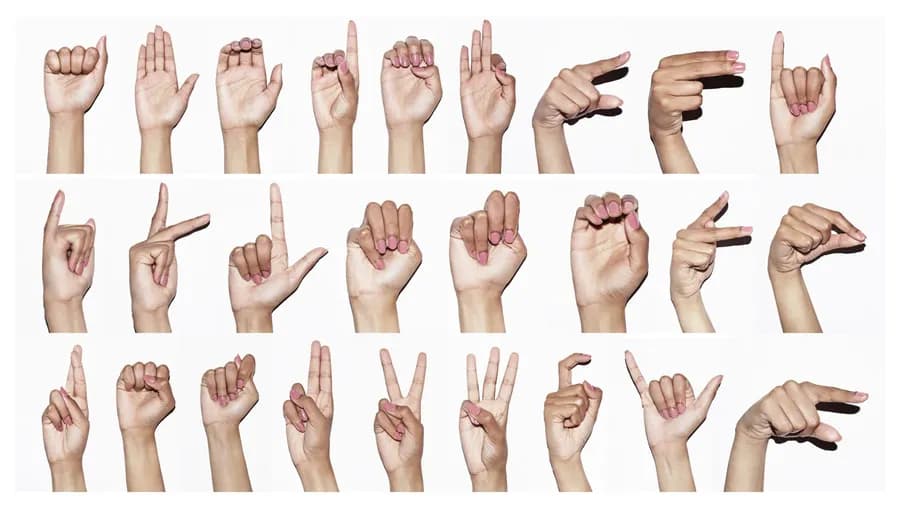
Hasta Mudras: A Complete Guide to Hand Gestures and Their Benefits
Practice hasta mudras with Habuild. Explore the best yoga hand gestures to balance the five elements, direct prana, and support health and healing. Start today!