
Mudra for Fever: Jal Mudra, Varun Mudra & Cooling Hand Gestures for Body Heat
Jal Mudra, Prana Mudra, Mukula Mudra, and gentle Apana Mudra work by activating the cooling water element and supporting hydration during recovery. See

Key Takeaways
- Jal Mudra, also called Varun Mudra, is the most-recommended gesture for fever recovery.
- In Ayurveda, fever reflects an aggravation of pitta dosha, the fire-and-water element.
- Works by activating the cooling water element to counter that excess heat directly.
- Explicitly never replaces medical care for fever above 102°F or lasting beyond 3-5 days.
- Supports fluid retention alongside, never instead of, drinking adequate water and ORS.
- Slow settled breath during practice eases the muscular soreness accompanying fever.
What is a Mudra for Fever?
A mudra is a yogic hand gesture that “seals” specific currents of vital energy (prana) inside the body. In Ayurveda and yoga therapy, fever is understood as an aggravation of pitta dosha — the fire-and-water element that governs body temperature, metabolism and inflammation. When pitta accumulates excessively (through infection, food, exhaustion or seasonal heat), the result is fever, body pain, headache and the heated, restless feeling that accompanies a flare-up of any febrile illness.
A hand mudra for fever typically does one of two things: activates the cooling water element (jal mahabhuta) to balance excess heat, or supports prana flow that helps the body’s natural defence mechanisms work more efficiently. The most-recommended single practice is Jal Mudra — also called Varun Mudra, the water-element gesture — which directly counters the heat and dryness that often accompany fever. Many practitioners explore the dedicatedvarun mudra page in detail before adding it to a fever-recovery routine, and combine it with general dailymudras and benefits study.
Mudra for Fever Benefits
Physical Benefits
1. Activates the Cooling Water Element Jal mudra (Varun mudra) is associated in Mudra Vigyan with rebalancing the body’s water element, supporting the cooling response that the body needs during a febrile phase.
2. Supports Hydration During Fever Fever drives fluid loss through sweating and rapid breathing. The water-element gestures gently support the body’s capacity to retain and absorb fluids — which works alongside, never instead of, drinking adequate water and ORS.
3. Eases Mild Body Pain Accompanying Fever The slow, settled breath that accompanies any mudra practice activates parasympathetic pathways that ease the muscular soreness and joint achiness that fever brings.
4. Supports Recovery from Post-Viral Fatigue Daily prana mudra practice during the recovery phase (after fever breaks) is associated with faster return to baseline energy.
Mental and Emotional Benefits
5. Calms Fever-Driven Restlessness and Sleep Disruption The heated, restless feeling of fever often disrupts sleep. Mudra practice with slow breathing helps the nervous system settle for rest.
6. Eases the Anxiety of Recurring Fevers For people who experience recurring febrile episodes, daily preventive mudra practice during well periods builds resilience and reduces worry. Pairing the practice with structured yoga for stress management addresses the stress-immunity connection.
How to Do Mudras for Fever — Step-by-Step
Mudra 1: Jal Mudra / Varun Mudra (Water-Element Mudra) — the Primary Cooling Gesture
Step 1: Sit propped up against pillows in bed, or in sukhasana if able. Spine relatively tall. Step 2: Touch the tip of the little finger to the tip of the thumb on each hand. Step 3: Other three fingers stay extended. Step 4: Hands rest on the thighs, palms upward. Step 5: Slow nasal breathing — inhale 4, exhale 6. Step 6: Hold for 15–30 minutes daily during fever, broken into shorter 10-minute sessions if energy is low.
Mudra 2: Prana Mudra — the Immunity-Building Gesture
Step 1: Bring the tips of the thumb, ring finger and little finger together on each hand. Step 2: Index and middle fingers extended. Step 3: Hands rest on thighs, palms upward. Step 4: Slow nasal breath. Hold 15 minutes during fever recovery and as daily prevention.
Mudra 3: Mukula Mudra — for Targeted Body Pain Relief
Step 1: Bring all five fingertips of one hand gently together to form a closed bud shape. Step 2: Hold the bud 1–2 inches above (or lightly touching) the area that hurts — sore forehead, aching shoulders, painful joints. Step 3: Slow breath. Hold 5–15 minutes over each painful area, no more than 20 minutes per spot per day.
Mudra 4: Apana Mudra — for Toxin Elimination Support
Step 1: Bring the tips of the thumb, middle finger and ring finger together on each hand. Step 2: Index and little fingers extended. Step 3: Hold 10 minutes daily during recovery to support the body’s natural elimination of metabolic waste.
Breathing in Fever Mudras
Pair with slow nasal breath only. Avoid all forceful pranayamas — kapalbhati, bhastrika, bahya — during active fever; they can raise body heat and stress an already-taxed system. Bhramari pranayama (humming bee, very gentle) is the only forceful breath that is safe during recovery.
Preparatory Practices Before Fever Mudras
When the body is fighting an illness, prep should be minimal:
- Drink a glass of room-temperature or cool water — supports the water-element focus.
- Wash the face and hands gently — refreshes before the seated practice.
- Sit propped up rather than fully upright — conserves energy.
- Skip vigorous warm-ups — no neck rolls, no shoulder rolls during active fever; save those for full recovery.
Variations and How to Sequence Them
Variation 1: Active Fever Sequence (Day 1–3)
Jal mudra (15 min, gentle) → Slow nasal breath only → Mukula mudra over forehead (5 min). Practise lying down or propped up; conserve energy.
Variation 2: Cold-and-Fever Combined Sequence
Jal mudra (15 min) → Prana mudra (10 min) → Bhramari pranayama (3 rounds, very gentle). Use when fever accompanies the early phase of a cold or viral illness.
Variation 3: Recovery Sequence (Post-Fever)
Prana mudra (15 min) → Apana mudra (10 min) → Slow walking (5 min, indoors). Use after fever breaks to support return to baseline energy.
Variation 4: Body-Pain Focus Sequence
Mukula mudra over each painful area (5 min each) → Jal mudra in shavasana (15 min) → Slow nasal breath. Use when fever is accompanied by significant muscular and joint pain.
Common Mistakes to Avoid in Mudra for Fever
- Practising heat-generating mudras during fever — Linga mudra and Surya mudra raise internal body heat and can worsen fever. Switch to cooling water-element gestures only during a febrile episode.
- Continuing forceful pranayama like kapalbhati — these can stress an already taxed cardio-respiratory system. Stop during fever; resume after full recovery.
- Replacing medication with mudra practice — never. Continue all prescribed antipyretics, antibiotics or antiviral medication exactly as advised by your doctor.
- Practising for too long when energy is low — break the daily 30 minutes into 3 × 10-minute sessions if fatigue is significant.
- Ignoring red-flag symptoms — high fever (above 102°F / 38.9°C), persistent fever beyond 3–5 days, fever with neck stiffness, severe headache, rash, breathing difficulty, confusion or persistent vomiting requires immediate medical care. Mudra is not appropriate as a primary response to these.
- Skipping hydration — no mudra can compensate for dehydration. Drink water, ORS or coconut water frequently during fever.
Who Should Practise Mudra for Fever?
- People with Mild, Doctor-Cleared Fever (Low-Grade Viral Illness) Daily Jal mudra and Prana mudra practice complements paracetamol, hydration and rest in supporting recovery from common viral fevers and seasonal flu.
- People in Post-Viral Recovery Phase Once fever breaks, Prana mudra and Apana mudra support the gradual return to baseline energy and elimination of accumulated metabolic waste.
- People with Recurring Mild Fevers Driven by Stress or Immune Imbalance Daily preventive practice during well periods builds resilience. The gut-stress-immunity link makes pairing mudra work withyoga for nervous system practice particularly effective.
- People with Body Pain and Headache Accompanying Mild Fever Mukula mudra applied directly over the painful area for 5–10 minutes provides gentle local relief alongside medication.
- Is Mudra for Fever Good for Beginners? Yes — and especially safe for beginners because the practice is fully seated or supine, requires no exertion, and asks no flexibility. Start with Jal mudra during a mild fever, Prana mudra during recovery.
During recovery, a cooling mudra practised once won’t do much on its own, but returned to consistently alongside rest, hydration and your doctor’s guidance, Jal and Prana mudra can become a small, steady support through the fatigue that often lingers after a fever breaks. Keep the sessions short and regular rather than occasional. Once you’re back to full activity, Habuild’s Yoga Everyday program is a gentle way to rebuild a consistent daily practice.
Frequently Asked Questions
Related Articles
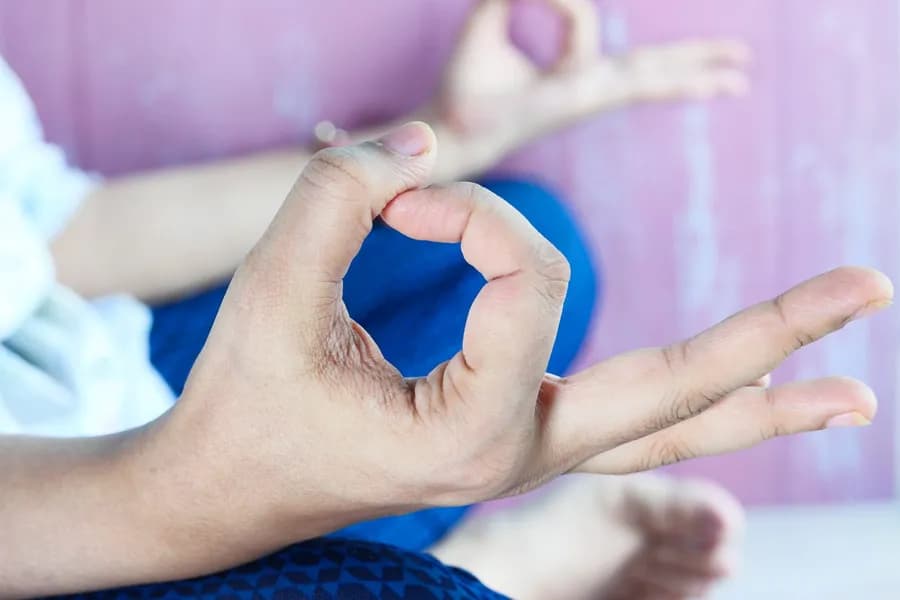
Gyan Mudra: How to Do It and Its Benefits for Focus and Memory
Practice Gyan Mudra with Habuild. Follow the wisdom hand gesture steps to improve focus, reduce anxiety, and enhance your meditation practice. Start today!

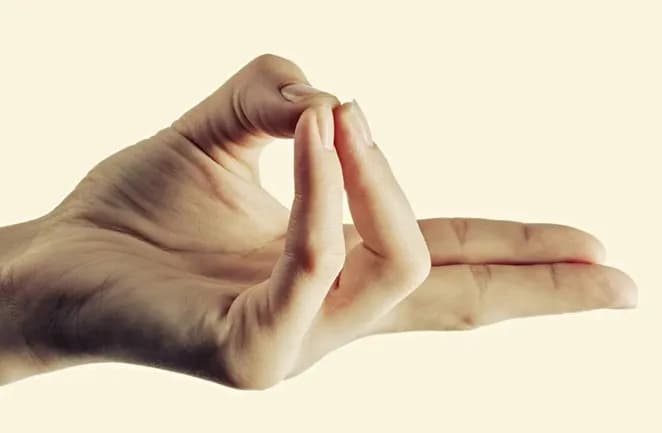
Prana Mudra: How to Practice and Its Life Energy Benefits
Practice Prana Mudra with Habuild. Follow the life force hand gesture steps to boost energy, strengthen immunity, and improve your eye health. Start today!
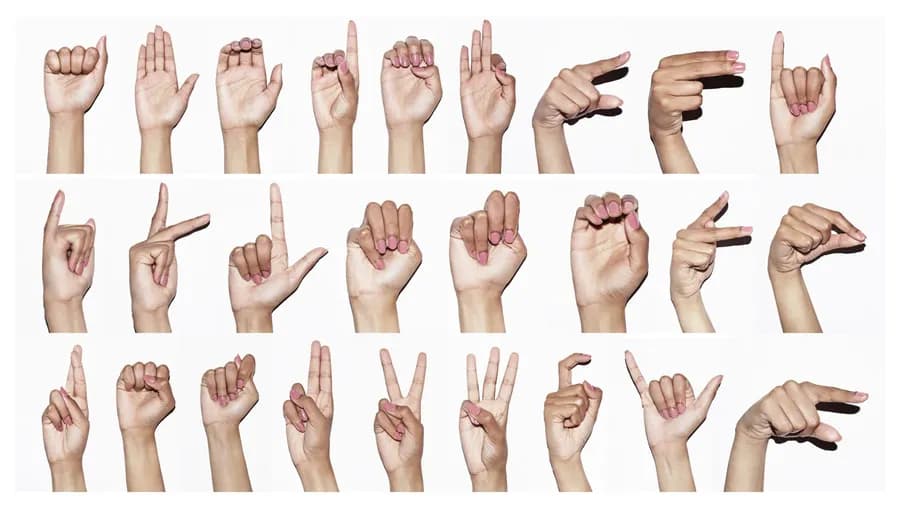
Hasta Mudras: A Complete Guide to Hand Gestures and Their Benefits
Practice hasta mudras with Habuild. Explore the best yoga hand gestures to balance the five elements, direct prana, and support health and healing. Start today!