
Mudra for Headache (Mahasirs Mudra): Steps, Benefits and Precautions
This gesture relieves tension, sinus, and stress-related headaches by calming the nervous system and activating specific marma points. See the steps,
Key Takeaways
- Practised for just 6-15 minutes at headache onset for measurable relief without medication.
- In yogic anatomy, headaches reflect a combined Vata and Pitta imbalance – air and fire excess.
- Apana Vayu Mudra is specifically used when headache comes with nausea or chest heaviness.
- Shunya Mudra is the specific choice for headaches accompanied by ear pressure or tinnitus.
- Targets the trapezius, suboccipital, and temporal muscles behind most tension headaches.
- Sudden or recurring headaches with neurological symptoms need medical evaluation, not mudras alone.
What is Mudra for Headache?
In yogic anatomy, headaches are commonly attributed to an imbalance of Vata and Pitta doshas — excess air and fire energy that creates pressure, heat, and tension in the head and neck region. Hand mudras address these imbalances by applying deliberate pressure to fingertip marma points corresponding to the head, sinuses, and nervous system, directing prana away from the areas of excess and restoring energetic balance.
The most widely recommended mudra for headache is Mahasirs Mudra (the Great Head Mudra), whose very name indicates its direct association with the head region. It reduces sinus tension, promotes venous drainage from the cranium, and activates the parasympathetic response that counters the stress-headache cycle. Apana Vayu Mudra is used when headache is accompanied by nausea or chest heaviness, and Shunya Mudra for headaches with ear pressure or tinnitus.
Important: Mudras are most appropriate for tension-type and sinus headaches. Severe, sudden, or recurring headaches — particularly those with neurological symptoms — require medical evaluation and should not be managed with mudras alone.
Mudra for Headache Benefits
Physical Benefits
- Reduces Muscular Tension in the Head and Neck Mahasirs Mudra activates energy channels associated with the head and neck, helping relax the trapezius, suboccipital, and temporal muscles — the primary muscular contributors to tension headache. Regular practice reduces the baseline tension that makes these muscles prone to painful spasm.
- Relieves Sinus Pressure The ring finger position in Mahasirs Mudra reduces the earth element, which governs mucus production and sinus tissue in Ayurvedic anatomy. This reduction alleviates the frontal pressure of blocked sinuses — a common cause of headache during seasonal changes or allergic states.
- Improves Circulation to the Head Combined with slow nasal breathing, mudra practice increases blood oxygen levels and encourages better venous return from the cranial region, relieving the congested-vascular component of headaches caused by screen fatigue, forward-neck posture, or prolonged concentration.
- Interrupts the Stress-Headache Cycle Stress headaches are driven by cortisol and sympathetic nervous system activation. Mudra practice shifts tone toward parasympathetic dominance, interrupting the hormonal cascade. For people who develop headaches regularly at the end of the workday, consistent mudra practice reduces baseline stress and the frequency of headache onset over time.
- Reduces Sensory Hypersensitivity Many headaches amplify light and sound sensitivity. The meditative quality of holding a mudra — eyes closed, breath slow, attention internal — provides sensory withdrawal (Pratyahara) that reduces incoming stimulus load and lessens the pain amplification it produces.
Mental and Emotional Benefits
How to Do Mahasirs Mudra — Step-by-Step Instructions
Key Principles
Practise seated with the spine upright and head in neutral alignment. A slumped posture — which is often the same posture that caused the headache — reduces the effectiveness of the gesture. Eyes are closed and the jaw is deliberately relaxed.
1 Step 1: Sit Upright
Sit on a chair or cross-legged on the floor. If using a chair, feet flat, spine long. Lift gently through the crown of the head. Allow the shoulders to drop away from the ears completely before forming the gesture.
2 Step 2: Form Mahasirs Mudra
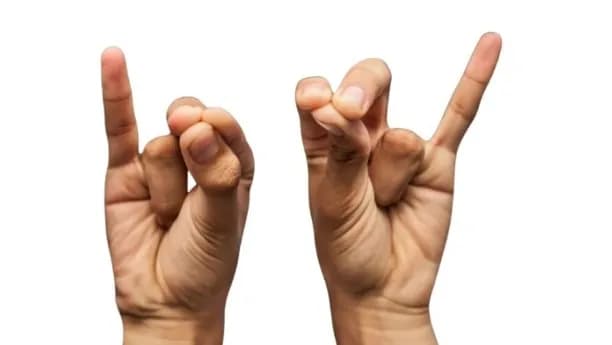
Bring the tips of the thumb, index finger, and middle finger together simultaneously — all three tips touching. Fold the ring finger so its tip rests at the base of the thumb. Extend the little finger straight out. Form this gesture identically on both hands.
3 Step 3: Rest Both Hands on Thighs
Place each hand on the corresponding thigh, palms facing upward. Wrists level — do not let them droop. The gesture is identical on both sides to complete the bilateral energy circuit.
4 Step 4: Breathe through the Nose
Inhale slowly through both nostrils for a count of four. Exhale for a count of six. If sinus congestion makes nose breathing difficult, begin with slightly fuller breaths — the passages typically clear within three to four minutes.
5 Step 5: Hold for 6 to 15 Minutes
For mild headaches, 6 minutes often provides noticeable relief. For moderate headaches, continue to 15 minutes. Practise at the first sign of headache onset for the best results — waiting until pain peaks significantly reduces effectiveness.
6 Step 6: Release
Open the fingers gently. Turn palms face-down on the thighs for 30 seconds to ground the energy, then return to neutral resting position. Take two normal breaths before opening the eyes.
Breathing in Mudra for Headache
Long, slow nasal exhalations are the priority. If facial pressure is significant, exhale gently through the mouth on alternate cycles to release sinus build-up. Never hold the breath during headache mudra practice.
Preparatory Practices Before Mudra for Headache
- Gentle neck rolls — 5 circles each direction: Releases suboccipital tension that directly contributes to tension headache before the mudra begins.
- Sheetali Pranayama (Cooling Breath) — 5 rounds: Cools Pitta-driven, heat-related headaches by inhaling through a curled tongue.
- Eye palming — 30 seconds: Cup both palms over closed eyes, allowing the warmth to relax the ocular muscles and reduce eye-strain-related pain.
Variations of Mudra for Headache
Variation 1: Apana Vayu Mudra — Headache with Nausea (Beginner)
Fold the index finger to the base of the thumb. Bring the tips of the middle and ring fingers to meet the thumb tip. Extend the little finger. Used when headache is accompanied by nausea, racing heart, or chest heaviness. Hold for 10 minutes.
Variation 2: Shunya Mudra — Headache with Ear Pressure (Beginner)
Fold the middle finger and press it at the base of the thumb; keep all other fingers extended. Effective for headaches with tinnitus, ear congestion, or travel-related sinus pressure. Hold 5 to 7 minutes on each side.
Variation 3: Vayu Mudra — Throbbing, Vata-Type Headache (Beginner)
Fold the index finger to the base of the thumb and press the thumb over the first knuckle. Most effective for pulsing, throbbing headaches and those accompanied by dizziness or sensitivity to movement.
Common Mistakes to Avoid in Mudra for Headache
- Using Only One Hand Mahasirs Mudra requires both hands simultaneously to complete the bilateral energy circuit. Single-hand practice reduces effectiveness significantly.
- Sitting in the Same Posture That Caused the Headache Forward-neck posture is a leading trigger for tension headache. Practising mudra in the same position that created the problem limits the relief available. Sit against a wall if necessary to maintain neutral neck alignment.
- Waiting for Pain to Peak Before Beginning Using mudra at the first warning sign of headache onset — eye strain, neck tightness, mild frontal pressure — produces significantly better outcomes than starting after pain has intensified.
- Treating Mudra as a Substitute for Medical Assessment Mudras are appropriate for tension and sinus headaches. Headaches that are severe, sudden, progressive, or accompanied by neurological changes require a doctor, not a yoga gesture.
- Start for ₹1 — First 7 Days for ₹1 · Then ₹1,999 for 3 Months 50,000+ members already practising with Habuild every morning
Live daily sessions · Real-time corrections · Cancel anytime
How Habuild Teaches You Mudra for Headache
Those with Tension and Stress Headaches
People who develop headaches after long work hours, screen time, or emotional stress benefit most from Mahasirs Mudra. The gesture directly targets the muscular and nervous system components of tension headache.
Those with Sinus and Allergy-Related Headaches
Mahasirs Mudra’s action on the earth element makes it particularly suited to frontal and sinus headaches caused by allergic congestion, seasonal changes, or cold weather.
Working Professionals with Predictable Afternoon Headaches
For those who reliably develop headaches mid-afternoon, a 10-minute lunchtime mudra practice reduces both frequency and severity over time through consistent nervous system regulation.
Is Mudra for Headache Good for Beginners?
Yes. The Mahasirs Mudra hand position is straightforward and can be learned in a single session. No previous yoga experience is required. The one caveat is that beginners should not substitute mudra for medical assessment when headaches are severe or recurring.
What Consistent Mudra for Headache Practice Produces
Mahasirs Mudra is a reliable, accessible tool for managing the tension, sinus, and stress-related headaches that affect millions of working adults daily. Its three variations — Apana Vayu, Shunya, and Vayu Mudra — extend coverage to headaches with nausea, ear pressure, and throbbing Vata-type pain.
The challenge is not learning the gesture — it is using it consistently, particularly on the days when a building headache makes concentration on anything feel impossible. A structured daily practice that incorporates mudra into a routine morning or evening session removes that friction.
Habuild’s live sessions include pranayama and mudra components that build the daily practice habit without requiring the motivation to start from scratch each time. The consistency these sessions provide is what transforms occasional relief into lasting reduction in headache frequency.
Reached for at the onset of a headache, Mahasirs Mudra can genuinely ease tension in the moment, but the deeper pattern — fewer headaches overall — depends on how often the nervous system gets this calming marma-point input, not just on what you do once pain has already started. Practising it as part of a regular routine, rather than purely reactively, is where the more lasting benefit lies. Habuild’s Yoga Everyday program can help you build that kind of steady, preventive practice.
Frequently Asked Questions
Related Articles

Mudra for High BP: Best Hand Gestures to Lower Blood Pressure
Practice mudra for high BP with Habuild. Follow the best hand gesture steps to lower blood pressure, calm the nervous system, and support heart health. Start!

Vayu Mudra: How to Practice and Its Benefits for Gas and Joint Pain
Practice Vayu Mudra with Habuild. Follow the air element hand gesture steps to relieve gas, reduce joint pain, and balance your nervous system. Start today!
Gyan Mudra: How to Do It and Its Benefits for Focus and Memory
Practice Gyan Mudra with Habuild. Follow the wisdom hand gesture steps to improve focus, reduce anxiety, and enhance your meditation practice. Start today!