
Heart Mudra: How to Practice and Its Benefits for Emotional Balance
Try Heart Mudra with Habuild. Follow heart mudra yoga steps and benefits to open the heart, enhance love, and deepen meditation practice.

Key Takeaways
- Combines elements of two separate mudras – Vayu’s index fold and Prana’s ring-little contact.
- The little finger extends naturally while the other three fingers form the combined shape.
- Understood in yogic physiology as the location of the Atman, the individual soul, in the body.
- Framed as a gentle vehicle for releasing stored grief and emotional armour, not sudden catharsis.
- Always practised alongside appropriate medical management, never as a standalone cardiac fix.
- Anahata means ‘unstruck sound,’ the fourth chakra bridging lower and upper energy centres.
Heart Mudra — known in Sanskrit as Hridaya Mudra — is a yogic hand gesture that directs prana specifically to the heart centre. Formed by folding the index finger to the base of the thumb and simultaneously joining the middle and ring finger tips to the thumb, with the little finger extending, it supports cardiovascular health, activates the Anahata chakra, and cultivates the qualities of love, compassion, and emotional healing.
What is Heart Mudra?
Heart Mudra — Hridaya Mudra in Sanskrit, where Hridaya means both the physical heart and the spiritual heart centre — is a yogic hand gesture that combines elements of two separate mudras into a single formation that specifically channels prana (vital life force) to the Anahata chakra and the cardiac region. The index finger folds to the base of the thumb (the Vayu Mudra element, reducing excess air and calming the mind’s restlessness); simultaneously, the middle and ring finger tips join the thumb tip (the Prana Mudra element, activating earth, water, and fire elements to vitalise the life force); and the little finger extends naturally. This combined elemental action specifically directs the revitalised prana toward the cardiac centre.
In yogic physiology, the heart (Hridaya) is understood as far more than a cardiac muscle: it is the seat of individual consciousness, the centre of love and compassion (Anahata — ‘unstruck sound,’ the fourth chakra), the bridge between the physical lower chakras and the transcendent upper chakras, and the location of the Atman — the individual soul’s dwelling in the body. Heart Mudra’s prana-directing action supports both the physical cardiac function and the psychological heart qualities of love, compassion, empathy, and the courageous emotional openness that the fully activated Anahata chakra produces.
The heart is also understood as the seat of stored emotional experience — the centre where grief, heartache, unprocessed loss, and the accumulated emotional armour of protective contraction accumulate over a lifetime. Heart Mudra, practised with conscious heart-centred breathing and the genuine intention of compassionate self-care, provides a gentle and safe vehicle for the progressive release of this stored emotional holding — not by force or dramatic catharsis but by the patient, daily provision of warm, attentive prana to the heart centre.
Heart Mudra Benefits
Physical Benefits
- Supports Cardiovascular Health and Reduces Palpitations Heart Mudra’s specific prana-directing action to the cardiac centre is consistently associated with supporting heart rhythm regularity, reducing the anxiety-driven palpitations that stress and autonomic imbalance produce, and promoting overall cardiovascular wellbeing. It is one of the most widely recommended complementary yogic practices for heart health — always alongside appropriate medical management for any cardiac condition, never as a standalone intervention.
- Directs Healing Prana to the Cardiac Centre The elemental combination of Heart Mudra — air reduction (calming, settling) alongside earth-water-fire activation (nourishing, vitalising) — creates the specific elemental balance that yogic tradition associates with cardiac vitality. The dual action of calming the excess Vata that drives palpitations and anxiety alongside vitalising the earth-water-fire elements that nourish cardiac function is what makes Heart Mudra specifically cardiac-supportive rather than generally beneficial.
Mental and Emotional Benefits
- Activates and Balances the Anahata Chakra The Anahata chakra governs the complete domain of heart-centred experience: love, compassion, empathy, emotional balance, the quality of relationships, and the capacity for genuine, courageous vulnerability. Heart Mudra’s specific prana direction to the heart centre activates and progressively balances these qualities — supporting the emotional openness, relational warmth, and compassionate engagement that Anahata chakra wellbeing produces. Pair with Kapalbhati for energetic clearing before the heart-centred meditation.
- Supports Emotional Healing and Releases Stored Grief Grief, heartache, unprocessed loss, and the emotional armour of self-protection all accumulate in the heart centre over time. Heart Mudra, held with conscious heart-directed breathing and genuine self-compassion, provides a gentle and trustworthy vehicle for the progressive release of this stored emotional holding. Many practitioners find that consistent Heart Mudra practice produces a quality of emotional softening, increased ease in feeling, and progressive relief from the weight of long-carried grief.
- Develops Compassion, Self-Love, and Empathetic Presence Consistent Heart Mudra practice cultivates the qualities of the fully open heart — genuine compassion for others, self-compassion for oneself, and the empathetic presence that characterises emotional intelligence and genuine human connection. These are not qualities that can be forced into existence; they arise naturally from the consistent provision of warm, attentive prana to the heart centre that this mudra facilitates.
How to Do Heart Mudra — Step-by-Step Instructions
Key Principles
Key Principles One primary principle governs Heart Mudra practice above all others: heart-centred breathing must accompany the gesture. Each inhalation directed consciously to the heart centre — visualised as prana flowing in and expanding the cardiac space — and each exhalation expanding from the heart outward in all directions. The mudra without this heart-directed breathing produces only a fraction of its therapeutic and meditative benefit.
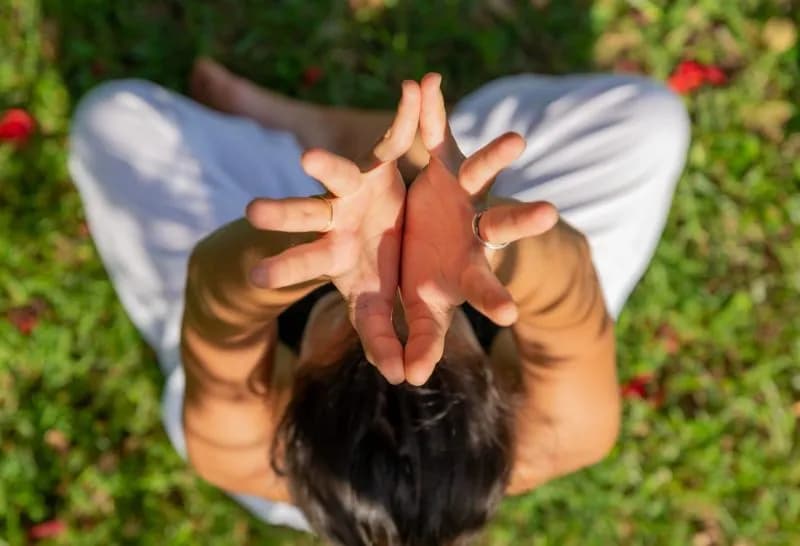
Heart Mudra — Step by Step Step 1: Establish the Heart-Opening Posture Sit in Sukhasana, Padmasana, or Vajrasana — spine erect, chest gently lifted and open. The chest should feel available and receptive — neither pulled back in guard nor forced forward in performance. Take two to three breaths into the heart space, allowing the chest to receive each inhalation with ease.
Step 2: Rest Hands on Knees, Palms Upward Rest both hands on the respective knees, palms upward — the upward-facing palms a gesture of receptivity and openness that mirrors the heart-centred intention of the practice.
Step 3: Fold the Index Finger to the Thumb Base In each hand: fold the index finger inward until its pad touches the base of the thumb. This is the Vayu Mudra element — reducing the excess air that produces the mental restlessness and cardiac anxiety that the practice is designed to settle.
Step 4: Bring Middle and Ring Fingertips to the Thumb Tip Simultaneously: bring the tips of both the middle finger and the ring finger to touch the tip of the thumb — a two-finger contact with the thumb tip alongside the folded index finger. This is the Prana Mudra element — vitalising the life force with earth-water-fire activation.
Step 5: Allow the Little Finger to Extend Let the little finger extend gently and naturally. Both hands now hold the complete Heart Mudra formation. Close the eyes and begin directing each breath consciously to the heart centre.
Step 6: Heart-Centred Breathing and Hold Hold for 15 to 45 minutes. Each inhale: visualise prana flowing into the heart centre, expanding the chest, warming the cardiac space. Each exhale: the heart’s warmth expanding outward — first to the body, then to loved ones, then to all beings. This progressive heart expansion is the complete Heart Mudra meditation.
Breathing in Heart Mudra
Heart-centred breathing is the essence of Heart Mudra practice — each inhalation drawing prana into the heart, each exhalation expanding the heart’s warmth and compassionate awareness progressively outward. This breathing meditation, when combined with the mudra, constitutes one of the most powerful compassion cultivation practices in the complete yogic tradition. Suryabhedan Pranayam provides complementary solar heart activation.
Preparatory Practices Before Heart Mudra
These practices open the chest and heart region before the heart-centred meditation begins.

- Anahata chakra visualisation (green, heart space) — Establishes heart-directed awareness before the mudra’s prana direction deepens it.
- Bhujangasana (Cobra Pose) — Opens the chest and heart centre physically before the heart prana direction.
- Kapalbhati (3-5 minutes) — Clears the energy channels before the heart-centred activation.
- Metta (loving-kindness) intention setting — Establishing the compassionate, open-hearted intention before the mudra amplifies its emotional quality.
Variations of Heart Mudra
- Variation 1: Heart Mudra at Heart Level — Amplified Holding both Heart Mudra hands at heart level — directly in front of the Anahata chakra rather than resting on the knees — intensifies the cardiac prana direction and is specifically recommended for practitioners using the mudra for emotional healing, grief processing, or deep Anahata chakra activation.
- Variation 2: Heart Mudra with Metta Meditation — Complete Practice Combining Heart Mudra with the complete Metta (loving-kindness) meditation — progressively extending goodwill from self to loved ones to neutral people to difficult people to all beings — creates the most comprehensive heart opening practice in the complete yogic and Buddhist traditions, combining mudra, breath, and compassion cultivation simultaneously.
- Variation 3: Heart Mudra During Difficult Emotional Periods Heart Mudra held for ten to fifteen minutes during periods of acute grief, heartache, or emotional pain provides immediate self-compassionate support — the gesture’s prana direction to the heart and the self-compassionate intention of the practice meeting the emotional difficulty with warm, attentive care rather than suppression or overwhelm.
Common Mistakes to Avoid in Heart Mudra
- Practising Without Heart-Centred Breathing Heart Mudra without the heart-directed breath is significantly less effective — the mudra is the formation, but the breath is the vehicle that carries the activated prana to the cardiac centre. Practitioners who hold the formation while breathing normally without directing the breath consciously to the heart miss the primary therapeutic mechanism of the practice.
- Confusing Heart Mudra with Vayu Mudra Vayu Mudra uses only the index-to-thumb-base contact — no middle and ring fingers on the thumb tip. Heart Mudra adds the middle and ring finger contacts simultaneously, creating the specific Prana Mudra element that vitalises the life force for cardiac direction. The two formations are related but distinct, and the additional contacts are essential to Heart Mudra’s cardiac-specific effect.
- Holding the Chest in a Contracted or Guarded Position The heart centre cannot receive prana when the chest is contracted and guarded — the physical protection of a closed chest prevents the emotional openness that the mudra cultivates. Gently lift and open the chest before and throughout the practice, allowing the gesture’s opening quality to be physically embodied rather than contradicted by the posture.
- Approaching the Practice as a Mechanical Technique Heart Mudra is among the practices where the quality of intention matters most. Approached as a mechanical technique — forming the correct fingers without genuine heart-directed attention — it produces minimal benefit. The practice asks for genuine, compassionate, attentive presence with the heart centre — the quality of care that transforms a hand position into a genuine opening practice.
Who Should Practise Heart Mudra?
- Those Seeking Cardiovascular Wellness Support Heart Mudra is the most directly cardiac-supportive yogic mudra — recommended as a complementary daily practice for heart health, palpitation reduction, and cardiovascular vitality alongside appropriate medical management for any cardiac condition.
- Those Processing Grief, Heartache, or Emotional Pain Heart Mudra’s prana-directing and heart-opening quality provides a gentle, safe, and self-compassionate vehicle for processing emotional pain — making it specifically valuable during periods of loss, relationship difficulty, grief, or the accumulated emotional holding that many practitioners carry for years without a reliable release vehicle.
- Those Developing Compassion and Loving-Kindness For practitioners whose primary intention is the cultivation of compassion, empathy, and loving-kindness — whether for meditation development, interpersonal work, or professional service in caring roles — Heart Mudra provides the most direct and focused heart-chakra activation and compassion cultivation available through mudra practice.
- Is Heart Mudra Good for Beginners? Yes — the formation is accessible within the first session, and the heart-centred breathing that makes it most effective is a natural extension of normal breath attention. The primary learning is developing the quality of genuine, compassionate heart-directed attention that elevates the practice from mechanical to genuinely therapeutic.
Make Heart Mudra a Part of Your Daily Practice
Heart Mudra is the yoga tradition’s most direct and accessible approach to the heart centre — its specific prana-directing elemental combination activating cardiovascular vitality, opening the Anahata chakra, supporting emotional healing, and cultivating the compassionate, loving-kind awareness that both personal wellbeing and genuine human connection require. The heart centre responds uniquely to consistent, warm, attentive daily practice.
Whether you are using Heart Mudra for cardiac health support, processing emotional difficulty with self-compassion, developing a Metta meditation practice, or opening the Anahata chakra within a complete chakra curriculum, the formation is immediately accessible and the heart-opening quality deepens meaningfully with daily consistency over weeks and months.
The most effective way to learn Heart Mudra correctly — with precise formation guidance, heart-centred breathing instruction, and the compassion cultivation context that makes this practice genuinely transformative — is under live expert guidance with Habuild.
Start your 14 day free yoga journey with Habuild, today!
Related reads: Mudra for Heart: Apana Vayu Mudra, Hridaya Mudra & Heart Chakra Practices · Apana Vayu Mudra: How to Practice and Its Benefits for Heart Health
Heart Mudra’s effect on emotional openness tends to unfold slowly, the way most inner shifts do, through daily repetition rather than a single meditation sit. Pair it with a consistent practice and give it weeks, not minutes, to actually soften old patterns. Habuild’s Yoga Everyday program can help you keep that daily practice going.
Frequently Asked Questions
Related Articles
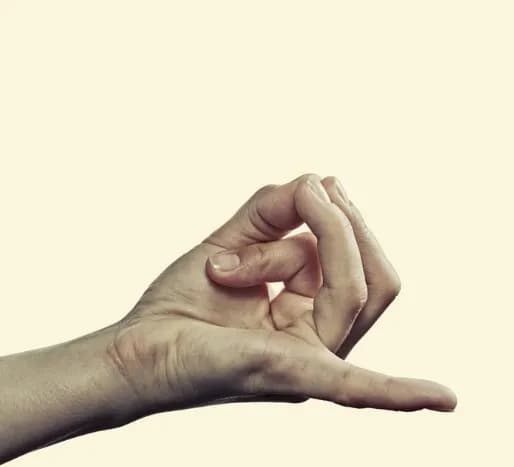
Apana Vayu Mudra: How to Practice and Its Benefits for Heart Health
Practice Apana Vayu Mudra with Habuild. Follow the heart gesture steps to support heart health, reduce palpitations, and calm the nervous system. Start today!


Mudra for High BP: Best Hand Gestures to Lower Blood Pressure
Practice mudra for high BP with Habuild. Follow the best hand gesture steps to lower blood pressure, calm the nervous system, and support heart health. Start!
Mudra for Hypertension: Best Gestures for Heart Health and Calm
Practice mudra for hypertension with Habuild. Follow the best hand gesture steps to manage high blood pressure and support cardiovascular health. Start today!
Dhyana Mudra: How to Practice and Its Benefits for Meditation
Practice Dhyana Mudra with Habuild. Follow the meditation hand gesture steps to calm the mind, deepen concentration, and support your daily practice. Start!