
Mudra for Weight Loss: Top Yoga Mudras to Support Healthy Body Composition
Surya Mudra, Linga Mudra, Kubera Mudra, and Vayu Mudra each work through different traditional energetic mechanisms associated with metabolic regulation.

Key Takeaways
- Surya, Linga, Kubera, and Vayu Mudra are the four most commonly recommended gestures.
- Explicitly states mudras alone do not produce significant weight loss by modern research standards.
- Their genuine contribution is stress reduction, which lowers cortisol-driven fat storage.
- Kubera and Vayu Mudra are traditionally linked instead to improved digestive function.
- Framed honestly as complementary practices, never standalone weight-loss interventions.
- Most effective when paired with the dynamic asana practice that drives real body composition change.
What is Mudra for Weight Loss?
Mudra for Weight Loss refers to a category of classical yoga hand gestures (mudras) that traditional yogic teachings associate with metabolic regulation, energy balance, and supportive effects on healthy weight management. Pronounced MOO-drah, the term derives from the Sanskrit word meaning seal, gesture, or symbolic position. The most commonly recommended mudras for this purpose include Surya Mudra (Sun Mudra), Linga Mudra (Upward Mudra), Kubera Mudra (Mudra of the Wealth God), and Vayu Mudra (Air Mudra) — each working through different traditional energetic mechanisms to support metabolism, fat reduction, or digestive function.
⚠️ Important honesty note: Mudras alone do not produce significant weight loss. Modern scientific research has not validated the strong weight-loss claims that some traditional sources make about these gestures. What mudras genuinely offer is supportive practice — they may reduce stress (lowering cortisol-driven fat storage), improve digestion, and support the broader yoga practice that does meaningfully contribute to weight management. The honest framing is that mudras are complementary practices, not standalone weight-loss interventions. Sustainable weight management requires consistent diet, regular physical activity, and lifestyle factors that mudras alone cannot replace.
In the broader yoga system, mudras for weight loss belong to the family of therapeutic mudras alongside mudras for digestion, mudras for sleep, mudras for blood pressure, and mudras for various other conditions. They are most commonly practised as part of broader yoga practice — never as standalone weight loss interventions. Members focused on broader weight management often pair these mudras with ouryoga asanas for weight loss programme, which provides the dynamic asana practice that produces measurable body composition change.
Mudra for Weight Loss Benefits
Physical Benefits
Benefit 1: May Support Metabolism through Traditional Mechanisms
Surya Mudra in particular is associated traditionally with increasing the body’s “fire element” (agni) — believed to support metabolism and digestive function. While these traditional claims are not fully validated by modern research, the gentle physical activation of the gesture may complement broader metabolic support. Members focused on broader weight management often pair their work with ouryoga asanas for weight loss programme.
Benefit 2: Supports Digestive Function
Several weight-loss mudras (notably Kubera Mudra and Vayu Mudra) are traditionally associated with improved digestive function — supporting the gut health that healthy weight management depends on. Members managing concurrent digestive concerns often pair their work with ouryoga for digestion programme.
Benefit 3: Reduces Stress-Driven Eating
The calming effect of mudra practice reduces cortisol — addressing the stress-driven eating patterns that drive weight gain in many adults. This is the most evidence-supported mechanism by which mudras may support weight management.
Mental and Emotional Benefits
Benefit 4: Builds Daily Practice Habit and Discipline
Daily mudra practice (even 5–10 minutes) builds the discipline foundation that broader weight management requires. The simple accessibility makes mudra practice sustainable across years.
Benefit 5: Reduces Stress and Emotional Overeating
Mudras’ parasympathetic-activating effect reduces the chronic stress that drives emotional eating patterns. Members focused on broader stomach concerns often pair their practice with ouryoga for stomach programme.
Benefit 6: Supports Body Awareness and Mindful Eating
The body awareness developed through mudra practice extends naturally into eating awareness — supporting the mindful eating that sustainable weight management depends on. Members focused on broader belly fat concerns often pair their work with ouryoga for belly fat programme.
How to Do Mudra for Weight Loss — Step-by-Step Instructions
Key Principles
Three foundational principles must be in place: practise on an empty or lightly-fed stomach, sit comfortably with spine erect (Sukhasana, Svastikasana, or seated in chair), and combine mudra practice with broader yoga and lifestyle changes for meaningful weight management effects.
Step 1: Starting Position (Comfortable Seated Posture)
Sit in any comfortable seated position — Sukhasana, Svastikasana, Siddhasana, or in a chair with spine erect. Take three steady breaths to settle into presence.
Step 2: Surya Mudra (Sun Mudra) — Press Thumb Down on Ring Finger
The most commonly recommended weight loss mudra. Bend the ring finger inward and press the tip of the thumb firmly onto the bent ring finger — keeping the other three fingers extended straight. The gesture is traditionally believed to increase fire element and metabolism.
Step 3: Linga Mudra — Interlock Fingers with Thumb Upward
Interlock the fingers of both hands, then keep the left thumb extended straight upward (the right thumb wraps around the left). This mudra is traditionally associated with generating body heat that may support fat reduction. Practise 10–15 minutes per session.
Step 4: Kubera Mudra — Touch Thumb, Index, and Middle Finger
Touch the tips of the thumb, index finger, and middle finger together while extending the ring and little fingers. This mudra is associated with prosperity but also with focused intention — useful when set with the intention of healthy body composition.
Step 5: Final Position — Combine Mudras Across the Practice Session
For a complete weight-loss-supportive practice, hold each mudra for 10–15 minutes, alternating across a 30–45 minute session. Combine with steady deep breathing and a centred meditative attitude. Practise daily for cumulative effect.
Step 6: How to Come Out of Mudra Practice
After completing the mudra session, gently release the hand position and return the hands to relaxed position on the knees. Sit in stillness for 1–2 minutes to integrate the practice. Always combine mudra practice with broader yoga asana practice and supportive lifestyle factors.
Breathing in Mudra for Weight Loss
The breath in weight-loss mudras follows a steady, deep diaphragmatic pattern — slow nasal inhales of 4–6 counts, slow nasal exhales of 6–8 counts. The longer exhalation supports parasympathetic activation, which reduces the cortisol that drives stress-related fat storage. Combine with simple breath awareness.
Preparatory Poses Before Mudra for Weight Loss
Preparation focuses on establishing comfortable seated posture and presence.
Sukhasana (Easy Pose)
The simplest comfortable seated posture for mudra practice.
Diaphragmatic Breathing
Three rounds of slow deep breathing prepare the nervous system.
Anjali Mudra
A brief Anjali Mudra at the heart centre establishes presence before specific weight-loss mudras begin.
Cat-Cow (Marjaryasana-Bitilasana)
Gentle spinal mobility before sitting still supports comfortable seated mudra practice.
Variations of Mudra for Weight Loss
Variation 1: Surya Mudra (Sun Mudra) — Most Recommended
Difficulty: All Levels The most commonly cited weight-loss mudra. Performed with the thumb pressing down on the bent ring finger, other fingers extended. Traditionally associated with metabolism support.
Variation 2: Linga Mudra (Upward Pointing Mudra)
Difficulty: All Levels Interlocked fingers with one thumb extended upward. Traditionally associated with generating body heat.
Variation 3: Vayu Mudra (Air Mudra)
Difficulty: All Levels The thumb presses down on the bent index finger, other fingers extended. Traditionally associated with regulating air element and may support digestive gas reduction.
Variation 4: Combined Mudra Sequence
Difficulty: All Levels Practising multiple mudras in sequence (10 minutes each) within a single session — provides comprehensive support across different traditional mechanisms. Members focused on broader body composition often pair their work with ouryoga for stomach programme.
Common Mistakes to Avoid in Mudra for Weight Loss
- Mistake 1: Expecting Mudras Alone to Produce Significant Weight Loss The most damaging misconception. Mudras alone do not produce meaningful weight loss — claims that they do are not supported by modern research. Correction: practise mudras as supportive complement to consistent diet, exercise, and broader yoga asana practice — not as standalone weight loss interventions.
- Mistake 2: Practising Inconsistently Sporadic practice produces minimal effect even within the modest benefits mudras genuinely offer. Correction: aim for daily 15–30 minute practice; consistency matters more than session length.
- Mistake 3: Pressing the Fingers Too Forcefully Some practitioners press the fingers with excessive force — eliminating the gentle quality of the practice and potentially causing finger discomfort. Correction: maintain firm but gentle pressure; the gesture should feel comfortable.
- Mistake 4: Skipping the Broader Yoga and Lifestyle Practice Practising mudras while ignoring asana, breath work, diet, and movement produces minimal results. Correction: integrate mudra practice into a comprehensive yoga and lifestyle approach. Members focused on broader weight management often pair their work with ouryoga asanas for weight loss programme.
- Mistake 5: Believing Marketing Claims Without Honest Investigation Many online sources make exaggerated claims about mudras for weight loss. Correction: practise mudras for their genuine benefits (stress reduction, presence, daily practice habit) and place realistic expectations on their weight-loss support. The comprehensive yoga practice — not the mudras alone — produces measurable results.
Who Should Practise Mudra for Weight Loss?
- Those Building Comprehensive Yoga Practice for Weight Management The audience that benefits most. Practitioners with established yoga foundation who want to add supportive mudra practice find these gestures a useful complement to broader weight management efforts. Members focused on broader weight management often pair their work with ouryoga asanas for weight loss programme.
- Are Mudras for Weight Loss Good for Beginners? Yes — mudras are universally accessible from the first session. However, beginners should set realistic expectations: mudras alone do not produce weight loss; they support broader practice. Members managing concurrent stomach concerns often pair their work with ouryoga for stomach programme.
- Working Professionals Managing Stress-Related Weight Concerns Office workers and stressed adults whose weight challenges are partly stress-driven benefit from daily mudra practice — the parasympathetic activation reduces cortisol and the stress-eating patterns it drives. Members focused on broader belly fat concerns often pair their work with ouryoga for belly fat programme.
- Those Building Mindful Eating and Lifestyle Habits For those building broader mindful eating practices, mudras serve as a centring tool that supports the awareness sustainable weight management requires. Members managing concurrent digestive concerns often pair their work with ouryoga for digestion programme.
Mudras for weight management are best understood as one supportive piece of a bigger picture — alongside diet and movement, not instead of them — and their effect on metabolic regulation and energy balance is cumulative, built through daily repetition rather than an occasional session. Picking one or two from this list and practising them consistently will get you further than trying all of them once. Habuild’s Yoga Everyday program can help fold that kind of consistent practice into your day.
Frequently Asked Questions
Related Articles

Gyan Mudra: How to Do It and Its Benefits for Focus and Memory
Practice Gyan Mudra with Habuild. Follow the wisdom hand gesture steps to improve focus, reduce anxiety, and enhance your meditation practice. Start today!

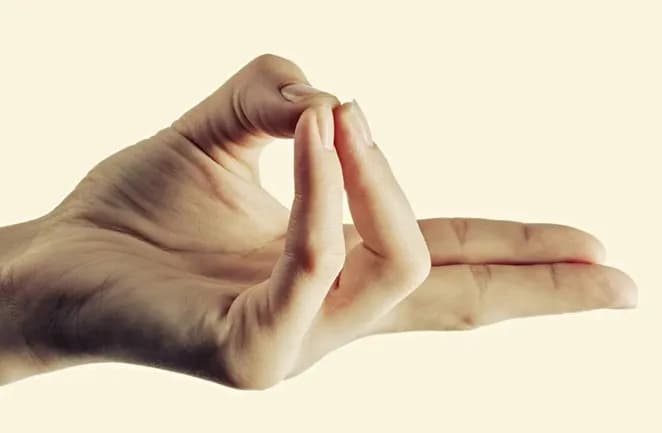
Prana Mudra: How to Practice and Its Life Energy Benefits
Practice Prana Mudra with Habuild. Follow the life force hand gesture steps to boost energy, strengthen immunity, and improve your eye health. Start today!
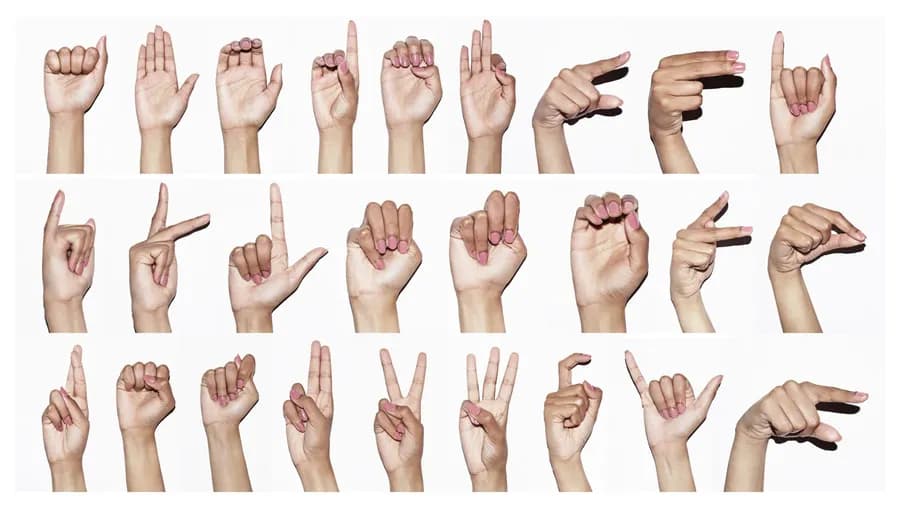
Hasta Mudras: A Complete Guide to Hand Gestures and Their Benefits
Practice hasta mudras with Habuild. Explore the best yoga hand gestures to balance the five elements, direct prana, and support health and healing. Start today!