
Sacral Chakra Mudra: Hand Gestures for Svadhisthana, Creativity & Emotional Flow
Svadhisthana, the sacral chakra, sits in the lower abdomen and represents creativity, sensuality, and emotional flow — specific hand gestures are used to
Key Takeaways
- Svadhisthana, the sacral chakra, sits between the navel and pubic bone in tantric anatomy.
- Classical texts describe it as a six-petalled lotus governed by the water element.
- The gesture specifically joins the little fingers, associated with the water element.
- Practitioners typically progress to it after working through the root chakra mudra first.
- Modern chakra traditions link it to eased emotional stagnation and creative expression.
- Associated in yogic anatomy with subtle support for reproductive and lower digestive function.
What is a Sacral Chakra Mudra?
In the seven-chakra system of tantric yoga, the svadhisthana chakra is the second energy centre — sitting just above the root chakra, in the lower abdominal region between the navel and the pubic bone. The chakra is described in classical texts as a six-petalled lotus, orange in colour, governed by the water element (jala) and associated with creativity, sensuality, emotional flow, healthy relationships and the deep “juiciness” of being alive in a body.
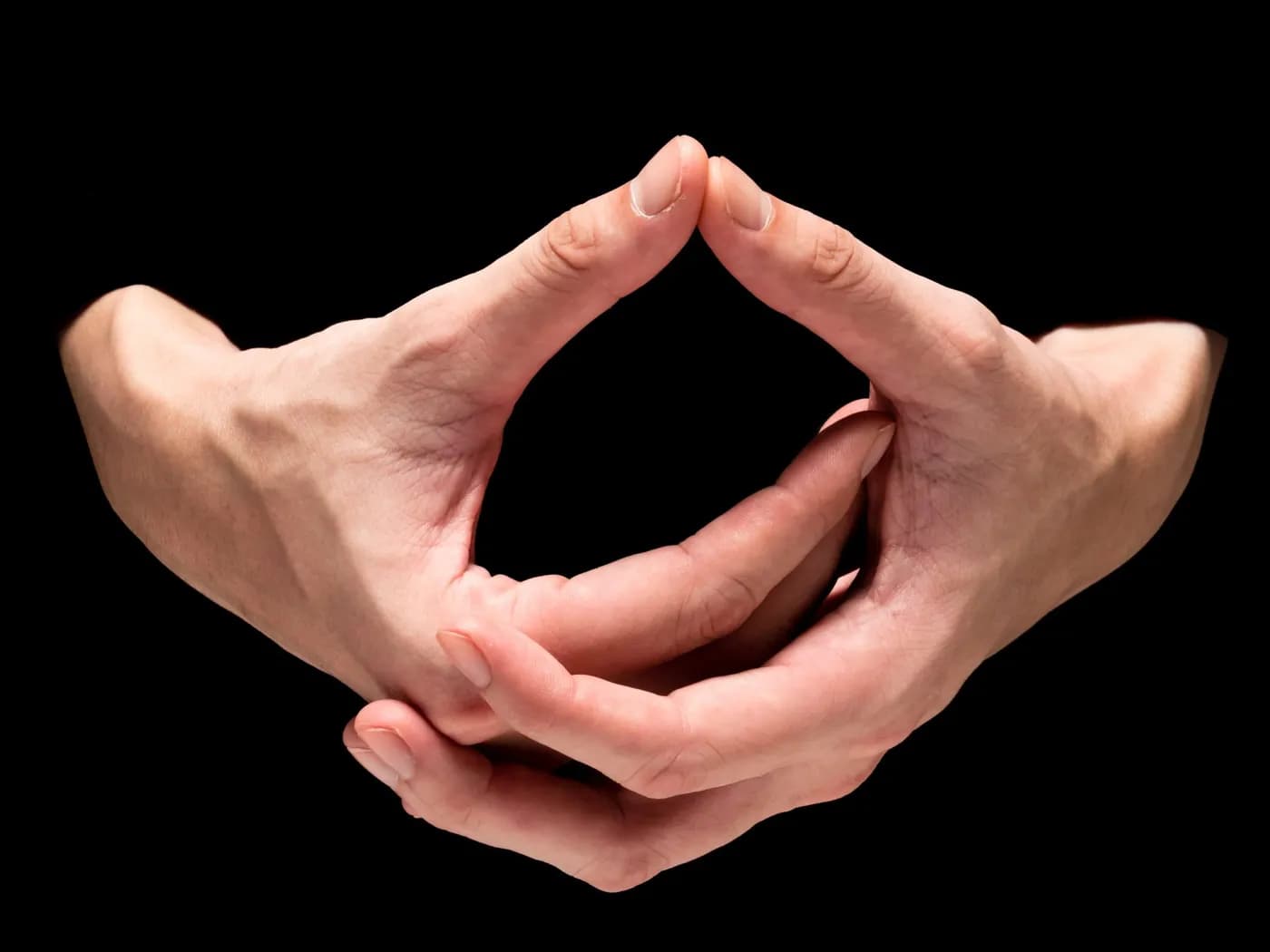
A mudra for sacral chakra activation works by directing pranic flow toward this lower-abdominal region, supporting the water-element balance and the smooth flow of creative and emotional energy. The sacral chakra hand mudra specifically uses the little fingers (associated with the water element) joined together, with both hands resting in the lap below the navel — physically anchoring attention at the svadhisthana centre. Many practitioners progress through the chakra system in sequence, working from theroot chakra mudra upward; the sacral chakra is the next progression.
In modern chakra healing traditions associated with Anodea Judith’s work and many Reiki lineages, the sacral chakra mudra benefits are described as enhanced creative expression, eased emotional stagnation, healthier relationships, restored sensual aliveness and resolution of stuck patterns around pleasure, intimacy and self-expression.
Sacral Chakra Mudra Benefits
Physical Benefits
1. Supports Lower-Abdominal and Reproductive Health The lower-abdominal placement of the gesture is associated in yogic anatomy with subtle support for the reproductive organs, urinary system and lower digestive function. Combine with yoga for hormonal balance for women experiencing cycle-related disruption.
2. Eases Lower-Back Tension Linked to Pelvic Stagnation Daily practice with focused breath into the lower abdomen is associated with eased tension in the lower back, sacrum and hip-flexor region.
3. Supports Healthy Water-Element Balance The little-finger contact in the sacral chakra mudra activates the water element (jala mahabhuta) — supporting hydration, smooth fluid circulation and skin moisture over weeks of practice.
4. Improves Pelvic-Floor Awareness The physical anchoring at the lower abdomen builds awareness of the pelvic-floor region, which is foundational for both physical health and energetic work.
Mental and Emotional Benefits
5. Releases Emotional Stagnation The sacral chakra is the seat of emotional flow. Daily practice is associated with eased grief, less stuck-ness in old patterns and renewed sense of emotional movement over weeks.
6. Restores Creative Aliveness Many practitioners report returning creative inspiration, easier flow in artistic work and renewed enthusiasm for projects after 4–6 weeks of consistent sacral chakra work.
7. Supports Healthier Relationships The chakra governs intimacy, boundaries and the give-and-take of healthy relationships. Daily practice gradually shifts the felt sense of how the practitioner shows up in connection with others.
8. Eases Sensual Numbness or Disconnection For practitioners working through trauma-related disconnection from the body, the gentle sacral focus can support gradual reintegration alongside professional therapy. Pair the practice with structured yoga for stress management for full nervous-system support.
How to Do Mudras for Sacral Chakra — Step-by-Step
Mudra 1: Sacral Chakra Mudra (Shakti Mudra) — the Primary Gesture
Step 1: Sit in sukhasana or on a chair with feet flat. Spine tall, shoulders soft. Step 2: Bring both hands to the lap, palms facing upward, fingers extended. Step 3: Touch the little fingertips together at the point where the hands meet in the lap. Step 4: Rest the gesture below the navel, in front of the lower abdomen. Step 5: Begin slow diaphragmatic breath — inhale 4, exhale 6. Imagine the breath expanding into the lower abdomen. Step 6: Hold for 10–15 minutes daily, ideally morning.
Mudra 2: Dhyana Mudra at the Lower Abdomen — Receptive Variation
Step 1: Rest the right hand on top of the left hand, palms upward, both in the lap. Step 2: Touch the thumb tips lightly to form a soft circle. Step 3: Hold below the navel, breathing slowly into the lower abdomen for 15–20 minutes.
Mudra 3: Yoni Mudra — for Deeper Sacral Work
Step 1: Bring both palms together at the lower abdomen, fingers and thumbs touching. Step 2: Open the palms slightly to form a small diamond shape between the index fingers and thumbs (the “yoni” shape). Step 3: Hold 5–10 minutes for focused sacral activation. The dedicatedshakti mudra page covers related feminine-energy gestures.
Mudra 4: Bhumi Sparsha Mudra — Earth-Touching for Grounding
Step 1: Right hand rests on the right knee with fingertips touching the ground (or thigh if on a chair). Step 2: Left hand rests palm-up in the lap. Step 3: Hold 10 minutes to ground sacral work in the body before progressing upward.
Breathing in Sacral Chakra Mudras
Pair with slow diaphragmatic breath into the lower abdomen — visibly expanding the belly with each inhale. Add bhramari pranayama before the mudra for nervous-system calm.
Preparatory Practices Before Sacral Chakra Mudras
The sacral chakra is a sensitive centre — emotional release can arise during practice. Always prepare gently:
- Hip openers (5 min) — baddha konasana, supta baddha konasana — release pelvic tension.
- 3 rounds of slow anulom vilom — balances the ida and pingala nadis.
- Gentle pelvic tilts (5 rounds) — wakes up the lower-back and sacrum mobility.
- Brief grounding practice — ensures the lower-chakra foundation is stable.
Variations and Sacral Chakra Mantra and Mudra Combinations
Variation 1: Sacral Chakra Mudra with VAM Mantra
Practise the primary sacral chakra mudra while quietly chanting the seed syllable VAM (the bija mantra of svadhisthana) on each exhale. The combined gesture and mantra deepens the chakra activation noticeably.
Variation 2: Sacral Chakra Mudra with Visualisation
Hold the gesture and visualise a glowing orange six-petalled lotus at the lower abdomen, slowly opening with each breath. Useful for practitioners who respond well to imagery.
Variation 3: Sacral Chakra Mudra in Shavasana
Lie on the back with the gesture formed and resting on the lower abdomen. Best for evening practice or when emotional release is anticipated.
Common Mistakes to Avoid in Sacral Chakra Mudra
- Skipping root-chakra grounding before sacral work — the root chakra provides the stability that sacral exploration requires. Without grounding, sacral practice can feel destabilising.
- Pressing the little fingertips together too hard — feather-light contact only.
- Hunching the shoulders forward — collapses the chest and lower abdomen, undoing the gesture’s effect.
- Practising during acute emotional crisis without support — the sacral chakra is the seat of emotion, and intense practice can amplify what is already overwhelming. Approach gently and with professional support if needed.
- Rushing through the practice — sacral work unfolds slowly. Commit to 4–6 weeks of daily 10-minute practice before judging the results.
- Approaching sacral chakra mudra as just a hand position — the symbolic dimension and the focused attention at the lower abdomen are essential parts of the practice.
Who Should Practise Sacral Chakra Mudra?
- People Working through Creative Blocks Writers, artists, designers, musicians and anyone whose work depends on creative flow benefit noticeably from daily sacral chakra practice.
- People in Emotional Stagnation or Stuck Grief The water-element activation supports flow where stuck-ness has set in.
- People with Cycle-Related or Reproductive Concerns (Alongside Medical Care) The lower-abdominal focus supports the energetic side of women’s wellness work alongside any prescribed medical care.
- People Working on Healthier Relationships and Boundaries The chakra governs the give-and-take of intimate relationships; daily practice gradually shifts relational patterns over weeks of consistent work.
- Practitioners Working Sequentially through the Chakras The natural progression is root chakra → sacral chakra → solar plexus chakra. Consistent sacral work is the bridge between groundedness and personal power.
- Is Sacral Chakra Mudra Good for Beginners? Yes, with caveats. Build a foundation of 4–6 weeks of root-chakra grounding work first. The sacral chakra responds well to patient practice rather than intensive bursts.
Working with the sacral chakra through mudra is less about a single powerful session and more about steady, repeated attention — creativity and emotional flow tend to open up gradually as the gesture becomes a familiar anchor point in your practice rather than something new each time. Give it a regular slot in your week and let the effect accumulate. Habuild’s Yoga Everyday program can help you build that consistency into a fuller daily meditation and asana routine.
Frequently Asked Questions
Related Articles
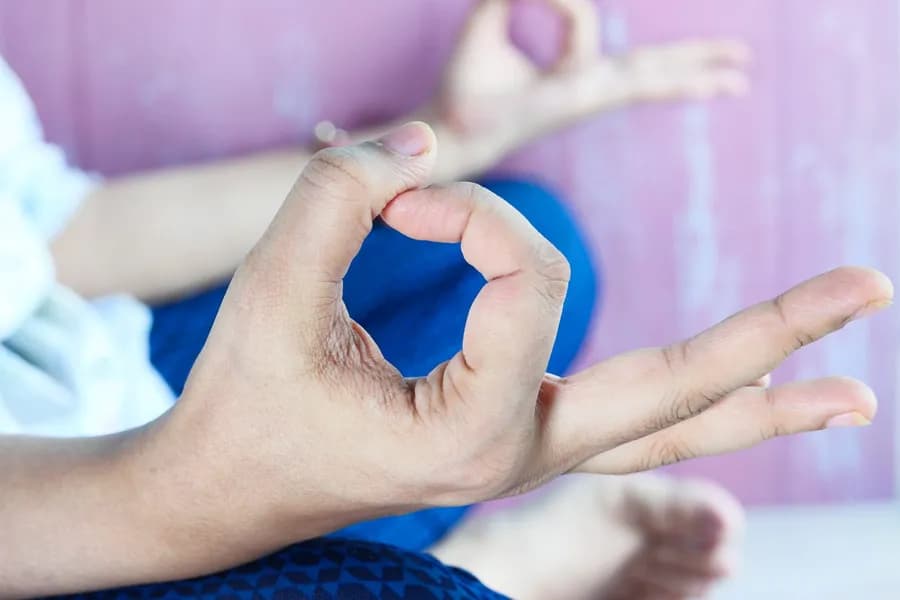
Gyan Mudra: How to Do It and Its Benefits for Focus and Memory
Practice Gyan Mudra with Habuild. Follow the wisdom hand gesture steps to improve focus, reduce anxiety, and enhance your meditation practice. Start today!

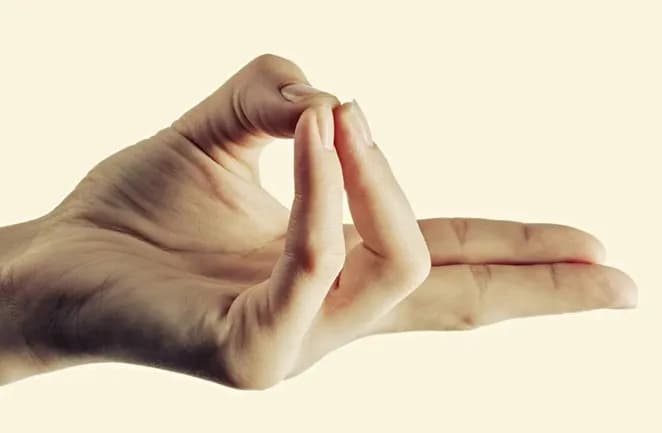
Prana Mudra: How to Practice and Its Life Energy Benefits
Practice Prana Mudra with Habuild. Follow the life force hand gesture steps to boost energy, strengthen immunity, and improve your eye health. Start today!
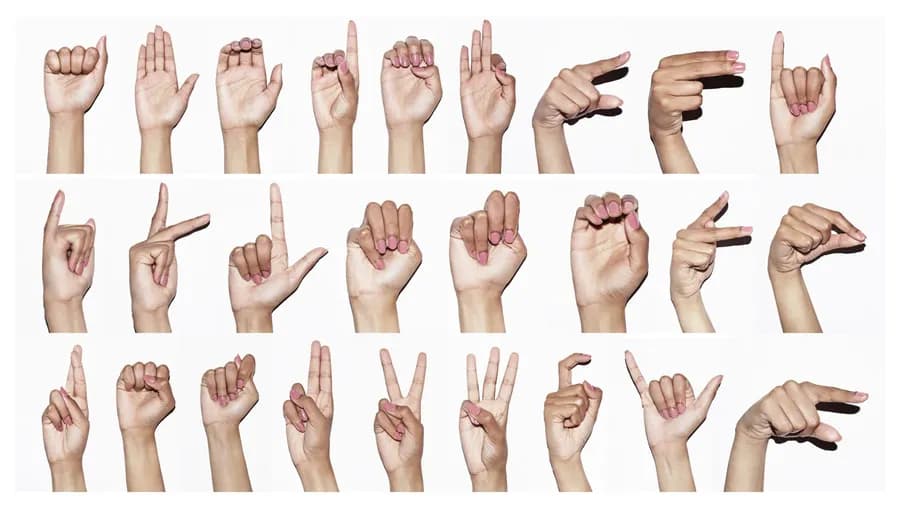
Hasta Mudras: A Complete Guide to Hand Gestures and Their Benefits
Practice hasta mudras with Habuild. Explore the best yoga hand gestures to balance the five elements, direct prana, and support health and healing. Start today!