
Urdhva Dhanurasana (Upward Bow Pose): Steps Benefits and Safety
Practice Urdhva Dhanurasana with Habuild. Follow the wheel pose steps to open your chest, strengthen your spine, and improve full-body flexibility. Start today!
Key Takeaways
- Named yoga's peak backbend, the destination that Setu Bandhasana and Ustrasana prepare for.
- Requires the triceps, shoulder stabilisers, spinal extensors, glutes, and quads all under load.
- Full neck extension increases circulation specifically to the thyroid and parathyroid glands.
- The vulnerability of head-below-heart is described by practitioners as genuinely transformative.
- Pelvic extension in the full backbend is said to stimulate the reproductive organs too.
- Requires systematic preparation through Setu Bandhasana, Bhujangasana, and Ardha Chakrasana first.
Urdhva Dhanurasana, or Wheel Pose, is yoga's peak backbend — providing comprehensive anterior chain flexibility, full-body strength, thyroid stimulation, and heart-opening energy through a fully arched supine position. It builds courage, elevates mood, and demands systematic preparation. Suitable for intermediate practitioners through progressive backbend sequencing.
What is Urdhva Dhanurasana?
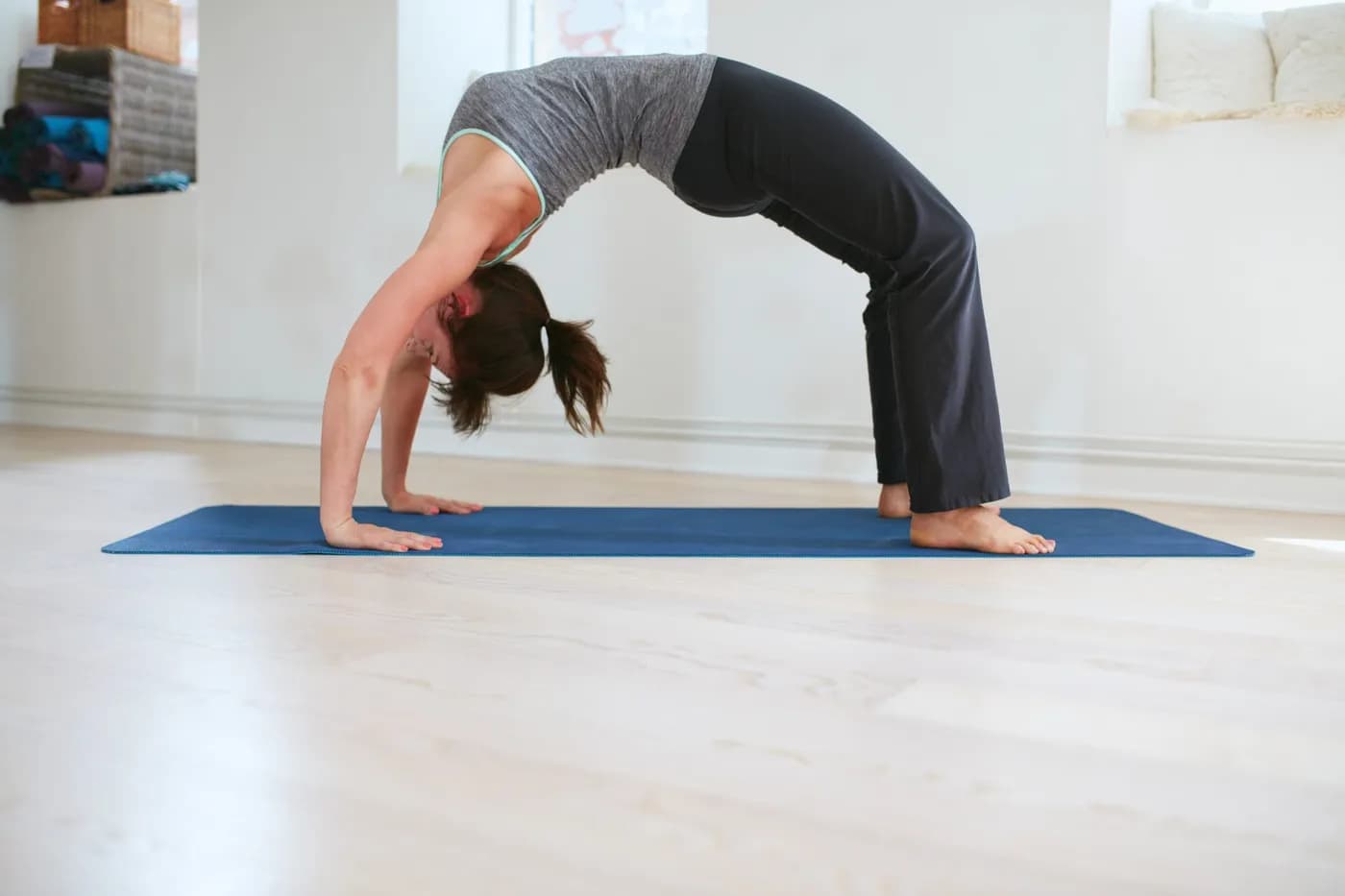
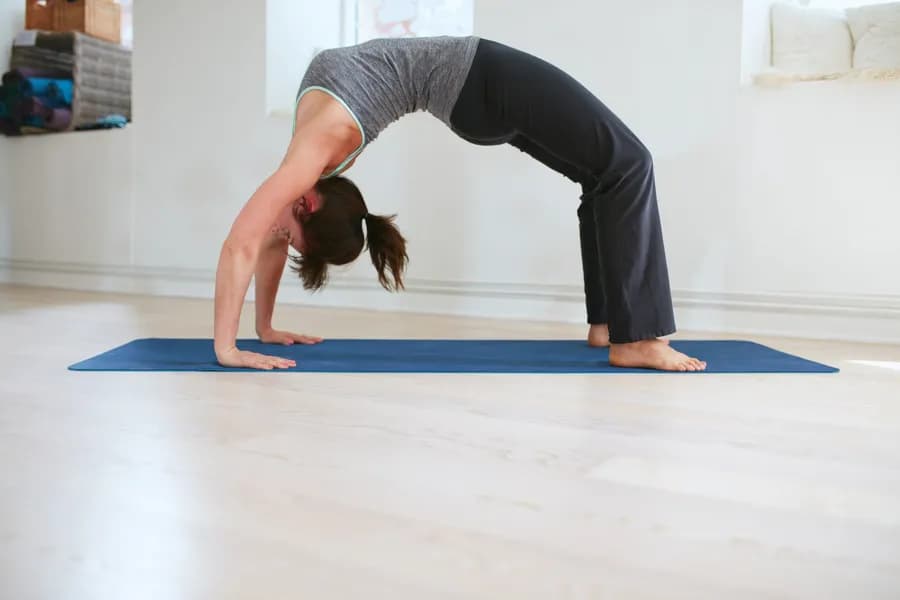
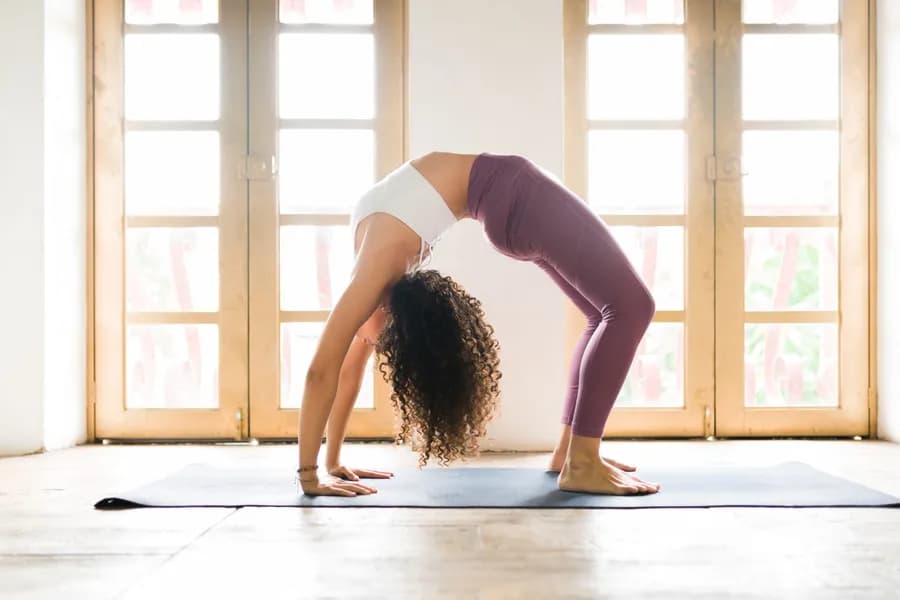
Urdhva Dhanurasana — known in English as Wheel Pose or Upward Bow Pose — derives from Sanskrit: Urdhva (upward), Dhanu (bow), and Asana (posture). The body forms an upward-arching bow — hands and feet on the floor, hips lifted, arms and legs fully extended, spine in a complete backbend that creates the curved shape of a bow drawn taut.
Urdhva Dhanurasana is one of the most demanding and rewarding postures in yoga — requiring simultaneous development of spinal flexibility, shoulder opening, hip flexor lengthening, and full-body strength. It is the peak backbend toward which all other backbend preparation leads: Setu Bandhasana, Bhujangasana, Ustrasana, and Ardha Chakrasana are all preparatory stages.
At Habuild, Urdhva Dhanurasana is taught through a carefully structured progression — ensuring shoulder, hip flexor, and spinal flexibility are developed safely and systematically before the full wheel is attempted.
Urdhva Dhanurasana Benefits
Physical Benefits
- Develops Full-Body Anterior Chain Flexibility Urdhva Dhanurasana is the deepest anterior body stretch in yoga — simultaneously lengthening the hip flexors, abdominals, intercostals, pectorals, anterior deltoids, and the full anterior spine. This comprehensive opening is the foundation of advanced yoga flexibility.
- Builds Full-Body Strength Pressing into the full Wheel Pose requires extraordinary strength in the triceps, shoulder stabilisers, spinal extensors, glutes, and quadriceps — all working simultaneously under significant load.
- Stimulates the Thyroid and Endocrine System The full extension of the anterior neck increases circulation to the thyroid and parathyroid glands, while the complete anterior body expansion activates the endocrine system broadly — supporting thyroid health and hormonal balance.
- Opens the Heart and Stimulates the Chest and Pelvic Region The full chest opening expands the thoracic cavity, stimulates the heart chakra region, and improves intercostal flexibility. The pelvic extension simultaneously stimulates the reproductive organs.
Mental Benefits
- Produces Euphoria and Elevates Mood Urdhva Dhanurasana is one of yoga's most powerful mood-elevating postures — the full chest-open, anterior-expanded position is neurologically associated with confidence, energy, and emotional openness.
- Develops Courage and Overcomes the Fear of Backbending The vulnerability of the fully arched position — head below heart, spine fully extended — requires a quality of physical courage and mental commitment that practitioners consistently describe as transformative.
How to Do Urdhva Dhanurasana — Step-by-Step Instructions
Key Principles
Key Principles Three non-negotiable principles: warm up thoroughly — minimum ten to fifteen minutes of progressive backbend preparation; press through the hands evenly — uneven hand pressure creates asymmetric shoulder load; and lead with the chest — the lift initiates from the thoracic spine, not the lumbar.
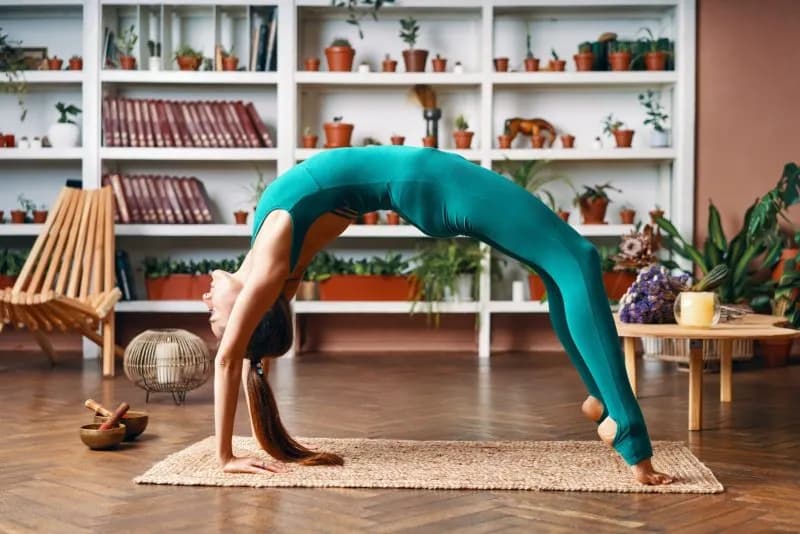
Urdhva Dhanurasana — Step by Step Step 1: Supine Starting Position Lie on the back with knees bent, feet flat on the mat, hip-width apart, heels close to the sitting bones. Rest arms alongside the body and allow the spine to settle.
Step 2: Place the Hands Beside the Ears Place the hands beside the ears, fingers pointing toward the shoulders, elbows pointing upward. Check that the hands are shoulder-width and equally placed.
Step 3: First Press — Crown to Floor On an exhale, press through the hands and feet to lift the hips — placing the crown of the head briefly on the floor. This is the alignment check point for hand position and shoulder opening.
Step 4: Full Press Into Wheel Pose On the next exhale, press strongly through the arms — straightening the elbows and lifting the head completely off the floor. The entire spine arches into the full wheel shape.
Step 5: Engage the Lower Body and Breathe Press the hips upward and forward, engaging the glutes and drawing the inner thighs toward each other. Breathe steadily — short, steady breaths into the back body.
Step 6: Come Down Safely To release: tuck the chin toward the chest, bend the elbows slowly, and lower the head then spine to the mat one vertebra at a time. Rest in Apanasana (knees-to-chest) for thirty to sixty seconds.
Breathing
Breathe into the back body — the posterior ribcage expands on the inhale. Short, steady breaths are more effective than long breaths initially. Never hold the breath in Urdhva Dhanurasana — this is the most common error that leads to dizziness.
Progressive Preparation Sequence
These preparatory postures must be established before Wheel Pose is attempted.
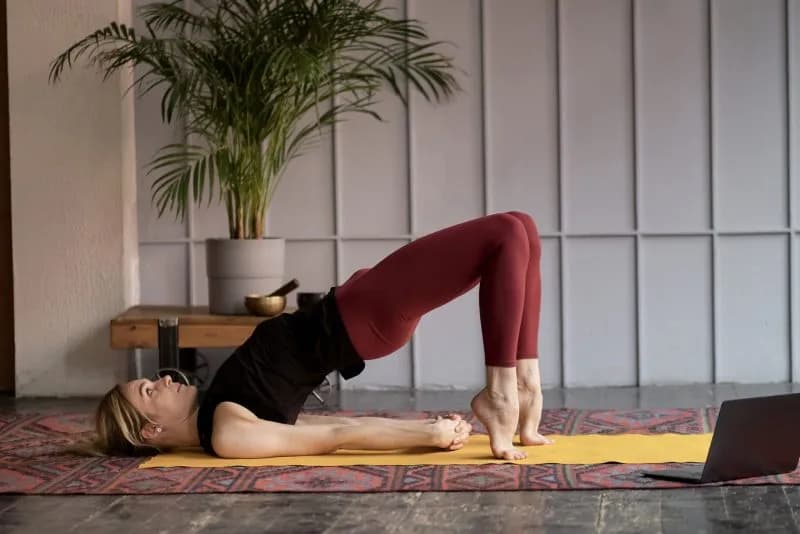
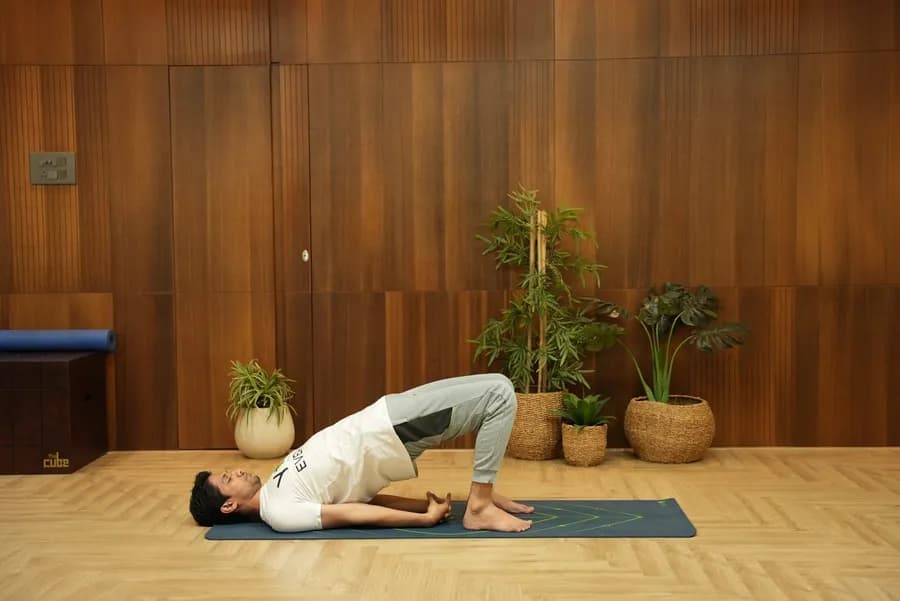
- Setu Bandhasana (Bridge Pose, 3 rounds) — Activates the posterior chain and establishes the supine backbend mechanics.
- Bhujangasana (Cobra Pose, 5 breaths) — Develops spinal extension awareness and posterior chain engagement.
- Ustrasana (Camel Pose, 5 breaths) — Opens the hip flexors and thoracic extension required for the full wheel.
- Supported Half-Wheel (hands on blocks) — The direct intermediate step between Camel and full Urdhva Dhanurasana.
Variations
- Variation 1: Supported Wheel with Blocks — Beginner Preparation Yoga blocks under the hands reduce the shoulder extension required — making the press-up more accessible to those with limited shoulder flexibility.
- Variation 2: Full Urdhva Dhanurasana — Standard The complete expression described in the steps — the standard goal for intermediate practitioners with established backbend preparation.
- Variation 3: One-Legged Urdhva Dhanurasana — Advanced From the full Wheel, one leg lifts toward the ceiling — creating a unilateral strengthening demand and deeper hip flexor stretch on the grounded-leg side.
Common Mistakes to Avoid
- Attempting the Full Pose Without Adequate Preparation Urdhva Dhanurasana without thorough backbend warm-up places extreme load on the shoulder joints and lumbar spine. The preparatory sequence is not optional — it is what makes the full pose safe and accessible.
- Elbows Splaying Outward The elbows must remain parallel and shoulder-width throughout the press — splaying elbows concentrates rotational stress on the wrist and lateral elbow joint.
- Leading With the Lumbar Rather Than the Thoracic Spine The lift initiates from the chest and thoracic spine — not from an arch of the lower back. A thoracic-led wheel is safe and therapeutic; a lumbar-led wheel compresses the posterior disc.
Who Should Practise?
- Practitioners Ready for Advanced Backbends Urdhva Dhanurasana is the natural peak posture for any practitioner who has established Setu Bandhasana, Ustrasana, and Ardha Chakrasana with ease.
- Those Seeking Hormonal and Thyroid Support The comprehensive endocrine stimulation makes Urdhva Dhanurasana one of the most powerful yoga postures for supporting thyroid health and hormonal balance in physically capable practitioners.
- Is Urdhva Dhanurasana Good for Beginners? Not as an immediate starting posture — but the complete preparatory sequence is both appropriate and valuable for beginners working toward the full wheel over three to six months of systematic practice.
Make Urdhva Dhanurasana a Part of Your Practice
Urdhva Dhanurasana is the culmination of yoga's backbend curriculum — its complete anterior body arc delivering the most comprehensive flexibility, strength, endocrine activation, and heart-opening experience that any single posture in yoga provides.
The most effective way to build toward Urdhva Dhanurasana — with the complete preparatory sequence, thoracic-led lift technique, and safe exit guidance — is under live expert instruction with Habuild.
Start your 14 day free yoga journey with Habuild, today!
Related reads: Dhanurasana (Bow Pose): Steps Back Flexibility and Digestive Benefits · Akarna Dhanurasana (Archer Pose): Steps and Flexibility Benefits
Wheel Pose is one of the more advanced backbends, and the flexibility it demands through the shoulders, spine, and hip flexors accumulates slowly across weeks of consistent practice — not through occasional heroic attempts. Practicing the milder backbends alongside it, in the same daily sequence, is what actually prepares the body for the full pose safely. Habuild's Yoga Everyday program sequences backbends progressively so strength and openness build together.
Frequently Asked Questions
Related Articles
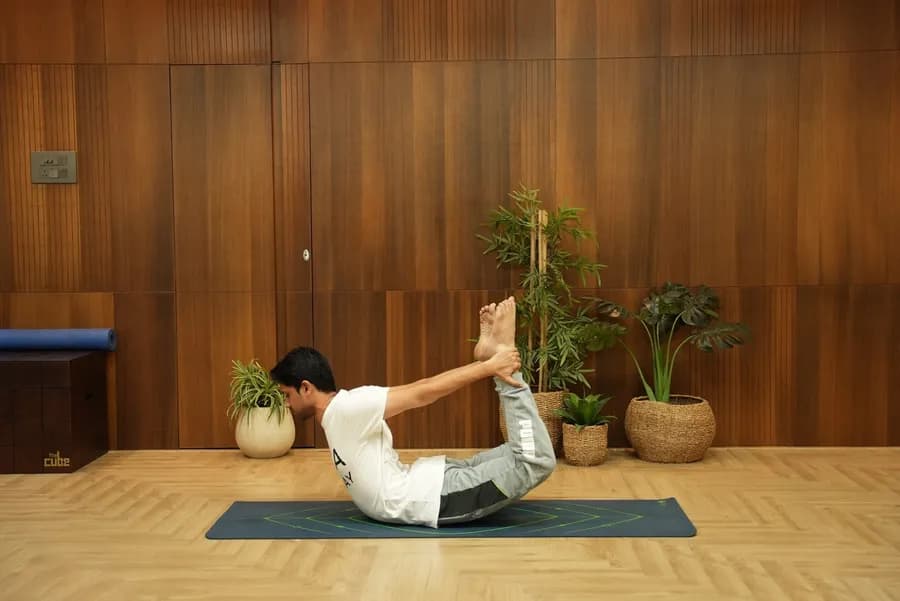
Purna Dhanurasana (Full Bow Pose): Steps Benefits and Key Differences
Practice Purna Dhanurasana with Habuild. Follow full bow pose steps to strengthen your spine, open your chest, and improve full-body flexibility. Start today!
Purna Chakrasana (Full Wheel Pose): Steps Benefits and Safety
Practice Purna Chakrasana with Habuild. Follow full wheel pose steps to open your chest, strengthen your spine, and improve full-body flexibility. Start today!
Setu Bandha Sarvangasana: Steps Benefits and Modifications
Practice Setu Bandha Sarvangasana with Habuild. Follow the bridge pose steps to strengthen your back, support thyroid health, and improve sleep. Start today!
Chakrasana (Wheel Pose): Steps Benefits and Safety Precautions
Practice Chakra Asana with Habuild. Follow the wheel pose steps to open your chest, strengthen your spine, and improve flexibility and hormonal health. Start!
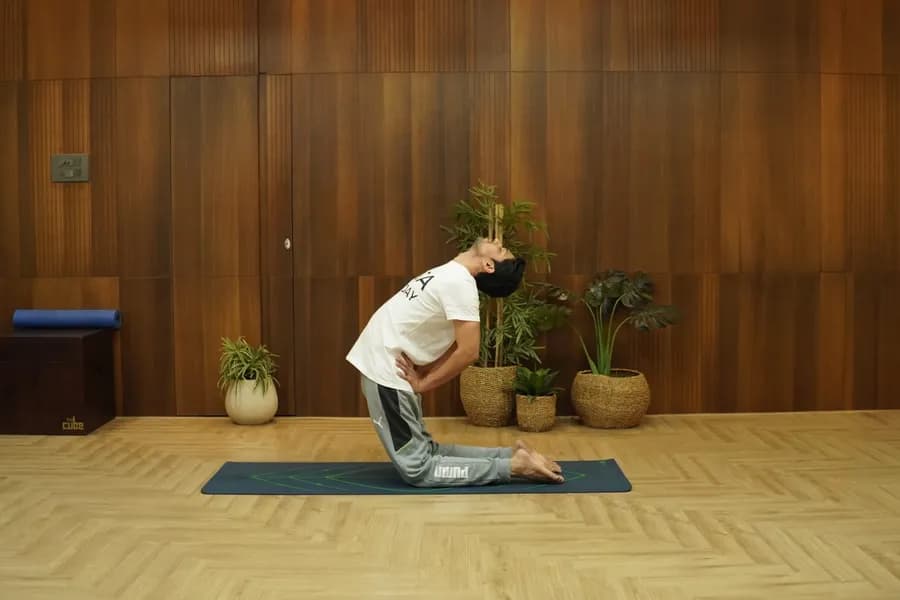
Ustrasana: Camel Yoga Pose, Steps & Yoga Benefits
Ustrasana, or Camel Pose, is a kneeling backbend that deeply stretches the hip flexors, chest, and entire anterior spine while strengthening the back.