
Bandha Sarvangasana: Steps Full Body Benefits and Precautions
Practice Bandha Sarvangasana with Habuild. Follow the bridge shoulder stand steps to strengthen your back, improve circulation, and boost health. Start today!
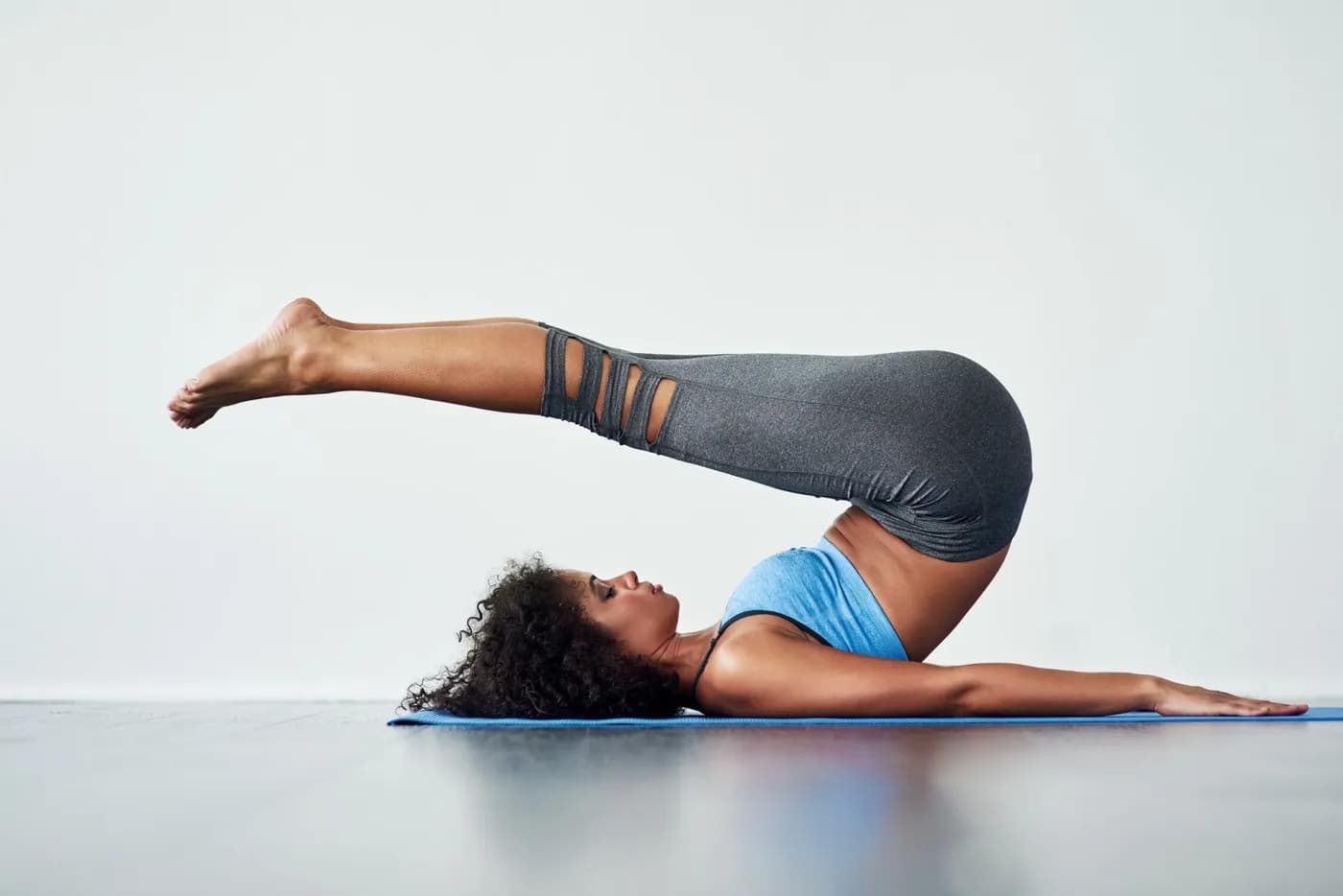
Key Takeaways
- Combines Setu Bandha, bridge pose, as the entry base into a supported Sarvangasana.
- The bridge-pose base reduces cervical compression risk compared to full shoulder stand.
- Mild cervical extension is said to increase blood flow specifically to the thyroid gland.
- Taught at Habuild specifically as foundational preparation before attempting full Sarvangasana.
- Improves venous return from the legs while reducing cardiac preload in the reclined pose.
- Sustained glute and hamstring engagement in the bridge base builds posterior chain strength.
Bandha Sarvangasana, or Supported Shoulder Stand, provides thyroid stimulation, improved venous return, and deep parasympathetic activation through a stable bridge-entry inversion. It strengthens the posterior chain and supports hormonal balance. Suitable for all levels under expert guidance.
What is Bandha Sarvangasana?
Bandha Sarvangasana — known in English as Supported Shoulder Stand or Bridge-Supported Shoulder Stand — derives from Sanskrit: Bandha (lock, bound, or bridge), Sarva (all), Anga (limb), and Asana (posture). The term combines two related postures: Setu Bandha (Bridge Pose) serves as the foundational position from which the full Sarvangasana (Shoulder Stand) is entered — creating a supported, bridge-connected version of the classical inversion that makes the shoulder stand more accessible and therapeutically effective for many practitioners.
Bandha Sarvangasana occupies a unique position in yoga’s therapeutic inversion repertoire — it provides the thyroid-stimulating, venous-return-improving, and parasympathetic-activating benefits of Sarvangasana from a more stable and supported base. The bridge pose foundation reduces the cervical compression risk of the full shoulder stand while maintaining the therapeutic inversion effect. For practitioners managing yoga for thyroid health and yoga for hormonal balance, this posture is a cornerstone of their daily practice.
At Habuild, Bandha Sarvangasana is taught as the foundational preparation for Sarvangasana — ensuring the shoulder alignment, neck awareness, and core strength required for safe inversion practice are established before the full shoulder stand is attempted.
Bandha Sarvangasana Benefits
Physical Benefits
- Stimulates Thyroid and Endocrine System The supported inversion of Bandha Sarvangasana increases blood flow to the thyroid and parathyroid glands through the mild cervical extension and reversal of gravitational direction. This makes it one of yoga’s most therapeutically important postures for yoga for thyroid support and comprehensive yoga for hormonal balance.
- Supports Cardiovascular Health and Blood Pressure Regulation The mild inversion of Bandha Sarvangasana improves venous return from the lower extremities and reduces cardiac preload — producing the parasympathetic cardiovascular effect that makes supported inversions among the most evidence-supported yoga interventions for yoga for high blood pressure management.
- Strengthens the Posterior Chain and Relieves Back Pain The bridge-pose base of Bandha Sarvangasana requires sustained engagement of the glutes, hamstrings, and spinal extensors — building the posterior chain strength that is the primary protection against yoga for back pain and chronic lower back dysfunction.
- Opens the Chest and Improves Respiratory Function The shoulder rolling and chest lifting of Bandha Sarvangasana opens the anterior chest and intercostal muscles — expanding the ribcage capacity and improving respiratory function. This thoracic opening is a valuable benefit for practitioners with respiratory restriction from poor posture.
Mental and Emotional Benefits
- Activates the Parasympathetic Nervous System for Deep Rest The supported inversion position, combined with the mild pressure of the chin lock (Jalandhara Bandha) and the complete body stillness, produces a profound parasympathetic activation that makes Bandha Sarvangasana one of yoga’s most effective postures for yoga for insomnia and chronic stress management.
- Reduces Anxiety and Creates Mental Stillness The inversion reverses the habitual orientation of the visual field and proprioceptive input — producing the fresh, clear mental quality that practitioners describe as one of the most distinctive benefits of any inversion practice. Even a 30-second Bandha Sarvangasana hold produces a noticeable shift in mental tone.
How to Do Bandha Sarvangasana
Key Principles
Key Principles of Bandha Sarvangasana Every element of Bandha Sarvangasana practice rests on three foundational principles: shoulder support — the weight must be evenly distributed across both shoulders and the upper arms, never the neck; neck neutrality — no rotation or lateral movement of the head once in the inversion; and progressive entry — always enter from the Bridge Pose, building the inversion height incrementally rather than swinging up.
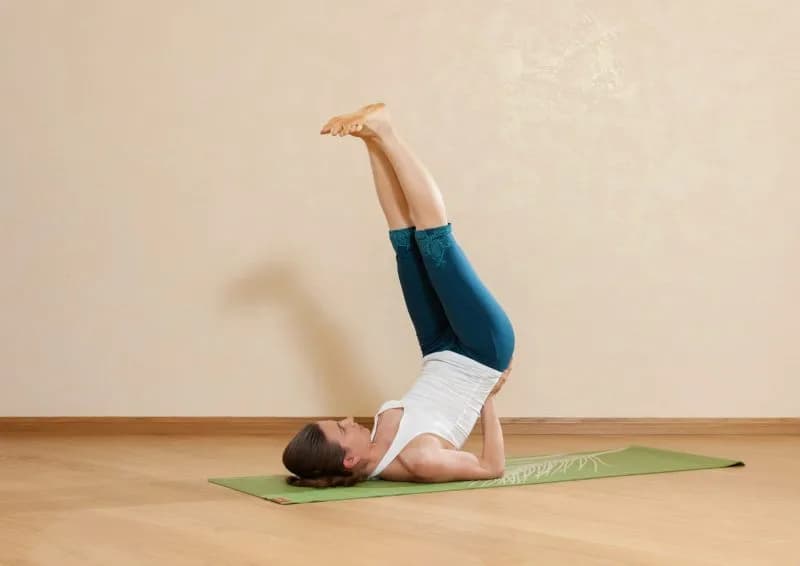
Step-by-Step Instructions Breathing in the inverted position is distinctive — the diaphragm must work against gravity, making exhalation easier and inhalation more effortful. Focus breathing into the back body (posterior ribcage expansion on the inhale). Never hold the breath in any inversion. The breath rhythm serves as the primary safety monitor — if breathing becomes laboured or irregular, come down immediately.
Variations and Styles of Bandha Sarvangasana
- Setu Bandha Base — Beginner Foundation The Bridge Pose held with hands supporting the mid-back but legs not yet elevated — this foundational stage develops the shoulder positioning, back strength, and neck awareness required before legs are lifted.
- Bandha Sarvangasana — One Leg Elevated One leg lifted toward the ceiling while the other remains on the floor — this progressive stage builds the core and shoulder strength needed for both legs elevated without the full bilateral load of the complete inversion.
- Full Sarvangasana — Complete Shoulder Stand Both legs fully extended upward — the complete classical shoulder stand. Bandha Sarvangasana is the preparation for this full expression. Sarvangasana requires greater shoulder strength and neck awareness and should only be attempted after Bandha Sarvangasana is fully established.
- Viparita Karani — Supported Alternative Legs up the wall with hips optionally supported by a bolster — a fully restorative inversion alternative for those who should avoid the weight-bearing of Bandha Sarvangasana due to neck, shoulder, or blood pressure conditions.
Common Mistakes to Avoid in Bandha Sarvangasana
- Turning the head while in the inversion — this can cause acute cervical injury
- Placing the hands on the lumbar rather than the mid-back — hands must support the mid-back
- Entering by swinging the legs up rather than walking them — always enter progressively
- Holding the breath — breathe continuously and steadily throughout the hold
- Coming down too quickly — always lower the spine slowly, one vertebra at a time
Who Should Practise?
- Those Seeking Thyroid and Hormonal Health Support Bandha Sarvangasana is one of yoga’s most important postures for endocrine health — the daily stimulation of the thyroid and the comprehensive hormonal effects of regular inversion practice make it an indispensable element of any yoga programme targeting thyroid function or hormonal regulation.
- Those with Insomnia and Chronic Stress The rapid parasympathetic activation produced by Bandha Sarvangasana makes it one of the most effective pre-sleep yoga practices available — producing the nervous system shift from stress-mode to rest-mode that sleep requires within 30–60 seconds of holding the position.
- Practitioners Building Toward Full Sarvangasana Bandha Sarvangasana is the essential progression between Setu Bandhasana and the full Sarvangasana — developing the shoulder positioning, core strength, and inversion confidence that the complete shoulder stand requires. It is among the most important yoga poses for beginners preparing for their first complete inversion.
Start your 14 day free yoga journey with Habuild, today!
Related reads: Setu Bandha Sarvangasana: Steps Benefits and Modifications · Sarvangasana: Steps Benefits and How to Practice Safely
This bridge-shoulder-stand variation loads the upper back and shoulders in a way that takes weeks of steady work to strengthen safely, not a single attempt. Practiced regularly as part of a broader sequence, it tends to support better circulation and a sturdier back over time, which is a very different outcome than trying it once and moving on. Habuild’s Yoga Everyday program sequences inversions like this alongside the prep work that makes them safer to build up to daily.
Frequently Asked Questions
Related Articles
Sarvangasana: Steps Benefits and How to Practice Safely
Practice sarvangasana with Habuild. Explore the sarvangasana pose to boost thyroid health, improve circulation, and calm your mind. Start your session today!
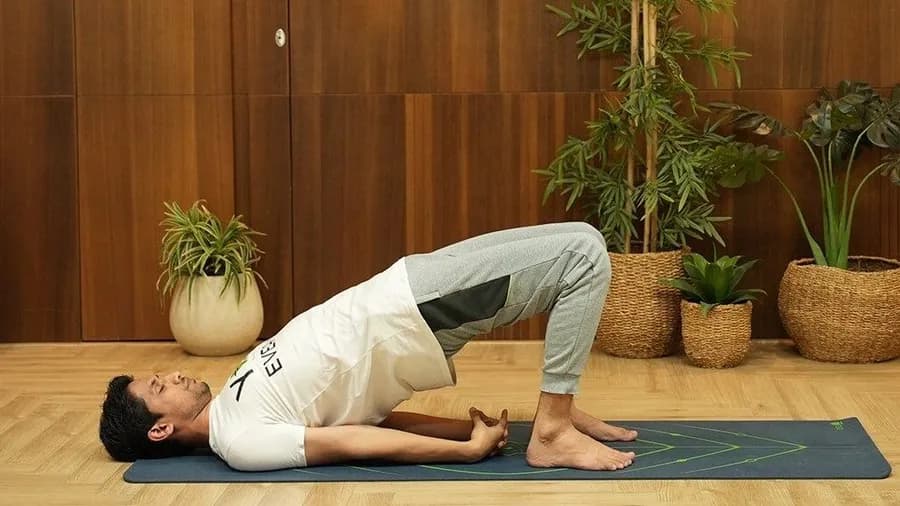
Setu Bandhasana (Bridge Pose): Steps Benefits and Modifications
Try setu bandhasana with Habuild. Master the setu bandhasana bridge pose to strengthen your spine, open the chest, and reduce stress. Start your session now!
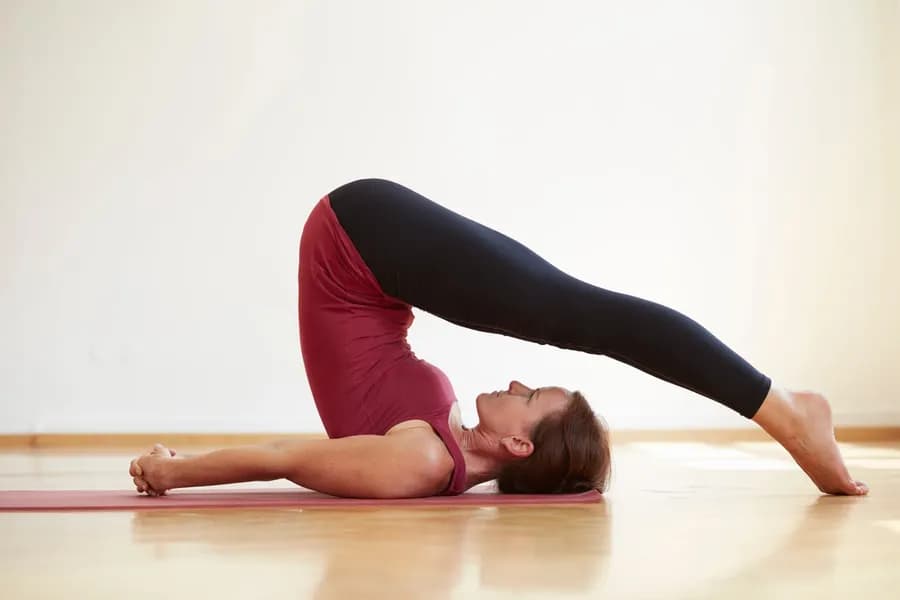
Halasana (Plow Pose): Steps Benefits and Precautions
Try halasana with Habuild. Learn halasana benefits like better flexibility, improved sleep, and relief from back pain. Master the yoga plow pose. Start today!
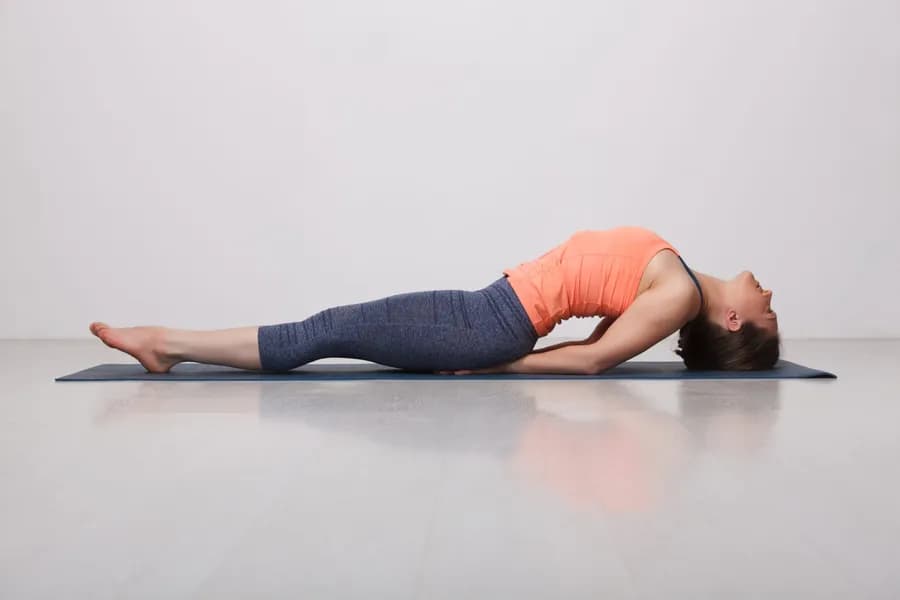
Matsyasana (Fish Pose): Steps Benefits and Safety Tips
Explore matsyasana and ardha matsyasana with Habuild. Discover the benefits of matsyasana to improve posture, open your chest, and boost thyroid health today!

Yoga Asanas for Heart Health: Benefits, Poses & Routine
Specific postures combined with breathwork and relaxation may help manage blood pressure, reduce stress on the heart, and improve circulation — alongside medical care, not instead of it.