
Shambhavi Mahamudra Kriya: the Eyebrow Gaze Meditation Technique
The practitioner gazes upward and inward toward the space between the eyebrows while seated in stillness with focused breathing, mentioned in classical
Key Takeaways
- Combines an eyebrow-centre gaze with seated stillness and focused slow breathing.
- Mentioned in both the Hatha Yoga Pradipika and the Gheranda Samhita as a concentration practice.
- Heart rate and blood pressure typically drop measurably during the practice itself.
- The upward, inward gaze trains extraocular eye muscles unlike standard daily activities.
- Begins with Gyan Mudra, index finger touching thumb, resting on the knees.
- Most effective when learned from a qualified teacher rather than videos or text alone.
What is Shambhavi Mahamudra Kriya?
Shambhavi Mahamudra Kriya is a meditation technique from the classical hatha yoga and kundalini traditions. The Sanskrit name combines Shambhavi (a name associated with the goddess Parvati and her spiritual gaze), maha (great), and mudra (gesture or seal). The defining feature of the practice is the eye position: the practitioner gazes upward and inward toward the space between the eyebrows (the ajna chakra or third eye centre) while remaining seated in stillness with focused breathing. The technique is mentioned in classical texts including the Hatha Yoga Pradipika and the Gheranda Samhita.
Shambhavi Mahamudra Kriya benefits described in traditional texts include increased concentration, reduction of mental restlessness, support for meditation depth, and progression on the spiritual path. In modern times, the practice has been popularised by various teachers and yoga schools, with some offering structured courses to teach it. Like other advanced techniques, the practice is most effective when learned from a qualified teacher rather than from videos or text descriptions alone. The full meditation framework is detailed in our work on online meditation classes.
Shambhavi Mahamudra Kriya Benefits
Physical Benefits
- Benefit 1: Trains the Small Muscles Around the Eyes The upward and inward eye gaze trains the extraocular muscles in a way standard activities do not. Some practitioners report improved eye coordination over weeks of practice.
- Benefit 2: Supports the Slow Breath That Calms the Body The practice is performed with slow, focused breathing, which activates the parasympathetic nervous system. Heart rate and blood pressure typically drop during the practice.
- Benefit 3: Builds the Discipline of Daily Stillness The structured nature of the practice supports a daily stillness routine that benefits broader physical and mental health.
Mental and Emotional Benefits
- Benefit 4: Develops Sustained Concentration The eyebrow gaze gives the mind a single focal point. Over weeks of practice, the ability to sustain attention on any object improves substantially.
- Benefit 5: Reduces Mental Restlessness The combination of eye position, slow breathing, and stillness reduces the mental chatter that drives much of modern anxiety and overwhelm. Many practitioners report calmer baseline mental state after consistent practice.
How to Practise Shambhavi Mahamudra Kriya. Step-by-Step Instructions
Step 1: Starting Position
Sit in a comfortable cross-legged position or on a chair with your feet flat on the floor. Keep your spine upright but not stiff. Rest your hands on your knees in Gyan Mudra (tip of index finger touching tip of thumb).
Step 2: Settle the Body
Close your eyes for one minute. Take three slow nasal breaths. Allow the body to settle into stillness.
Step 3: Open the Eyes Halfway
Open the eyes halfway, with the eyelids relaxed. Allow the gaze to soften.
Step 4: Direct the Gaze Upward and Inward
Without straining, allow the eyes to move upward and inward toward the space between the eyebrows. The focus is gentle, not forced. Some practitioners find a partial closure of the eyelids more sustainable.
Step 5: Final Position and Hold
Hold the gaze with slow nasal breathing for 5 to 15 minutes, depending on experience level. Beginners should start with 5 minutes and build up over weeks.
Step 6: How to Come Out of Shambhavi Mahamudra
Slowly release the gaze. Close the eyes for 30 seconds before opening them fully. Roll the shoulders gently and stretch the neck before standing.
Breathing in Shambhavi Mahamudra Kriya
Slow, even nasal breathing throughout. Inhale for 4 seconds, exhale for 6 seconds. The breath supports the calm focus the practice cultivates.
Preparatory Practices Before Shambhavi Mahamudra Kriya (Optional)
Brief preparation makes the practice easier to sustain.
- 5 minutes of slow nasal breathing: Settles the nervous system before the focused eye work.
- Gentle eye movements (10 each direction): Loosens the extraocular muscles.
- Trataka (candle gazing) for 5 minutes: Builds the basic concentration that Shambhavi Mahamudra extends.
Variations of Shambhavi Mahamudra Kriya
Variation 1: Brief Daily Form (5 to 10 Minutes)
The accessible daily form for general practitioners. Performed once a day for 5 to 10 minutes.
Variation 2: Extended Form (15 to 30 Minutes)
A longer practice for serious students. Should only be attempted after the briefer version is comfortable.
Variation 3: Combined with Pranayama
The practice is sometimes preceded by 10 to 15 minutes of pranayama. The combination is detailed in many traditional and modern teachings of the kriya.
Common Mistakes to Avoid in Shambhavi Mahamudra Kriya
- Mistake 1: Straining the Eyes The gaze should be soft, not forced. Straining the eye muscles causes headache and defeats the calming effect of the practice.
- Mistake 2: Holding for Too Long Initially Beginners should start with 5 minutes. Longer holds before the eyes have adapted cause discomfort and headache.
- Mistake 3: Practising on a Full Stomach The practice is most effective on an empty stomach or 2+ hours after eating. Full stomachs disrupt the meditative effect.
- Mistake 4: Practising Without a Qualified Teacher Shambhavi Mahamudra Kriya benefits most from teacher guidance. The subtle adjustments of eye position and breathing are difficult to learn from text or video alone.
Who Should Practise Shambhavi Mahamudra Kriya?
- Experienced Yoga Practitioners Adults with established asana and pranayama practice are best positioned to learn this advanced technique.
- Adults Working on Concentration and Meditation Depth The practice produces measurable improvements in sustained attention over 6 to 12 weeks of daily practice.
- Practitioners Seeking Daily Meditation Structure The defined practice structure supports a daily meditation habit that less structured techniques can struggle to build.
- Is Shambhavi Mahamudra Kriya Good for Beginners? Mostly no. Complete beginners to meditation should start with simpler practices like trataka or breath awareness. Shambhavi Mahamudra is best learned after 3 to 6 months of basic meditation experience.
The upward eyebrow gaze in Shambhavi Mahamudra asks for patience before it yields anything — most practitioners describe the mind settling only once the eye muscles stop protesting, which takes repeated short sessions rather than one long attempt. Folding a few focused minutes into the same part of your day, again and again, is what turns this from an interesting technique into something that actually changes how meditation feels. For a guided way to build that rhythm, Habuild’s Yoga Everyday program pairs meditation techniques like this with daily practice support.
Frequently Asked Questions
Related Articles
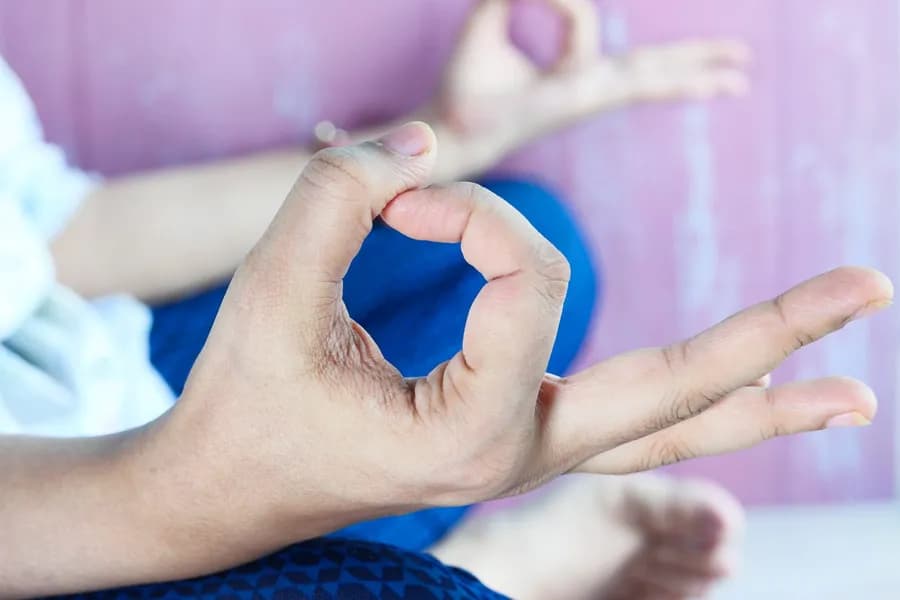
Gyan Mudra: How to Do It and Its Benefits for Focus and Memory
Practice Gyan Mudra with Habuild. Follow the wisdom hand gesture steps to improve focus, reduce anxiety, and enhance your meditation practice. Start today!

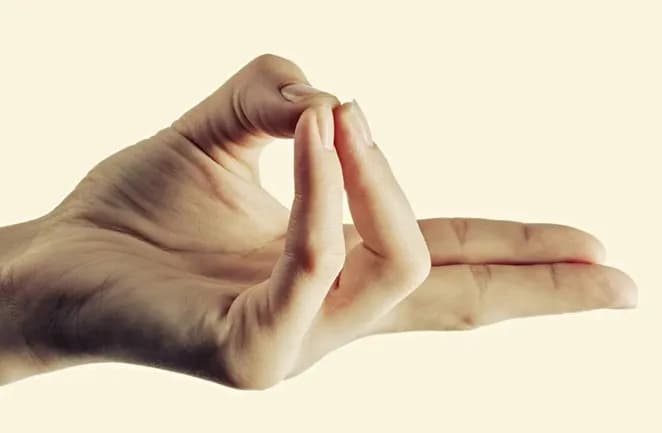
Prana Mudra: How to Practice and Its Life Energy Benefits
Practice Prana Mudra with Habuild. Follow the life force hand gesture steps to boost energy, strengthen immunity, and improve your eye health. Start today!
Kapalbhati Pranayam: How to Practice Benefits and Precautions
Practice Pranayam Kapalbhati with Habuild. Follow the skull-shining breath steps to boost digestion, strengthen your core, and energise your body. Start today!
