
Ustrasana Benefits: What the Camel Pose Does for Your Body and Mind
This kneeling backbend gradually eases spinal stiffness, opens the chest, and strengthens the back and core — its half variation makes it accessible to beginners. See what Camel Pose does for your body and mind.
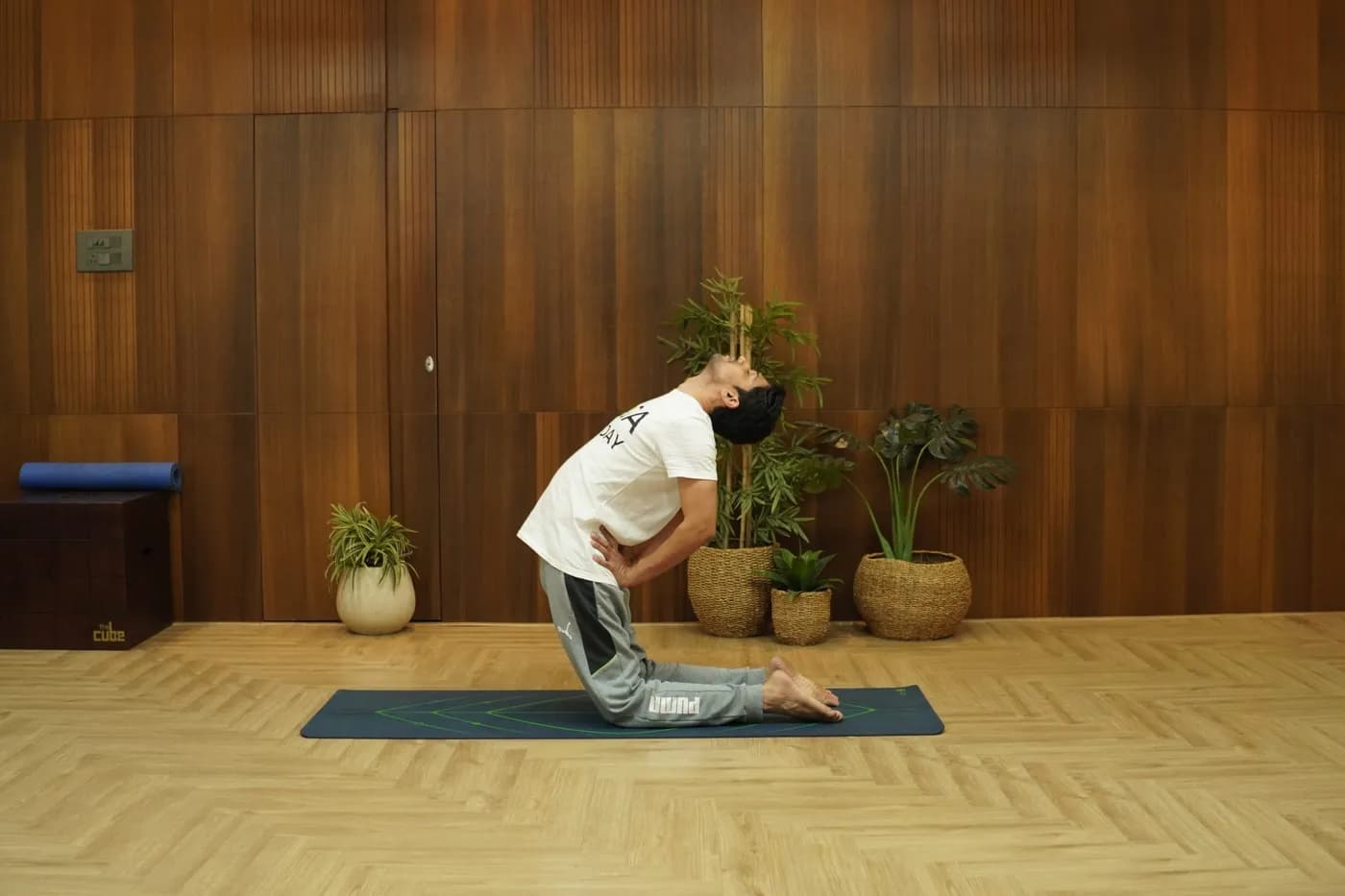
Key Takeaways
- A kneeling backbend that creates deep, controlled extension through the entire spine.
- Drawing the shoulder blades together and lifting the sternum expands the chest cavity.
- Requires active core and spinal engagement to stabilize, not just passive backward bending.
- Ardha Ustrasana, the half variation, makes the pose accessible to complete beginners.
- Counteracts the forward shoulder rounding that builds up from desk work and phone use.
- Practitioners often report a sense of lightness after weeks of consistent practice.
Ustrasana (Camel Pose) is a kneeling backbend that gradually eases spinal stiffness, opens the chest, strengthens the back and core, and supports better posture through consistent practice. Its half variation — Ardha Ustrasana — makes it accessible to beginners and experienced practitioners alike.
Ustrasana is one of the most effective backbend postures in yoga. Whether you are looking to open up your chest, improve spinal mobility, or build a steadier daily practice, understanding ustrasana benefits can help you commit to this pose with greater purpose. This guide covers what the pose does, how to begin, and which mistakes to sidestep along the way.
Top 5 Benefits of Ustrasana (Camel Pose)
- Improves Spinal Flexibility and Mobility Ustrasana creates a deep, controlled extension of the spine. Practiced consistently, it may gradually ease stiffness in the upper and lower back, making everyday movement feel noticeably more fluid. This is especially useful for anyone who spends long hours sitting.
- Opens the Chest and Expands Lung Capacity The backbend naturally draws the shoulder blades together and lifts the sternum, opening the chest cavity. Over time, this supports deeper breathing and may help those who feel tightness in the chest during daily activities.
- Strengthens the Core and Back Muscles Holding Camel Pose requires active engagement of the abdominal and spinal muscles. Rather than simply bending backward, the body must stabilise itself — which makes this a quiet but effective core and back strengthener when practiced with correct form.
- Supports Better Posture One of the most consistent ardha ustrasana benefits and full camel pose benefits alike is postural correction. The pose counteracts the forward rounding of the shoulders and upper back that builds up from desk work, driving, or prolonged phone use. Regular practice may help you naturally carry yourself with greater length and openness.
- Calms the Mind and Reduces Tension Backbends are energising by nature, but when done in a structured, breath-led practice, Ustrasana can also release held tension in the chest and throat — areas where many people carry everyday stress. Practitioners often report a sense of lightness after the pose settles in over weeks of consistent effort.
How to Get Started with Ustrasana
What You Need to Begin
A yoga mat is all that is required. Wear comfortable, non-restrictive clothing that allows your spine to extend freely. No equipment is necessary, though a folded blanket under your knees can make the starting position more comfortable if your knees are sensitive.
If you are new to backbends, exploring yoga for beginners first will help you build the foundational awareness needed to approach deeper poses safely.
Setting Realistic Goals
Begin with Ardha Ustrasana — the half camel variation where you reach back to one heel at a time. This gentler entry gives your spine time to adapt before you move into the full expression. Aim for consistency over depth: ten to fifteen minutes of focused practice each day will serve you far better than an occasional intense session.
Start with the Basics
Kneel with your hips over your knees and your feet hip-width apart. Place your hands on your lower back for support. Inhale to lift the chest, then slowly extend the spine backward. Keep the hips pushed forward over the knees throughout. Focus on breath awareness — the inhale should lift, the exhale should allow you to settle a little deeper without forcing.
Best Poses That Complement Ustrasana Benefits
- Balasana (Child’s Pose) Balasana is the natural counterpose to Ustrasana. After any backbend, folding forward into Child’s Pose allows the spine to decompress gently. Hold for five to eight breaths and let the lower back release completely. Learning more about Balasana can help you use it more effectively as a reset between active poses.
- Bhujangasana (Cobra Pose) Cobra Pose is an excellent preparatory backbend that warms the spine for Ustrasana. It strengthens the muscles along the back without demanding the full range of motion that Camel requires. Inhale as you lift the chest; keep the elbows soft.
- Setu Bandhasana (Bridge Pose) Bridge Pose strengthens the glutes and lower back while opening the chest — both areas that need to be active and open during Ustrasana. Including it in your warm-up routine makes transitioning into Camel Pose considerably more controlled.
- Virabhadrasana I (Warrior I Pose) Warrior I builds the hip flexor length and quad strength that Ustrasana demands. Opening the front of the hips in a standing lunge position prepares the body to kneel deeply without strain during Camel.
- Ardha Ustrasana (Half Camel Pose) This is the most direct preparatory variation for Purna Ustrasana (Full Camel Pose). Reach one hand back to the corresponding heel while keeping the other hand at the lower back. Ardha Ustrasana benefits include most of the spinal and postural advantages of the full pose with less intensity — ideal for building confidence before going deeper.
- Dhanurasana (Bow Pose) Bow Pose combines a backbend with a hip opener and challenges your body to actively pull into extension rather than passively hang. Incorporating Dhanurasana alongside Ustrasana creates a more complete backbend practice that works both the back muscles and the hip flexors.
Common Mistakes to Avoid When Practicing Ustrasana
- Skipping the Warm-Up Moving into a deep backbend on a cold spine is one of the most common causes of discomfort in Camel Pose. Always spend at least five to eight minutes warming up the back with cat-cow movements, gentle twists, or a few rounds of Surya Namaskar before attempting Ustrasana.
- Holding the Breath During the Pose Many practitioners unconsciously hold their breath when the pose feels intense. This increases tension rather than releasing it. Keep the breath flowing steadily — inhale to create length, exhale to maintain stability. If you cannot breathe comfortably, come up out of the pose and try a shallower variation.
- Forcing the Full Expression Too Soon Reaching both hands to both heels before your spine is ready compresses the lower back and strains the neck. Work with Ardha Ustrasana for several weeks first. Purna ustrasana benefits are best accessed gradually, once the body has built the necessary mobility and muscular support.
- Inconsistent Practice The ustrasana camel pose benefits — particularly improved posture and reduced back tension — accumulate through regularity, not occasional effort. A short daily session consistently practiced will deliver more meaningful progress than a long, infrequent one.
Who Should Try Ustrasana?
- Beginners Ustrasana is accessible to beginners when approached thoughtfully through its half variation. The entry barrier is low — no special equipment, no prior flexibility required — and the benefits begin to show within the first few weeks of consistent effort. Start slow, stay aware of your breath, and progress at your body’s pace.
- Women Many women find that Camel Pose supports relief from tension around the chest, shoulders, and abdomen — areas that often carry stress from hormonal cycles and daily demands. It may also complement practices aimed at hormonal balance through yoga, working best as part of a broader, consistent routine.
- Older Adults For older adults, Ustrasana can be a valuable tool for maintaining spinal mobility and counteracting the natural tendency toward forward rounding with age. Use blocks or a chair for hand placement if full kneeling is uncomfortable. As always, consult your doctor before beginning any new physical practice, particularly if you have existing spinal conditions.
- Working Professionals If you spend your day at a desk or in front of screens, Camel Pose is one of the most targeted antidotes to the posture that desk work creates. It opens exactly what prolonged sitting closes — the hip flexors, chest, and thoracic spine. Even ten minutes of a backbend-focused practice after work can shift how your body feels by end of day.
Build Flexibility with a Routine That Actually Works
Understanding ustrasana benefits is one thing — building the daily practice that unlocks them is another. Consistency, expert guidance, and the right progression make the difference between a pose you attempt once and one that genuinely changes how your body feels over time.
With Habuild’s Yoga Everyday program, you get daily live guided sessions that take you through poses like Ustrasana with proper breath cues, alignment guidance, and a clear beginner-to-advanced progression — all from home, without any equipment. Explore the full range of structured yoga exercises available through the program.
- Daily live guided yoga sessions
- Beginner to advanced progression — no experience required
- No equipment and completely home-friendly
- Expert guidance for correct form and safe backbend practice
- Community support to help you stay consistent
You can also explore the broader benefits of yoga to understand how a consistent practice supports overall well-being beyond any single pose.
Start Your Yoga Journey
Backbends like Ustrasana ask a lot of a stiff spine at first, which is exactly why easing into Ardha Ustrasana and building up gradually, day after day, tends to work better than pushing for the full pose too soon. Posture improves the same way — slowly, through repetition, not through a single deep backbend. Habuild’s Yoga Everyday program can guide that progression safely within a structured daily class.
Frequently Asked Questions
Related Articles
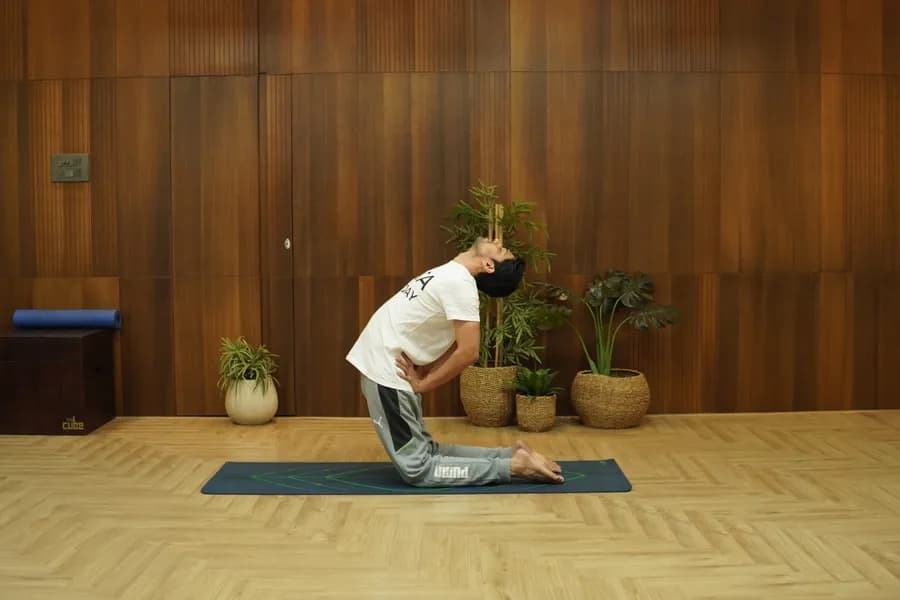
Ardha Ustrasana (Half Camel Pose): Steps, Benefits & Precautions
One hand reaches back to hold a heel while the other extends overhead, creating a deep but more accessible chest opening than the full Camel Pose. See the steps, benefits, and precautions.
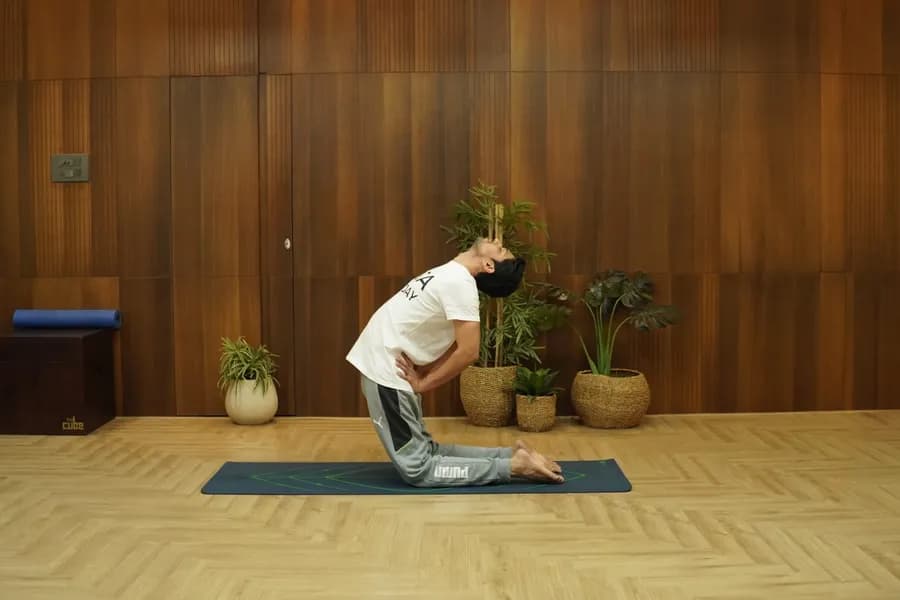
Ustrasana: Camel Yoga Pose, Steps & Yoga Benefits
Ustrasana, or Camel Pose, is a kneeling backbend that deeply stretches the hip flexors, chest, and entire anterior spine while strengthening the back.

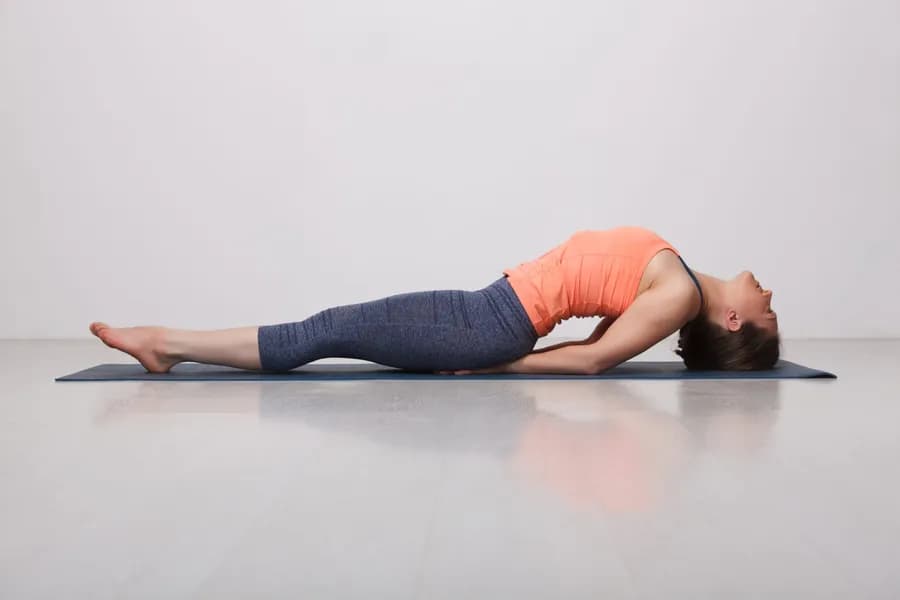
Matsyasana (Fish Pose): Steps Benefits and Safety Tips
Explore matsyasana and ardha matsyasana with Habuild. Discover the benefits of matsyasana to improve posture, open your chest, and boost thyroid health today!