
What Is Yoga Asana? A Complete Guide to Poses, Benefits & Getting Started
A yoga asana is a specific body posture held with awareness, breath, and intention — working on flexibility, strength, posture, and the nervous system simultaneously. See the complete guide to poses and benefits.
Key Takeaways
- A specific posture held with awareness, breath, and intention forming yoga’s physical foundation.
- Works flexibility, strength, posture, and the nervous system simultaneously in a single practice.
- Plank, Navasana, and Warrior variations build core stability that supports the spine all day.
- Single-leg balancing poses reduce fall risk by training proprioception, especially for older adults.
- Bhujangasana strengthens back muscles while also improving respiratory capacity.
- Restorative, forward-folding poses in the evening support lower cortisol and better sleep onset.
A yoga asana is a specific body posture — held with awareness, breath, and intention — that forms the physical foundation of a yoga practice. From simple seated stretches to dynamic standing poses, asanas work on flexibility, strength, posture, and the nervous system simultaneously, making them one of the most complete movement practices available for beginners and experienced practitioners alike.
If you’ve ever wondered what is yoga asana and how it differs from general exercise, you’re in the right place. Whether you’re brand new to yoga or looking to understand it more deeply before committing to a routine, this guide covers everything you need to know — including the best beginner poses, common mistakes to avoid, and how to build a consistent daily practice from home.
10 Benefits of Practising Yoga Asanas Regularly
- Improves Flexibility Regular asana practice gently lengthens tight muscles and connective tissue. Most people notice a meaningful improvement in their range of motion within a few weeks of consistent daily sessions — not through forcing, but through steady, breath-led repetition. Over time, this improved flexibility supports better movement in everyday tasks and reduces stiffness that builds from sedentary routines.
- Reduces Stress and Anxiety Holding asanas with focused breathing activates the parasympathetic nervous system, which may gradually ease the physical tension that accumulates from chronic stress. Many practitioners report feeling noticeably calmer after even a 20-minute session. Over weeks of consistent practice, this effect deepens, supporting a more regulated baseline mood and reduced reactivity to daily pressures.
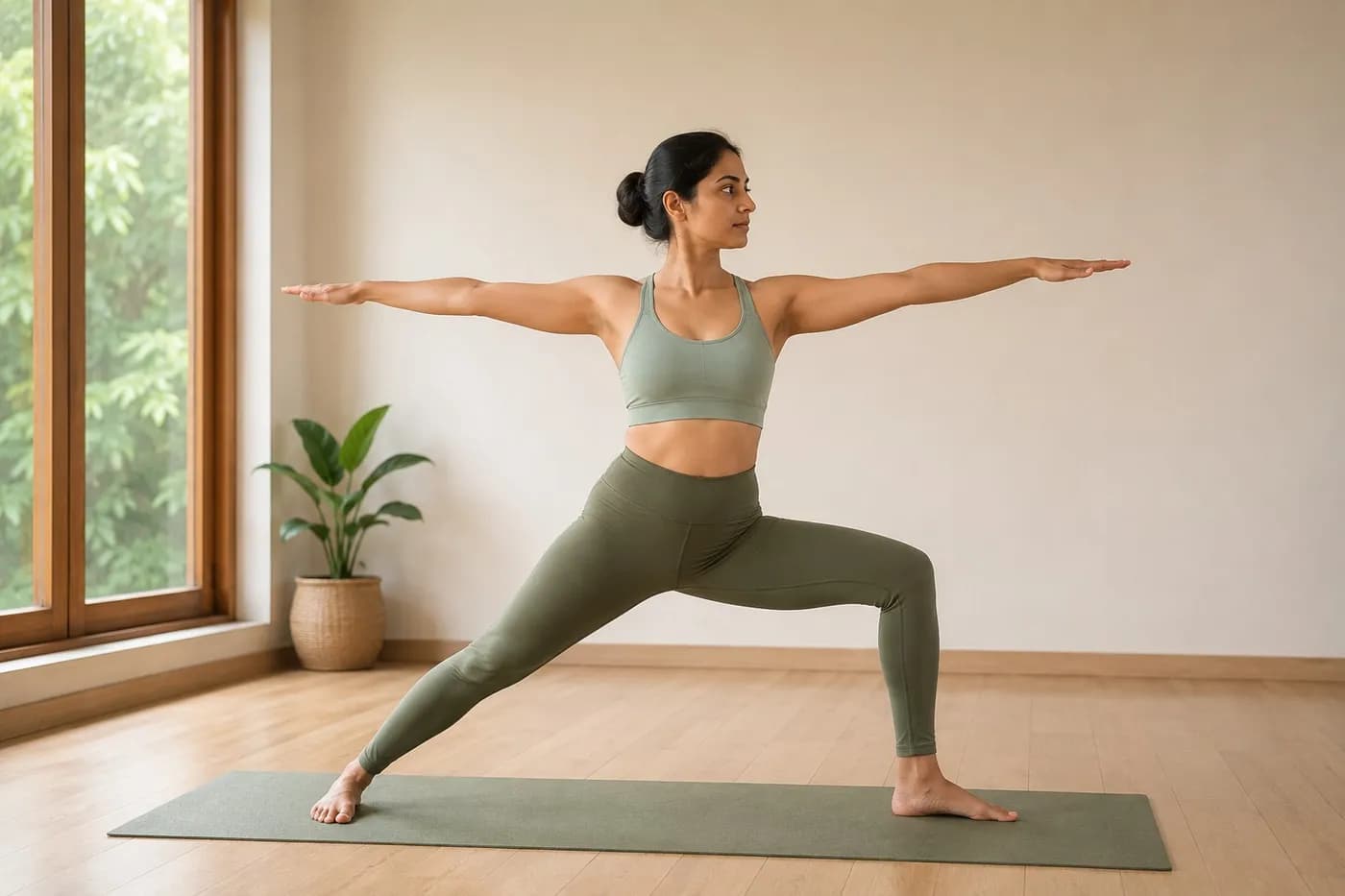
- Builds Core Strength Poses like Plank, Navasana (Boat Pose), and Warrior variations require sustained muscular engagement that builds deep core stability over time. This is functional strength — the kind that supports your spine and posture throughout the day, not just during practice. Chest-opening poses like Bhujangasana also strengthen the back muscles and improve respiratory capacity alongside core engagement.
- Enhances Balance and Posture Single-leg balancing poses train proprioception — your body’s sense of where it is in space. Over time, this translates into better coordination, improved spinal alignment, and a reduced risk of falls, especially for older adults. Twisting and forward-bending asanas also gently mobilise the lumbar spine, reducing stiffness that builds from long hours at a desk.
- Supports Better Sleep Certain calming asanas — particularly restorative and forward-folding poses practised in the evening — are associated with better sleep onset and depth. They support lower cortisol levels and prepare the nervous system for rest. Consistent practice also improves mental focus during waking hours. Explore the full range of yoga’s benefits to understand how these effects compound with regular practice.
How to Get Started with Yoga Asana Practice
What You Need to Begin
Yoga asanas require almost no equipment. A non-slip mat is helpful, but many poses can be done on a carpet. Wear comfortable, stretchy clothing that allows full movement. Blocks, straps, and props are aids — not requirements — especially when starting out.
Setting Realistic Goals
Aim for 15–20 minutes daily rather than hour-long sessions twice a week. Consistency matters far more than duration, especially in the first 30 days. Progress in yoga — improved flexibility, ease of breath, reduced tension — is gradual and cumulative, not linear. Track how you feel after each session rather than how a pose looks.
Start with the Basics
Begin with standing poses, simple seated stretches, and gentle backbends. Focus on breath awareness from day one — inhale to create space, exhale to soften into the pose. Avoid rushing into advanced postures. A structured beginner progression with a teacher guiding alignment makes a real difference. Habuild’s yoga for beginners program is designed exactly for this starting point, taking you from foundational poses through a gradual, safe progression.
Best Poses for Yoga Asana Beginners
Tadasana (Mountain Pose)
The foundation of all standing poses. Stand with feet together, arms alongside the body, spine tall, and gaze forward. It trains postural alignment and body awareness. Inhale to lengthen the spine; exhale to ground through the feet. Hold for 5–8 breaths.
Adho Mukha Svanasana (Downward-Facing Dog)
From hands and knees, tuck the toes and lift the hips up and back, forming an inverted V-shape. This pose stretches the hamstrings, calves, and spine simultaneously while strengthening the shoulders and arms. Breathe steadily for 5 breaths. Learn the full step-by-step technique for Adho Mukha Svanasana to practise it safely.
Virabhadrasana I (Warrior I Pose)
Step one foot forward into a deep lunge, raise both arms overhead, and square the hips toward the front. This builds leg strength, hip flexibility, and core stability. Inhale as you rise; hold for 4–5 steady breaths on each side.
Balasana (Child’s Pose)
Kneel, sit back on the heels, and fold the torso forward with arms extended or alongside the body. A deeply restorative pose that releases the lower back and hips. Hold for as long as needed — it is an active rest posture you can return to anytime during practice.
Bhujangasana (Cobra Pose)
Lie face-down, place palms under the shoulders, and gently lift the chest using the back muscles rather than arm pressure. This opens the chest, strengthens the spine, and may gradually ease stiffness in the upper back. Inhale to lift; exhale to release.
Setu Bandhasana (Bridge Pose)
Lie on your back with knees bent and feet flat on the floor. Press down through the feet and lift the hips toward the ceiling. This strengthens the glutes, hamstrings, and lower back while opening the chest and hip flexors. Hold for 5 breaths and release slowly.
Paschimottanasana (Seated Forward Bend)
Sit with legs extended, inhale to lengthen the spine, then exhale and fold forward, reaching toward the feet. This pose deeply stretches the hamstrings and lower back. Never force the fold — work with the breath, allowing the body to open gradually over time.
Common Mistakes to Avoid
- Skipping Warm-Up Jumping straight into deep stretches or complex poses on a cold body is one of the most common errors beginners make. A 5-minute warm-up — gentle neck rolls, hip circles, and Cat-Cow movements — prepares the joints and muscles and significantly reduces the chance of strain during your session.
- Holding Breath During Poses Breath is what makes asana yoga — without it, you’re just stretching. Holding the breath creates muscular tension and prevents the body from softening into a pose. If you notice you’ve stopped breathing, it usually means the pose is too intense for where you are today. Back off slightly and let the breath lead.
- Forcing into Advanced Poses Too Soon Social media feeds full of dramatic backbends and splits create unrealistic benchmarks. Yoga is a long-term practice. Pushing beyond your current range of motion to achieve a pose causes micro-tears, soreness, and discouragement. Progress comes from showing up consistently — not from straining further each session.
- Inconsistent Practice Two intense sessions followed by a two-week gap will not produce the benefits that 15 minutes daily will. The nervous system, fascia, and muscles all respond to regularity. Building a daily habit — even a short one — is the single most effective investment you can make in your yoga progress over time.
Who Should Try Yoga Asana Practice?
- Beginners Yoga asanas are one of the most accessible movement practices available. No prior fitness experience is required. Beginner-friendly sequences are specifically designed to build confidence and body awareness from the very first session, making this an ideal starting point for anyone new to structured movement.
- Women Asana practice offers particular support for women managing hormonal fluctuations, stress-related tension, and the physical demands of daily life. Certain poses support pelvic floor health, may help manage cycle-related discomfort, and consistently support a calmer, more regulated nervous system with regular practice.
- Older Adults Many asanas are gentle, low-impact, and easily modified for limited mobility or joint sensitivity. For older adults, consistent practice may gradually improve balance, joint range of motion, and overall confidence in movement. Always consult your doctor before starting if you have a medical condition or recent injury.
- Working Professionals Long hours at a desk create predictable patterns: tight hips, rounded shoulders, stiff necks, and elevated stress levels. A daily asana practice — even 20 minutes in the morning — addresses all of these systematically. Many working professionals find that yoga sessions support improved focus and energy through the rest of the day.
Build Flexibility with a Routine That Actually Works
Building flexibility and strength through yoga asanas isn’t about achieving the perfect pose — it’s about consistent, guided daily practice that compounds over time. With the right support structure, you can practise effectively from home and notice real, gradual progress in how your body feels and moves.
What You Get with Habuild’s Yoga Everyday Program:
- Daily live guided yoga sessions with expert instructors
- Beginner-to-advanced progression built into the schedule
- No-equipment, home-friendly asana practice
- Alignment guidance to ensure you practise safely
- A consistent community that keeps you showing up
Every asana asks the same thing of you: return to it often enough that breath, strength, and awareness start working together instead of separately. That’s less about mastering a single pose and more about giving your body a daily window to keep showing up. Habuild’s Yoga Everyday program is built around exactly that daily window, with guided sessions for every level.
Frequently Asked Questions
Related Articles
20 Benefits of Yoga
Yoga acts simultaneously on the musculoskeletal system through asana, the autonomic nervous system through pranayama and meditation, and the endocrine system through parasympathetic activation. See all 20 benefits.


Yoga Asanas for Shoulder Pain: Poses & Relief Guide
Discover the best yoga asanas for shoulder pain. Gentle poses to ease tension, improve mobility, and support long-term shoulder health through daily practice.

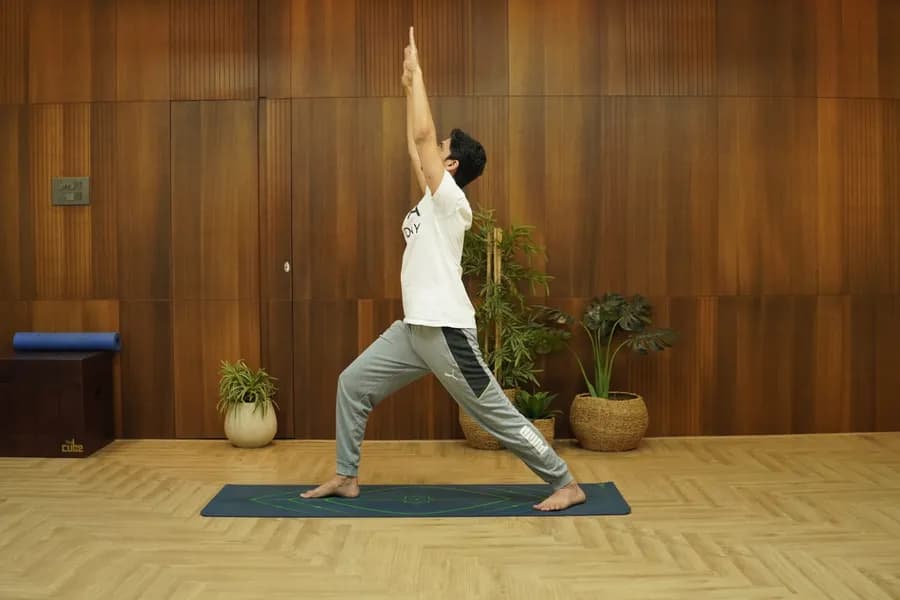
Virabhadrasana (Warrior Poses): Complete Guide to Steps and Benefits
Practice Virabhadrasana with Habuild. Follow the warrior pose steps to build leg strength, boost flexibility, and develop stamina and mental focus. Start today!