
Yoga Poses for Balance: Complete Guide to Balancing Asanas
These poses challenge the vestibular, visual, and proprioceptive systems simultaneously, reducing fall risk and building present-moment attentiveness. See
Key Takeaways
- Trains vestibular, visual, and proprioceptive balance systems simultaneously, not in isolation.
- Regular balance training reduces fall incidence by 34% in older adults, research confirms.
- Continuous micro-adjustments through the standing foot and ankle build balance as a learnable skill.
- Tree Pose, the foundational single-leg pose, is held 30-60 seconds per side classically.
- The inability to hold one-leg poses without full attention doubles as concentration training.
- Ranges from wall-supported beginner poses to advanced arm balance asanas.
What Are Yoga Poses for Balance?
Yoga poses for balance are asanas that challenge the body’s ability to maintain a stable position by reducing the base of support — typically to a single foot, a single hand, or a combination of hands and feet. Single leg balance yoga poses are the most accessible and most widely practised available balance yoga category. By requiring continuous micro-adjustments through the standing foot, ankle, knee and hip, they produce the neuromuscular training that develops balance as a learnable, improvable skill rather than a fixed genetic capacity.
The yoga tradition specifically values balance asanas for their dual physical and mental benefit: the physical balance training develops the neuromuscular coordination that prevents falls, improves athletic performance and maintains functional independence; while the mental focus that balance demands — the inability to maintain one-leg standing yoga without present-moment attention — simultaneously develops the single-pointed concentration (dharana) that meditation practice cultivates.
Benefits of Yoga Poses for Balance
Regular yoga balance training reduces fall incidence by 34% in older adults — establishing yoga balance poses as among the most evidence-supported available fall prevention interventions in the clinical literature.
Best Yoga Poses for Balance
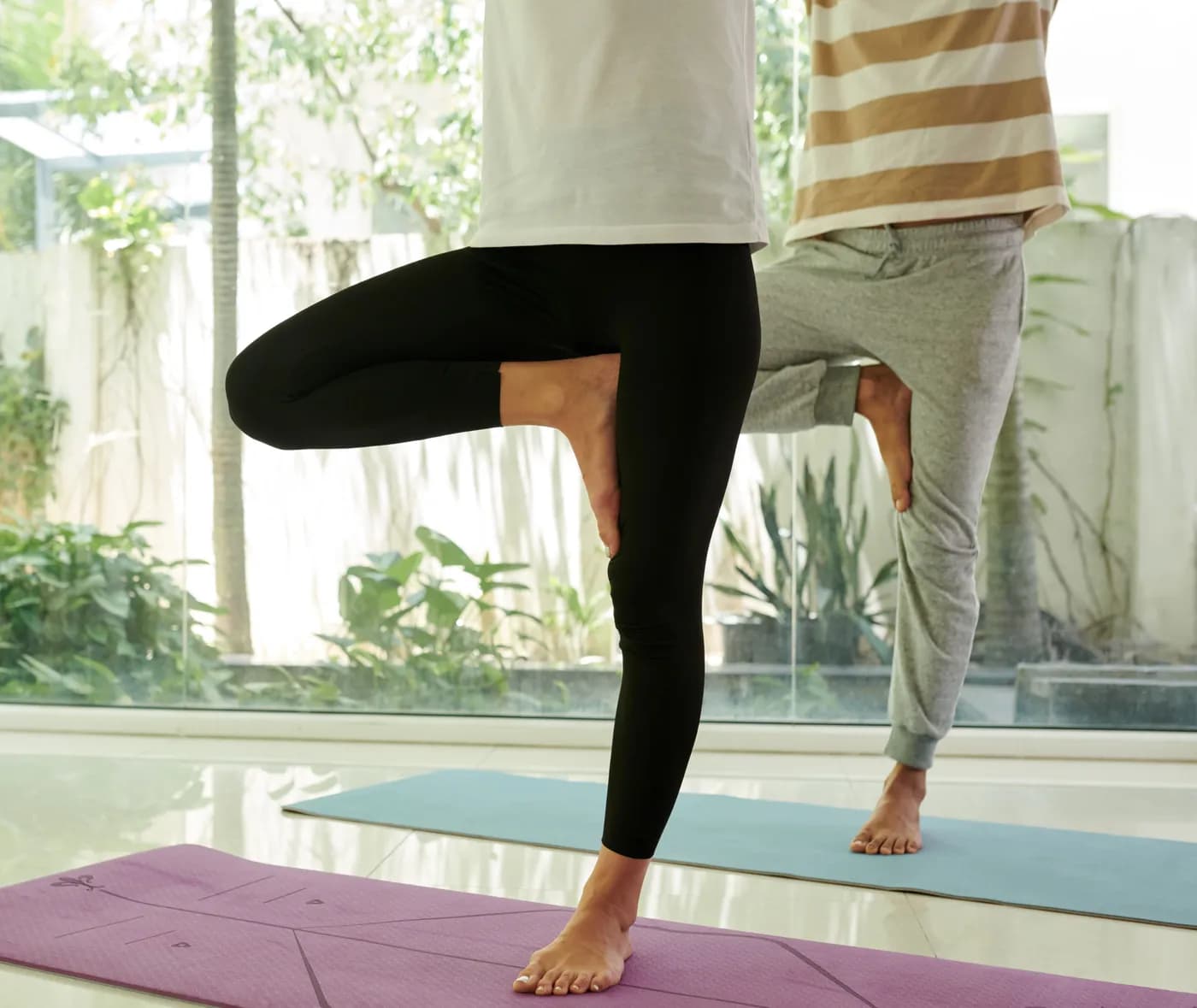
Tree Pose (Vrikshasana) — Primary One Leg Balance Yoga Pose
The foundational single leg balance yoga pose — foot at calf or inner thigh, hands at heart or overhead. The most universally practised one leg balance yoga pose, accessible from wall-supported beginner through to eyes-closed advanced. Hold 30-60 seconds each side. See also: benefits-of-vrikshasana
Warrior III (Virabhadrasana III) — Dynamic Balance
Standing on one leg with the torso and raised leg forming a horizontal T-shape, arms extended forward. The most challenging available standing yoga balance pose — requiring the hip extensors, core and shoulder girdle to maintain alignment simultaneously with the single-leg balance. Hold 20-30 seconds each side. See also: standing-yoga-asanas
Eagle Pose (Garudasana) — Proprioceptive Challenge
Standing on one leg with the other leg crossed over and both arms wrapped — the wrapped position adds the proprioceptive challenge of reduced visual arm reference while the crossed leg narrows the base of support further than Tree Pose. The most neurologically demanding available standing balance yoga pose. See also: surya-namaskara
Dancer’s Pose (Natarajasana) — Balance and Backbend Combined
Standing on one leg, reaching back to hold the raised foot, arching the spine into a backbend while the free arm reaches forward. The single leg balance yoga pose that adds thoracic extension and shoulder flexibility to the balance challenge. See also: yoga-for-beginners
Half Moon Pose (Ardha Chandrasana) — Lateral Balance
Standing on one leg with the torso extending sideways and the raised leg extending laterally — the lateral balance yoga pose that develops the lateral hip and trunk stability that frontal-plane activities and fall prevention require. Block on the floor supports the lower hand for beginners. See also: dhruvasana
Common Mistakes in Yoga Poses for Balance
Gripping the Standing Foot Toes
Curling and gripping the toes for balance reduces proprioceptive input rather than improving it. Correction: keep the toes relaxed and spread — the balance improvement comes from the ankle and hip muscles, not toe gripping.
Fixing a Gaze That Moves
Looking at a moving object (traffic, other practitioners, a fan) as the drishti destabilises balance through vestibular conflict. Correction: choose a genuinely still point at eye height — a nail in a wall or a point on a fixed surface.
Holding Breath When Balance Wavers
The panic breath-hold when balance wavers creates the sympathetic tension that makes recovery from wavering more difficult. Correction: breathe continuously and use the exhale as the anchor that re-establishes balance when it wavers.
Who Should Practise Yoga Poses for Balance?
Older Adults — Fall Prevention
The most medically significant available audience for yoga balance poses. Wall-supported Tree Pose is accessible regardless of current balance level. Always consult a physician if previous falls or balance conditions are present.
Is Balance Yoga Good for Beginners?
Yes — wall-supported Vrikshasana is completely beginner-appropriate from day one. Habuild's progressive balance programme takes practitioners from wall support through to unsupported single-leg yoga poses in weeks of consistent daily practice.
650,000+ people building better habits every morning every morning Live daily sessions · Real-time corrections · Cancel anytime Yoga poses that challenge balance by reducing the base of support — primarily single leg standing yoga poses and arm balances that develop the multi-system proprioceptive, vestibular and visual balance coordination.
Make Yoga Balance Poses a Part of Your Life
Yoga poses for balance develop the multi-system coordination that prevents falls, improves athletic performance and produces the present-moment mental focus that balance training uniquely enforces. From beginner one-leg balance yoga poses through to advanced arm balances, the progression is systematic and accessible with daily consistent practice.
The best approach to yoga balance training is through daily live sessions that provide real-time drishti and alignment corrections — the specific feedback that makes balance improvement rapid and systematic.
Balance training is one of the clearest examples of use-it-or-lose-it in the whole yoga system — the vestibular and proprioceptive adaptations it builds fade quickly without regular reinforcement. A short daily balance practice keeps those systems engaged in a way that occasional, longer sessions can’t replicate. Habuild’s Yoga Everyday program folds balance work into its daily flow, so stability keeps improving instead of resetting between sessions.
Frequently Asked Questions
Related Articles
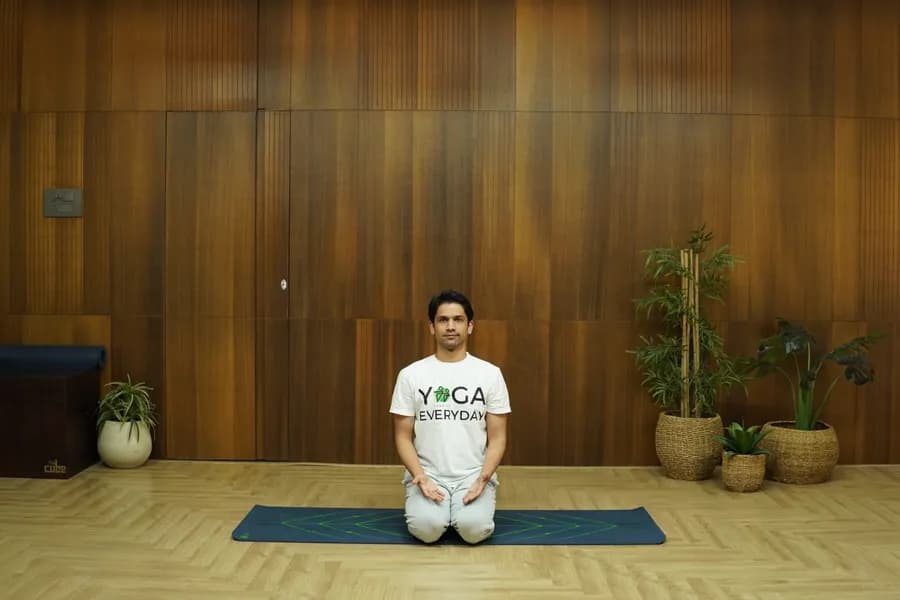
Vajrasana: How to Do It Benefits and Precautions
Practice vajrasana pose with Habuild. Try vajrasana to ease digestion, reduce back pain, and calm your mind. Ideal for all levels. Start your session today!
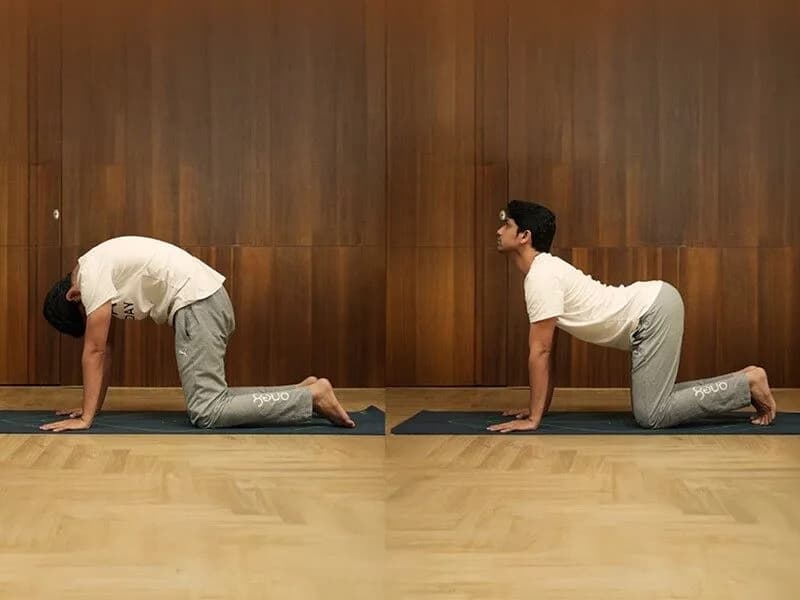
Chakravakasana (Ruddy Goose Pose): Steps, Benefits and Precautions
This four-point kneeling anti-rotation exercise builds lumbar stability and shoulder alignment, named after the ruddy shelduck of Hindu mythology. See the steps, benefits, and precautions.
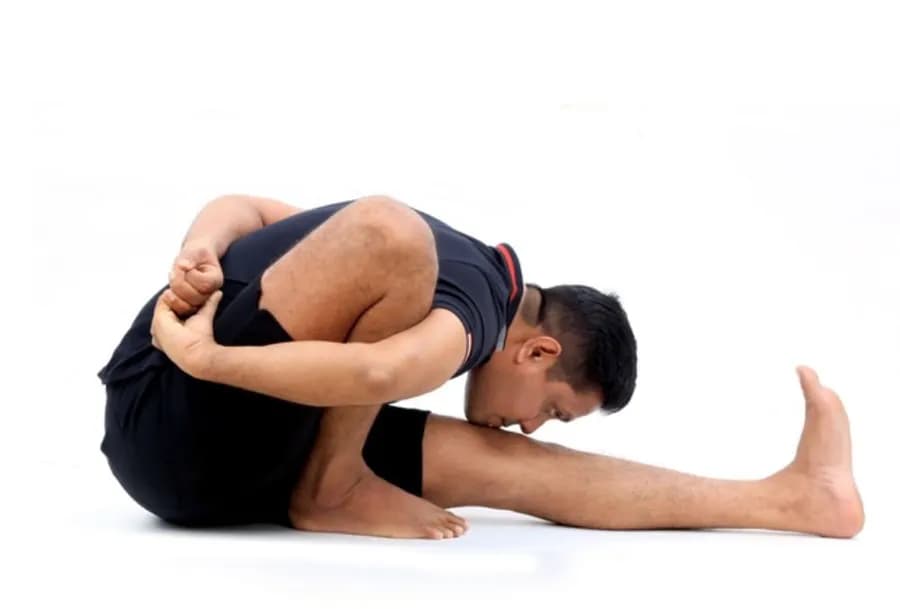
Marichyasana a (Sage Marichi’s Pose a): Steps, Benefits and Precautions
The first of four Marichi poses, this seated forward fold with one knee bent and an arm wrapped behind the back establishes the base that the more complex C and D variations build upon. See the steps, benefits, and precautions.