Loading articles…

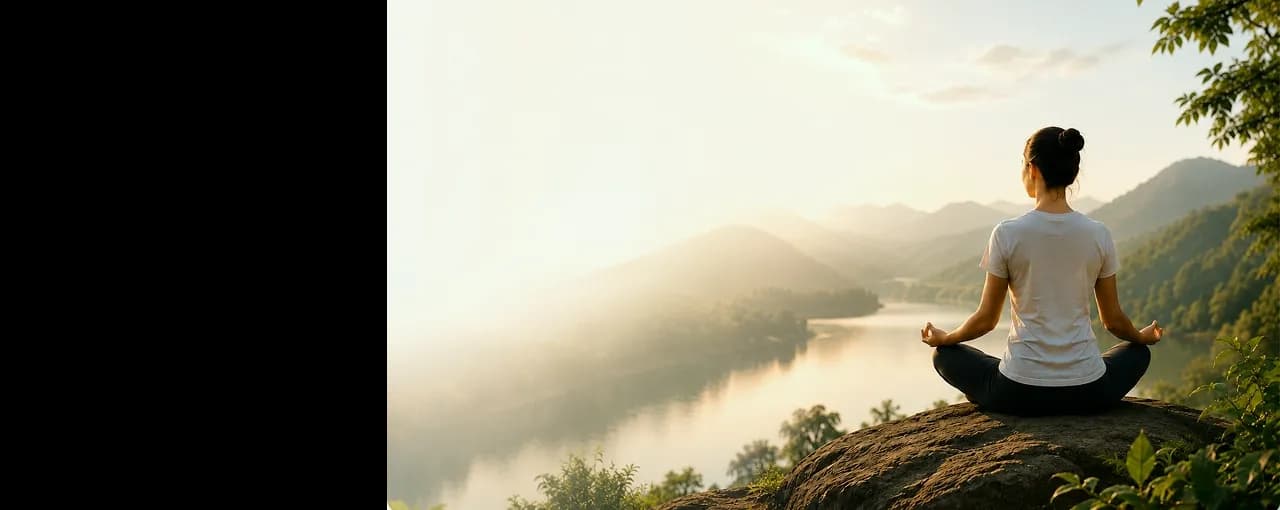
Expert guidance on yoga, wellness, nutrition, ayurveda, and the habits that transform every morning.
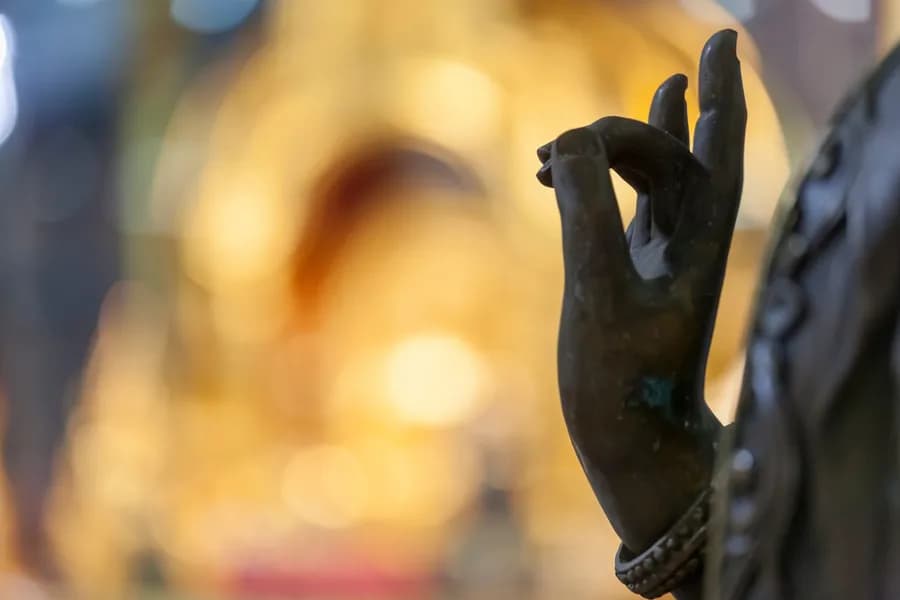
Dhyana, Bhumisparsha, Abhaya, Varada, and Vitarka each represent a specific quality of awakened consciousness depicted across Buddhist iconography. See

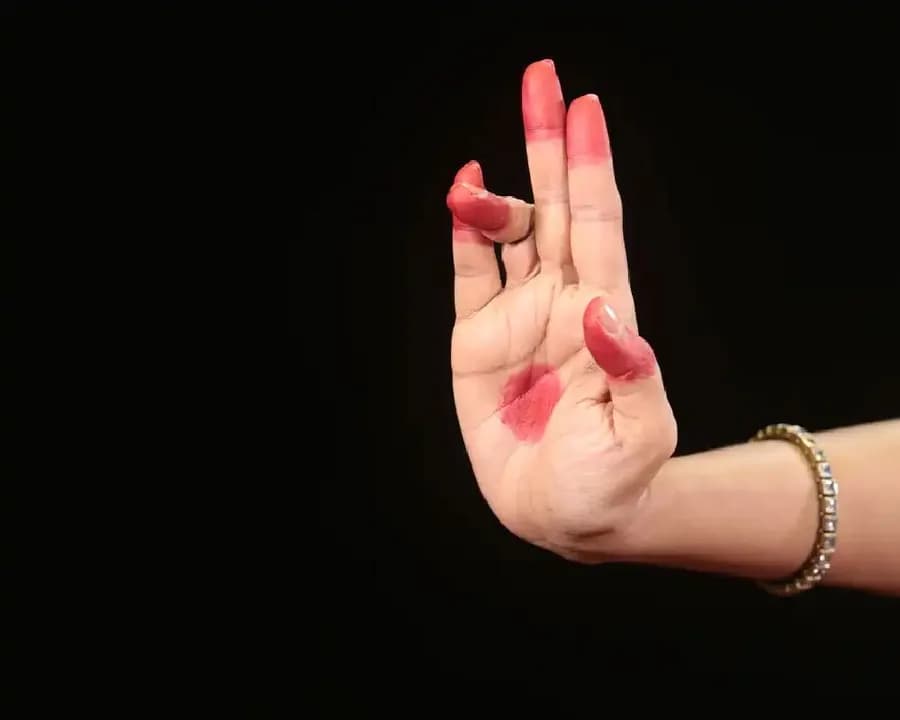
Derived from Pataka Mudra by bending the ring finger down to the palm, this gesture is used in classical dance to represent a crown, tree, or flame. See

This gesture calms nervous system hypersensitivity and interrupts the cortisol-driven vascular patterns that trigger migraines, reducing frequency over

Over 100 documented mudras redirect the flow of prana through the body’s energy channels, classified into five main types across all major yoga
Gyan Mudra, Prana Mudra, and Vayu Mudra shift the nervous system from the sympathetic fight-or-flight state to rest-and-digest, reducing baseline anxiety
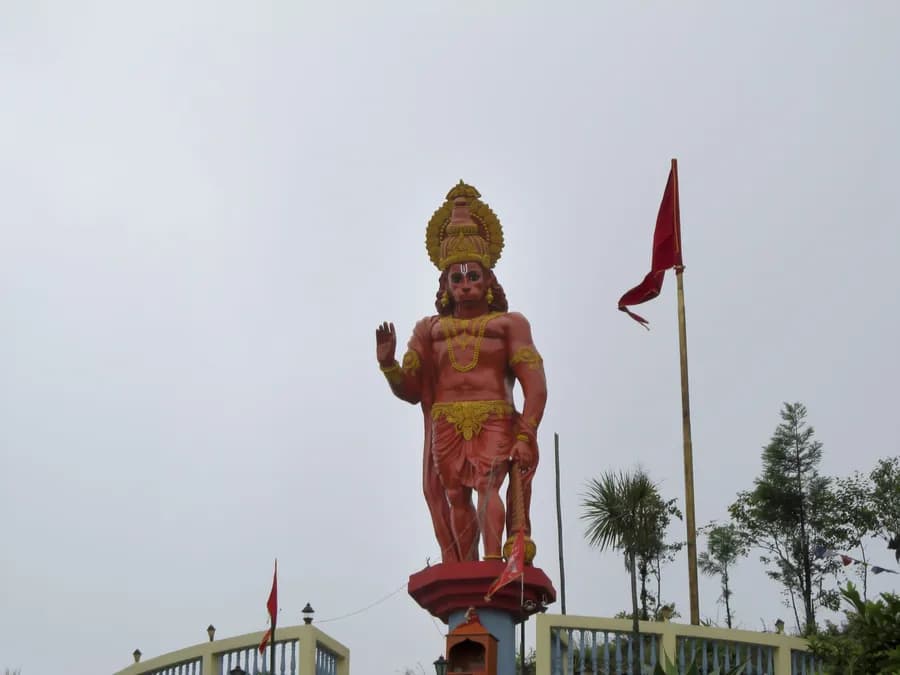
This devotional gesture invokes the qualities of Lord Hanuman — steady focus, physical strength, and devotional service consciousness. See the steps,
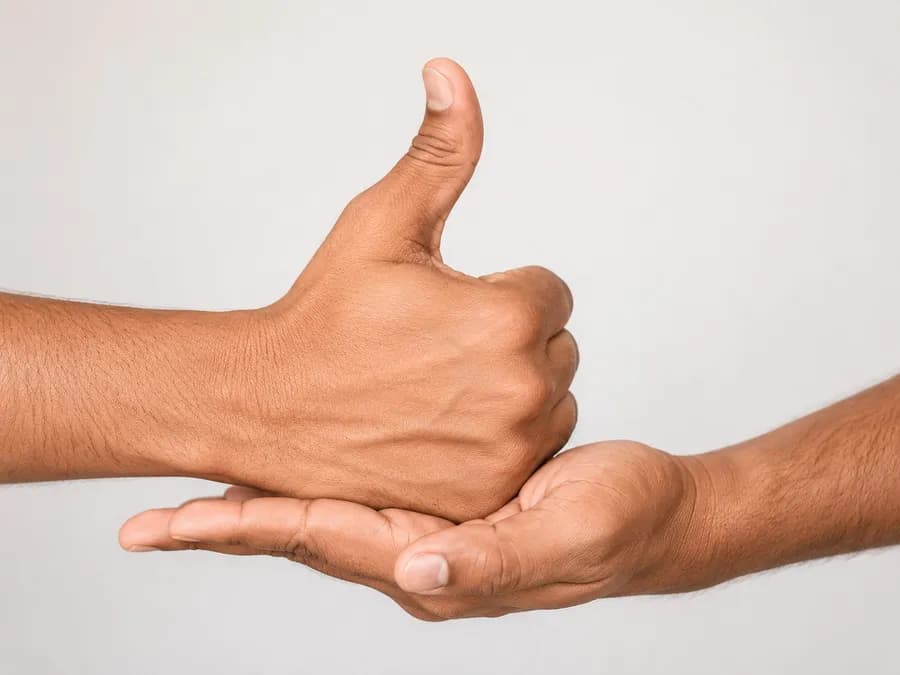
Forming the Shiva Linga gesture with both hands activates the energy of transformation and inner stillness, supporting deep meditation. See the steps,
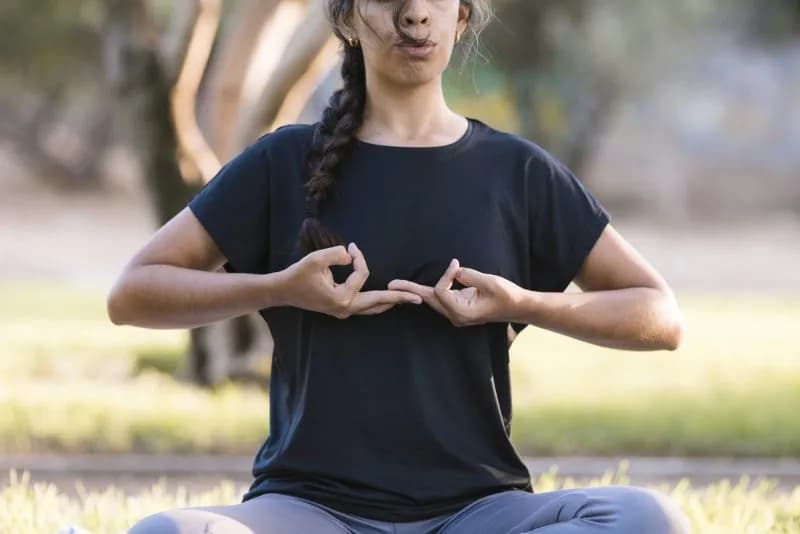
The lips purse into a pointed beak shape, mimicking a crow’s bill, drawing breath in through this narrow opening for a cooling, Pitta-calming effect. See
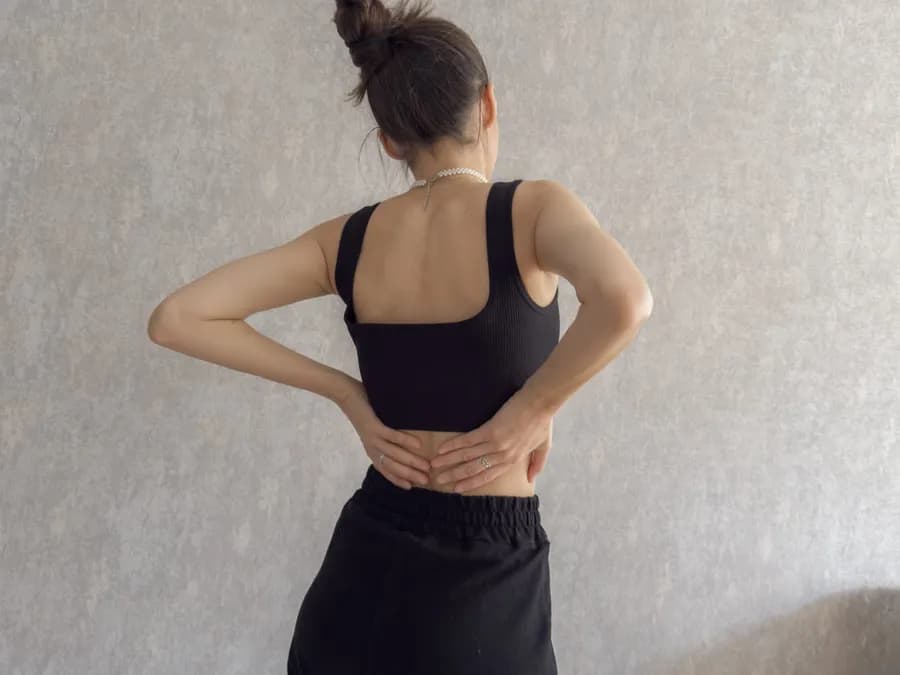
Prana Mudra, Vayu Mudra, and Apana Mudra address back pain through vital energy activation and the downward-moving pranic current governing the lower
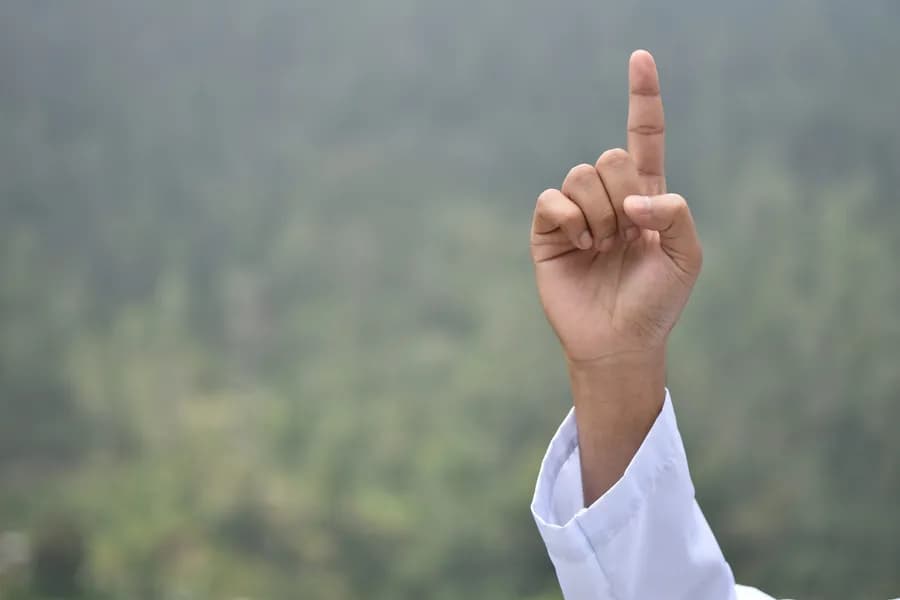
The index finger extends straight up from a closed fist, used in classical dance for singular concepts and in yoga to address constipation and intestinal
Ready to Start?
Daily yoga, strength training, health programs and a lot more - all in one place.