
Buddha Mudra (Enlightenment Gestures): Meaning, Types and Benefits
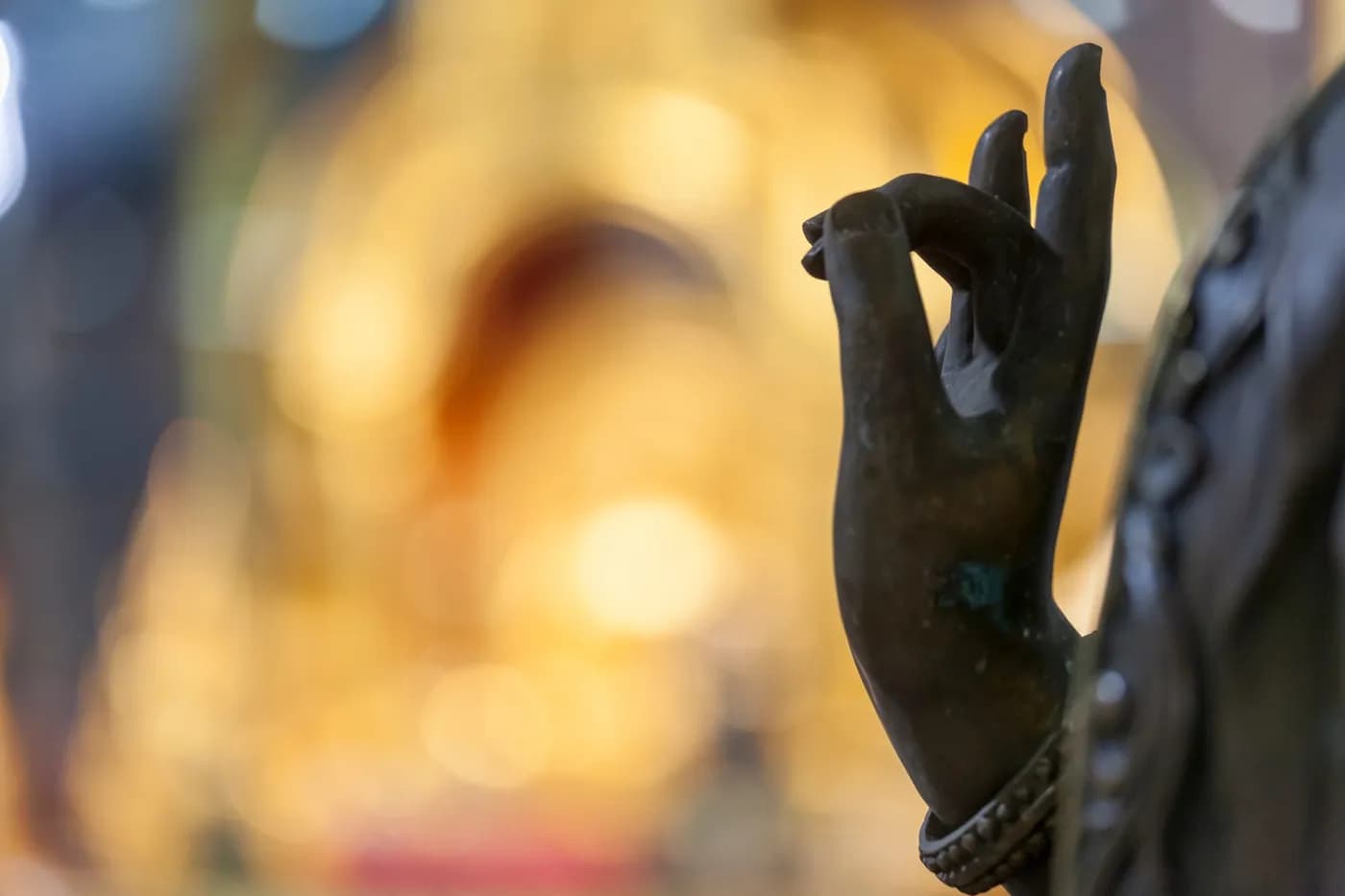
Dhyana, Bhumisparsha, Abhaya, Varada, and Vitarka each represent a specific quality of awakened consciousness depicted across Buddhist iconography. See
Key Takeaways
- The five primary gestures are Dhyana, Bhumisparsha, Abhaya, Varada, and Vitarka Mudra.
- These gestures appear consistently across Tibetan, Chinese, Japanese, Thai, and Indian art.
- Dhyana Mudra, both hands forming an oval in the lap, represents the Buddha in deep samadhi.
- Bhumisparsha, the earth-touching gesture, marks the exact moment of enlightenment specifically.
- Abhaya Mudra, palm raised outward, specifically counters the somatic signature of chronic fear.
- Connects practitioners to over 2,500 years of unbroken contemplative tradition.
What is Buddha Mudra?
The word “Buddha” means awakened or enlightened — one who has fully understood the nature of reality and been liberated from the cycle of suffering. The Buddha’s gestures in statuary and painting are not decorative but iconographically precise — each gesture identifies which aspect of awakening is being represented or invoked. These gestures were systematised in the Mahayana Buddhist tradition and appear with remarkable consistency across Tibetan, Chinese, Japanese, Thai, and Indian Buddhist art, despite centuries of geographical separation.
The five primary Buddha mudras are: Dhyana Mudra (meditation — the oval formed by both hands in the lap), Bhumisparsha Mudra (earth-touching — right hand reaching toward the earth at the moment of enlightenment), Abhaya Mudra (fearlessness — right hand raised with palm facing outward), Varada Mudra (giving — right hand extended downward with open palm), and Vitarka Mudra (teaching — right hand raised with index-thumb circle). Each of these is both an iconographic symbol representing the Buddha’s qualities and a practicable meditation gesture accessible to any practitioner.
For yoga practitioners, the Buddha mudras represent the most historically grounded and symbolically rich entry point into gesture-based meditation practice available — connecting individual practice to one of the world’s longest unbroken contemplative traditions while offering distinctly different and complementary qualities of awakened consciousness to explore through direct experience.
Buddha Mudra Benefits
Physical Benefits
- Dhyana Mudra Buddha — Deep Meditative Rest and Internal Healing The Dhyana Mudra — both hands in the lap forming an oval, thumbs lightly touching — is the meditation gesture of the Buddha in deep samadhi. This gesture produces the deepest available relaxation response of all five Buddha mudras, reducing cortisol, slowing the heart rate, and creating the physiological conditions for deep internal healing and nervous system restoration.
- Abhaya Mudra Buddha — Fear Release and Physical Protection Quality The Abhaya or Fearlessness Mudra — right hand raised, palm outward — activates the energy associated with physical confidence and freedom from the chronic physical tension of fear. Regular practice gradually reduces the somatic signature of fear — the raised shoulders, contracted chest, forward head — that chronic anxiety deposits in the body structure.
- Bhumisparsha Mudra Buddha — Unshakeable Grounding and Witness Consciousness The Earth-Touching Mudra of the Buddha at the moment of enlightenment cultivates the specific quality of immovable, grounded awareness that is the Buddha’s most characteristic psychological quality. For practitioners dealing with anxiety, existential instability, or easily destabilised emotional states, Bhumisparsha Mudra builds the inner ground that makes equanimity possible.
- Varada Mudra Buddha — Generosity, Openness, and Unconditional Giving Varada Mudra — the right hand extended downward with open palm, offering — is the gesture of the giving Buddha and the bodhisattvas of compassion. Practising this gesture with the intention of generosity and giving cultivates the open-handed quality of consciousness that is the antidote to the grasping, holding pattern that drives most forms of suffering.
- Vitarka Mudra Buddha — Clarity, Discernment, and the Teaching Mind The teaching gesture of the Buddha activates clarity of mind, confident expression, and the discriminating intelligence that sees through confusion to the essential truth of a situation. Covered in depth in the Vitarka Mudra page — see Related Articles below.
Mental and Emotional Benefits
Bhumisparsha Mudra Buddha — Unshakeable Grounding and Witness Consciousness
The Earth-Touching Mudra of the Buddha at the moment of enlightenment cultivates the specific quality of immovable, grounded awareness that is the Buddha’s most characteristic psychological quality. For practitioners dealing with anxiety, existential instability, or easily destabilised emotional states, Bhumisparsha Mudra builds the inner ground that makes equanimity possible.
Varada Mudra Buddha — Generosity, Openness, and Unconditional Giving
Varada Mudra — the right hand extended downward with open palm, offering — is the gesture of the giving Buddha and the bodhisattvas of compassion. Practising this gesture with the intention of generosity and giving cultivates the open-handed quality of consciousness that is the antidote to the grasping, holding pattern that drives most forms of suffering.
Vitarka Mudra Buddha — Clarity, Discernment, and the Teaching Mind
The teaching gesture of the Buddha activates clarity of mind, confident expression, and the discriminating intelligence that sees through confusion to the essential truth of a situation. Covered in depth in the Vitarka Mudra page — see Related Articles below.
Preparatory Poses for Buddha Mudra Practice
- Sukhasana — 5 minutes: Simple cross-legged sitting is the traditional posture for all five Buddha mudras. Establishing a stable, comfortable seated position before beginning ensures the physical ease that allows full attention to the gesture and its quality.
- Gentle chest opener — 1 minute: Interlacing the fingers behind the back and lifting the chest prepares the heart-opening quality that Varada and Abhaya Mudra cultivate.
Variations of Buddha Mudra Practice
Variation 1: Single Buddha Mudra — Deep Immersion (Beginner to Advanced)
Choose one of the five Buddha mudras and hold it exclusively for 20 to 30 minutes per session over a period of weeks. This immersive approach develops deep familiarity with the specific quality of that gesture and its effect on consciousness — the traditional approach in Buddhist contemplative training.
Variation 2: Five-Mudra Rotation — Complete Buddha Qualities Session (Intermediate)
Hold each of the five Buddha mudras for 5 minutes in sequence: Dhyana → Bhumisparsha → Abhaya → Varada → Vitarka. The 25-minute rotation exposes consciousness to the full spectrum of awakened qualities in a single session. Note how each quality colours the experience of the subsequent gesture.
Variation 3: Buddha Dhyan Mudra — Extended Dhyana Practice (Intermediate to Advanced)
Hold Dhyana Mudra exclusively for 30 to 45 minutes — the deep meditation gesture of the Buddha in samadhi. This extended Dhyana practice is the most direct available mudra entry point into the meditative depth that the entire Buddha mudra tradition points toward.
Common Mistakes to Avoid in Buddha Mudra Practice
- Treating the Gestures as Decorative Rather Than Functional The power of Buddha mudras depends entirely on the quality of intention and awareness brought to them. Holding the gestures as physical shapes without the corresponding meditative intention produces the shape — not the effect. Each mudra requires a clear, consciously held orientation toward the quality it represents.
- Confusing the Five Mudras with Each Other Dhyana (hands in lap oval), Bhumisparsha (right hand to earth), Abhaya (right hand raised palm out), Varada (right hand extended downward palm out), and Vitarka (right hand raised index-thumb circle) are distinct gestures with distinct applications. Clarity about which gesture is being practised and why is essential to the practice’s effectiveness.
- Studying Them as Iconography Without Practising Them Many practitioners study the Buddha mudras as historical and artistic content — describing them accurately without ever holding them. The knowledge of the mudra is not the mudra. The gestures reveal their quality only through direct, sustained practice.
- 14-Day Free Trial 650,000+ people building better habits every morning every morning
Live daily sessions · Real-time corrections · Cancel anytime
How Habuild Teaches You Buddha Mudra
Those Interested in Buddhist Practice and Iconography
For practitioners with a Buddhist orientation or those preparing for UPSC examinations that include Buddhist art history, practising the Buddha mudras provides the most direct possible understanding of their meaning and significance.
Those Seeking a Complete System of Contemplative Qualities
The five Buddha mudras together represent a complete map of awakened qualities — stillness (Dhyana), grounding (Bhumisparsha), fearlessness (Abhaya), generosity (Varada), and clarity (Vitarka). Practitioners seeking a comprehensive contemplative framework find the five gestures provide a structured, mutually illuminating system.
Is Buddha Mudra Good for Beginners?
Yes — individual Buddha mudras, particularly Dhyana and Bhumisparsha, are among the most accessible and beginner-friendly meditation gestures available. Beginners are encouraged to start with Dhyana Mudra — the simplest and most calming — and build from there.
What Consistent Buddha Mudra Practice Produces
The Buddha mudras are among the most historically grounded, symbolically rich, and practically effective gesture-based meditation tools available to any practitioner regardless of religious background. Their five qualities — stillness, grounding, fearlessness, generosity, and clarity — are not specifically Buddhist attributes but universal human capacities, available to all practitioners willing to approach the gestures with sincerity and sustained attention.
The tradition that preserved these gestures across twenty-five centuries and multiple civilisations did so because they work — because practitioners across centuries found that holding these specific gestures with specific intentions in specific postures produced the specific qualities they represent. That durability of transmission is itself a form of evidence that no laboratory study can replicate.
Habuild’s morning sessions introduce the Buddha mudras within the context of their tradition and their practical application — providing the understanding, guidance, and consistent daily structure that allows these ancient gestures to produce their contemporary benefit for practitioners of all backgrounds.
Each of the five Buddha Mudras offers a meditative portal into a specific quality of awakened consciousness, but a portal only opens with repeated visits — sitting with one gesture once is closer to sightseeing than practice. Choosing one to work with regularly, as part of a daily meditation routine, lets its particular quality actually settle into your awareness. Habuild’s Yoga Everyday program gives that kind of contemplative practice a consistent daily slot.
Frequently Asked Questions
Related Articles
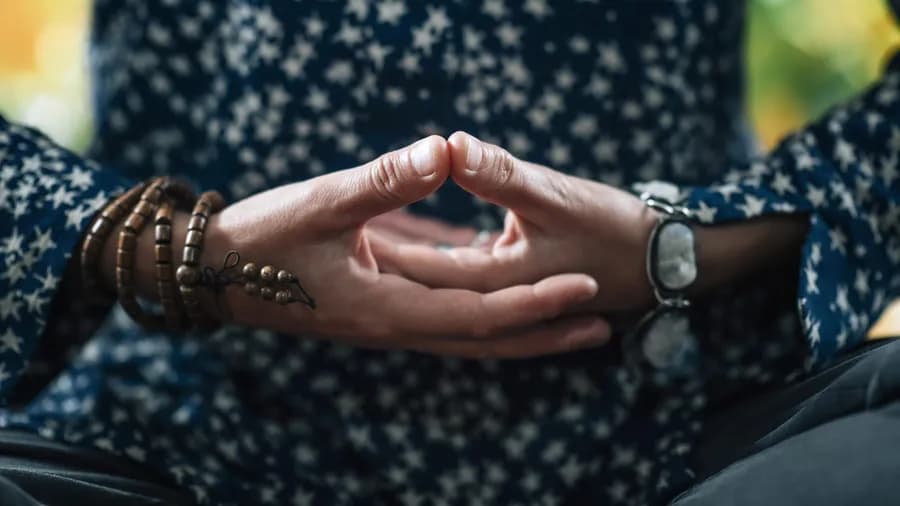
Dhyana Mudra: How to Practice and Its Benefits for Meditation
Practice Dhyana Mudra with Habuild. Follow the meditation hand gesture steps to calm the mind, deepen concentration, and support your daily practice. Start!

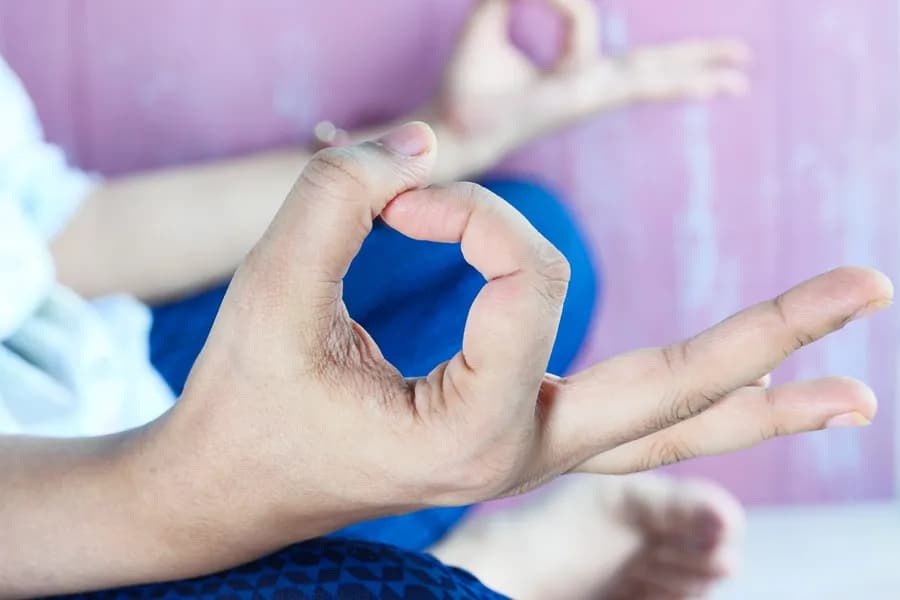
Gyan Mudra: How to Do It and Its Benefits for Focus and Memory
Practice Gyan Mudra with Habuild. Follow the wisdom hand gesture steps to improve focus, reduce anxiety, and enhance your meditation practice. Start today!
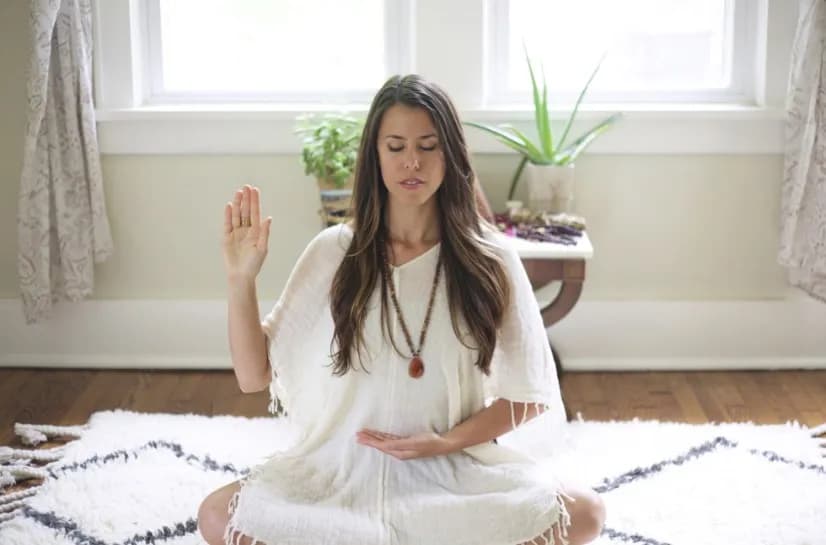
Abhaya Mudra: Meaning How to Practice and Its Benefits for Peace
Practice Abhaya Mudra with Habuild. Follow the fearlessness hand gesture steps to reduce anxiety, build confidence, and cultivate inner courage. Start today!