
Mudra in Yoga: Complete Guide to Types, Benefits and Practice
Over 100 documented mudras redirect the flow of prana through the body’s energy channels, classified into five main types across all major yoga

Key Takeaways
- Over 100 documented mudras exist in yoga, classified into five main categories.
- The five categories are Hasta, Mana, Kaya, Bandha, and Adhara mudras specifically.
- Its Sanskrit root combines ‘mud,’ joy or bliss, and ‘dravay,’ to draw forth.
- Described across the Hatha Yoga Pradipika, Gheranda Samhita, Shiva Samhita, and Natya Shastra.
- Hasta Mudras, hand gestures, are the most widely practised and the typical entry point.
- The five elemental hand mudras – earth, water, fire, air, space – form the therapeutic foundation.
What is Mudra in Yoga?
The Sanskrit word “mudra” derives from the root “mud” (joy, bliss) and “dravay” (to draw forth) — collectively meaning the gesture that draws forth inner joy or awakening. In the classical yoga tradition, mudras are described in the Hatha Yoga Pradipika, the Gheranda Samhita, the Shiva Samhita, and the Natya Shastra as specific techniques that seal prana within the body, redirect its flow through designated channels (nadis), and produce precise effects on the physical body, nervous system, endocrine system, and states of consciousness.
The five primary categories of mudra in yoga are: Hasta Mudras (hand gestures — the most widely practised), Mana Mudras (head and face gestures — including Shanmukhi and Khechari), Kaya Mudras (postural gestures — including Viparita Karani and Yoga Mudra), Bandha Mudras (energy lock seals — including Mula, Uddiyana, and Jalandhara Bandha), and Adhara Mudras (perineal/root gestures — advanced practices). Hasta Mudras are the entry point for most practitioners and form the primary focus of therapeutic and meditative mudra practice.
In modern yoga, the most commonly practised types of mudra in yoga include: Gyan/Chin Mudra (wisdom and meditation), Dhyana Mudra (deep stillness), Anjali Mudra (prayer and gratitude), Prana Mudra (vital energy), Apana Mudra (elimination and cleansing), Vayu Mudra (air element and nerve calming), Prithvi Mudra (earth element and grounding), and the five elemental mudras that form the therapeutic foundation of Hasta Mudra practice. For UPSC preparation and academic understanding of Indian culture, Vishnu mudra in yoga is also important — the hand position used in Nadi Shodhana pranayama.
Types of Mudra in Yoga and Their Benefits
Physical Benefits
- Hasta Mudras — Hand Gesture Mudras for Elemental Balance The five elemental hand mudras — Prithvi (earth), Varun (water), Agni (fire), Vayu (air), and Akash (space) — form the therapeutic foundation of hasta mudra practice. Each addresses the body system governed by its corresponding element: earth for growth and nourishment, water for fluid balance and skin health, fire for digestion and metabolism, air for the nervous system, and space for hearing and the hollow cavities of the body.
- Bandha Mudras — Energy Lock Seals for Internal Activation Mula Bandha (root lock), Uddiyana Bandha (abdominal lock), and Jalandhara Bandha (chin lock) are the three primary Bandha Mudras. They are used in advanced pranayama and meditation to seal and circulate prana within the body’s central channel rather than allowing it to dissipate through the periphery. These are physically engaging practices that strengthen the pelvic floor, abdominal organs, and cervical region.
- Mana Mudras — Face Gestures for Sensory Withdrawal Shanmukhi Mudra (six-gate closure), Khechari Mudra (tongue seal), and Nasagra Drishti (nasal gaze) are Mana Mudras that work through the face and sensory organs to produce states of deep Pratyahara (sensory withdrawal) — the fifth limb of Patanjali’s Ashtanga Yoga. These gestures produce the rapid meditative internalization that hand mudras alone cannot achieve, making them among the most powerful tools in the advanced mudra system.
- Kaya Mudras — Postural Seals for Energy Reversal Viparita Karani (inverted action — legs up the wall), Pashinee Mudra (the folded gesture), and Yoga Mudra (seated forward fold with bound arms) are Kaya Mudras — full-body postures that function as energetic seals by reversing the normal gravitational direction of energy flow. These practices are associated with the reversal of ageing processes in classical texts and are used in Kundalini yoga contexts for their powerful energetic effects.
Mental and Emotional Benefits
Mana Mudras — Face Gestures for Sensory Withdrawal
Shanmukhi Mudra (six-gate closure), Khechari Mudra (tongue seal), and Nasagra Drishti (nasal gaze) are Mana Mudras that work through the face and sensory organs to produce states of deep Pratyahara (sensory withdrawal) — the fifth limb of Patanjali’s Ashtanga Yoga. These gestures produce the rapid meditative internalization that hand mudras alone cannot achieve, making them among the most powerful tools in the advanced mudra system.
Kaya Mudras — Postural Seals for Energy Reversal
Viparita Karani (inverted action — legs up the wall), Pashinee Mudra (the folded gesture), and Yoga Mudra (seated forward fold with bound arms) are Kaya Mudras — full-body postures that function as energetic seals by reversing the normal gravitational direction of energy flow. These practices are associated with the reversal of ageing processes in classical texts and are used in Kundalini yoga contexts for their powerful energetic effects.
how to practise the most important types, and which conditions each mudra addresses is foundational to a complete yoga practice.
Variations of Mudra Practice in Yoga
Variation 1: Single Mudra Deep Practice (Beginner to Advanced)
Choose one mudra and practise it exclusively for 30 days — 30 minutes daily. This depth-over-breadth approach produces the deepest familiarity with a gesture’s specific quality and is the traditional way mudras were transmitted — one gesture at a time, mastered before the next is introduced.
Variation 2: Elemental Mudra Rotation (Intermediate)
Practise all five elemental mudras (earth, water, fire, air, space) in rotation — 5 minutes each in a single session. This rotation provides a comprehensive elemental balance check and addresses multiple systems simultaneously. Particularly useful for practitioners dealing with multiple conditions or seeking general constitutional balancing.
Variation 3: Mudra Integrated into Asana Practice (Intermediate to Advanced)
Hold specific Hasta Mudras during asana practice — for example, Gyan Mudra during Virabhadrasana II, Prana Mudra during Tadasana, or Dhyana Mudra during Shavasana. This integration multiplies the benefit by combining the asana’s physical activation with the mudra’s energetic direction simultaneously.
Common Mistakes in Mudra Practice in Yoga
- Holding Mudras for Insufficient Duration The single most common mistake in mudra practice in yoga is holding gestures for two to three minutes and expecting meaningful results. The minimum effective duration for most Hasta Mudras is 10 minutes per session — and the most significant therapeutic benefits appear only with consistent daily practice over weeks.
- Forming Gestures Without Intention What mudra is in yoga is not merely a hand shape — it is a conscious gesture with a specific purpose. Forming mudras mechanically without clarity about the intention each gesture carries reduces them to empty form and misses their transformative potential.
- Attempting Advanced Practices Without Foundation Bandha Mudras, Mana Mudras, and Adhara Mudras require a prepared foundation of asana, pranayama, and basic Hasta Mudra practice. Attempting advanced mudra practices without this foundation produces limited benefit at best and disorienting experiences at worst.
- Practising with Tension in the Hands Tension in the hand during mudra practice is the most common physical error. Every mudra should feel passive and effortless — the gesture is held, not gripped. Any sense of muscular effort in the hands indicates excessive tension that blocks the very channels the gesture is designed to open.
- 14-Day Free Trial 650,000+ people building better habits every morning every morning
Live daily sessions · Real-time corrections · Cancel anytime
How Habuild Teaches You Mudra in Yoga: Complete Guide to Types, Benefits and Practice
- Complete Beginners to Yoga Hasta Mudras are the most accessible entry point into yoga practice — requiring no flexibility, no mat, no equipment, and no physical fitness. They can be practised by anyone who can sit comfortably for 10 to 15 minutes. Gyan Mudra and Prana Mudra are the ideal starting gestures for complete beginners.
- Those with Specific Health Conditions The therapeutic mudra system — particularly the five elemental mudras and the condition-specific gestures covered elsewhere on this site — provides a targeted, non-invasive complementary approach for a wide range of health conditions including digestive disorders, respiratory conditions, cardiovascular health, musculoskeletal pain, and nervous system conditions.
- Advanced Yoga Practitioners Deepening Their Practice For experienced asana practitioners, integrating Hasta Mudras into existing practice adds the energetic dimension that asana alone cannot provide. The combination of correct asana alignment, pranayama, and mudra represents the complete physical practice system described in classical Hatha Yoga texts.
- Is Mudra in Yoga Good for Beginners? Absolutely. Hasta Mudras are specifically designed to be the most accessible component of the entire yoga system. Any person who can sit and hold a gentle hand position can practise mudra. The depth of the practice expands with understanding and consistent attention — but the entry point requires nothing from the practitioner except willingness to sit quietly for 10 minutes.
What Consistent Mudra in Yoga: Complete Guide to Types, Benefits and Practice Practice Produces
Mudra in yoga is the system of precise gestures that transforms the hands into instruments of healing, meditation, and consciousness development. With over 100 documented mudras spanning five major categories — Hasta, Mana, Kaya, Bandha, and Adhara — the mudra system represents one of the most comprehensive, accessible, and therapeutically complete components of the entire yoga tradition.
Every practitioner, at every stage of their yoga journey, has access to mudras appropriate for their current level and needs. Whether you are a complete beginner seeking your first 10-minute daily practice or an advanced practitioner integrating Bandha and Mana Mudras into a sophisticated sadhana, the mudra system meets you where you are and grows with your practice.
Habuild’s morning sessions include systematic mudra instruction across all major gesture categories — building practitioners from foundational Hasta Mudras through therapeutic applications and into meditative and advanced practices — within a daily live session that provides both the guidance and the consistent structure that makes mudra practice genuinely transformative.
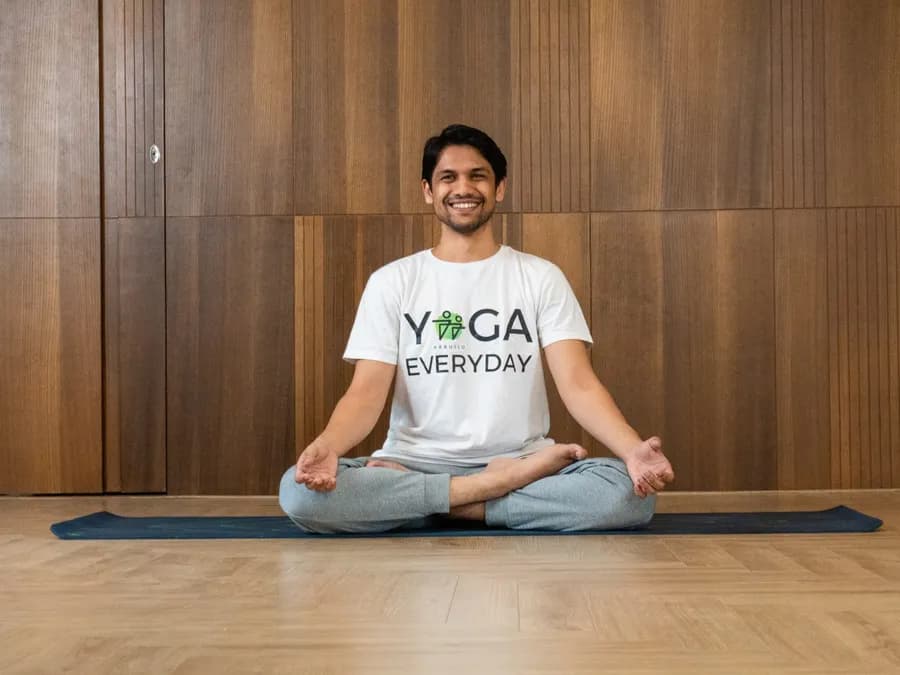
Reading about the mudra system is a useful starting point, but the redirection of prana these gestures are designed for only happens through repeated, embodied practice — this is a guide meant to be applied, not just understood. Pick one or two mudras that match what you’re working on and return to them daily rather than trying all of them once. Habuild’s Yoga Everyday program is a structured way to actually put a daily mudra and asana practice in place.
Frequently Asked Questions
Related Articles
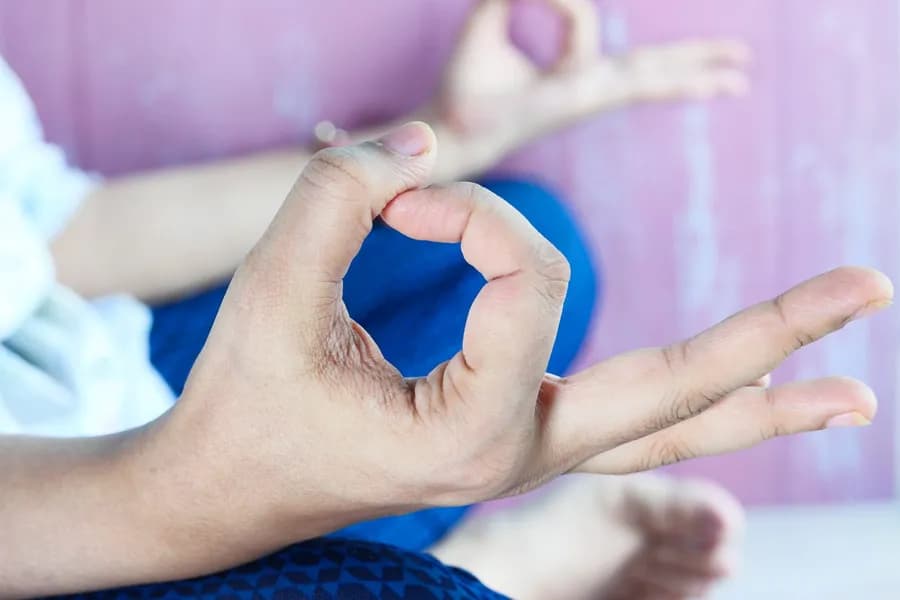
Gyan Mudra: How to Do It and Its Benefits for Focus and Memory
Practice Gyan Mudra with Habuild. Follow the wisdom hand gesture steps to improve focus, reduce anxiety, and enhance your meditation practice. Start today!
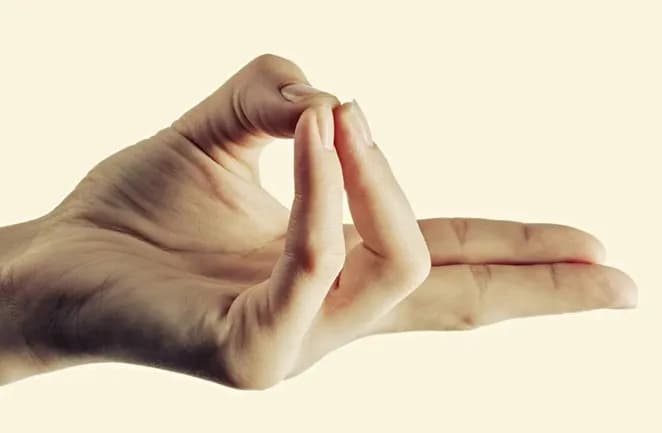
Prana Mudra: How to Practice and Its Life Energy Benefits
Practice Prana Mudra with Habuild. Follow the life force hand gesture steps to boost energy, strengthen immunity, and improve your eye health. Start today!
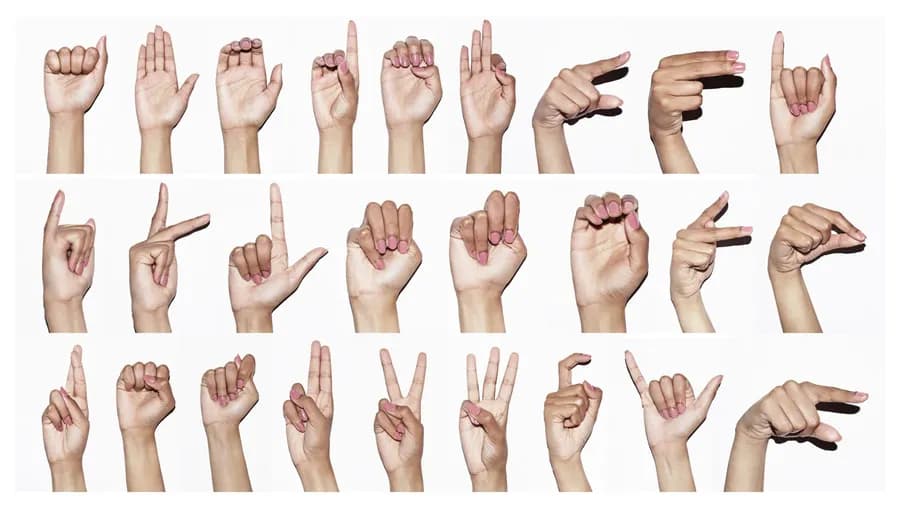
Hasta Mudras: A Complete Guide to Hand Gestures and Their Benefits
Practice hasta mudras with Habuild. Explore the best yoga hand gestures to balance the five elements, direct prana, and support health and healing. Start today!
Pranayama Asana: A Guide to Breathing Poses Benefits and Practice
Practice Pranayama Asana with Habuild. Learn pranayama breathing types, steps, and benefits for lung health, stress relief, and daily vitality. Start today!
