
A 100 Gram Protein Diet: A Practical Vegetarian Example
See how a suitable protein target can be built from ordinary meals without compulsory shakes.

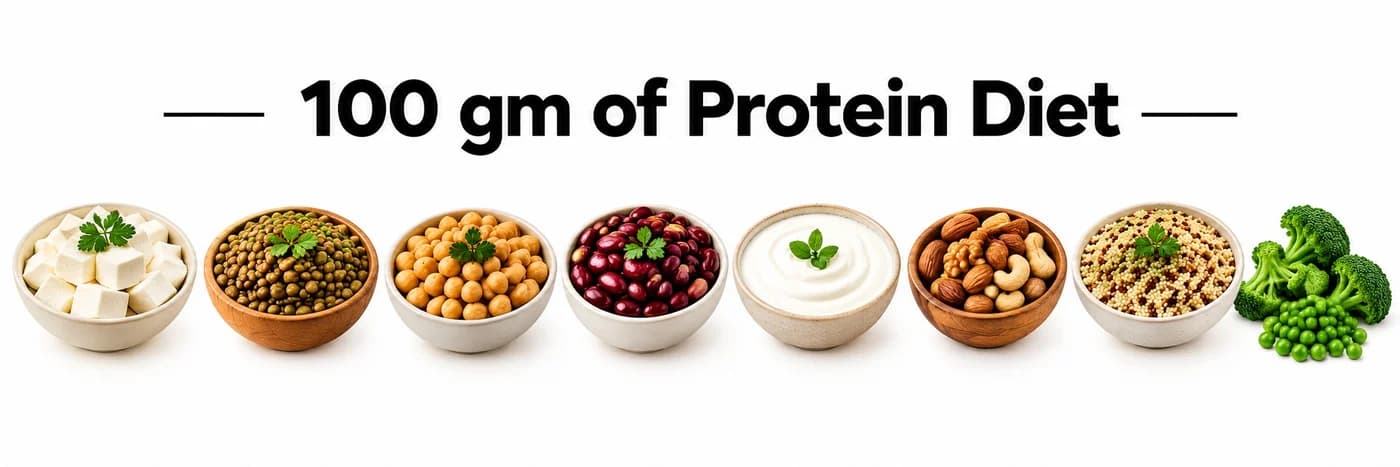
Key Takeaways
- 100 g of protein is not a requirement for every adult.
- Count the protein, not the weight of the food.
- Spread protein foods across the day.
- Protein powder is optional, not essential.
Eating 100 g of protein in a day is possible with vegetarian food, but it is not a requirement for every adult. The useful first question is whether that target fits your body, activity and health. If it does, spreading protein foods across the day is easier than trying to squeeze most of them into dinner. You can use familiar meals rather than build the entire day around shakes.
Is 100 g the right target for you?
Protein needs vary with body size, age, activity and circumstances such as pregnancy or recovery. Someone who trains regularly may have different needs from a smaller, less active adult.
A round number can be convenient for planning, but it is not automatically a personalised recommendation. More protein does not guarantee faster fat loss or more muscle if the rest of the routine is unsuitable.
People with kidney disease or a prescribed protein restriction need an individual plan. Do not start a high-protein diet because a general fitness menu looks healthy. The target should serve your needs, rather than become a number you feel obliged to reach.
Count the protein, not the weight of the food
One hundred grams of paneer is not 100 g of protein. It is 100 g of food containing protein, fat, water and other components. The same distinction applies to tofu, dal and protein powder.
Dry and cooked weights also differ. Soy chunks absorb water during preparation; cooked dal may contain very different amounts of water between households.
For a useful estimate, keep the form clear. A cup of thick cooked lentils is different from a cup of thin dal with only a little pulse in it. Using the wrong form can make a plan appear much higher in protein than it really is.
An example day close to 100 g
The following estimates illustrate how ordinary foods can add up. They are not an exact prescription, and the rest of the meal should include vegetables, fruit and enough food for your appetite.
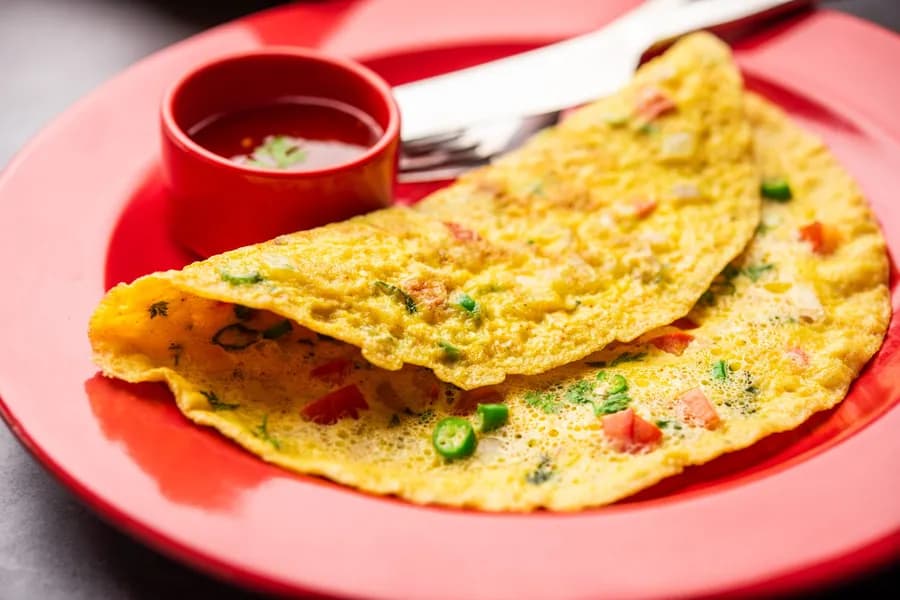
- Breakfast: besan chilla made with about 60 g besan, plus 250 ml milk. Approximate protein: 21 g.
- Lunch: about one cup of thick cooked lentils with two medium wholewheat rotis and vegetables. Approximate protein from lentils and rotis: 24 g.
- Snack, divided if preferred: 200 g plain curd, 30 g peanuts and another 250 ml milk. Approximate protein: 22 g.
- Dinner: a vegetable dish made with 50 g dry soy chunks, served with a cup of cooked rice. Approximate protein from soy, rice and vegetables: 33 g.
Together, these estimates come to about 100 g. Actual values vary with flour quantity, milk type, curd, recipe and the soy product. This is a full day's food pattern, not four supplements to add on top of your usual meals.
Why spreading it out helps
Several substantial protein opportunities are easier to manage than one enormous serving. You can also adjust the pattern to your timetable rather than forcing a large snack at one sitting.
For example, have the second milk serving earlier in the evening and keep curd and peanuts for an afternoon snack. If you train before dinner, choose the arrangement that feels comfortable rather than eating everything immediately beforehand.
There is no need to hit a perfect figure at every meal. The daily pattern and consistency matter more than anxiety about a few grams. Once you understand your usual foods, constant tracking may be unnecessary.
Make swaps without assuming equal weights
Tofu, paneer, beans and soy chunks have different protein concentrations. Replacing 50 g of dry soy chunks with 50 g of tofu will not preserve the same protein amount.
Paneer can be a useful alternative, but its fat and energy contribution also varies. Strained high-protein yoghurt can differ substantially from ordinary curd. Choose a swap based on the actual serving rather than a shared healthy-food reputation.
You do not need every food in the example. If you dislike soy or avoid dairy, build a different combination. The target may require more planning, but forcing foods that repeatedly cause discomfort is not a good long-term solution.
Nuts are useful, but not the whole protein plan
Peanuts and other nuts contribute protein as well as fat and energy. They can make a snack satisfying, but very large portions are not the most efficient way to increase protein.
A small handful can sit alongside curd or another food. Adding several handfuls to reach a number can make the day much higher in energy than intended.
Likewise, a sprinkle of seeds is an addition, not always the main protein component. Look for meaningful servings of pulses, soy, dairy or another suitable source before adding more toppings.
Keep fibre, vegetables and carbohydrate
A protein goal should not crowd out the rest of nutrition. Pulses already bring carbohydrate and fibre, while rice, roti, fruit and vegetables can support energy, variety and meal satisfaction.
If strength or muscle is the goal, resistance training and adequate overall food matter too. Protein cannot compensate fully for a routine of missed meals, poor sleep and little progressive exercise.
For fat loss, the day's total food still needs to fit your needs. The example above may provide more energy or volume than some people need, so it should not be copied automatically as a weight-loss plan.
Do you need protein powder?
Not necessarily. Powder can be convenient when appetite, travel or a restricted diet makes the target difficult. It should solve a practical gap rather than become compulsory because the target is three digits.
Count the protein in a serving, not the scoop's total weight. Choose a product that suits any allergy or intolerance, and do not confuse a sweetened nutrition drink with a high-protein supplement.
Begin with the meals you can repeat. If your current day contains little protein at breakfast and lunch, improve those first. Reaching an appropriate target comfortably is more useful than hitting 100 g once through an elaborate menu you cannot sustain.
Editorial sources
Frequently Asked Questions
Related Articles
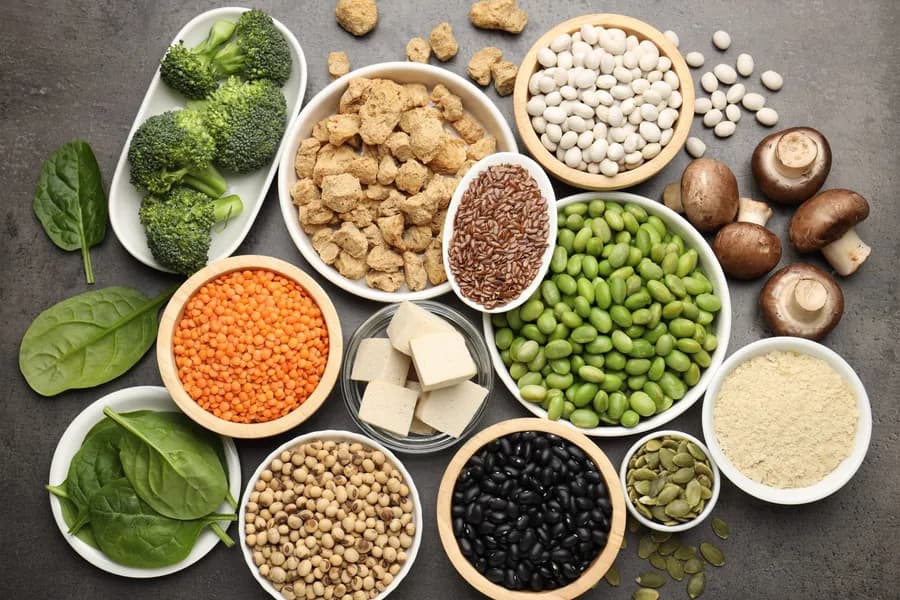
High Protein Vegetarian Foods: The Complete Indian Food List
Indian kitchens are already full of high protein vegetarian foods — dals, paneer, tofu, soy, and dairy. See the complete list, with protein counts, and.

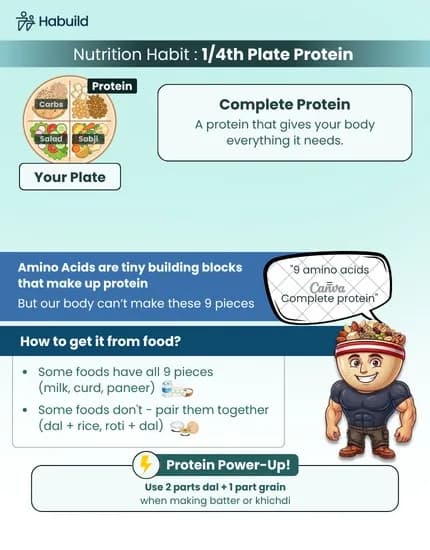
Complete Protein Foods: Can Vegetarian Meals Cover Your Protein Needs?
You do not need to combine foods at every meal. What matters is how much protein you eat overall, how varied your food is and whether you eat enough.

Vegetarian Muscle Building Diet: A Full, Practical Approach
A well-planned vegetarian diet can build strength just as effectively as any other approach, when protein, calories, and training are structured right..
Tofu vs Paneer: Protein, Calcium, Fat and Best Uses
How tofu and paneer compare on protein, calcium, fat, tolerance and cooking, and why alternating them often works better than picking a winner.