
Apricot Benefits: Fresh vs Dried, Nutrition and Portions
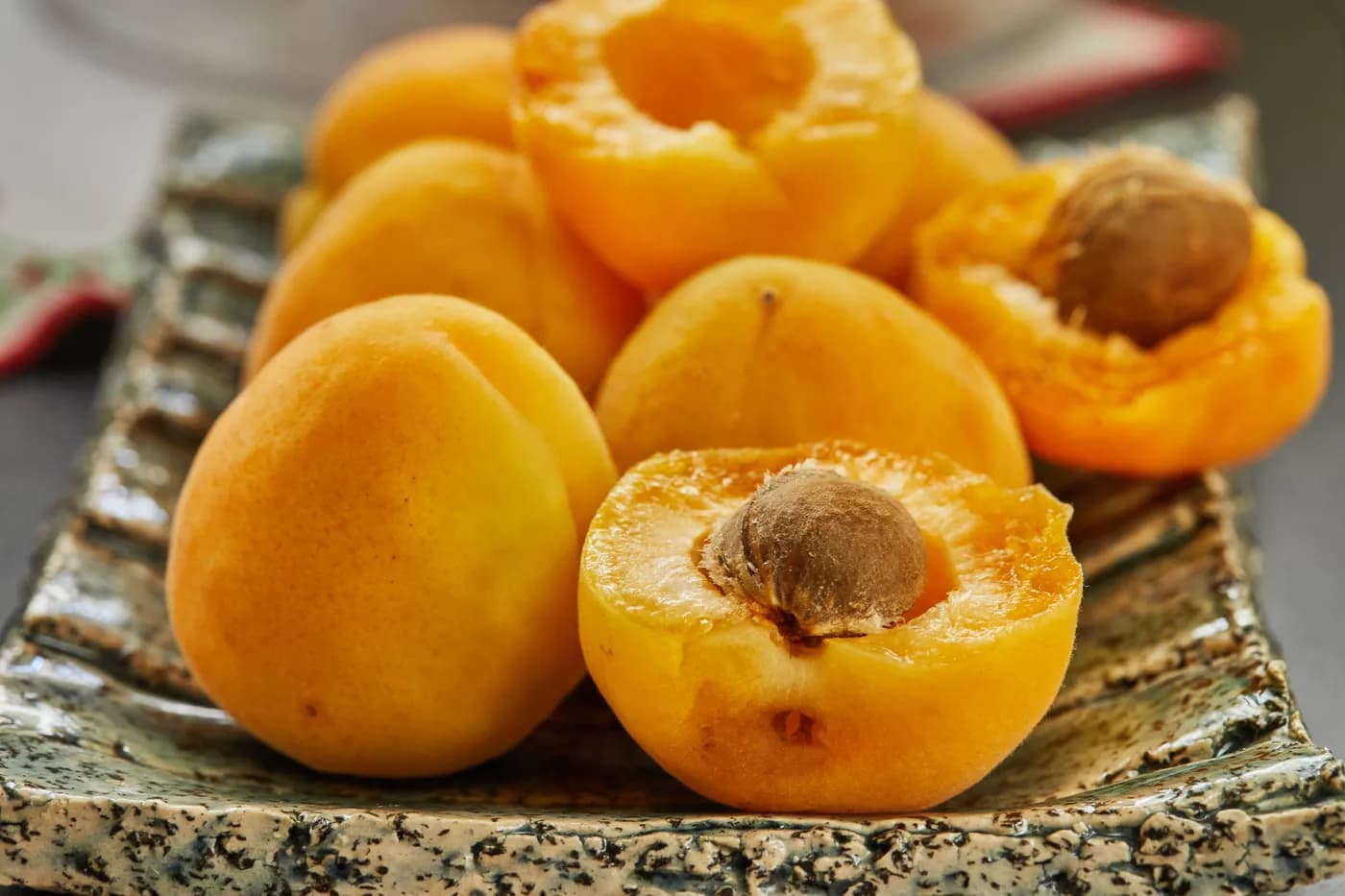
Apricots are orange stone fruits rich in carotenoids and fibre. Drying concentrates their sugar, so fresh and dried portions differ.
Key Takeaways
- Fresh apricots provide water, fibre, potassium, vitamin C and carotenoids for few calories.
- Dried apricots concentrate sugar and energy, so measure a smaller portion than for fresh fruit.
- Bright orange dried apricots often contain sulphites, which can trigger symptoms in some people.
- Never eat apricot kernels; amygdalin can release cyanide, and 'vitamin B17' is not a vitamin.
Apricots are small orange stone fruits with gentle sweetness and a tart edge. Fresh fruit is water-rich, while drying concentrates its energy and sugar, so serving size, not a marketing label, is the key comparison.
Fresh apricot nutrition
The orange colour reflects carotenoids, including beta-carotene. Fresh apricots also provide fibre, potassium and vitamin C, and their water content makes the fruit relatively low in calories per piece.
These nutrients support normal body functions, but apricot benefits are often overstated: the fruit does not cure anaemia, improve eyesight instantly or create glowing skin on its own.
Carotenoids and vitamin A
Orange flesh provides carotenoids that the body can convert to vitamin A. This supports normal vision and immune function when dietary needs are met, but eating apricots does not correct every eye problem. Sudden vision change requires an eye professional.
Dietary carotenoids are different from high-dose preformed vitamin A supplements. Pregnancy and liver conditions make unsupervised high-dose supplements particularly concerning.
How dried apricots differ
Dried fruit retains fibre and several minerals but loses water, so a small handful contains the energy and natural sugar of several fresh fruits. Some vitamin C is lost during processing. Dried apricots also contain some iron, but they should not replace treatment for deficiency.
Portion sizes for fresh and dried apricots
Two or three fresh apricots fill a bowl because they contain water. The same fruit becomes compact after drying, so several pieces can disappear in a few bites. Measure dried fruit instead of judging it by the fresh-fruit portion.
A large packet eaten while distracted can add much more carbohydrate than intended. People managing diabetes can often include apricots in an individualised portion, but dried fruit needs closer attention.
Colour and sulphites
Bright orange dried apricots are often treated with sulphur dioxide to preserve colour, while unsulphured versions are typically browner. Brown fruit is not spoiled merely because it lacks the vivid colour.
Most people tolerate permitted amounts, but sulphites can trigger wheezing, hives or digestive symptoms in sensitive people, particularly some individuals with asthma. Read labels on imported and loose products where possible, and anyone with a previous severe sulphite reaction should seek individual allergy guidance.
Easy ways to enjoy apricot benefits
Slice fresh apricot into curd or oats, add it to a salad, roast it with spices or cook a lightly sweetened compote. Chop one or two dried pieces into porridge, where a small amount flavours the whole dish, or pair them with nuts rather than grazing from a large packet. Juice and jam usually provide less fibre or more added sugar than whole fruit.
Buying and storing
Choose fresh fruit that is fragrant and slightly soft, without mould or leaking patches. Ripen firm apricots at room temperature, then refrigerate. Store dried fruit sealed in a cool place and follow the pack's instructions after opening.
Apricot kernels are not safe to eat
The hard stone protects a kernel that may be sold as "bitter almond" or "vitamin B17". Kernels contain amygdalin, which can release cyanide, and vitamin B17 is not a recognised vitamin. "Natural" claims do not make kernels safe.
Do not eat kernels, grind them into smoothies or use them as a cancer treatment, and keep them away from children. Suspected poisoning can cause headache, nausea, weakness, breathing difficulty or confusion and needs emergency medical help.
Seasonal substitutions
Apricots are not widely available year-round in many Indian cities. Mango, papaya, guava, citrus and local stone fruits can provide colour, fibre and micronutrients at different seasons, so a healthy diet does not depend on sourcing one expensive fruit.
Editorial sources
Frequently Asked Questions
Related Articles
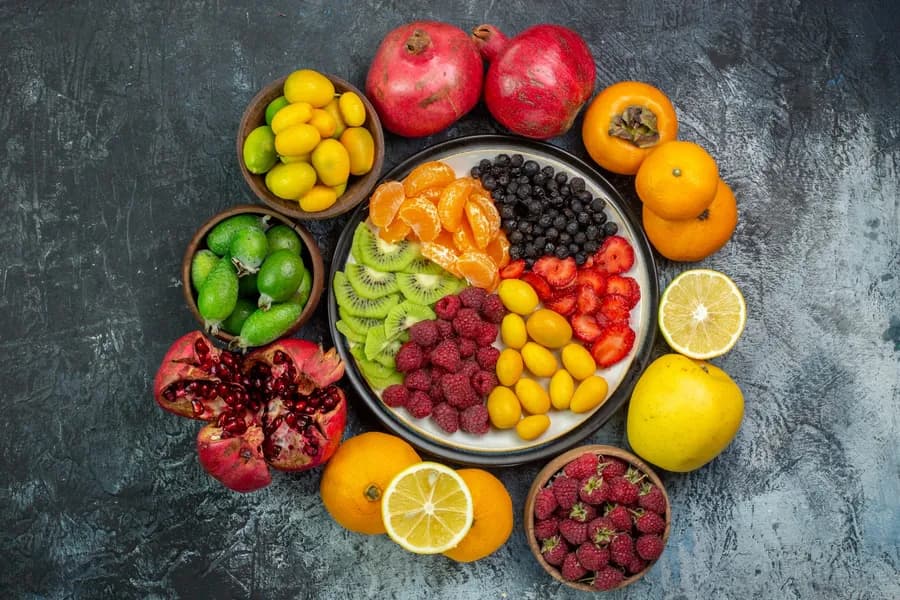
Healthy Fruits: How to Choose Variety, Portions and Seasonal Options
All whole fruits can contribute water, fibre, vitamins and plant compounds. The healthiest choice is usually a varied, affordable pattern.

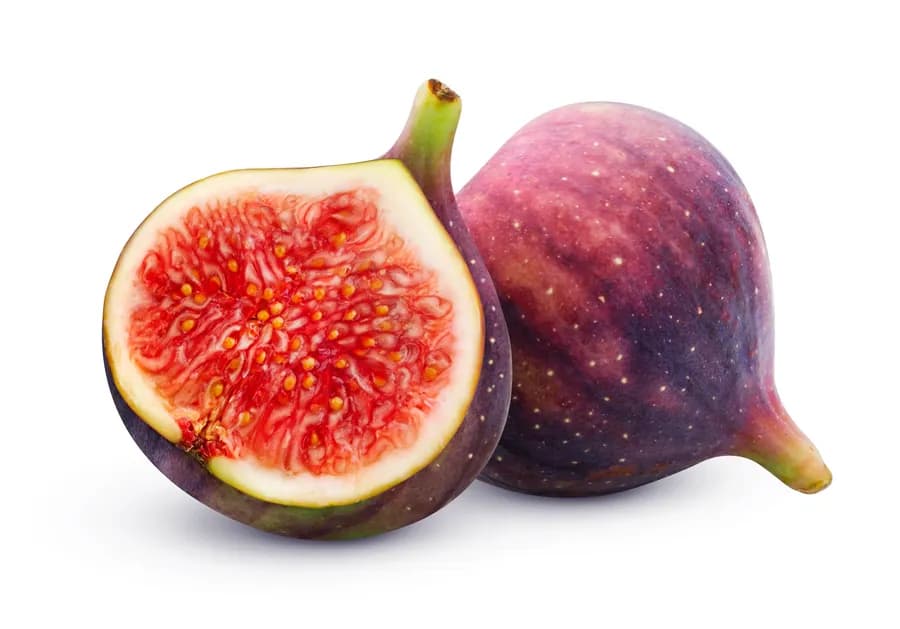
Fig Benefits: Nutrition, Portions and Safety
Fresh and dried figs provide carbohydrate, fibre, potassium and plant compounds.


Vitamin A Food Sources: The Best Vegetarian & Plant-Based Foods
Carrots, sweet potato, spinach, mango, and papaya supply beta-carotene that your body converts into vitamin A as needed. See a complete vegetarian and.