
Arbi (Colocasia) Benefits: Nutrition, Portions and Safe Cooking
Arbi, or taro, is a starchy root that gives energy, fibre and potassium. Learn portions, why it must be fully cooked and lighter recipes.
Key Takeaways
- Arbi (taro, colocasia) is a starchy corm: treat it like potato, not a low-carb vegetable.
- It supplies fibre and potassium, which support bowel regularity and muscle function.
- Raw arbi has calcium oxalate crystals that itch; boil or pressure-cook it until fully soft.
- Swap some rice or roti for arbi and add dal or curd plus a green vegetable.
- Roast or pan-crisp boiled arbi with measured oil instead of deep-frying.
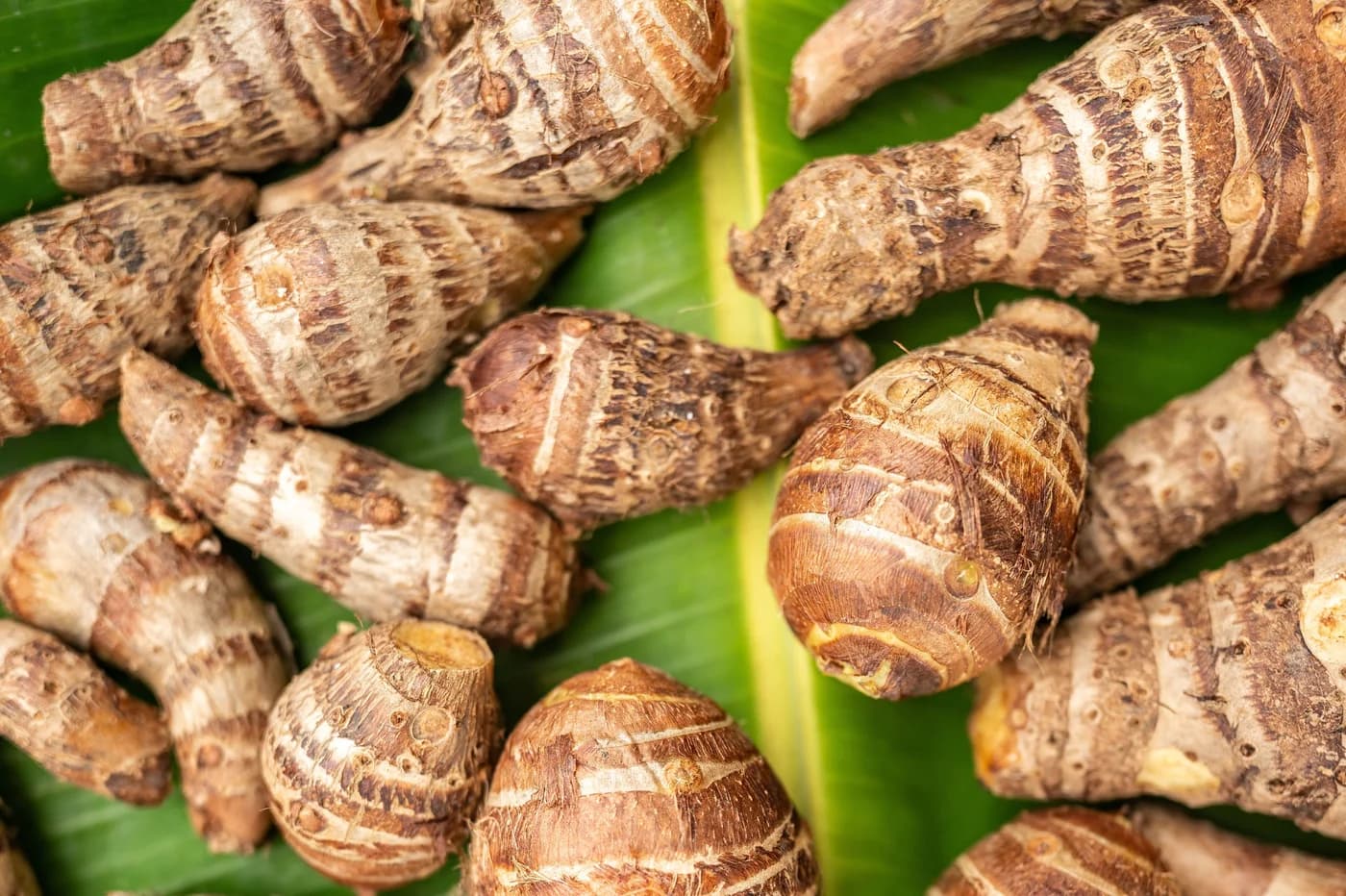
Arbi, also called taro, arvi or colocasia, is a starchy corm used in sabzis, curries and dry fries across India. It provides carbohydrate, fibre and potassium, but it is not a low-carbohydrate vegetable. Its value depends on the portion, how it is cooked and what else is on the plate. Arbi must also be cooked properly, because raw or undercooked taro contains irritating calcium oxalate crystals.
What arbi offers nutritionally
Cooked arbi supplies energy mainly as starch, with some fibre, potassium and smaller amounts of other vitamins and minerals. It is low in protein and fat. Fibre helps stools hold water and keeps you full for longer, while potassium is needed for normal nerve signals, muscle contraction and heart function. These nutrients add to an overall healthy diet; arbi does not detox the body, melt fat or treat diabetes. You can look up exact values for cooked taro in the USDA FoodData Central database.
Arbi is a starch, not a protein
Think of arbi as the starch on your plate, much like potato. A lunch of arbi sabzi with a full plate of rice can be heavy on starch and light on protein. When arbi is on the menu:
- Take a slightly smaller serving of rice or fewer rotis.
- Add a bowl of dal, chana, curd or tofu. Our guide to protein-rich vegetarian foods has easy options.
- Fill the rest of the plate with a non-starchy vegetable such as beans, bhindi or greens.
How much arbi to eat
Around half to one katori of cooked arbi is a practical starting portion for many adults, but it is a guide rather than a rule. Adjust it to your appetite, activity level and the other starches in the meal. Serve your portion onto your plate before eating rather than taking repeatedly from a shared dish. A little arbi in a mixed curry is very different from a bowl made mostly of arbi.
Arbi and diabetes
People with diabetes do not need to avoid arbi. The useful questions are how much is served and what it is eaten with. Pair a measured portion with protein and vegetables, cut back other starches in the same meal, and compare similar meals on your glucose meter rather than judging from one reading.
Arbi and kidney health
Arbi contains potassium and oxalate. If you have kidney disease, have been told to limit potassium, or have had oxalate kidney stones, ask your dietitian how much fits your plan.
Why proper cooking matters
The sharp, itchy feeling in the mouth or throat from raw colocasia comes from tiny needle-shaped crystals of calcium oxalate. Washing does not remove them. Boiling or pressure-cooking until the corm is soft all the way through reduces the irritation. Some varieties can still irritate sensitive mouths after cooking; if a batch burns your mouth or throat, stop eating it. If your hands itch while peeling, wear gloves or peel after boiling.
Arbi leaves, used in patra or alu vadi, also contain these crystals and need their own established recipe. Buy identified edible produce from a trusted seller and never use leaves from ornamental garden plants.
A lighter way to make arbi sabzi
- Wash off the soil and boil or pressure-cook the corms until fully tender.
- Let them cool, then peel and cut into pieces.
- Heat a measured teaspoon or two of oil with ajwain or jeera, add the arbi and spices, and pan-roast until lightly browned.
- Finish with amchur or lemon for flavour.
Pan-roasting or oven-roasting boiled arbi gives a crisp surface without deep-frying. Sour ingredients add taste but do not replace thorough cooking. Packaged taro chips are a different food altogether and can carry a lot of oil and salt, so read the label.
Buying and storing arbi
Choose firm corms without soft patches, mould or a sour smell. Store them in a cool, dry place for a short time and cook them within a few days. Refrigerate cooked arbi promptly and reheat it until piping hot.
Editorial sources
Frequently Asked Questions
Related Articles
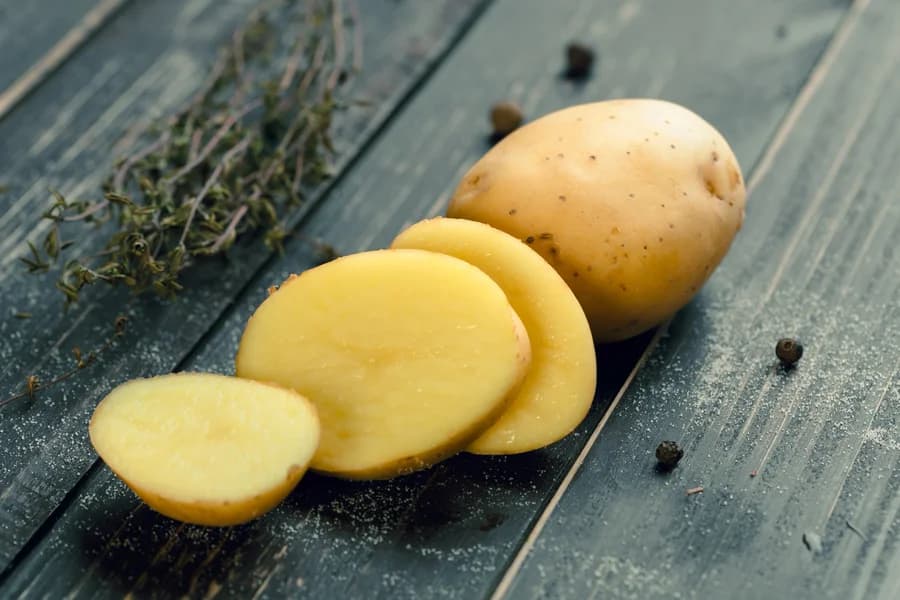
Potato Nutrition, Benefits, Portions and Cooking Methods
Potatoes are starchy vegetables that provide carbohydrate, potassium, vitamin C and some fibre, especially when the skin is eaten safely.

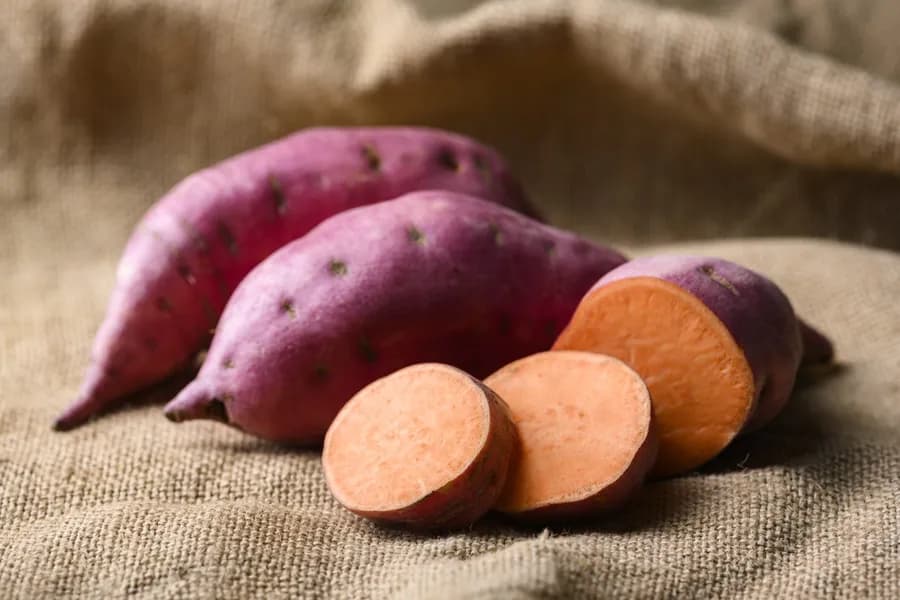
Sweet Potato Benefits: Nutrition, Portions and Easy Recipes
Sweet potatoes provide carbohydrate, fibre, potassium and carotenoids, and orange varieties are rich in beta-carotene. See easy recipes.
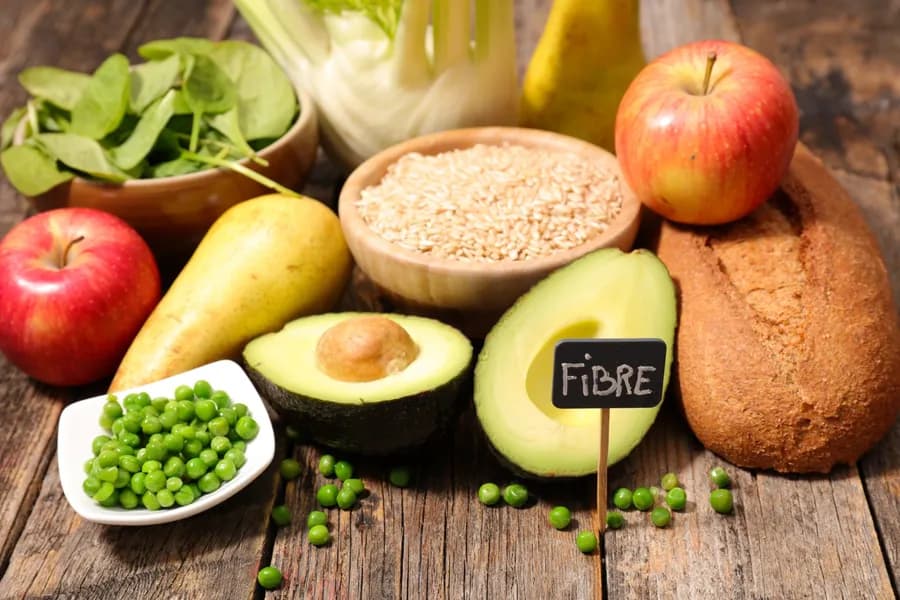
High-Fibre Foods: Simple Indian Meal Ideas
Find high-fibre Indian foods, easy meal ideas, gradual intake tips and practical advice for constipation and daily health.
Protein-rich vegetarian foods: 1/4th plate habit
Explore protein, carbohydrates, healthy fats and meal planning for strength training, muscle building and recovery.
