
Arrowroot Powder Uses: Nutrition and Safety
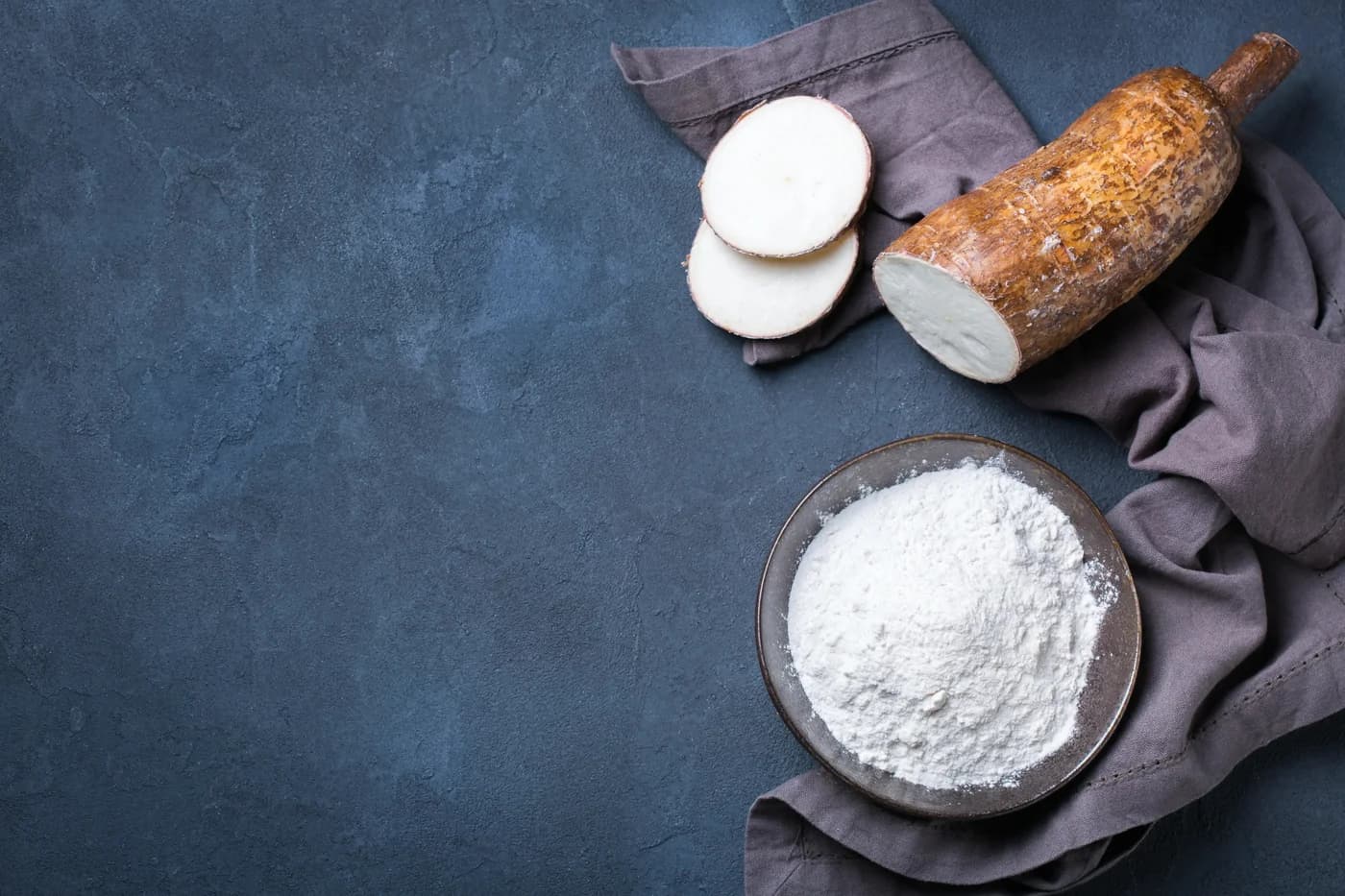
Arrowroot powder is a refined starch used to thicken sauces, soups, puddings and fruit fillings.

Key Takeaways
- Arrowroot is mainly starch and is used as a thickener.
- It is naturally gluten-free, but cross-contact remains possible.
- A small amount can thicken food without changing flavour strongly.
- It should not replace balanced meals or medical treatment for digestive illness.
Arrowroot powder is a refined starch used to thicken sauces, soups, puddings and fruit fillings. It is mostly carbohydrate and provides little protein, fibre or micronutrients in a usual spoonful. Arrowroot powder uses are mainly culinary; the starch is not a detox remedy, weight-loss food or proven treatment for diarrhoea.
What arrowroot powder is
True arrowroot usually comes from the rhizomes of Maranta arundinacea, though some products use the name for other starches. Check the ingredient list when botanical identity, allergy or cooking performance matters.
Refining removes much of the original plant's fibre and protein, leaving a fine starch. Nutrition values for a large dry quantity do not represent the spoonful normally used in a recipe.
How it thickens food
Mix arrowroot with cool water to make a smooth slurry before adding it to hot liquid. Stir gently until the sauce becomes clear and glossy. Adding dry powder directly to a boiling pan can create lumps.
Arrowroot thickens at a relatively low temperature and works well in fruit sauces. Prolonged high heat or repeated reheating may weaken the gel. Follow the recipe rather than assuming more powder creates a better texture.
Useful kitchen applications
Use it in soup, gravy, custard-style desserts or a light coating before cooking. It has a neutral flavour, so herbs, spices and the main ingredients still determine the dish.
Arrowroot powder uses can include gluten-free cooking, but it does not provide the structure of wheat flour in every recipe. Baking may require a tested blend with other flours, starches and binders.
Gluten-free labels and cross-contact
Arrowroot itself does not contain gluten. People with coeliac disease should still choose a clearly labelled or certified product because milling and packing equipment may also handle wheat, barley or rye.
Shared spoons, open bins and kitchen surfaces can reintroduce gluten. A product sold loose without traceable labelling may be harder to verify. Natural does not mean allergen-free.
Carbohydrate and blood glucose
As a refined starch, arrowroot is mainly carbohydrate and can affect blood glucose. A teaspoon used across several servings differs from a bowl of arrowroot porridge. Portion and the complete meal determine the practical impact.
People with diabetes can count it within their plan and monitor as advised. It does not become low-carbohydrate because it is gluten-free, and it should not be promoted as a blood-glucose treatment.
Digestion, diarrhoea and infant claims
Arrowroot is sometimes marketed as easy to digest or as a home remedy for diarrhoea. Evidence is not strong enough to replace oral rehydration, continued appropriate feeding or medical care. Severe dehydration can become dangerous quickly.
Infants need age-appropriate complementary feeding guidance. Arrowroot water is not nutritionally complete and should not replace breast milk, formula or prescribed oral rehydration solution. Blood in stool, repeated vomiting, lethargy or poor drinking needs prompt care.
A bland arrowroot preparation may feel comfortable during short-term illness, but comfort is not the same as complete nutrition. Recovery meals usually need fluids, energy, protein and micronutrients from a broader range of foods as tolerance returns.
Swallowing difficulties
People with swallowing difficulties sometimes need texture-modified liquids, but this is not one of the arrowroot powder uses to improvise at home: thickeners must be used to a prescribed consistency. Arrowroot may not remain stable in every drink or at every temperature. Follow a speech and swallowing professional's plan rather than guessing spoon amounts.
Substituting other starches
Cornstarch, potato starch, tapioca and arrowroot behave differently with acids, dairy, freezing and prolonged heat. A one-to-one substitution can produce a thin, rubbery or cloudy result. Arrowroot can become slimy in some dairy sauces, while cornstarch may tolerate longer heating better. This is a cooking difference, not a health ranking.
When texture matters, test the recipe in advance and note the amount of liquid, starch, heating time and serving temperature. A sauce that looks right when hot may thin or gel after cooling. Do not keep adding dry powder to rescue it; make a fresh slurry and heat according to the recipe.
Choosing and storing the powder
Buy a sealed product with a clear ingredient list, batch information and date. Store it airtight, cool and dry and use a clean spoon. Moisture can cause clumping and support spoilage.
Discard powder with mould, insects, an unusual smell or damaged packaging. A very old open packet may thicken poorly even without obvious spoilage.
Marketing claims and realistic value
Statements such as gut healing, immunity boosting or baby superfood go beyond what a spoonful of refined starch can establish, and they should not be inferred from the traditional use of the whole plant. If arrowroot is expensive, another suitable thickener can often do the same job, and no nutritional deficiency results from leaving it out.
Arrowroot powder uses are most successful when the recipe needs a clear, neutral sauce and the cook follows a tested amount. Let the rest of the meal provide protein, fibre, vegetables and flavour.
Editorial sources
Frequently Asked Questions
Related Articles
Semolina Nutrition, Benefits, Portions and Meal Ideas
Semolina, commonly called sooji or rava, is a coarse wheat product used in upma, idli, halwa and pasta.

High-Fibre Foods: Simple Indian Meal Ideas
Find high-fibre Indian foods, easy meal ideas, gradual intake tips and practical advice for constipation and daily health.
Gut Health Diet: What to Eat for a Healthier Digestive System
A good gut health diet isn’t about one superfood — it’s consistent daily habits: enough fibre, a variety of plants, some fermented food, and enough.