
Avocado Oil: When It Is Useful and When to Save Your Money
A practical guide to choosing and using avocado oil without treating a premium price as a health guarantee.

Key Takeaways
- Avocado oil is mostly unsaturated fat but not essential.
- It has the same energy as other oils.
- A high smoke point is not a reason to fry more.
- Choose an oil that suits your food and budget.
Avocado oil can be pleasant in a dressing or useful for cooking, but its premium price does not make it essential. It provides mostly unsaturated fat, including monounsaturated fat, and its flavour depends on how it is processed. If you are deciding whether to buy a bottle, consider the dishes you make and what you would replace. A good cooking oil should suit your food, budget and routine.
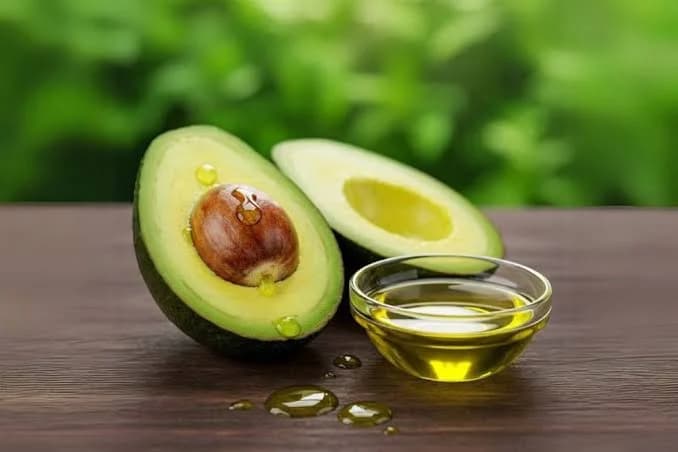
Oil and whole avocado are different foods
Avocado oil concentrates the fat extracted from the fruit. It does not provide the same fibre or food volume as eating avocado itself.
That distinction matters when health claims are transferred from the fruit to a bottle. Oil can contribute a suitable type of fat, but it does not become a substantial protein food or a serving of vegetables.
Use it as a cooking ingredient. If the goal is more fibre, look to pulses, vegetables, fruit and whole grains rather than adding extra oil. Different foods can be useful without having identical benefits.
Refined and virgin versions have different roles
Virgin or unrefined avocado oil may have more noticeable flavour and colour. It can suit a dressing or finishing use when you want to taste it.
Refined oil is usually milder, which may be more useful in a dish where spices or other ingredients should lead. Product characteristics vary, so use the cooking guidance for the form you have.
There is no need to assume a stronger green colour guarantees better quality or greater benefit. Colour can vary, and appearance alone cannot reliably establish purity or freshness.
What it may replace
Replacing some saturated fat with unsaturated fat can support a heart-healthy pattern. Using an appropriate amount of avocado oil instead of butter or another saturated-fat-rich cooking fat can be one such swap.
This does not mean pouring it onto an unchanged meal creates the same benefit. The amount and the replacement are part of the decision.
Other unsaturated oils can serve a similar everyday role. If you already use a suitable oil comfortably, you do not need to switch solely because avocado oil is fashionable. The broader meal pattern matters more than owning a particular bottle.
It contains the same kind of energy as other oils
Like other cooking oils, avocado oil is energy-dense. A tablespoon provides roughly 120 calories, depending on the measure. A healthy fat profile does not make a generous pour disappear from the day's intake.
Measure a small amount for a shared dish, then use moisture and sensible heat to help the food cook. Repeatedly topping up the pan can add more than you intended.
For a salad, toss with enough dressing to coat the ingredients pleasantly rather than letting them sit in a pool. The vegetables should remain the main substance of the dish.
Where a bottle can earn its place
If you like its flavour, use a little with lemon and herbs for a dressing. It can also work in a curd-based or mustard-based sauce where the recipe needs some oil.
For cooking, a suitable refined version can be used for sautéing vegetables or pan-cooking tofu. An unrefined version may be better kept for dishes where its flavour is noticeable, according to the product's guidance.
Try a small bottle before making it your household default. If you cannot notice a difference in the dishes you make, the extra expense may not be worthwhile for you.
A high smoke point is not a frying recommendation
Smoke-point figures vary with refining and product quality. They do not mean oil can be heated indefinitely or that deep-fried food becomes a health food.
Avoid leaving an oiled empty pan heating unattended. If oil begins to smoke, remove the pan from the heat safely rather than continuing because the advertised smoke point sounded high.
Repeated frying and prolonged overheating degrade oil. Avocado oil does not remove the need for ordinary temperature control. Roasting, steaming, simmering and modest pan cooking can all contribute variety without making every dish a frying task.
Do you need to worry about purity?
Research from UC Davis has found quality and purity problems in samples from some markets. Those studies do not prove that every bottle is adulterated or establish the quality of a particular Indian product.
They do show why a high price alone is not a guarantee. Buy a manageable quantity from a traceable food source rather than assuming premium packaging answers the question.
You do not need home experiments to test purity. Colour, cloudiness in the fridge or taste alone cannot reliably certify authenticity. If a product smells stale or tastes unpleasantly rancid, do not continue using it to avoid wasting an expensive purchase.
Storage affects the value of the purchase
Keep the bottle closed, away from heat and direct sunlight. A cool cupboard is generally more useful than leaving it beside the stove or on a sunny windowsill.
Choose an amount you will use while fresh. A large discounted bottle is poor value if your household uses only a little dressing each month.
Follow any specific storage instructions, especially after opening. A cooking ingredient earns its price through actual use and enjoyment, not by sitting in the kitchen as proof of a healthier routine.
Skin and supplement claims are separate
A cosmetic preparation containing avocado oil is not the same product as cooking oil. Eating it does not guarantee relief from eczema, faster hair growth or another visible change.
Likewise, concentrated supplements and extracts need their own evidence. The fact that a normal food oil can fit a diet does not establish every product made from the same fruit as useful.
If you have a known reaction to avocado or a product, take that history seriously rather than experimenting because an oil is described as natural. Ordinary food use should remain comfortable.
Choose the trade-off that helps your meals
If buying avocado oil means spending less on vegetables, pulses or other foods you need, a less expensive suitable oil may be the better household choice.
If you enjoy its flavour, can afford it and use it in sensible amounts, it can fit. There is no need either to dismiss it or treat it as a major health intervention.
Choose the oil that helps you cook enjoyable meals consistently. Appropriate quantity, useful food combinations and safe handling remain the habits that give any bottle its place.
Editorial sources
Frequently Asked Questions
Related Articles
Mustard Oil: Cooking, Fat Profile and Safety
How to choose and use mustard oil: kachi ghani vs refined, fat profile, erucic acid, safe heating, portions and topical use.

Extra Virgin Olive Oil Benefits: Uses and Portions
Extra virgin olive oil is obtained mechanically and is rich in monounsaturated fat.
Olive Oil Benefits: Types, Portions and Cooking Uses
Olive oil is mainly monounsaturated fat, and extra-virgin versions also contain flavour compounds and polyphenols. Learn cooking uses.
Ghee vs Refined Oil: Choose Healthy Fats Wisely
Understand ghee vs refined oil in simple words. Learn how to use fats in moderation, avoid reheated oils and choose better Indian cooking habits.