
Mustard Oil: Cooking, Fat Profile and Safety
How to choose and use mustard oil: kachi ghani vs refined, fat profile, erucic acid, safe heating, portions and topical use.

Key Takeaways
- Mustard oil is mostly unsaturated fat, including oleic acid and alpha-linolenic acid.
- Kachi ghani means cold-pressed; it describes extraction, not proof of purity or safety.
- Erucic acid is monitored, so buy sealed, food-grade packs and never cook with massage oil.
- Avoid repeated smoking or reusing dark, foamy oil, and measure portions with a spoon.
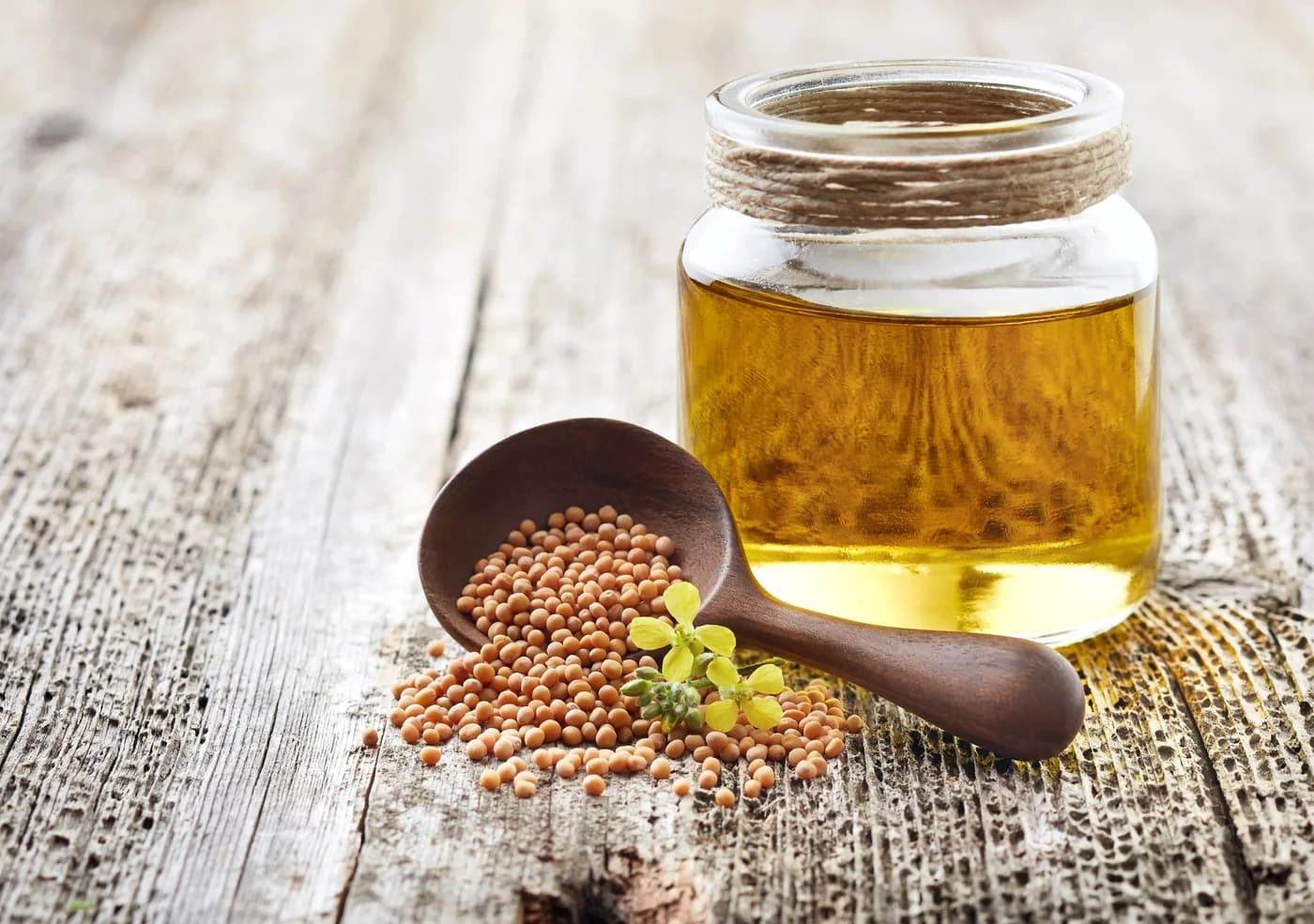
Mustard oil (sarson ka tel) has a sharp aroma and a long culinary history across many parts of India. It contains mostly unsaturated fat, including alpha-linolenic acid, but it also contains erucic acid in amounts that vary by seed variety and regulation. The sensible question is not whether it is a superfood or a poison; it is whether the product is food-grade, how much is used and what other fats appear across the diet. This guide covers the oil itself. For mustard seeds and greens, see our separate article on mustard benefits.
What is mustard oil made from?
The oil is pressed or extracted from mustard seeds. Its fats include oleic acid (a monounsaturated fat), linoleic and alpha-linolenic acids (polyunsaturated fats) and erucic acid. The exact composition varies with the seed type and how the oil is processed.
Kachi ghani (cold-pressed) or refined?
Kachi ghani is the traditional name for oil pressed from the seeds without high heat, which keeps its strong pungency and colour. Refined oil goes through further processing and tastes milder. A cold-pressed or kachi ghani label describes the extraction method; it does not automatically prove purity, safety or nutritional superiority. Refined and cold-pressed products also behave differently in the pan, so follow the manufacturer's cooking guidance for the pack you buy.
Is mustard oil good for your heart?
Replacing some saturated fat with unsaturated fat can support heart health, and mustard oil's fat profile may fit that strategy. Clinical outcomes, however, depend on the whole diet and on product quality. Mustard oil does not replace cholesterol or blood-pressure treatment, regular movement, sleep or a vegetable-rich eating pattern.
Why is erucic acid discussed?
Very high erucic acid exposure caused heart effects in animal research, which led regulators to set limits or restrict certain uses. Human culinary exposure and seed varieties differ, so the practical point is to use a product made and labelled for eating.
Reading the label in India
Buy sealed packs from reliable sellers and check that the oil is labelled for edible use, with an FSSAI licence number, batch details, a date and storage instructions. Oil sold for massage, hair or other cosmetic use is not made to food standards and should never go into cooking.
Can you cook mustard oil at high heat?
Traditional cooking often heats mustard oil until its raw pungency softens. Repeated smoking, though, degrades the oil and irritates the airways. Cook with good ventilation, avoid heating the oil until it smokes heavily, and do not reuse oil that has turned dark, foamy or rancid. Limiting repeated deep frying matters more than which oil is in the kadhai.
How much should go into a dish?
Oil is energy-dense whatever its source. Measure the mustard oil a family recipe needs into a small bowl before cooking. This prevents repeated free-pouring and shows how much actually enters the dish. Build flavour with onions, spices, tomato, lemon and cooking technique, and judge the meal by taste and fullness rather than by whether oil floats on the surface. The aim is enough for the recipe and appetite, not a medicinal spoonful swallowed separately, and not bland traditional food.
Is mustard oil safe to massage or apply on skin?
Topical and edible products have different quality requirements, and rubbing an oil on skin does not show that it is safe to eat. Mustard oil can irritate sensitive skin, and massage does not establish that it treats joint pain or infection. Keep cosmetic containers separate from kitchen oil, and stop using it on the skin if redness or a rash develops.
How do you spot poor-quality oil?
Rancid oil may smell stale or paint-like rather than characteristically pungent. Adulteration cannot always be detected at home, so the source and regulatory compliance matter more than viral kitchen tests. Store the bottle closed, away from heat and light, and use it before the date on the pack.
Should it be your only cooking oil?
Mustard oil can be one cooking fat, while rotating with other suitable oils may broaden the fats in your diet and your cooking options. The bigger priorities are keeping total oil appropriate, limiting repeated frying and eating nuts, seeds and whole foods, rather than expecting one bottle to fix the diet.
What the evidence does not prove
Claims about mustard oil are often quoted without the exact product, amount, population or outcome that was studied. A laboratory mechanism can be worth investigating, but it cannot by itself predict a meaningful benefit in daily life, and small or short studies may miss uncommon side effects. Treat mustard oil as a traditional cooking fat used in sensible amounts, not as a remedy, and keep diagnosis and treatment of heart or joint problems with qualified care.
Editorial sources
Frequently Asked Questions
Related Articles
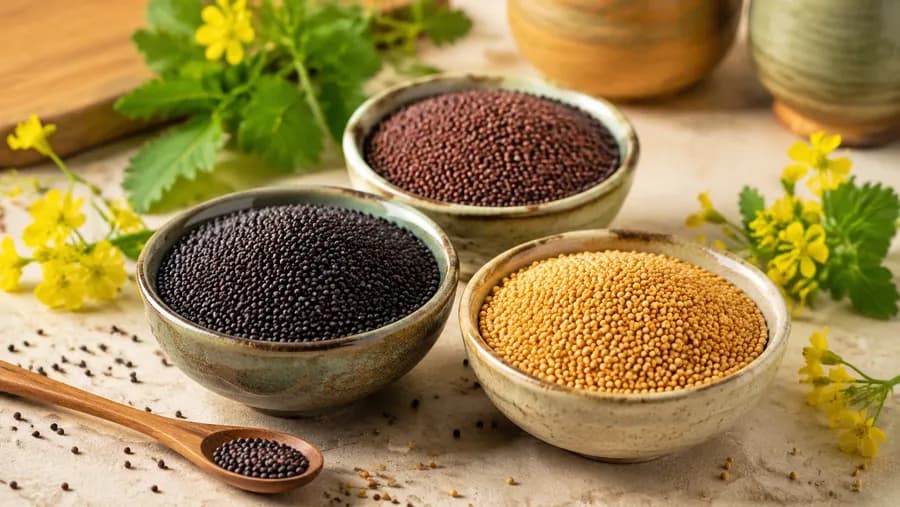
Mustard Benefits: Seeds, Oil, Greens and Safety
Mustard refers to seeds, leaves, prepared condiment and oil. Each form has a different nutrition profile and cooking role.
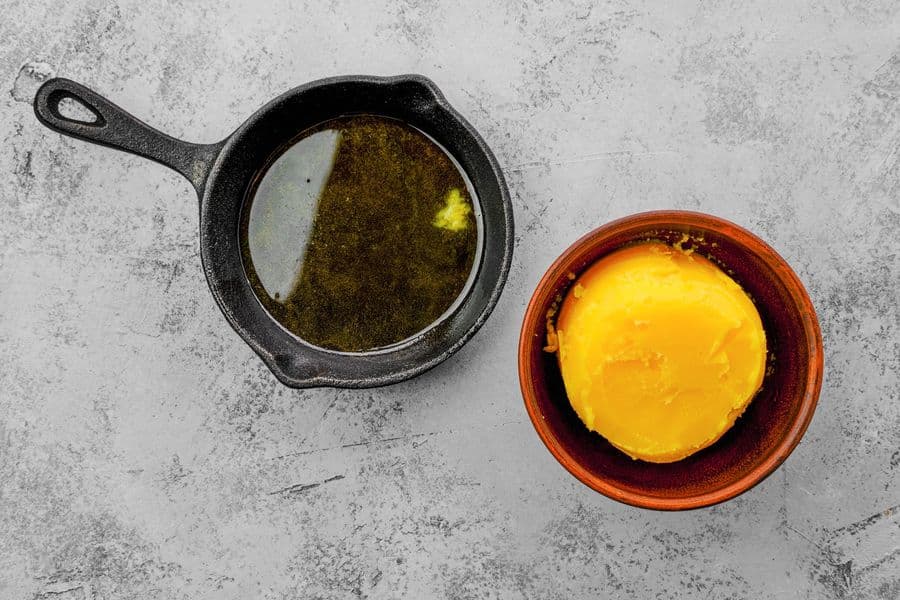
Ghee vs Refined Oil: Choose Healthy Fats Wisely
Understand ghee vs refined oil in simple words. Learn how to use fats in moderation, avoid reheated oils and choose better Indian cooking habits.
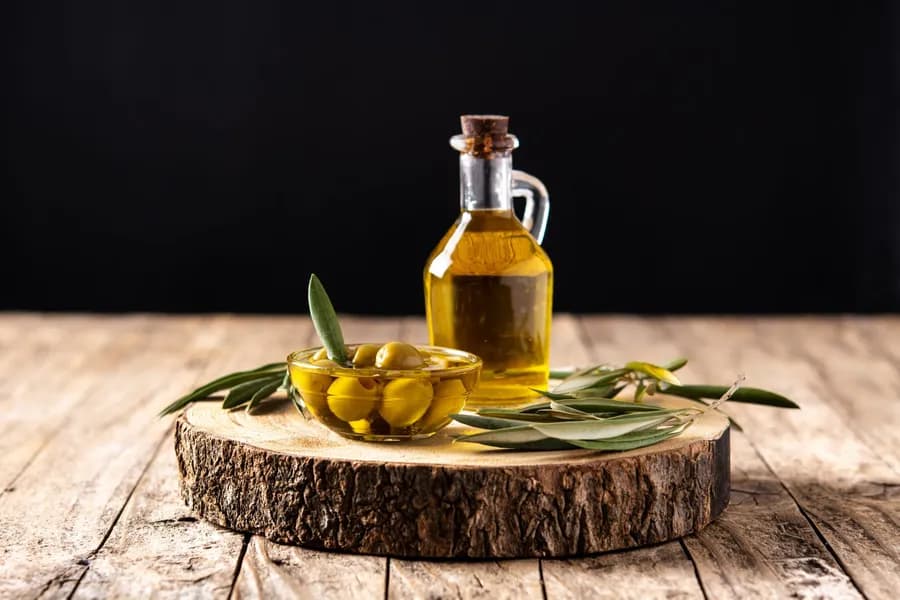
Olive Oil Benefits: Types, Portions and Cooking Uses
Olive oil is mainly monounsaturated fat, and extra-virgin versions also contain flavour compounds and polyphenols. Learn cooking uses.