
Mango Leaves: Do the Health Claims Hold Up?
Mango leaf tea is popular for blood sugar and weight, but tradition is not proof. Here is what the evidence says and what to ask before trying it.
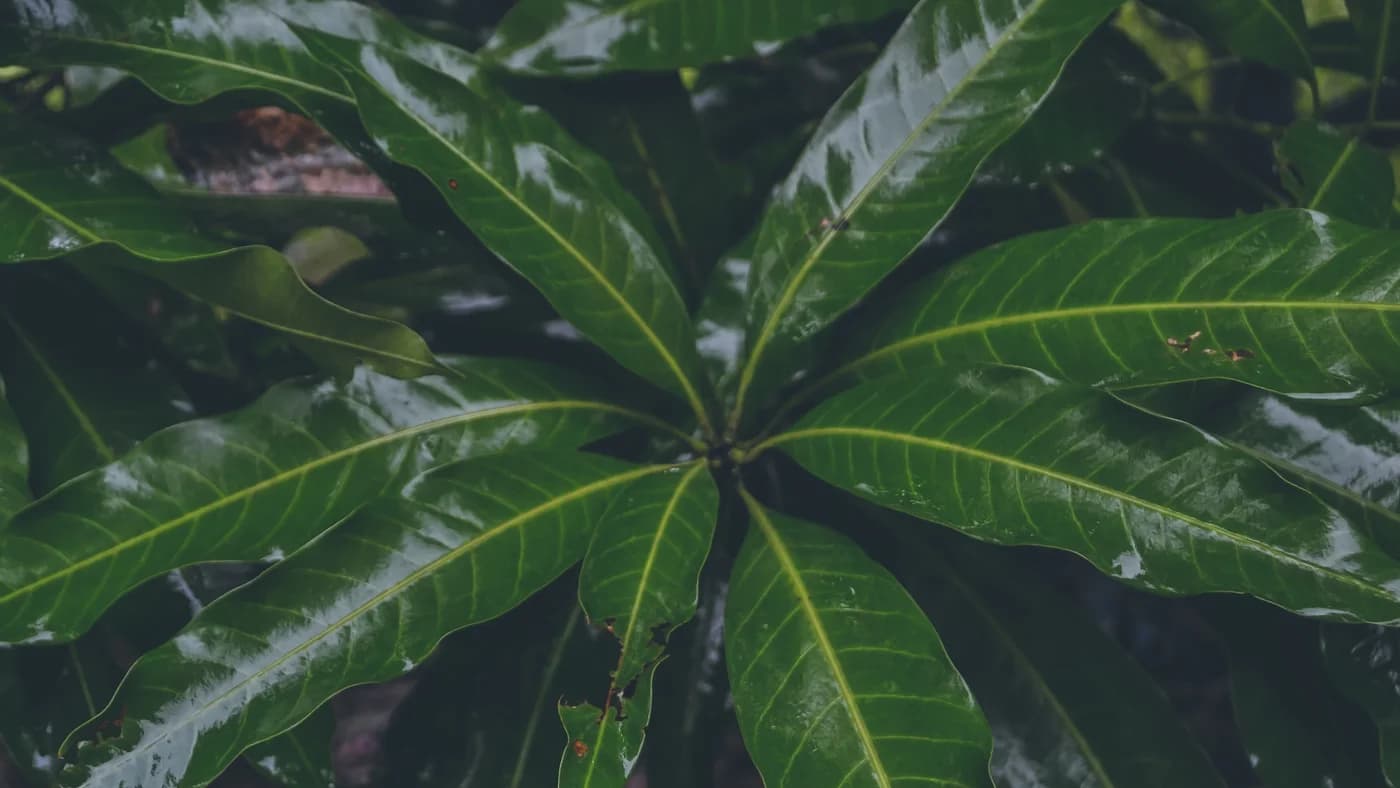
Key Takeaways
- Mango leaves have a long traditional history, but human evidence is limited.
- Mango leaf tea or capsules should not replace diabetes treatment.
- Concentrated capsules are not the same as a mild home tea.
- Check with your doctor before trying it if you take medicines.
Mango leaves have a long place in home remedies, and lately they’re all over social media, usually as a tea that supposedly controls blood sugar, lowers blood pressure or helps you lose weight. It sounds simple and natural. But what does the evidence actually say? Here’s an honest look so you can decide with confidence.
Tradition is not the same as proof
Mango leaves appear in household remedies and cultural practices across India, and that history is worth respecting. It can also inspire research. But it can’t tell us how much to take or whether a remedy works.
Researchers have found plant compounds in the leaves that show activity in cells and animals. That’s an interesting start. Human bodies absorb and process things very differently, though, and a lab result can’t prove that a cup of tea treats anything. There are still too few well-designed human studies to promise any benefit for blood sugar, blood pressure or weight.
The diabetes question
This is where caution matters most. No mango-leaf drink has been shown to replace diabetes treatment. High blood sugar can quietly harm your eyes, kidneys, nerves and heart over the years, even when you feel perfectly fine.
If you have diabetes, keep taking your prescribed medicines, checking your sugar and attending follow-ups. Adding an untested herbal drink to glucose-lowering medicine also makes your body’s response harder to predict. If you ever feel shaky, sweaty or confused, follow your care plan and get advice right away.
For habits that have better support, read our guide on how to control sugar with natural daily habits.
Tea or capsule: not the same thing
A mild homemade tea and a concentrated capsule can contain very different amounts of plant compounds. Even two homemade cups can differ depending on how old the leaves are, how long you steep them and how many you use. Labels often don’t explain any of this.
No one has established a safe everyday dose. If you don’t notice an effect, resist the urge to add more, because more could just mean more side effects. Also avoid picking leaves from trees that may have been sprayed with pesticides or that grow beside busy, polluted roads.
Questions to ask before you try it
Before drinking any herbal preparation, ask yourself:
- Am I sure the plant is correctly identified?
- What else is in the packet?
- Do I take regular medicines?
- Am I pregnant, breastfeeding or giving it to a child?
Safety in pregnancy and breastfeeding hasn’t been established. Allergic reactions are possible too, especially if you react to mango or related plants. Stop if you get a rash, swelling or stomach upset, and seek urgent care for any trouble breathing.
Mango fruit is a different story
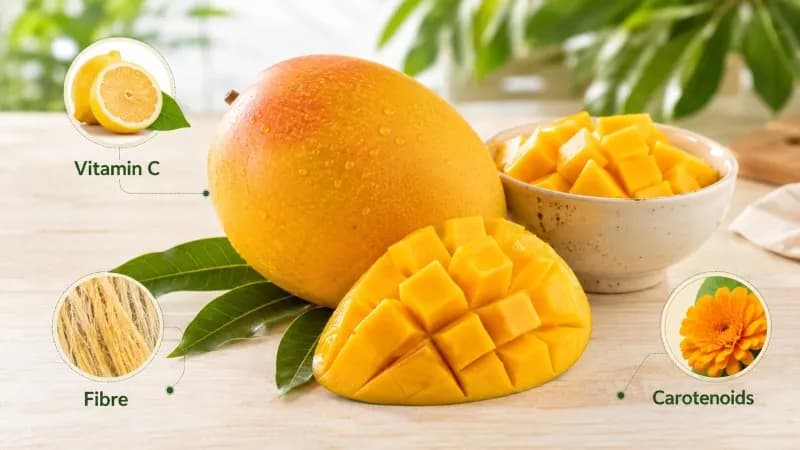
A ripe mango in a normal serving gives you vitamin C, carotenoids, fibre and plenty of enjoyment. The leaf doesn’t share that track record just because it comes from the same tree. Fruit, juice and leaves are all different things.
If you want food habits that support your health, focus on a variety of fruits and vegetables, enough protein from foods like dal, curd and paneer, and regular meals. For diabetes in particular, portions and the overall meal pattern matter far more than any leaf drink.
How to read a health claim
It’s fair to say researchers are studying compounds in mango leaves. It isn’t fair to say the leaves cure diabetes or lower blood pressure for everyone. The difference lies in the human evidence.
A result from a purified compound in animals can’t be copied onto a cup of homemade tea. If a seller quotes a percentage improvement, ask how many people were studied and what actually changed. A better glucose reading on one day isn’t the same as fewer complications years later. And a bitter taste is not proof that your body is healing.
Don’t ignore the warning signs
Please don’t use a herbal drink to explain away constant thirst, frequent urination or unexplained weight loss. These can be signs that your blood sugar needs checking, and catching it early makes treatment simpler. If a relative shares a family remedy, you can respect the tradition and still ask for evidence and safety. The real question isn’t whether the plant exists in nature. It’s whether this particular preparation helps without causing harm.
A simple way to decide
Ask yourself what you’re hoping to fix. If it’s high sugar, follow your treatment plan and call your care team. If it’s weight, look at your meals, movement and sleep. If you still want to try a herbal product, show the exact label and dose to a doctor or pharmacist first. A seller’s promise shouldn’t outrank a diagnosis, and there’s no need to drink mango-leaf tea every day just to prove you’re being healthy.
A simple habit to try
If a mango-leaf product promises to treat diabetes, talk to your doctor before you use it.
Editorial sources
Frequently Asked Questions
Related Articles
Mango Benefits: Nutrition and Sensible Portions
Mango provides vitamin C, fibre and carotenoids. Learn its real benefits, sensible portions, diabetes tips and safe ways to enjoy it.

Papaya Leaves: Benefits, Dengue Evidence and Safety
Papaya leaf extract may raise platelet counts in dengue, but the evidence is weak. Learn what studies show, product risks and warning signs.

Neem Leaves Benefits: What the Evidence Says and How to Use Neem Safely
Neem is a trusted traditional herb, but human evidence is limited and neem oil can be poisonous if swallowed. Learn what is proven and what is safe.
Mango Glycemic Index: Portions and Blood Sugar Tips
What mango's glycaemic index means, why portion and ripeness matter more than one number, and how to fit mango into a diabetes meal plan.