
Best Foods to Eat at Night: What Works When You’re Hungry
There is no single best food to eat at night. If you are truly hungry, a small, simple snack can help. Here is how to choose one that sits well.
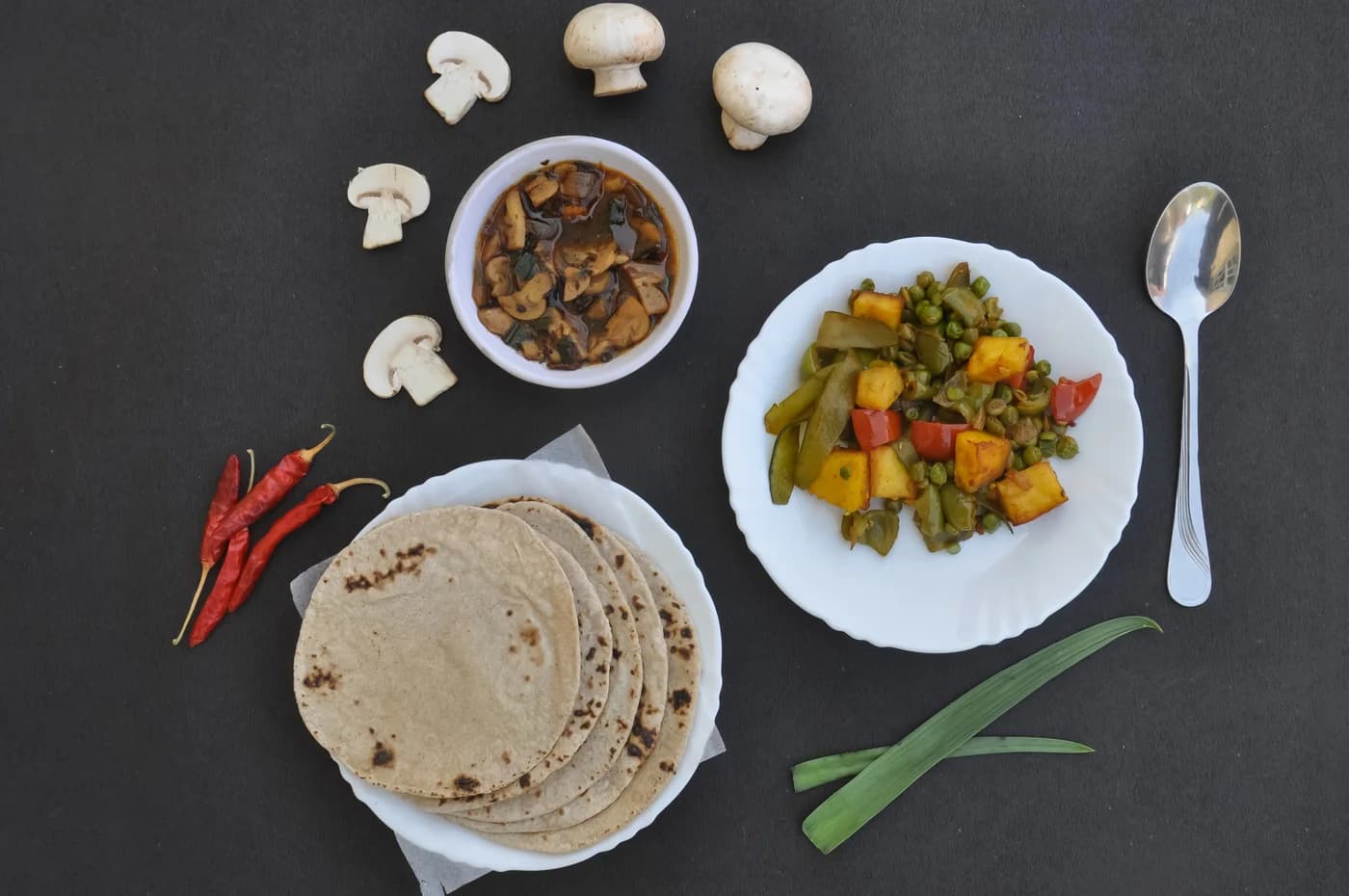
Key Takeaways
- Check whether you are hungry or eating out of habit, boredom or stress.
- A small snack with protein or fibre often sits well at night.
- Caffeine, alcohol and heavy meals can disturb sleep or worsen acidity.
- People with diabetes may need individual advice on night snacks.
It’s 10 pm, dinner was hours ago, and your stomach is rumbling. Should you eat, or will that ruin your sleep and your diet? The honest answer is that there’s no single best food for everyone at night. If you’re truly hungry, a small, simple snack can help. Here’s how to choose one that sits well.
Are you hungry or just bored?
Before you open the fridge, ask yourself a quick question. Is this real hunger, or is it habit, boredom or stress? Late-night cravings often show up while you’re scrolling your phone or watching TV, and a glass of water or a short walk can settle them.
If your stomach is actually growling, listen to it. Going to bed very hungry can make it hard to fall asleep, and there’s no need to tough it out. If stress is the trigger, our guide on how to reduce stress naturally can help.
When a snack makes sense
A late snack is reasonable if you ate dinner early, did an evening workout or feel too hungry to sleep. It’s a practical choice, not a failure.
But if you’re severely hungry every night, take a look at your daytime meals. They may be too small, or missing protein and fibre. Fixing lunch and dinner often works better than snacking at midnight.
Easy snacks that work
Keep it small and simple. These options are gentle on most people:
- A small bowl of plain curd
- A glass of warm milk, if it suits you
- A piece of fruit with a few nuts
- A handful of roasted chana
- A small bowl of oats
- Whole-grain toast with a thin layer of peanut butter
Protein or fibre helps you feel full for longer, so a curd or chana snack usually beats a biscuit. Portions matter too. A snack is meant to settle your hunger, not turn into a second dinner, so choose an amount that fits the rest of your day.
What can disturb your sleep
Some foods and drinks can keep you awake or leave you uncomfortable at night:
- Caffeine: tea, coffee, cola and energy drinks can linger for hours. Chocolate has a little too, so a late-night chocolate dessert isn’t always as harmless as it seems.
- Alcohol: it may make you drowsy at first, but it can break up your sleep later in the night.
- Very sugary foods: sweets and desserts can leave you restless, and sugar adds up quickly. See our guide on how to control sugar naturally for easy ways to cut back.
- Heavy, fatty or spicy meals: a big plate of fried food right before bed can sit heavily and cause discomfort.
You don’t need to avoid all of these forever. Just notice which ones affect you.
If you get acidity at night
For people with reflux, timing matters as much as the food. Finishing dinner at least a few hours before you lie down gives your stomach time to empty, and it can ease heartburn.
Large meals, spicy dishes and some foods can be triggers, but they differ from person to person. Keep a short note of what you eat and how you feel, instead of banning a long list. Raising your head with an extra pillow may also help some people, and it’s worth asking your doctor if symptoms continue.
Who needs extra care
Late-night snacking isn’t the same for everyone. If you have diabetes, your meal and snack timing may need to fit your medicines and sugar readings, so check with your doctor or dietitian. Pregnancy can also change hunger and digestion, and some medicines affect appetite or acidity.
If any of these apply to you, personal advice is better than a general list.
Does eating at night cause weight gain?
You may have heard that eating after a certain hour makes you gain weight. The clock alone isn’t the whole story. What counts more is your total intake across the day and your overall pattern.
Late snacking can add up when it comes on top of a full dinner, or when it becomes mindless eating in front of a screen. A planned, modest snack usually isn’t a problem. If your goal is steady weight, focus on balanced meals, movement and sleep. For a wider look at healthy habits, see our Habitology health guides.
What if you wake up hungry?
Waking up hungry in the middle of the night now and then isn’t unusual. If it keeps happening, think about your day. Did you eat enough at dinner, especially protein and fibre? Are you sleeping well, or do you have stress, late-night caffeine or irregular timings?
If it continues, talk to a doctor. Medicines, blood sugar changes and other health issues can play a part, and a doctor can look at the whole picture. Avoid fixing it by eating a big meal each time you wake up.
Build a calm evening
What you eat is one part of sleep. Regular timings, dim lights, less screen time before bed and a relaxed wind-down all help. A gentle stretching session or a beginner-friendly online yoga class in the evening can help your body slow down too.
A simple habit to try
Pick one small change, like having a small bowl of curd or a handful of roasted chana when you’re truly hungry at night, and keep it up for two weeks. Notice how you sleep and how your stomach feels. Keep it only if it’s comfortable and useful for you.
Editorial sources
Frequently Asked Questions
Related Articles
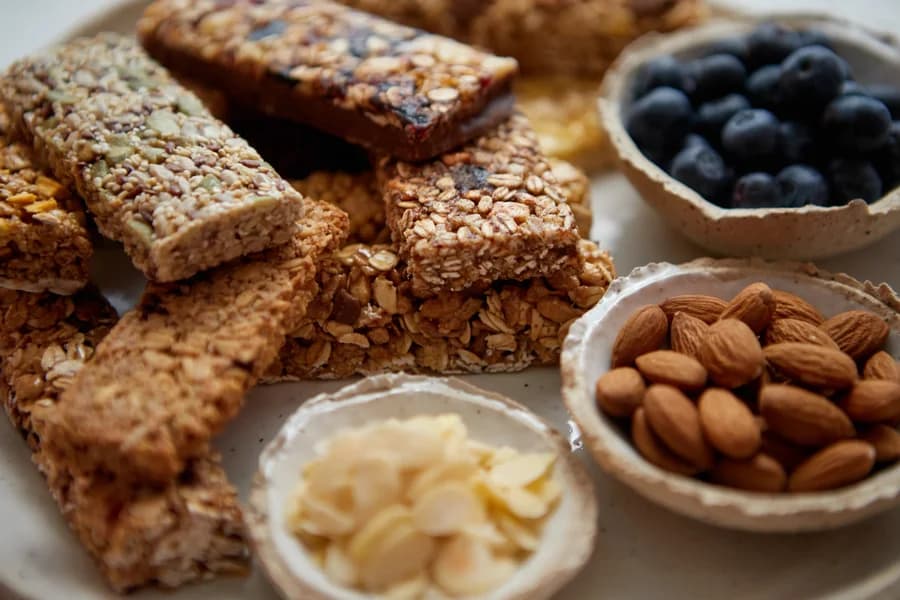
Protein-Rich Snacks: Vegetarian Ideas
A useful protein-rich snack should solve a real gap between meals, not become an extra meal added automatically.


Acid Reflux Sleeping Position: What Helps at Night
Getting your acid reflux sleeping position right can meaningfully cut nighttime heartburn without medication — gravity does most of the work. See the exact position and elevation that helps most.
How to Fix Your Sleep Schedule (Without an All-Nighter)
Fixing a drifted sleep schedule doesn't need a risky all-nighter reset — small daily shifts work better and are far easier on your body. See the gradual approach that actually sticks.
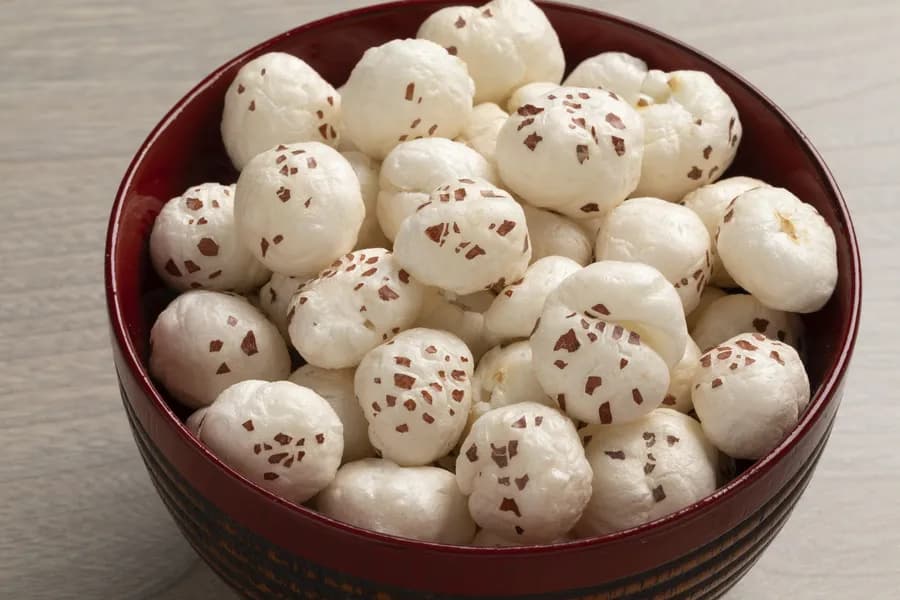
Makhana Benefits: Nutrition and Healthy Snack Ideas
A simple guide to makhana benefits, nutrition, portions, roasting ideas and the limits of current health research on this snack.
