
Bitter Food Items: Flavour, Everyday Uses and One Important Warning
Bitter ingredients can add variety and flavour. Learn how to use them without treating bitterness as medicine or overlooking a suspect bottle gourd.
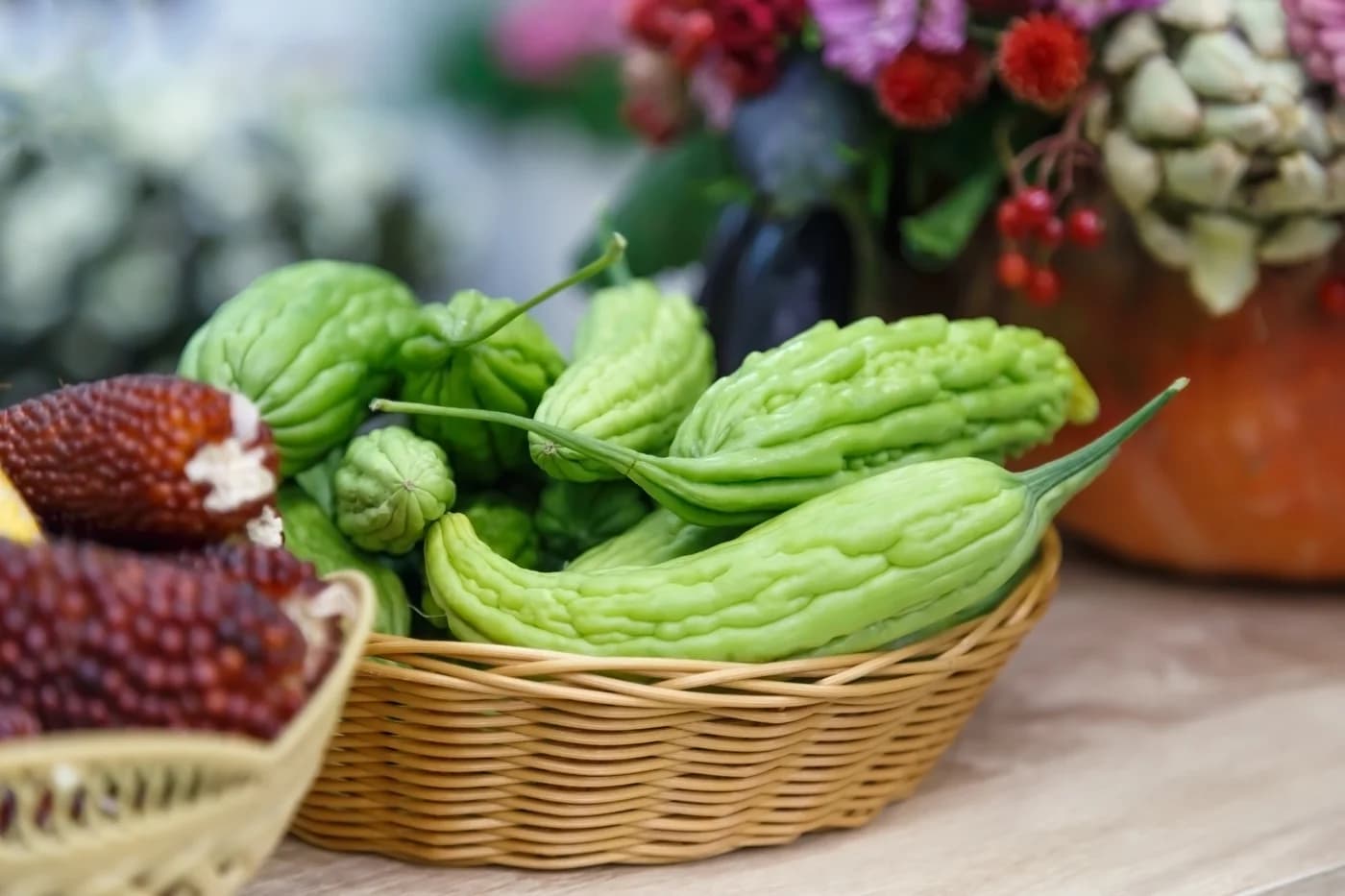
Key Takeaways
- Karela and methi are familiar bitter Indian foods.
- Karela is food, not a diabetes prescription.
- Stop if bottle gourd tastes unusually bitter.
- Bitterness alone does not prove a health benefit.
Karela, methi leaves, mustard greens and unsweetened cocoa all bring some bitterness to food. That flavour can make a meal more interesting, especially when balanced with sourness, aroma or a little natural sweetness from other ingredients.
Bitterness is not a measure of health, though. A food does not become better for you as it becomes harder to enjoy. Some unexpectedly bitter foods can even signal a safety problem, which is why familiar karela and an unusually bitter bottle gourd should be treated differently.
Why foods taste bitter
Plants contain many compounds that can taste bitter. Some are normal parts of edible foods, while others help protect a plant from being eaten. The tongue notices the flavour, but it cannot tell you the nutritional benefit or safety of an unfamiliar ingredient.
People also differ in sensitivity. A vegetable that tastes pleasantly sharp to one person may feel overpowering to another, particularly for children. Preference can change through repeated, relaxed exposure, but forcing a strong bitter serving is unnecessary.
The useful aim is variety you can enjoy. There is no need to add a bitter food every day to prove that your diet is balanced.
Familiar Indian options
Karela is the obvious example, but bitterness appears in several ordinary ingredients. Methi leaves, some mustard greens and certain leafy vegetables can contribute it. Coffee, tea and cocoa can also taste bitter, although their overall effects depend on preparation.
These foods offer different things. A methi sabzi contributes vegetables; coffee contributes caffeine unless decaffeinated; cocoa used in a sweet dessert comes with the rest of that recipe.
Do not group them into one medicinal category simply because the taste overlaps. A cup of strong coffee and a serving of karela cannot be assigned the same benefits or portions.
Karela is food, not a diabetes prescription
Bitter melon has been investigated for blood-glucose effects, but the evidence is not strong enough to replace established diabetes treatment. A cooked vegetable serving is also different from a concentrated juice or capsule.
You can enjoy karela as part of a meal without expecting it to cancel rice, sweets or a missed medicine dose. There is no benefit in drinking a large unpleasant glass because stronger bitterness is assumed to mean stronger treatment.
For steadier meals, include a suitable portion of the staple, a protein food and vegetables. Our guide on how to control sugar offers changes that can be repeated without relying on a particular juice.
Make karela easier to enjoy
Thin slices cook differently from large pieces. Removing some of the mature seeds and using a familiar preparation can also help, depending on the recipe.
Try balancing the flavour with onion, tomato, spices or a little sourness. Salting and rinsing is used in some recipes to reduce bitterness, but use salt modestly and do not replace the flavour with a large amount of sugar.
Deep-frying can make a vegetable crisp and appealing, yet it changes the oil content. A lightly cooked or pan-cooked version may suit everyday meals better. Choose the method you enjoy rather than insisting that the raw form is essential.
Methi and greens can be used in smaller amounts
A handful of chopped methi can flavour a vegetable dish, a dal or dough for thepla. You do not need a bowl of plain leaves if that is not how you enjoy them.
Mustard greens and other edible greens work well in recipes developed for their texture and taste. Cooking them with familiar ingredients can make the flavour easier to accept.
For children, offer a little alongside accepted foods and let the experience stay calm. Repeated pressure can turn a new vegetable into a conflict. Nutritional variety can also come from many milder vegetables.
The warning about bitter bottle gourd
Bottle gourd, or lauki, is normally mild. An unusually bitter taste can indicate high levels of cucurbitacins, compounds associated with serious poisoning. Reports from India have documented severe illness after bitter bottle-gourd juice.
Do not consume an unexpectedly bitter lauki preparation or try to hide the taste with another juice, sugar or spices. Cooking is not a reliable way to make a suspect bitter gourd safe. This warning is about bottle gourd, not the expected taste of ordinary karela.
If someone becomes unwell after consuming bitter bottle-gourd juice, seek urgent medical help, especially with severe abdominal pain, repeated vomiting, bleeding, weakness or faintness. Do not dismiss it as a detox reaction.
What bitterness does not prove
There is no sound basis for saying every bitter food cleans the liver, removes toxins or increases metabolism. The body’s handling of waste does not need to be stimulated by an unpleasant daily drink.
A bitter herbal extract can also have pharmacological effects or interactions that an ordinary vegetable serving does not. The taste alone cannot establish a safe dose or show that a product is working.
Build a meal around enjoyment
A bitter ingredient works best when the rest of the meal makes sense. Karela with dal and roti, or a small methi preparation with curd and another vegetable, can fit familiar eating.
You can experiment with one change at a time:
- Add a little methi to an otherwise familiar dough.
- Pair a modest karela portion with a mild pulse dish.
- Use unsweetened cocoa for flavour in a recipe that does not need excessive sugar.
- Reduce sugar in tea gradually if you enjoy its natural flavour.
None of these is compulsory. A balanced diet can include a range of flavours without a daily bitter-food target.
Keep the distinction clear
Expected bitterness in a known edible ingredient is a cooking preference. Unexpected strong bitterness in a normally mild gourd is a reason to stop and discard it. Those are different situations.
Choose bitter foods for the dishes they help you make, not for a promise that discomfort equals benefit. That leaves room for traditional flavours while keeping exaggerated claims and avoidable risks out of the meal.
Editorial sources
Frequently Asked Questions
Related Articles
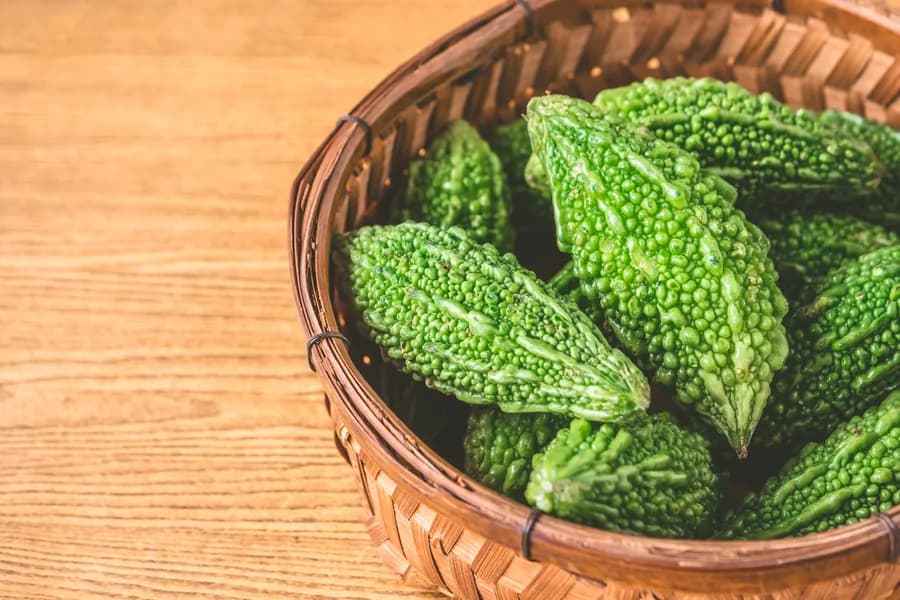
Bitter Gourd Benefits: Nutrition and Diabetes Safety
Bitter gourd is a low-energy vegetable that provides fibre, vitamin C and other plant compounds.


Karela Juice: Blood Sugar Claims and a More Practical Choice
Karela can be enjoyed as a vegetable. Juice research does not establish a universal daily remedy or a replacement for diabetes care.

Sugar Control Foods: A Practical Indian Guide for Blood Glucose
No food instantly lowers blood glucose. Steadier readings come from the type and amount of carbohydrate, what you pair it with, and your overall routine.

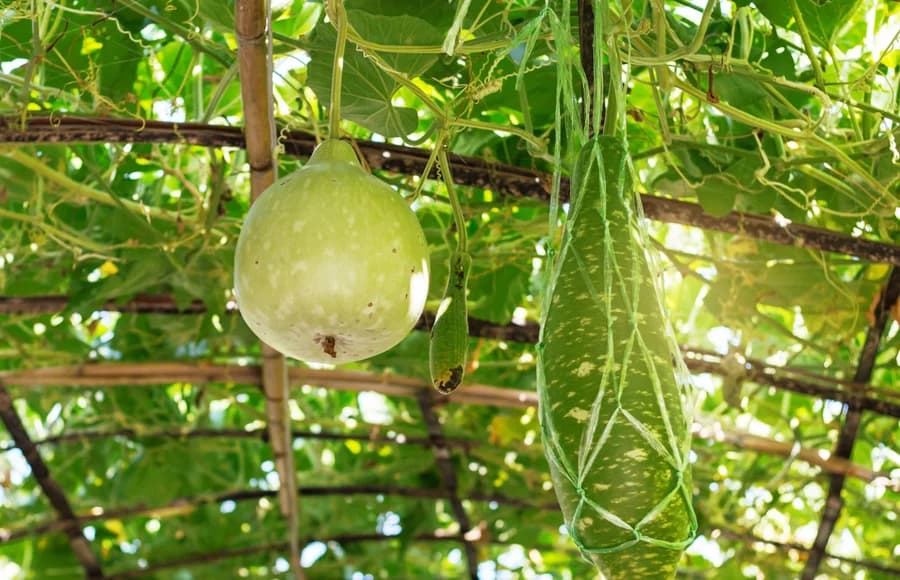
Ash Gourd Benefits: A Useful Vegetable Beyond the Juice Trend
Make ash gourd useful in everyday cooking without relying on exaggerated juice claims.