
Bland Diet: Meaning, Food List and How Long to Follow It
A bland diet is a short-term plan of soft, mild, lower-fat foods. Learn what to eat, how to keep it balanced and when to stop.
Key Takeaways
- A bland diet is short term: soft, mild, lower-fat food while reflux or nausea settles.
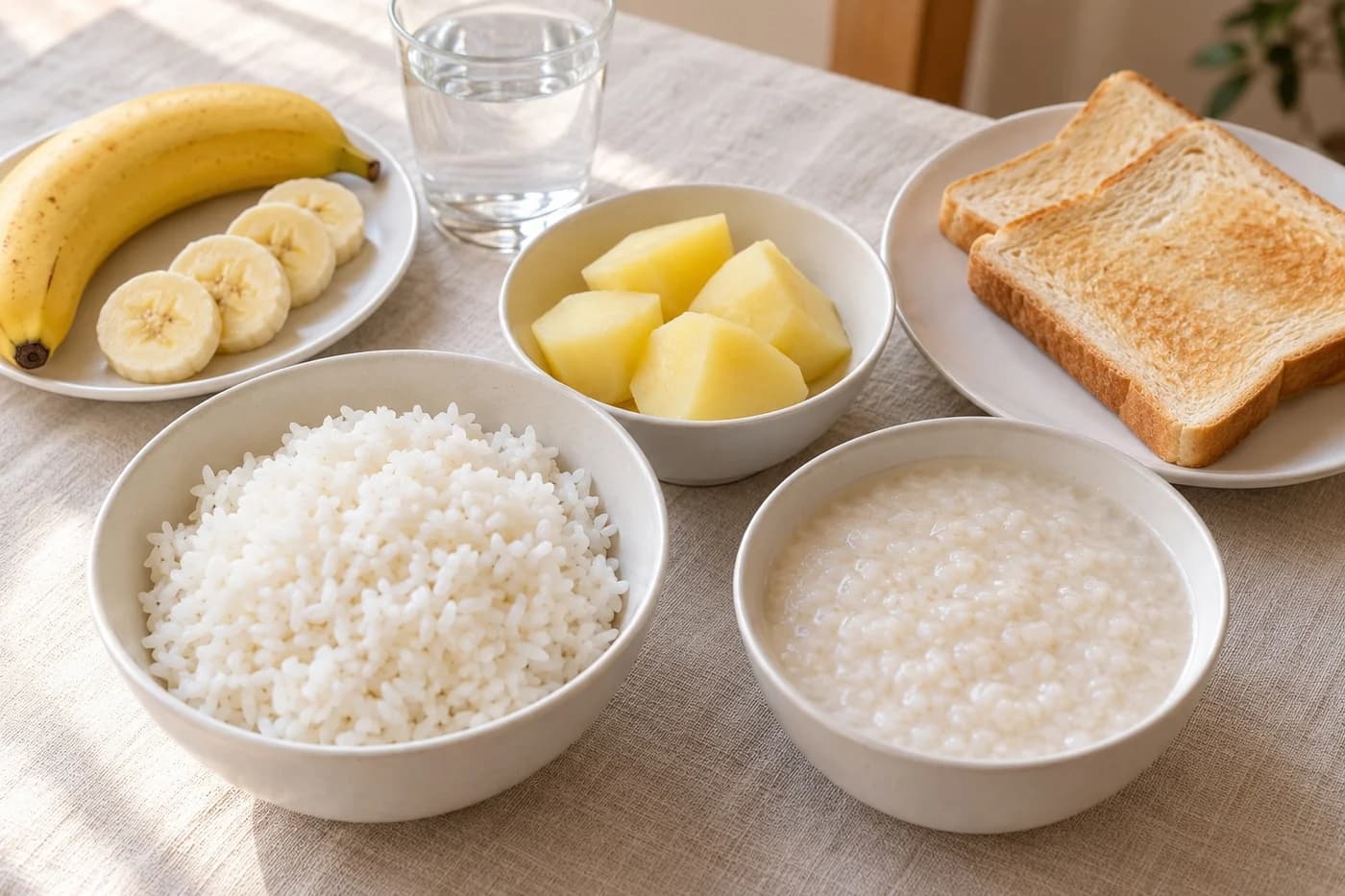
- Khichdi, idli, soft rice, banana and thin dal suit many people; tolerance varies.
- Bland is not the same as low-fibre or clear-liquid; follow procedure instructions exactly.
- Add moong dal, curd, paneer or tofu so the plan is not only plain starch.
- Return to normal variety within days; bleeding, severe pain or no fluids needs care.
A bland diet is a short-term way of eating soft, mildly seasoned, lower-fat foods while the stomach settles. Doctors may suggest it for heartburn, reflux, an ulcer, nausea or recovery after some stomach or bowel surgery. "Bland" does not mean living on biscuits and plain rice for weeks. The right foods depend on your symptom, and the plan should end once you feel better.
What a bland diet means
The idea is simple: choose foods that are less likely to irritate the stomach or trigger reflux. That usually means soft textures, little chilli or heavy tadka, smaller amounts of oil and no alcohol. It is a temporary eating pattern, not a cure for the underlying problem. If you have mainly vomiting or loose stools, hydration matters more than the menu; our guide to upset stomach remedies covers ORS and dehydration signs.
Foods that usually fit
There is no single list for everyone, and tolerance to dairy, wheat and fibre varies. These choices suit many people:
Grains and starches
Soft rice, moong dal khichdi, idli, plain upma, suji porridge, toast, oats cooked soft and boiled or mashed potato.
Protein foods
Thin moong or masoor dal, plain curd or chaas if tolerated, soft paneer, tofu, eggs and smooth peanut butter in a small amount.
Fruit and vegetables
Banana, papaya, stewed apple and well-cooked vegetables such as lauki, tinda, pumpkin and carrot.
Foods to limit for now
Fried and greasy food, very spicy or heavily seasoned dishes, pickles, alcohol and caffeinated drinks are common triggers. Raw salads and gassy vegetables such as cabbage and cauliflower may feel heavy for a few days. Painkillers such as aspirin and ibuprofen can irritate the stomach, so ask a pharmacist or doctor before taking them. Eating small meals, chewing slowly and finishing dinner at least two hours before bed can also ease reflux.
Bland, low-fibre and clear-liquid diets are different
Mild flavour, soft texture and low fibre are separate things. Soft oats are bland but contain fibre, while a spicy refined snack may contain almost none. If a doctor asks you to follow a low-fibre or clear-liquid diet before a test such as a colonoscopy, follow those written instructions exactly. Milk, khichdi or thick soup may not be allowed on a clear-liquid day, even though they are "bland". Getting the preparation wrong can mean the test has to be repeated.
A sample gentle day
If you have no special medical instructions, a day could look like this:
- Breakfast: soft idli with a little curd, or oats porridge with banana
- Lunch: moong dal khichdi with cooked lauki
- Snack: stewed apple or a small bowl of papaya
- Dinner: soft rice with thin dal and mashed pumpkin, or tofu with toast
This is an example, not a required menu. Use familiar portions and adjust them to appetite.
Keeping it balanced
Plain starch alone may calm the stomach for a meal or two but does not support recovery for long. Add a protein food to each meal, sip fluids regularly and include a soft fruit or cooked vegetable. Make one change at a time so you can tell what helps. A short dip in dairy tolerance after a stomach infection does not mean you are lactose intolerant for life, and a few uncomfortable days do not justify cutting out gluten or pulses permanently.
How long to follow it
Most people need a bland diet only while symptoms are active, often a few days. As you improve, bring back whole grains, pulses, raw vegetables and your usual spices step by step. Staying on a restricted menu for weeks can leave you short of fibre, protein and micronutrients. A bland diet is also not a detox or weight-loss plan. If acidity keeps returning, our guide to acidity home remedies explains longer-term habits.
When a bland diet is not enough
Seek urgent care for vomiting blood, black or bloody stools, severe or worsening abdominal pain, a hard swollen abdomen, confusion, fainting or being unable to keep fluids down. Children, older adults and pregnant women can become dehydrated quickly. Book a review if symptoms keep coming back, swallowing is difficult, you are losing weight without trying or you still cannot eat normally after a few days. Ulcers, gallbladder problems, infections and medicine side effects each need different treatment. People taking diabetes medicines should ask their doctor what to do when food intake drops.
Editorial sources
Frequently Asked Questions
Related Articles
Upset Stomach: Gentle Foods, Hydration and Warning Signs
Practical upset stomach remedies: hydration and ORS, gentle foods, fibre by symptom, medicine cautions and warning signs that need urgent care.


Acidity Home Remedies (Heartburn & GERD Relief Guide)
Acidity is a burning sensation in the chest or throat after eating, caused by stomach acid moving up the food pipe. See home remedies for instant relief.

Best Food for Loose Motion: What to Eat and Avoid
The best food for loose motion is bland, easy to digest, and replaces the fluids and salts you’re losing. See what to eat, what to skip, and when it.
Gut Health Diet: What to Eat for a Healthier Digestive System
A good gut health diet isn’t about one superfood — it’s consistent daily habits: enough fibre, a variety of plants, some fermented food, and enough.