
Brown Rice Benefits, Nutrition, Portions and Safety
Brown rice retains the bran and germ removed from white rice, so it generally provides more fibre, magnesium and a firmer texture.
Key Takeaways
- Brown rice keeps the bran and germ white rice loses, so it usually has more fibre and magnesium.
- Replacing some refined grains with whole grains can improve diet quality.
- Brown rice can contain more arsenic than white rice, so vary grains rather than rely on it.
- Refrigerate cooked rice promptly; rice left warm for hours can allow bacteria to multiply.
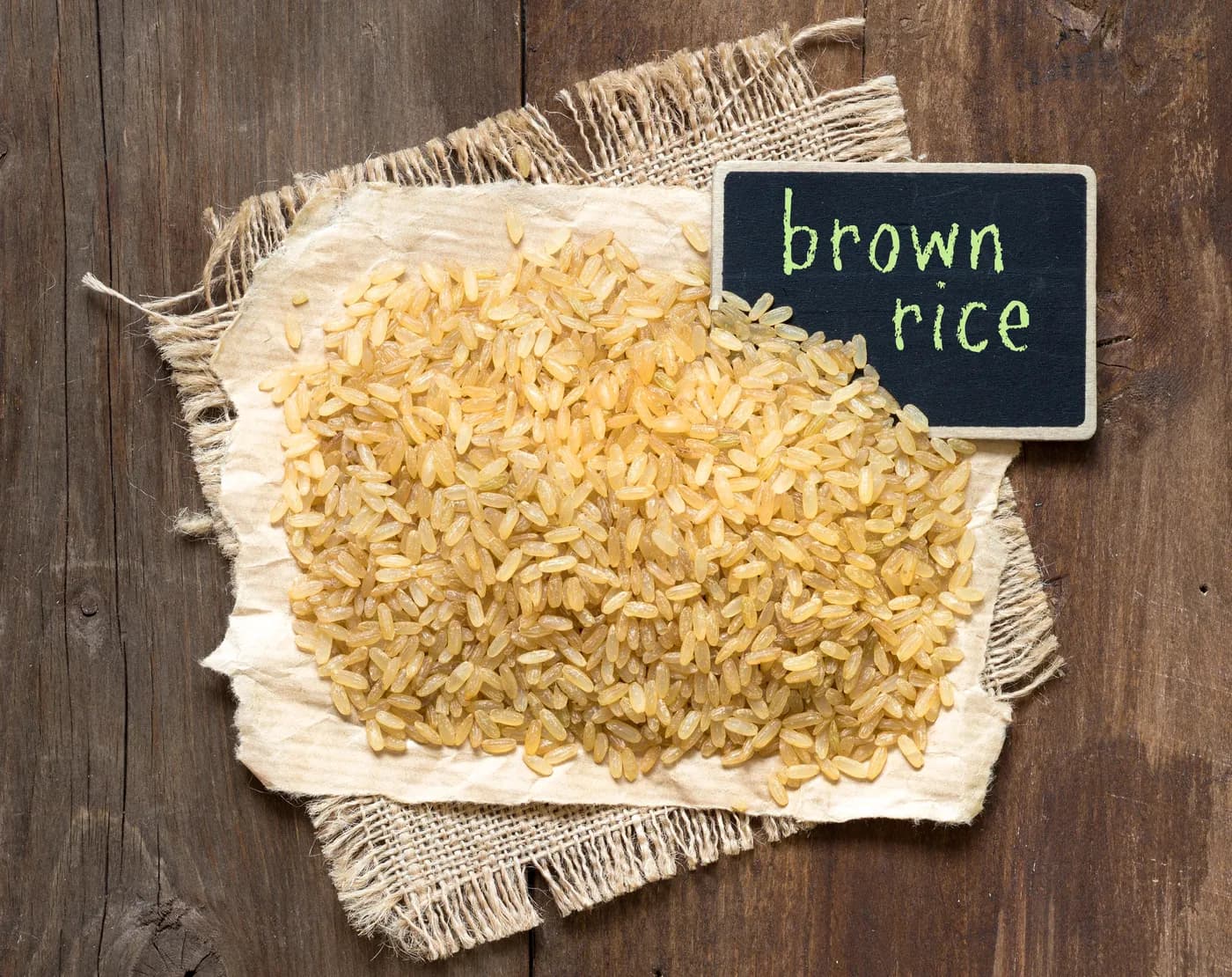
Brown rice retains the bran and germ removed from white rice, so it generally provides more fibre, magnesium and a firmer texture. It remains a carbohydrate-rich grain. This guide examines brown rice with practical context and without exaggerated promises.
Brown rice: the useful starting point
Replacing some refined grains with whole grains can improve diet quality. Blood-glucose response still depends on portion, cooking, the meal and the individual.
The bran layer is where much of the fibre, B vitamins, magnesium and other minerals sit, which is why brown rice is classed as a whole grain. Its calorie content per cooked cup is broadly similar to white rice, so the difference lies in nutrient quality and fullness rather than in a large drop in energy.
What research can and cannot say about brown rice
Population studies link diets rich in whole grains with better long-term health, but people who eat more whole grains often also eat more vegetables, exercise more and smoke less. That makes it hard to credit brown rice alone. Short trials comparing brown and white rice show modest differences, mostly in fullness and in how quickly blood sugar rises after a meal.
Realistic brown rice benefits therefore come from swapping it in for some refined grain as part of a balanced diet, not from treating it as a remedy. It will not reverse diabetes or cause weight loss on its own.
Simple serving ideas for brown rice
- Use with dal, vegetables and curd.
- Mix brown and white rice while adjusting to the texture.
- Cool cooked rice promptly and refrigerate it.
- Measure portions when carbohydrate intake needs managing.
Brown rice also works in pulao with peas and carrots, in vegetable khichdi with moong dal, or as lemon rice with peanuts and curry leaves. Pressure cooking makes it noticeably softer and saves time compared with an open pan.
Buying, storing and serving brown rice
Because the germ contains natural oils, uncooked brown rice can turn rancid sooner than white rice. Buy amounts you will use within a few months, keep it in an airtight container in a cool, dry place, and refrigerate it in very hot, humid weather. A stale or bitter smell is a sign the pack is past its best.
Important limits to remember
Increase fibre gradually if it causes bloating. People with diabetes or kidney disease may need individual carbohydrate, potassium or phosphorus advice. Cooked rice left warm for long periods can support bacterial growth.
Rice can take up arsenic from soil and water, and levels tend to be higher in the bran, so brown rice may contain more than white rice. This is a reason to vary grains rather than avoid rice; cooking it in plenty of water and draining the excess can reduce levels. Infants and young children are best served a mix of grains rather than relying on brown rice products.
Making brown rice work in an Indian meal
Brown rice can be used wherever you would normally serve rice: with dal, rajma, sambar, curd or a vegetable curry. Its firmer texture and nuttier flavour may take time to get used to. Mixing brown and white rice is a practical starting point, especially for children, older adults or anyone who finds a full serving too chewy. The meal becomes more balanced when rice is paired with vegetables and a source of protein rather than eaten in a very large portion on its own.
Fibre, blood sugar and portions
Because the bran remains, brown rice generally provides more fibre than white rice. That can support bowel regularity and make a meal more filling, but it does not make portions unlimited. Blood-glucose response depends on the amount eaten, how soft the rice is cooked, and what accompanies it. People with diabetes can often include brown rice, but the appropriate portion should follow their individual meal plan and glucose response.
Cooking and storing it safely
Rinse the rice, use the water ratio on the pack and allow extra cooking time. Soaking can shorten cooking and soften the grain. Refrigerate leftovers promptly in a shallow container and reheat only the amount needed until steaming hot. Rice left warm for several hours can allow bacteria to multiply; smell and appearance cannot reliably show whether it is safe.
Choosing between varieties
Brown rice is sold in short-grain, long-grain and basmati varieties, and each cooks differently. Brown basmati stays relatively separate, while shorter grains may be softer or stickier. Check the pack for cooking time instead of assuming all types need the same water. Buying a small pack first prevents waste if the household dislikes the texture. Rotating it with white rice and other grains can provide variety without creating a rigid rule.
Brown rice and digestion
Some people feel fuller after brown rice because its texture encourages more chewing and its fibre remains intact. Others experience gas or heaviness when they change suddenly from refined grains. Begin with a mixed-rice portion, cook it until comfortably tender and increase gradually. Drinking adequate fluid and varying grains can also help. Brown rice benefits do not require eating it at every meal. If symptoms continue despite a smaller portion, use another grain that suits you.
Is switching necessary?
Brown rice benefits are useful but not exclusive. White rice can also fit a nourishing diet, particularly when it is easier to digest or preferred by the household. Millets, oats, whole-wheat roti and other grains can provide variety. Choose brown rice when you enjoy it and it suits your digestion, budget and meal plan - not because it is marketed as a compulsory "healthy" replacement.
Editorial sources
Frequently Asked Questions
Related Articles
Brown Rice Versus White Rice: A Full Comparison
Brown rice and white rice come from the same grain — the milling process that strips away the bran and germ is what changes the nutrition, glycemic.


Vegetarian protein: needs, myths and meal planning
Vegetarian meals can provide enough protein. Learn practical needs, simple Indian food sources, common myths and an easy meal-planning method.

High-Fibre Foods: Simple Indian Meal Ideas
Find high-fibre Indian foods, easy meal ideas, gradual intake tips and practical advice for constipation and daily health.