
Calories in Tea: Plain Tea, Milk Tea and Chai Compared
Plain tea has almost no calories; milk, sugar and cup size change everything. How to estimate your chai and make it lighter without giving it up.
Key Takeaways
- Plain brewed black, green or herbal tea has close to zero calories.
- A level teaspoon of sugar adds about 16 kcal; four sweet cups add up.
- Jaggery and honey still add sugar and calories.
- Drink tea away from iron-rich meals to protect iron absorption.
- In pregnancy, keep total caffeine under 200 mg a day.
A plain cup of brewed tea has very few calories. What changes the count is what you add: milk, sugar, jaggery, honey, condensed milk or flavoured syrup. A small homemade chai and a large café tea may share a name but be very different drinks. You do not have to give up tea to understand what is in your cup.
How many calories does plain tea have?
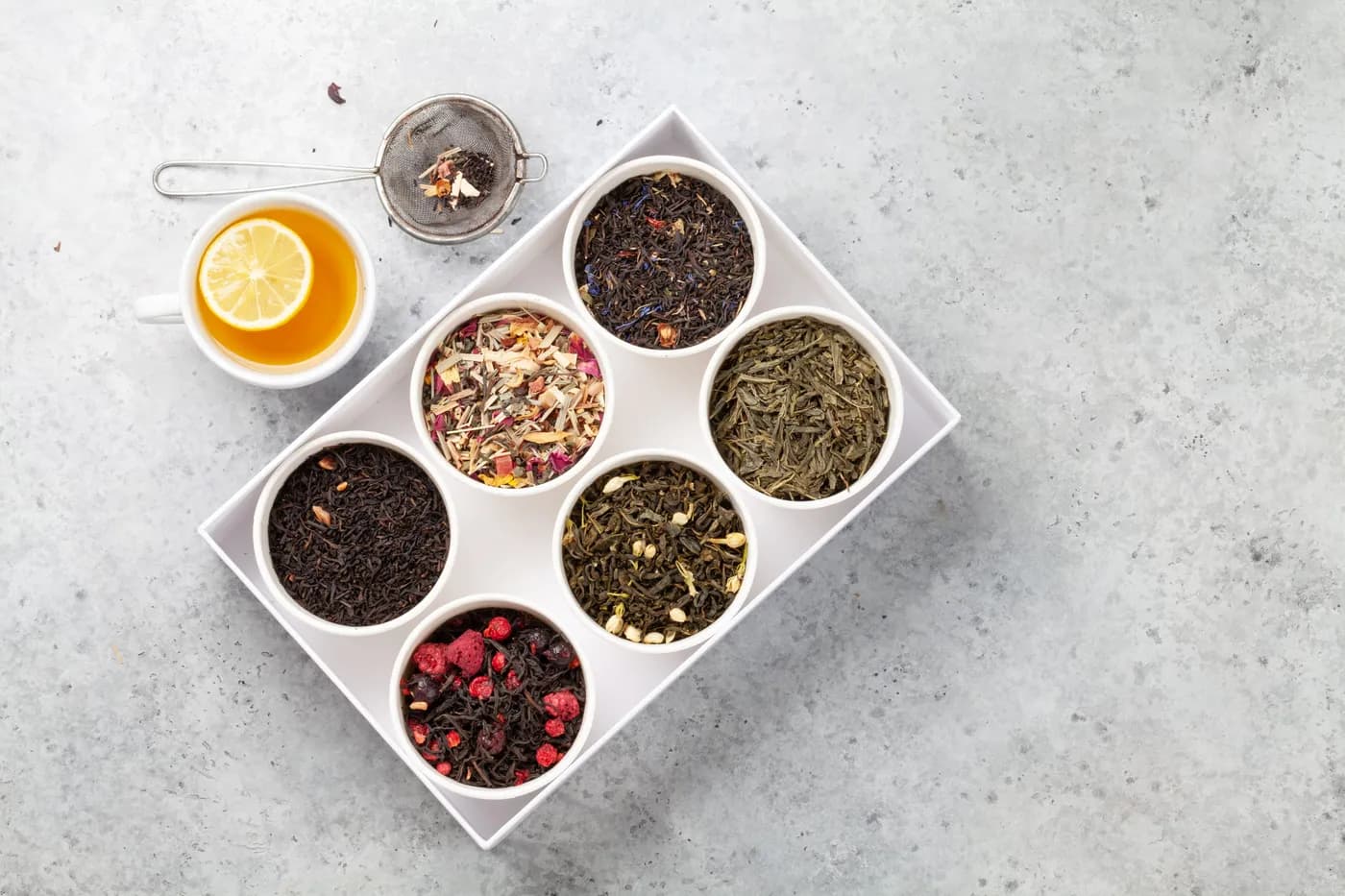
Tea leaves are steeped in water, so an unsweetened cup of black or green tea provides almost no energy; you can check brewed tea in USDA FoodData Central. Simple unsweetened herbal infusions are similarly low. A bottled "green tea" with added sugar is a different product altogether.
What milk and sugar add
Milk tea depends on the recipe. A splash of milk in a small cup adds far less than a mug made mostly with milk. Toned or skimmed milk adds fewer calories than full-cream milk.
A level teaspoon of sugar weighs about 4 g, and sugar provides about 4 kcal per gram, so each teaspoon adds roughly 16 kcal. Two teaspoons in each of four cups a day add about 128 kcal from sugar alone, before milk or snacks. Your own cup may differ; the point is how a routine adds up.
Honey, jaggery and brown sugar taste different but still add sugar and calories; our comparison of jaggery and sugar explains why. Ginger, cardamom and cinnamon add plenty of flavour with almost no calories, which can make a less sweet cup more enjoyable.
Why cup size matters
A household teacup, an office mug and a café cup hold very different amounts. To know your own tea, fill your usual cup with water once and measure it.
Packaged premixes often contain sugar and milk powder before you add anything, so check calories and sugar per serving and how many servings are in the pack. Café drinks with condensed milk, cream, pearls or syrup are closer to desserts than to a plain brew.
How to make your chai lighter
- Keep the cup you enjoy most and make the others smaller or less sweet.
- Cut sugar gradually, for example from two teaspoons to one and a half, and add more ginger or cardamom.
- Use a smaller cup for routine breaks.
- Notice the snack. Biscuits or namkeen with every cup often add more energy than the tea; if you are hungry, choose fruit, roasted chana or a few nuts instead.
Caffeine and timing
Black and green tea contain caffeine, and the amount varies with the tea, strength and brewing time. Our guide to caffeine in tea compares types. If an evening cup keeps you awake, move your last caffeinated tea earlier or switch to a caffeine-free option.
During pregnancy, the NHS advises no more than 200 mg of caffeine a day from all sources and estimates a cup of tea at about 75 mg, though strong or large cups contain more.
If strong tea gives you acidity, a racing heart or shakiness, try a weaker or smaller cup with food. For more on these effects, see our article on the side effects of drinking tea.
Tea and iron absorption
Tea taken with meals reduces how much iron you absorb from plant foods such as dal, beans and greens. ICMR-NIN advises avoiding tea and coffee with or right after meals, and the NHS lists large amounts of tea and coffee among things that make iron harder to absorb. If iron is a concern, drink tea between meals and add a vitamin C food such as lemon, amla, guava or tomato to your main meal. If you take iron tablets, follow your pharmacist's timing advice.
A simple check for your own cup
For one day, note the cup size, how much milk and sweetener you add and whether a snack comes with each serving. Then pick one change to try. Tea is also a break and a social ritual, and the recipe and frequency matter far more than calling tea "good" or "bad".
Editorial sources
Frequently Asked Questions
Related Articles

Does Tea Contain Caffeine? Types, Amounts and Timing
Most tea made from the Camellia sinensis plant contains caffeine, although the amount changes with the leaf, serving size and brewing method.

Side Effects of Drinking Tea: Caffeine, Iron Absorption and Acidity
Tea can be an enjoyable daily drink, yet its side effects depend on the type, strength, cup size, timing and everything added to it.

Black Tea Benefits: Caffeine and Smart Timing
Black tea is made from fully oxidised tea leaves and naturally contains caffeine and polyphenols.
Jaggery vs Sugar: Which Sweetener Is Actually Healthier?
Jaggery is often seen as the natural, guilt-free option, but nutritionally that’s only partly true — both are concentrated carbohydrates that affect.