
Carrot Juice Benefits: Nutrition, Portions and Safety
What a glass of carrot juice offers, how it differs from whole carrots, a sensible portion, and how to prepare and store it safely.
Key Takeaways
- Juicing keeps beta-carotene but removes much of the fibre that makes whole carrots filling.
- NHS guidance caps juice and smoothies at 150 ml a day in total, ideally with a meal.
- Blending keeps more pulp than juicing, but it is still easy to drink a lot quickly.
- Drink fresh, unpasteurised juice promptly; pregnant and older people should take care.
- Food beta-carotene is safe; smokers should avoid high-dose beta-carotene supplements.
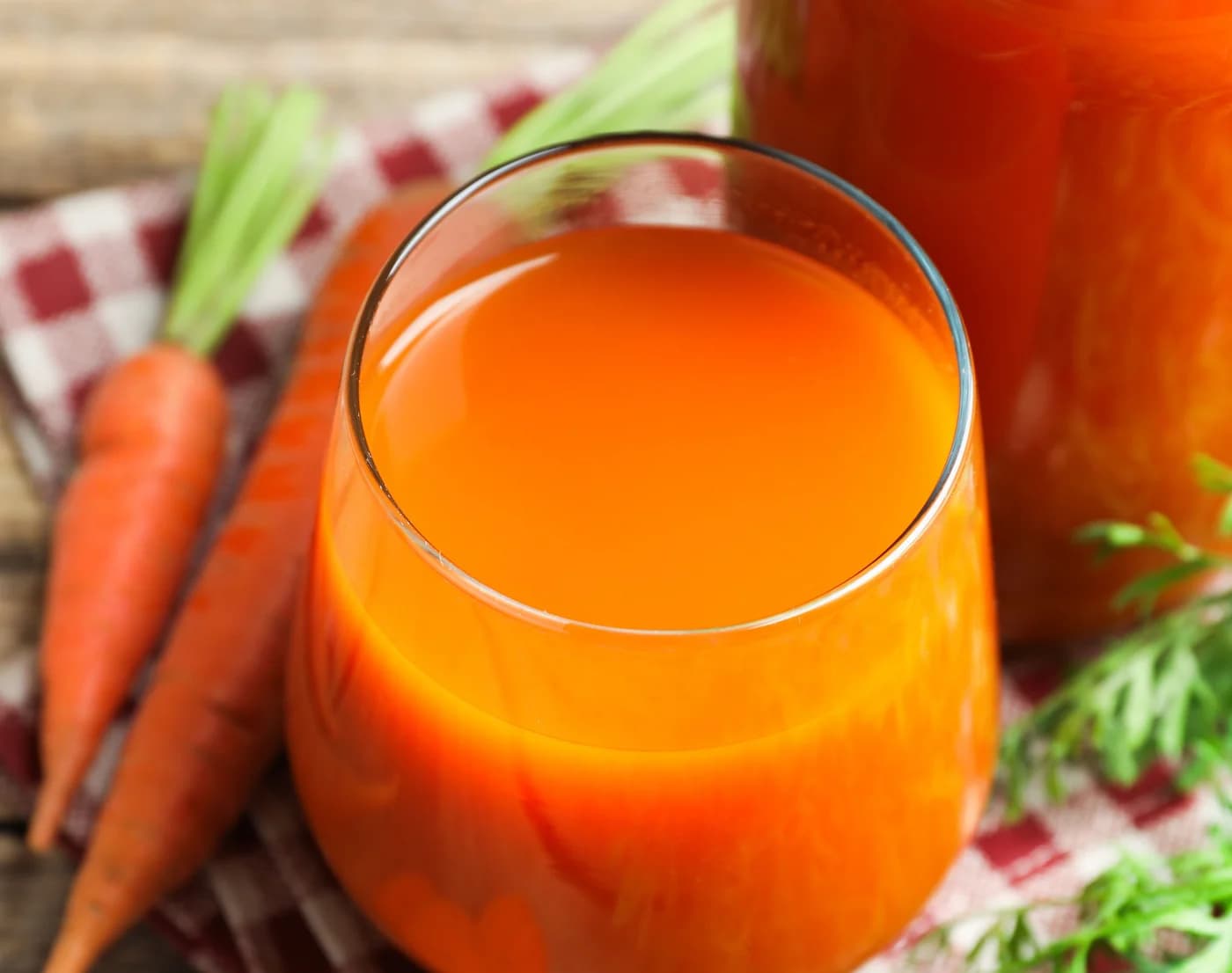
Carrot juice is a quick way to get beta-carotene, the orange pigment the body turns into vitamin A. It can fit a healthy diet, but juicing removes much of the fibre and squeezes several carrots into one glass. That makes it less filling than whole carrots and easier to overdo. This guide looks at the drink itself; for whole carrots, see our article on carrot nutrition.
What does carrot juice provide?
Beta-carotene and vitamin A
Beta-carotene supports normal vision, immunity and growth once the body converts it to vitamin A. The body converts only what it needs, which is why food sources are far safer than high-dose vitamin A pills. Carotenoids are absorbed better when the meal contains some fat, such as curd, nuts or the usual cooking oil. You do not need to add oil to the glass. Read more in our guide to vitamin A and beta-carotene.
Natural sugar, less fibre
Juice keeps the carrots' natural sugar but loses most of the pulp. A large glass can therefore raise blood glucose more than the same carrots eaten whole, and it will not keep you full for long.
What it cannot do
Carrot juice does not reverse refractive errors, cataracts or other eye disease. Lemon and ginger add flavour but do not turn it into a detox drink. Sudden vision changes need urgent medical care.
Juicing and blending are different
A juicer separates most of the pulp from the liquid. A blender keeps the whole carrot in the drink unless you strain it, so a blended drink retains more fibre. Both are still easy to drink quickly. For everyday meals, grated carrot in salad, carrot in dal or carrot-matar sabzi gives you the whole vegetable in a satisfying plate.
How much should you drink?
The NHS suggests keeping fruit juice, vegetable juice and smoothies to 150 ml a day in total, a small glass, and having it with a meal. Pour it into a small glass rather than drinking from a large bottle. Sipping juice slowly through the morning exposes teeth to sugar and acid for longer, so water is the better drink between meals.
Adding honey, sugar or several sweet fruits changes the recipe, even when every ingredient is called natural. People with diabetes, or those on a kidney or fluid-restricted diet, should use the portion their care team recommends.
Preparing juice safely
- Wash your hands and clean the juicer or blender before you start.
- Rinse carrots under running water and cut away damaged parts.
- Make only what you will drink soon and refrigerate it. Cold storage slows germ growth but does not make untreated juice sterile.
- Use leftover pulp promptly in soup, vegetable cutlets or roti dough rather than leaving it on the counter.
Fresh and cold-pressed juices are usually unpasteurised. The FDA notes that untreated juice can carry harmful bacteria and is riskier for children, older adults, pregnant women and people with weakened immunity. These groups are better off with pasteurised juice or the whole vegetable.
Who needs extra care?
- Very high intake: Drinking large amounts of carotene-rich juice over time can turn the palms and soles yellow-orange. This is harmless and fades when intake falls, but yellow eyes need a doctor because they may signal jaundice.
- Smokers and former smokers: Beta-carotene from food is safe, but studies have linked high-dose beta-carotene supplements with harm in this group. Do not combine juice with such supplements casually.
- Kidney disease: Ask your care team about potassium and fluid before making juice a daily habit.
- Diarrhoea or vomiting: Carrot juice is not a substitute for oral rehydration solution.
- Packaged drinks: A "carrot drink" may contain added sugar, fruit concentrate and little carrot, so read the ingredient list.
Editorial sources
Frequently Asked Questions
Related Articles
Carrot Nutrition: Beta-Carotene and Easy Ways to Eat Them
Carrots provide beta-carotene, fibre, potassium and natural sweetness. The body can convert beta-carotene into vitamin A.
Vitamin A Beta Carotene Benefits: Vision, Immunity & Skin
Vitamin A supports clear vision in low light, a well-functioning immune system, and healthy skin — and it comes from two different sources your body.
Beetroot Juice Benefits: Nutrition, Timing and Smart Choices
Beetroot juice benefits can affect hydration, energy or nutrient intake depending on its ingredients. Packaged and homemade versions may differ greatly.

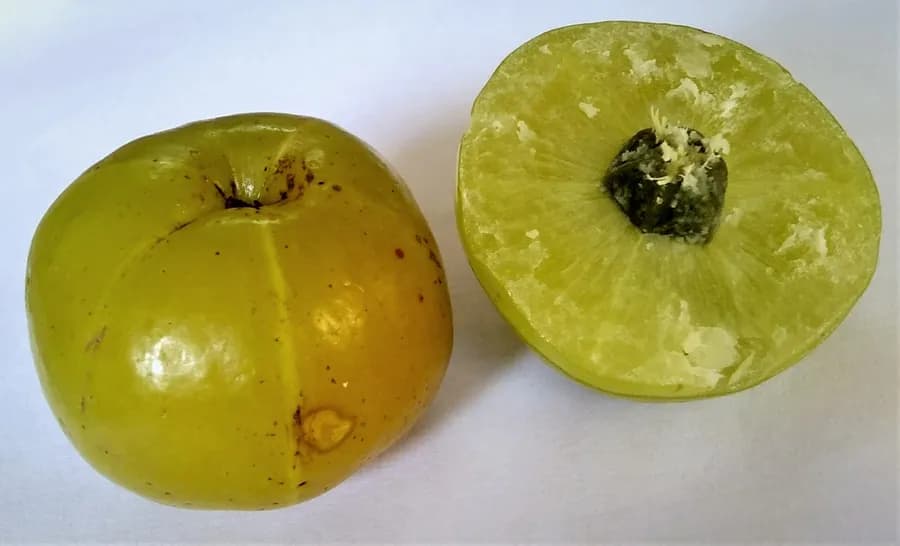
Amla Juice Benefits: Immunity, Digestion & Skin
Amla juice concentrates Indian gooseberry into an easy daily shot — vitamin C, antioxidants, and polyphenols without eating the sour fruit itself. See.