
Chestnuts: A Starchy Nut with Simple Kitchen Uses
A practical introduction to edible chestnuts, their starchy texture and simple meal uses.
Key Takeaways
- Edible chestnuts are starchy and lower in fat than most nuts.
- Horse chestnuts are not edible.
- Cook fresh chestnuts and start with a modest portion.
- Sweetened chestnut products are a separate choice.
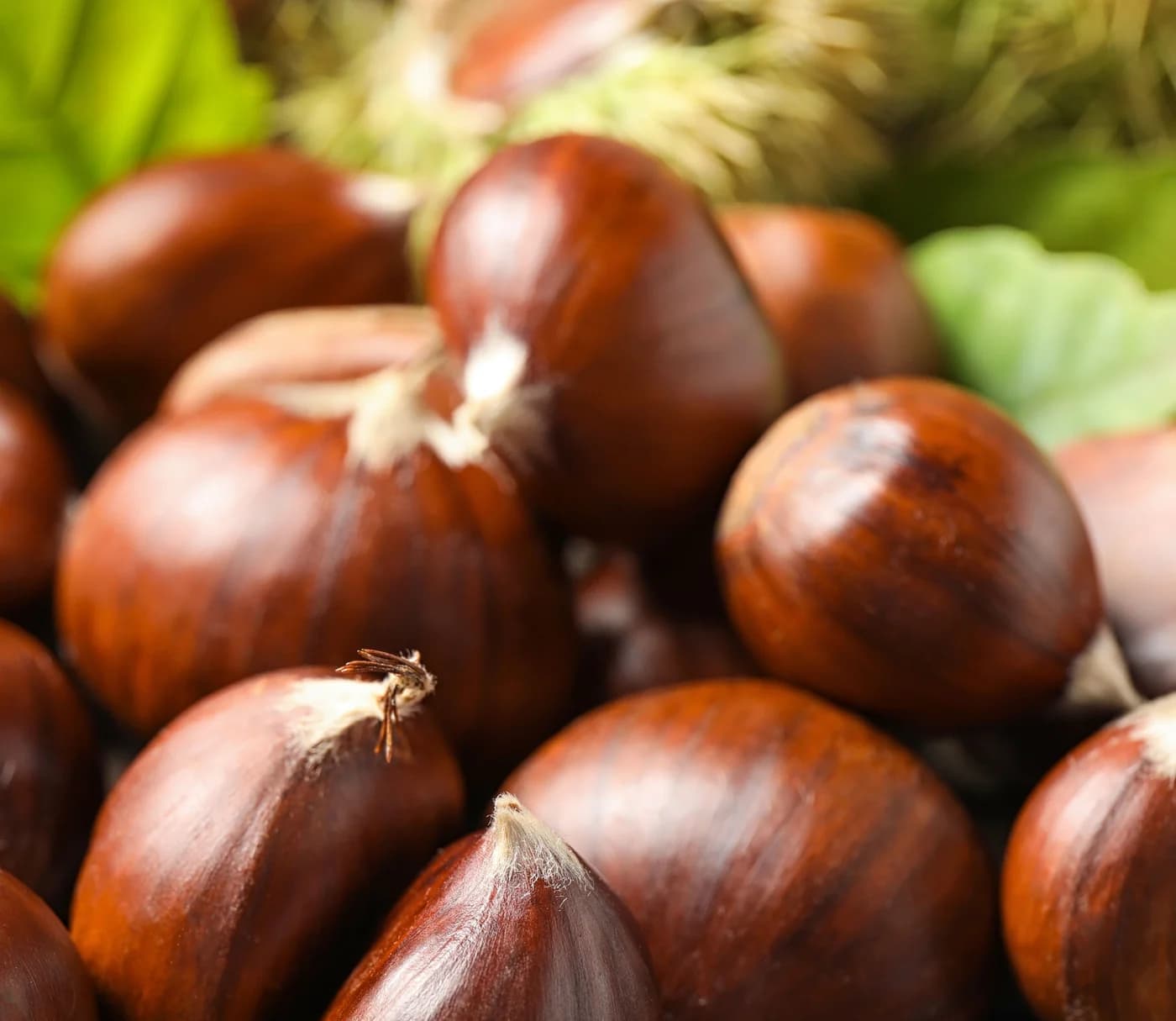
Roasted chestnuts are softer and sweeter than many people expect from a nut. Their texture is closer to a tender starchy food than to a crunchy almond. That difference also shows up nutritionally: chestnuts contain more starch and much less fat than many other nuts. They can add variety to meals, but choosing an edible chestnut and cooking it properly comes first.
Know which chestnut you have
Edible sweet chestnuts belong to Castanea species. Horse chestnuts, also called conkers, are different and are not edible. A shiny brown object found under a tree should not be eaten because it resembles a market chestnut.
Buy chestnuts sold as food from a dependable food source rather than relying on an online picture to identify foraged nuts. Cooking does not turn horse chestnuts into a safe substitute.
Water chestnuts, or singhara, are another different food. They are not the same botanical ingredient as the sweet chestnuts discussed here, and singhara flour cannot automatically be used as an exact substitute in every chestnut recipe.
What their nutrition means for a meal
Chestnuts provide carbohydrate, including starch, along with some fibre and micronutrients. Unlike many familiar nuts, they are relatively low in fat and are not a concentrated protein food.
That makes a chestnut serving different from a handful of walnuts or almonds. Do not assume the word nut guarantees the same balance of nutrients across all varieties.
In a meal, think of cooked chestnuts as a starchy addition that also brings texture and flavour. Pair them with vegetables and a useful protein food rather than expecting them to replace dal, beans, tofu or paneer.
Start with a modest cooked portion
A few peeled chestnuts can be a pleasant snack or side. If you use them in a grain dish, you may want a little less of the grain because both contribute starch.
There is no required daily chestnut amount for health. Size and preparation vary, so appetite and the overall meal are more useful than a rigid count copied from a different product.
For diabetes, chestnuts still contribute carbohydrate. Plain cooked chestnuts are different from candied ones, but neither should be treated as unlimited. Fit the amount into the food plan you already use rather than relying on a general nut-health claim.
How to prepare fresh chestnuts
Choose sound nuts without mould, holes or an unpleasant smell. Before roasting, carefully score through the shell so steam can escape during cooking. Use a stable surface and a suitable knife; a slippery shell needs patience.
Follow a tested roasting or boiling method for the size and form you have. Unscored nuts can burst when heated. Cook until the flesh is tender, then allow them to cool enough to handle safely.
Remove both the outer shell and the inner skin. Peeling is often easier while the nuts are still warm, but avoid burning your fingers in a hurry. Discard any that look mouldy or smell wrong after opening.
Use them in familiar savoury food
Cooked chestnuts have a mild sweetness that works with earthy or gently spiced dishes. You do not need an elaborate festive recipe to enjoy them.
Try chopped chestnuts in a vegetable pulao, using a small amount for texture. Add them to a mushroom-and-pea dish, or stir pieces into a thick vegetable soup near the end of cooking.
They can also be mashed into a soup with dal or beans, which adds more substance than a chestnut-only purée. Keep spices balanced so their gentle flavour is not lost. A small trial portion is a sensible way to learn whether you like the combination.
A snack can be simple
Warm roasted chestnuts can be eaten plain. They do not need a heavy coating of butter, sugar or salt to become enjoyable.
If they are the main snack and you need more staying power, add another food such as plain curd or roasted chana according to your appetite. A snack does not have to be made from a single ingredient to be convenient.
Packaged peeled chestnuts can save preparation time. Their storage requirements depend on the packaging, especially once opened. Ready-to-eat does not necessarily mean the remaining portion can stay unrefrigerated for days.
Sweetened chestnut foods are a separate choice
Candied chestnuts, sweetened spreads and rich chestnut desserts can contain substantial added sugar or fat. Their starting ingredient does not make them equivalent to a plain roasted serving.
Enjoy a small dessert portion if you like it. There is no need to justify it as a fibre treatment or an immunity food.
Chestnut flour also changes a recipe rather than automatically improving it. It does not behave exactly like wheat flour, and its nutritional role depends on the quantity and the other ingredients. Use a suitable recipe instead of a blanket one-for-one substitution.
Fresh chestnuts need care in storage
Fresh chestnuts have more moisture than many other nuts and can spoil. Refrigerate them according to the food seller's storage advice and use them within a reasonable time rather than keeping them indefinitely in a warm cupboard.
Cook only what you can eat or store safely. Refrigerate cooked chestnuts promptly and follow instructions for opened packaged products.
Do not use roasting to rescue mouldy nuts. An off smell, visible mould or an abnormal interior is a reason to discard them. Buying a small quantity initially can reduce waste while you learn how often your household actually uses them.
Allergy and texture still matter
Chestnut allergy is possible. Someone with a known reaction should avoid the food and follow their allergy plan. Do not assume that tolerance of one other nut guarantees chestnuts will be suitable.
For young children, prepare the cooked flesh in an age-appropriate texture rather than giving whole nuts or firm chunks. Supervise eating and keep discarded shells away from children.
Chestnuts are a pleasant seasonal ingredient when they are available and affordable. Use them for their soft texture and gentle flavour, with the same practical attention to portions and food handling you would give any other food.
Editorial sources
Frequently Asked Questions
Related Articles
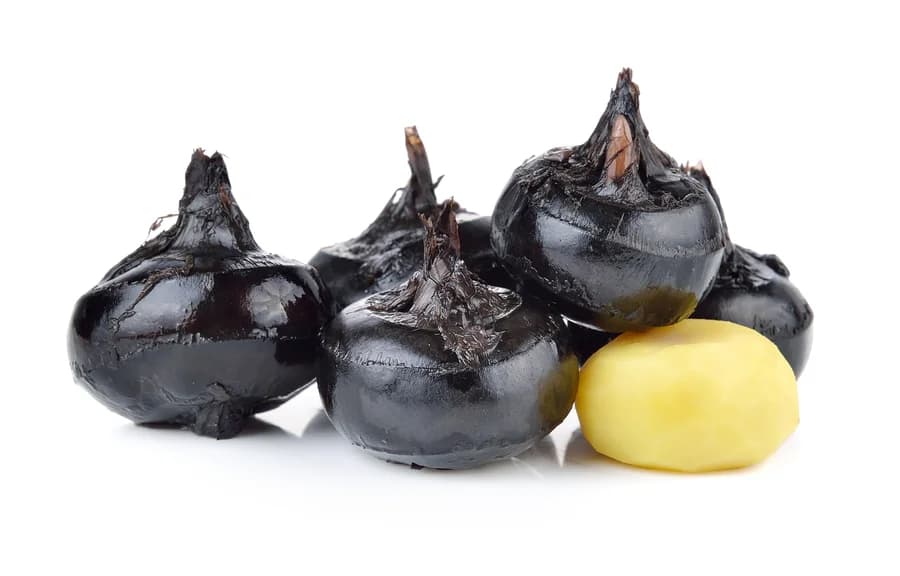
Water Chestnuts: Nutrition, Uses and Preparation
Water chestnuts are crisp aquatic vegetables, not nuts. Fresh corms and canned slices stay crunchy after cooking.

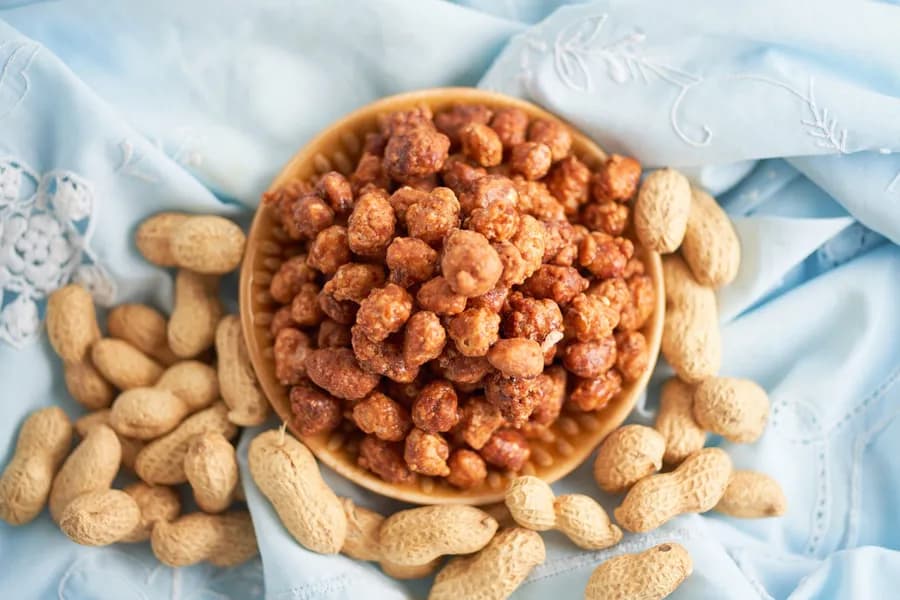
Peanuts and Jaggery: Simple Gud Moongfali Snack
Roasted peanuts and a small piece of jaggery make a familiar, portion-controlled Indian snack — crunchy, sweet, and quick. See the full recipe.

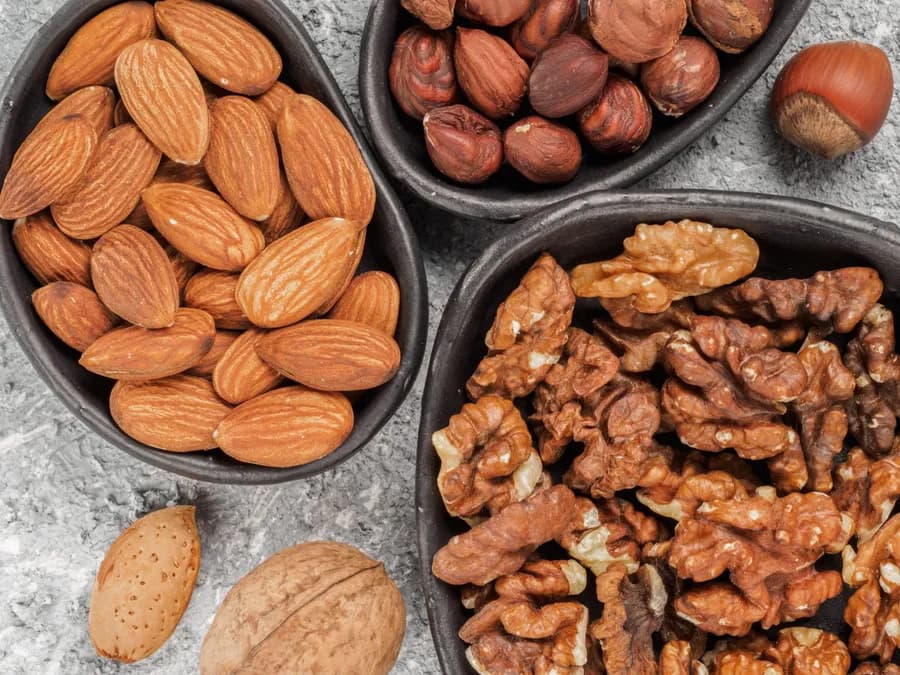
Healthy fats for brain: soaked almonds and walnuts habit
Healthy fats for brain health can come from simple vegetarian foods like almonds, walnuts, seeds and oils. Learn a simple soaked nuts habit.
Hazelnuts: Nutrition, Easy Uses and Safety
Hazelnuts are crunchy, nutritious and easy to add to meals, but they are energy-dense and a serious allergy risk for some people. Here is a plain guide.