
Hazelnuts: Nutrition, Easy Uses and Safety
Hazelnuts are crunchy, nutritious and easy to add to meals, but they are energy-dense and a serious allergy risk for some people. Here is a plain guide.
Key Takeaways
- Hazelnuts are mostly unsaturated fat and provide fibre and vitamin E.
- A small handful is a sensible portion.
- Plain nuts are a better choice than sweet chocolate spreads.
- Nut allergy can be serious, and whole nuts are a choking risk for young children.
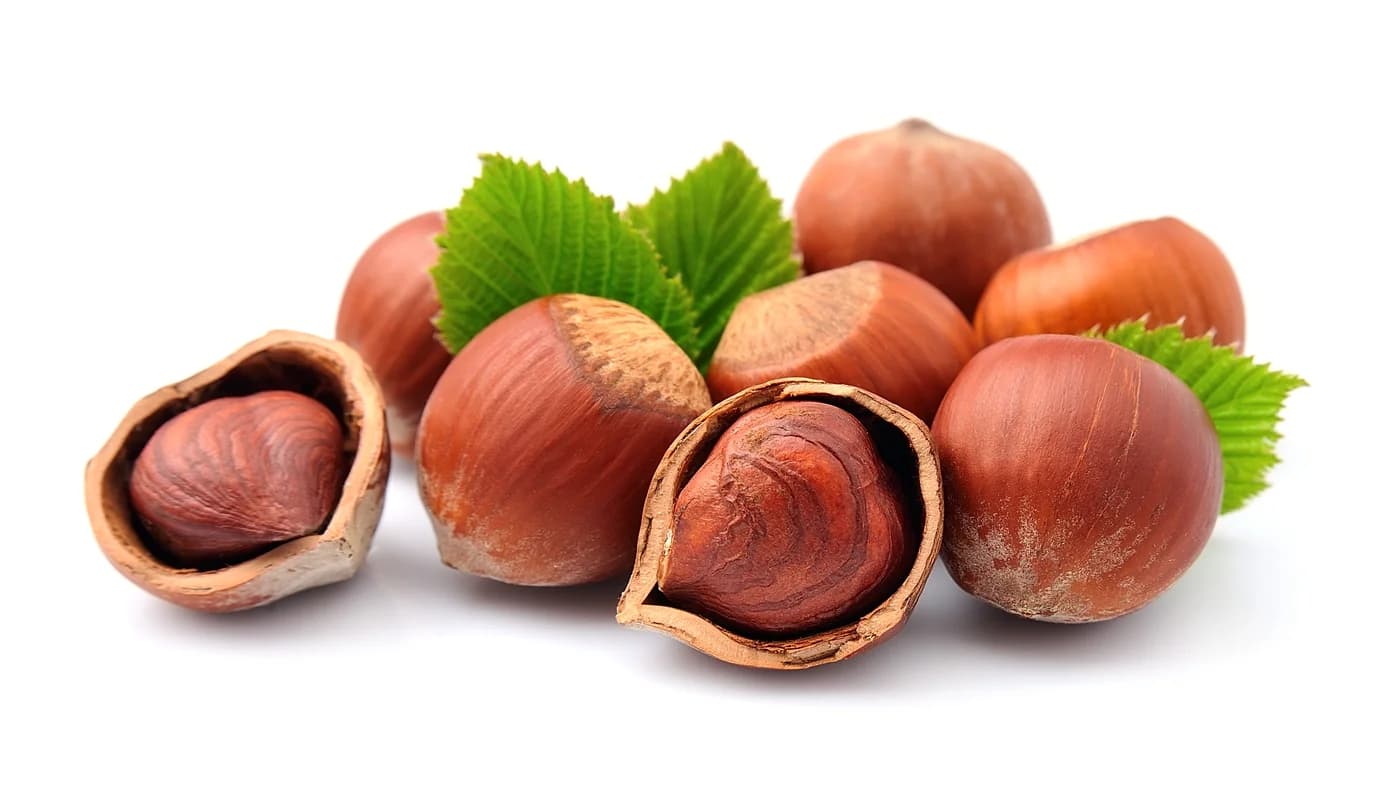
Hazelnuts are the nut behind many a chocolate spread, but on their own they’re a much simpler and more useful food. They’re crunchy, slightly sweet and easy to add to everyday meals. They’re also energy-dense, and for some people they’re a serious allergy risk. Here’s a plain guide to what they offer and how to enjoy them safely.
What’s in a handful
Hazelnuts are mostly fat, and most of that is the unsaturated kind. They also give you fibre, plant protein, vitamin E and some minerals. That mix is why a small handful feels more satisfying than a biscuit.
Vitamin E acts as an antioxidant in the body. Still, hazelnuts aren’t a “superfood”. Their benefit comes from the overall eating pattern, especially when nuts replace less nutritious snacks like fried namkeen or packaged sweets.
How much to eat
Nuts are calorie-dense, so portion matters. A small handful, roughly 20 to 30 g, is a practical serving for many adults.
Eating more doesn’t mean getting more benefit. If you’re watching your weight, keep the handful modest and count it as part of your day’s food, not an extra.
Easy ways to eat them
Hazelnuts fit into Indian meals more easily than you might think:
- Have a small handful as a snack, plain or lightly roasted.
- Scatter chopped hazelnuts over oats, porridge or fruit.
- Stir a spoonful into curd with some chopped fruit.
- Blend a small amount into a chutney for body and flavour.
- Add them to a salad or a poha topping for crunch.
Pairing nuts with fruit or curd makes a more balanced snack, since you get fibre, protein and healthy fat together.
Plain nuts beat sweet spreads
Plain or lightly roasted hazelnuts are a better everyday choice than salted, sugar-coated or candied ones. Check the label for added salt and sugar.
Hazelnut spread isn’t the same as hazelnuts. Many spreads contain a lot of added sugar and extra fat, with relatively little nut. If you like a spread, compare labels and keep the portion small. A nut butter with minimal added sugar and salt is a better option. For easy ways to cut back on sugar, see our guide on how to control sugar naturally.
Hazelnuts and your heart
Hazelnuts can support a heart-healthy eating pattern when they replace foods high in saturated fat, like fried snacks or biscuits made with butter or palm oil. The key is the swap. Adding hazelnuts on top of a rich diet doesn’t do the same thing.
They also don’t replace medicines or advice from your doctor. If cholesterol is a concern, our guides on saturated and unsaturated fats and how to reduce cholesterol naturally explain what else helps.
Buying and storing
Choose intact nuts that look clean, with no mould, insect damage or musty smell. Buy a quantity you’ll finish within a reasonable time, since nuts can go stale.
Store them in an airtight container in a cool, dark place. In warm weather, the fridge or freezer keeps them fresh for longer. Roasting brings out the flavour, but very high heat can burn the oils, so roast gently and watch them. If a nut tastes bitter, sour or like old paint, it’s rancid, so throw it away.
Allergy: take it seriously
Tree-nut allergy can be serious. If you have a diagnosed allergy, follow your allergy plan, check labels for cross-contact and be careful with shared kitchens and sweets, since hazelnuts hide in chocolates, spreads, baked goods and some desserts.
Get emergency help right away if you notice wheezing, throat tightness, swelling of the face or lips, or faintness after eating hazelnuts. Don’t wait to see if it passes.
If you think you might be allergic but haven’t been diagnosed, see a doctor instead of testing it at home.
Choking risk for little ones
Whole nuts are a choking risk for young children. Please don’t give them whole or in large pieces. Smooth nut butter spread thinly, or finely ground nuts mixed into age-appropriate foods, are safer options. If you have a child, check with your child’s doctor about when and how to introduce nuts, especially if there’s a history of allergy in the family.
Who might need to be careful
Because hazelnuts are energy-dense, portion is worth thinking about if you’re managing your weight. If you have a digestive condition, notice how nuts affect you, since the fibre and fat can cause discomfort for some people. If you’re on a special diet for a medical reason, such as for kidney disease, ask your doctor or dietitian whether nuts suit you.
Fit it into your day
Small food swaps add up. Choose a handful of nuts instead of a packet of chips, or add chopped nuts to your morning oats.
Good eating works best alongside movement and sleep. A gentle morning stretch or a beginner-friendly online yoga class pairs well with it. For more everyday reading, browse our Habitology health guides.
A simple habit to try
Swap one packaged snack a day for a small handful of plain hazelnuts with a piece of fruit, and keep it up for two weeks. Notice how full you feel and how easy it is. Keep it only if it works for you, and skip it if you or anyone at home has a nut allergy.
Editorial sources
Frequently Asked Questions
Related Articles
Walnut Benefits, Nutrition, Portions and Safety
Walnuts provide unsaturated fat, protein, fibre, magnesium and plant ALA omega-3. They are nutritious but energy-dense.

Almonds: Nutrition, Portions and Smart Everyday Uses
Almonds provide protein, fibre, unsaturated fat, vitamin E and magnesium in a compact serving. Learn smart portions and everyday uses.
Cashew Benefits : Nutrition, Portions and Safety
Cashews provide unsaturated fat, protein, magnesium, copper and other minerals in a compact serving.
Healthy fats for brain: soaked almonds and walnuts habit
Healthy fats for brain health can come from simple vegetarian foods like almonds, walnuts, seeds and oils. Learn a simple soaked nuts habit.
