
Chikoo (Sapota) Fruit: Nutrition, Portions and Safety
Chikoo is sweet, soft and filling. Learn what it provides, how to pick a ripe one, portions for glucose control, and why shakes differ.
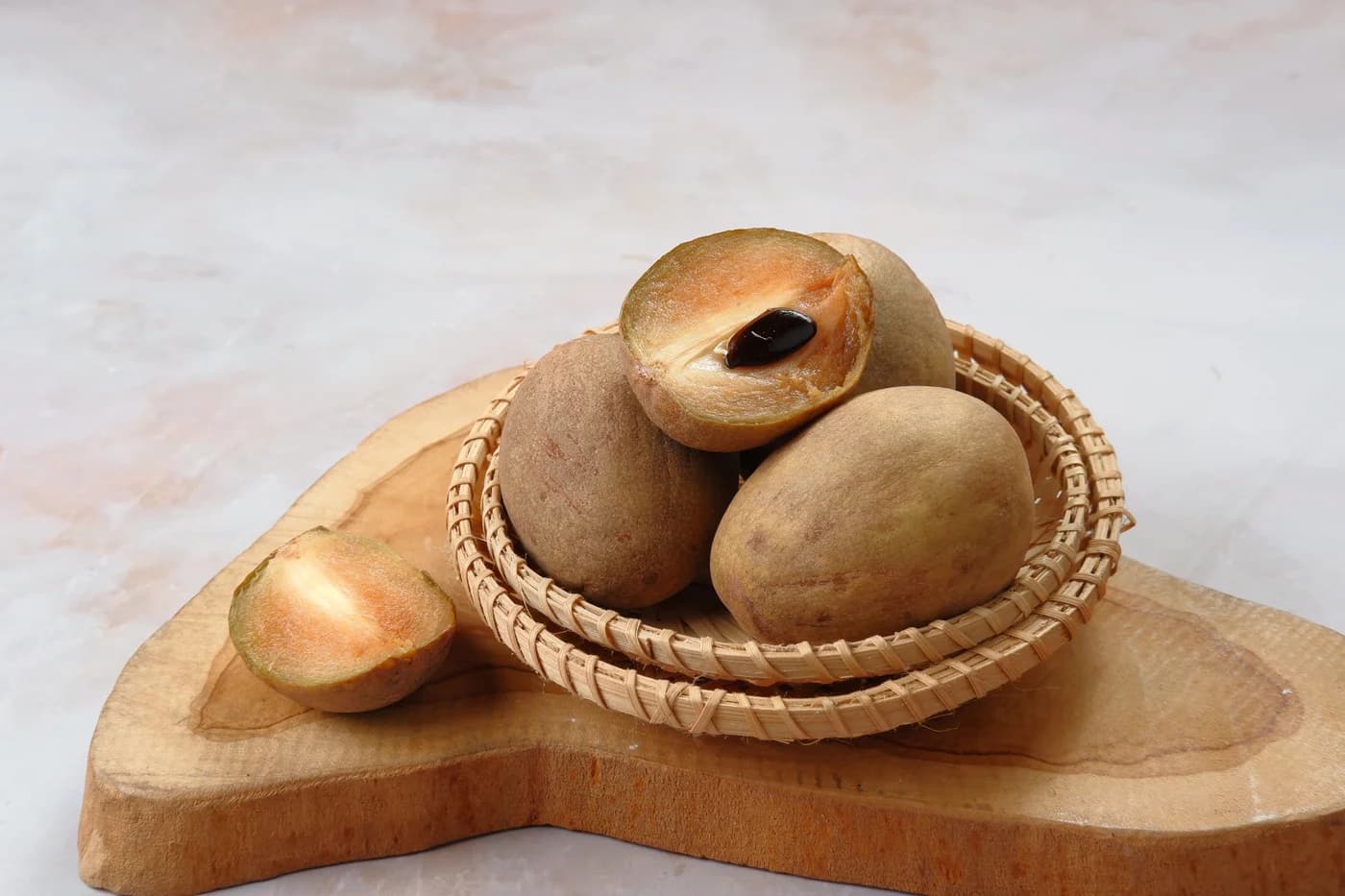
Key Takeaways
- Eat chikoo ripe: unripe fruit is astringent from tannins and latex.
- Remove the hard, hooked black seeds before serving, especially to children.
- One whole fruit gives fibre; a sweetened chikoo shake adds far more sugar.
- For glucose control, eat a smaller chikoo with a meal rather than as a drink.
- Rotate chikoo with guava, citrus and papaya instead of eating only one fruit.
Chikoo, also called sapota or sapodilla, is a soft brown fruit with a grainy texture and caramel-like sweetness. A ripe chikoo provides carbohydrate, fibre, potassium and small amounts of several vitamins and plant compounds. Its sweetness makes it enjoyable, but it also means portion and form matter for people managing glucose or energy intake. A whole fruit is very different from a chikoo shake made with sugar or ice cream. Chikoo can fit a balanced vegetarian diet without exaggerated claims about immunity, digestion or instant energy.
Fruit comparisons often become unnecessarily competitive. Chikoo is sweeter and softer than guava or citrus, but that does not make it bad; it simply fills a different role. Someone wanting a soft, energy-containing fruit may choose chikoo, while someone seeking a lighter, vitamin C-rich snack may pick guava. Rotating them is more sensible than declaring one fruit the best.
Season and region affect how chikoo tastes and how fast it ripens. Buy a smaller quantity more often rather than storing a large bag until several fruits spoil. If many ripen together, refrigerate some, share them, or freeze seedless pulp in small, dated portions.
How do you know it is ripe?
Unripe chikoo is firm and contains tannins and latex-like compounds that make the mouth feel dry or puckered. A ripe fruit yields gently to pressure and smells sweet. The flesh should be soft and brown, not fermented, leaking or mouldy. Ripen firm fruit at room temperature and refrigerate it once ready to slow further softening.
Wash the skin before cutting so dirt does not move onto the flesh. Slice the fruit and remove every glossy black seed; the seed has a pointed hook and should not be swallowed or given to children. Serve young children soft, appropriately cut pieces and supervise them.
What nutrition does it offer?
Chikoo mainly supplies carbohydrate, including natural sugars, along with some fibre. It also contributes potassium, vitamin C and other micronutrients in modest amounts; exact numbers depend on fruit size and ripeness. It contains little protein, so a chikoo on its own may be less filling than one paired with plain curd, nuts or seeds.
Fibre supports regular bowel movements, but one fruit cannot fix constipation caused by low overall fibre, too little fluid, medicines or illness. Chikoo is sometimes called an "energy fruit" because of its carbohydrate; that should not be turned into a treatment for weakness. Persistent fatigue deserves assessment.
Does the sugar matter?
A whole chikoo includes water, fibre and chewing, but a large, very ripe fruit still contributes meaningful carbohydrate. People with diabetes do not necessarily need to avoid it. A smaller portion eaten with a meal usually works better than several fruits blended into a drink, and personal glucose readings can guide decisions.
A chikoo milkshake often combines several fruits, sweetened milk, sugar or ice cream and is easy to drink quickly. If you make one, use one measured fruit, unsweetened milk or soy milk and no extra sugar, and treat it as part of a meal rather than a free beverage.
How can it fit your day?
Eat ripe chikoo plain, add a few slices to curd, or combine it with less-sweet fruit in a bowl. It can also sweeten oats without added sugar. The flesh browns and softens quickly once cut, so prepare only what you will eat, refrigerate cut fruit promptly and discard leftovers that have sat warm too long.
Variety matters more than daily repetition. Rotate chikoo with guava, citrus, papaya, melon and other seasonal fruits to broaden taste and nutrients. An affordable local fruit is a better everyday choice than a supplement claiming to concentrate its antioxidants. See our guide to healthy fruits for more.
Who should be careful?
Allergy is uncommon but possible. Itching, hives, facial swelling, breathing difficulty or repeated vomiting after eating need medical attention, and breathing symptoms are urgent. Unripe fruit may irritate the mouth or stomach; stop if a particular preparation repeatedly causes discomfort.
People with advanced kidney disease may receive individual potassium advice, and any fruit restriction should follow clinical guidance, not guesswork. Chikoo is not a medicine for diarrhoea, ulcers or anaemia. Seek care when symptoms persist, worsen or involve weight loss, bleeding or dehydration.
The bottom line
Chikoo is a sweet whole fruit, neither forbidden nor a remedy. Eat it ripe, remove the seeds and keep sweetened drinks separate from sensible fruit portions.
Editorial sources
- Manilkara zapota as a fruit source of health-beneficial bioactive compounds: a review, Front Nutr 2023 (PubMed)
- Potassium fact sheet for consumers, NIH Office of Dietary Supplements
- Vitamin C fact sheet for consumers, NIH Office of Dietary Supplements
- 5 A Day: what counts? (fruit juice and smoothie limits), NHS
Frequently Asked Questions
Related Articles
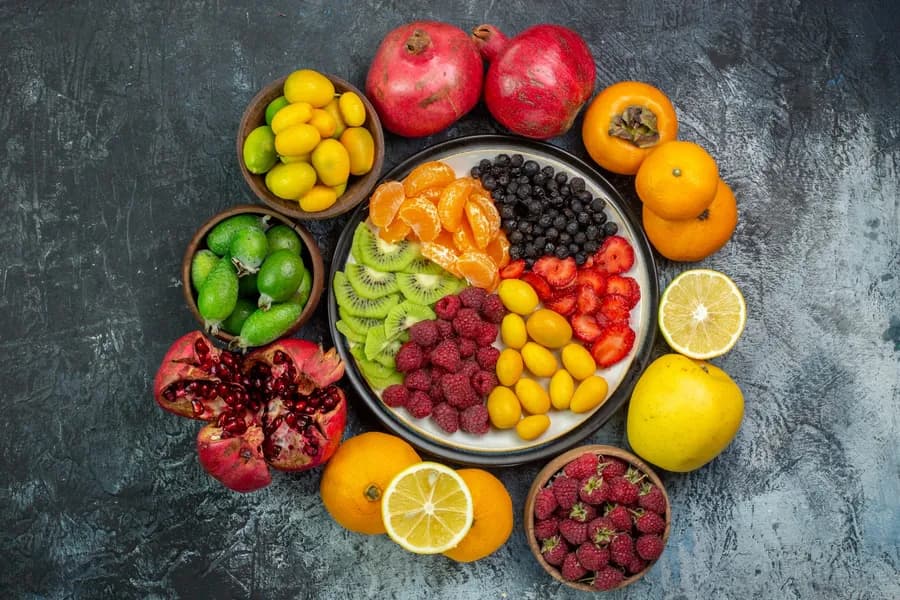
Healthy Fruits: How to Choose Variety, Portions and Seasonal Options
All whole fruits can contribute water, fibre, vitamins and plant compounds. The healthiest choice is usually a varied, affordable pattern.

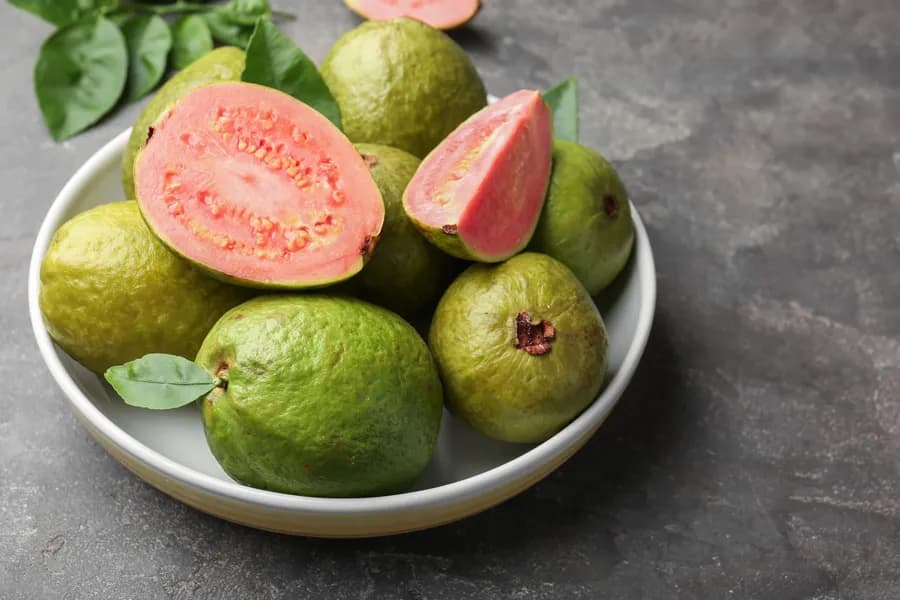
Guava: nutrition, benefits and easy ways to eat it
Guava is an affordable fruit rich in vitamin C and fibre. Learn what research says, whether to eat the peel and simple ways to add it to your day.
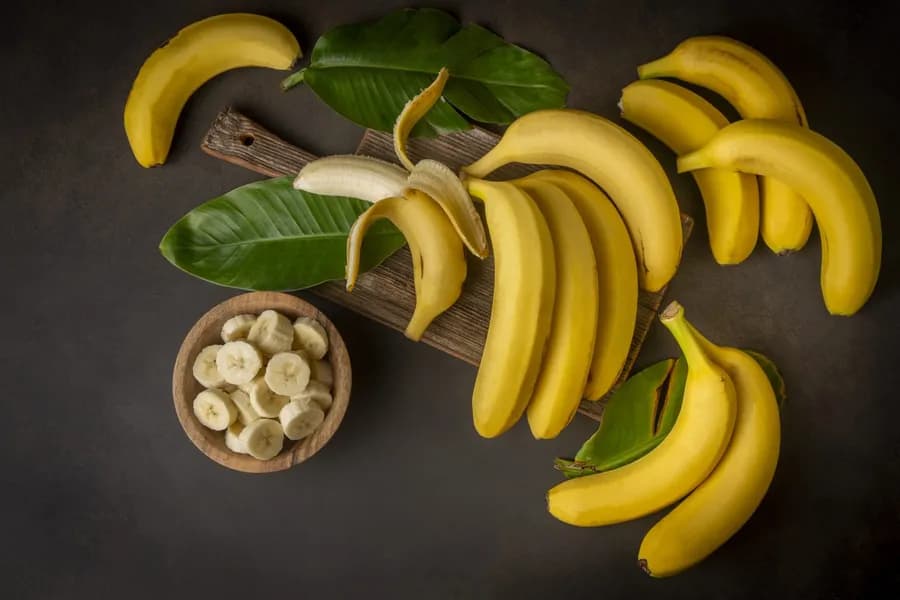
Banana Benefits: Nutrition, Ripeness and Best Times to Eat One
Bananas provide carbohydrate, fibre, potassium and vitamin B6 in a portable fruit. Learn ripeness, portions and the best times to eat one.
Papaya Benefits: Nutrition and Simple Serving Ideas
Learn papaya nutrition, realistic benefits, serving ideas, digestion facts and safety tips in clear and simple language.
