
Chili Pepper: Flavour, Nutrition and How to Enjoy the Heat
Chilli can make everyday food more enjoyable. Learn how to choose the heat, handle peppers and keep nutrition claims in perspective.
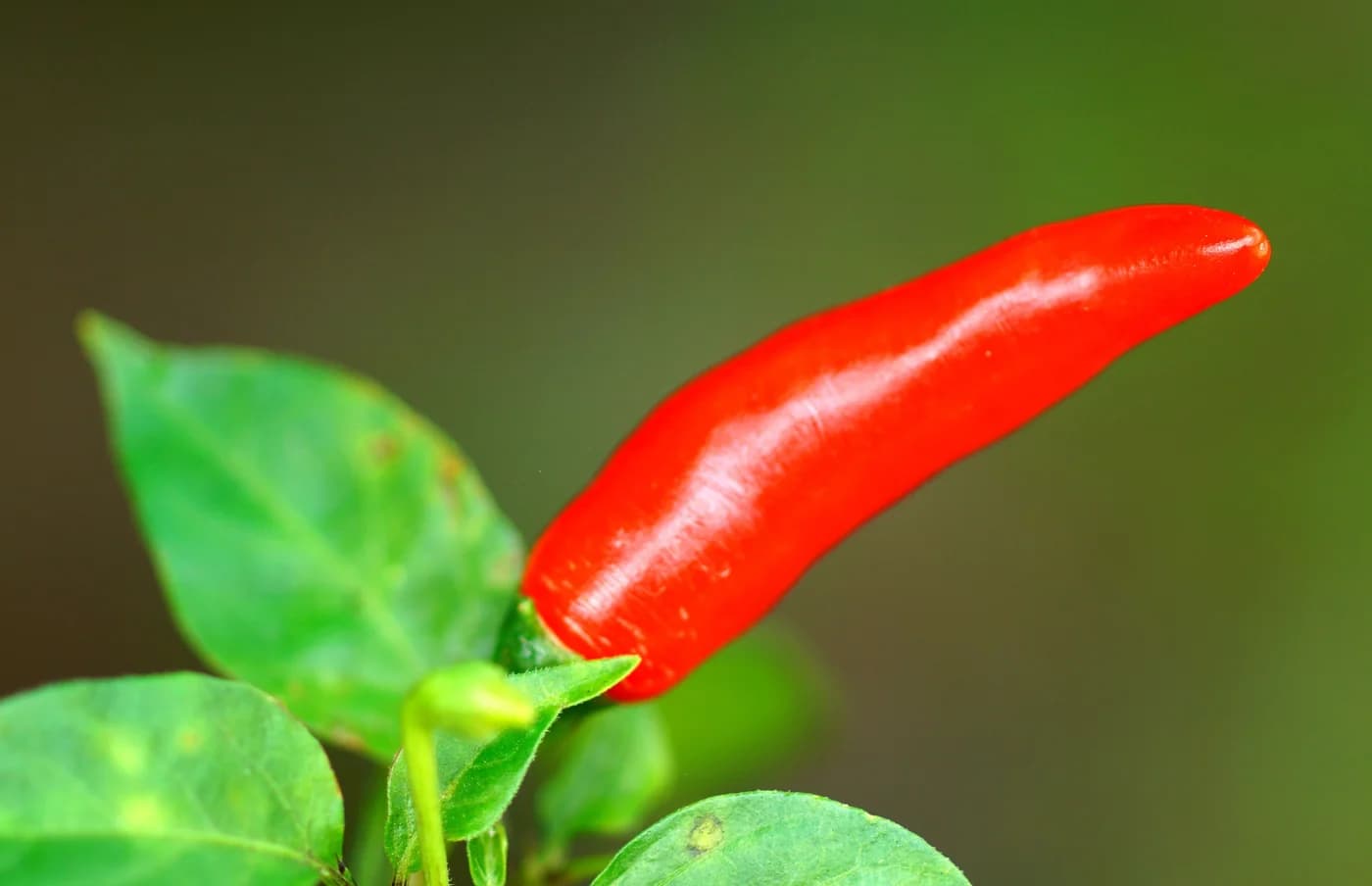
Key Takeaways
- Capsaicin creates the burning sensation.
- Fresh chilli, powder and sauce are different choices.
- Chilli is not a fat-burning food.
- Make family meals adjustable for different spice levels.
A little chilli can change an entire dish. It adds a sharp kick to chutney, warmth to dal and depth to a simple vegetable stir-fry. But the same ingredient can make a meal unpleasant if the heat overwhelms everything else.
Chili pepper, usually written as chilli in Indian kitchens, is best understood as a flavouring food. It contains useful nutrients and plant compounds, but you do not need to eat painfully spicy food to be healthy. The amount that makes your meal enjoyable is a better starting point than a claim about burning fat.
What creates the burning sensation?
The heat comes from compounds called capsaicinoids, including capsaicin. They activate receptors involved in sensing heat and pain. That is why a chilli can make your mouth feel hot even though the food itself is not at a high temperature.
Different varieties contain very different amounts. A small chilli can be much hotter than a large one, and red does not always mean hotter than green. Growing conditions and the individual pepper can make a difference too.
Much of the heat is concentrated in the pale inner tissue where the seeds attach. The seeds themselves are not the main source, although they can carry the compounds on their surface. Removing that inner tissue can reduce heat, but it will not make every hot pepper mild.
What does chilli contribute nutritionally?
Fresh chillies contain vitamin C and other nutrients, while coloured varieties contain different plant pigments. The practical point is portion size. A chilli or a small spoon of powder is a flavouring, not a large serving of vegetables.
A nutrition chart showing values for 100 g can look impressive, but most people do not eat that amount of hot chilli at a meal. You can get vitamins and fibre more comfortably from a range of vegetables and fruit.
Use chilli alongside those foods. A tomato chutney with a little heat, capsicum cooked with beans, or a vegetable-rich sambar offers more than simply increasing the chilli powder. Heat is one part of the dish, rather than a measure of its nutritional value.
Fresh chilli, powder and sauce are different choices
Fresh chillies add moisture and a brighter flavour. Dried whole chillies can bring a toasted note to a tadka, while powders spread heat and colour more evenly through a dish.
Commercial chilli sauces may contain substantial salt, sugar or both. That does not make a small amount forbidden, but several spoonfuls used repeatedly are different from adding a chopped fresh chilli. Pickles and chilli oils also bring ingredients beyond the pepper itself.
Choose the form that suits the recipe. Kashmiri-style chilli powder is often used for colour and gentler heat, but the strength of any product can vary. Taste a new batch cautiously before using your usual generous spoonful.
Can chilli help with weight loss?
Capsaicin has been investigated for effects on appetite and energy expenditure. Those findings do not turn spicy food into a dependable weight-loss method, and adding chilli does not cancel the energy in fried snacks or rich gravies.
A more useful benefit is culinary. If a small amount of chilli helps you enjoy beans, vegetables or a home-cooked meal, it can make a balanced eating pattern easier to maintain. You do not need more and more heat for that benefit.
Do not force chillies into meals that would otherwise suit you. Fat loss depends on the overall pattern of food, activity and other factors. A comfortable vegetable meal is more useful than an extremely hot one that leaves you reaching for extra sweets or sugary drinks.
Is chilli bad for digestion?
Some people eat it comfortably; others notice heartburn, stomach discomfort or a burning sensation when passing stool. Your tolerance is allowed to be different from the rest of your family's.
If spicy food repeatedly triggers reflux or bowel symptoms, reduce the amount and see whether the meal becomes more comfortable. Also consider the full dish: a large, oily late-night meal can be a different experience from a little chilli in lunch-time dal.
Chilli is not the cause of every stomach ulcer. Equally, a claim that it “cleans the gut” is not a reason to tolerate pain. Persistent pain, vomiting or bleeding needs assessment rather than another change in spice level.
Make family meals adjustable
When people prefer different levels of heat, cook the main dish mildly and offer an extra chilli accompaniment separately. That lets everyone enjoy the same meal without turning dinner into a test of tolerance.
For example, make a mild rajma, a cucumber raita and rice, then serve a small chutney on the side. Or use ginger, cumin, coriander, curry leaves and lemon to build flavour in a sabzi before deciding how much chilli it needs.
Children do not need very spicy food to develop healthy eating habits. Introduce family flavours in comfortable amounts and avoid pressure. An adult's favourite level of heat is not the standard everyone must meet.
Handling hot peppers without a painful surprise
Avoid touching your eyes, nose or contact lenses while chopping chillies. For very hot varieties or large batches, gloves can save a lot of discomfort. Wash hands and utensils thoroughly with soap afterwards.
If a dish turns out too hot, adding more of its unspiced ingredients is often the most practical fix. Extra dal, vegetables or a little curd where suitable can spread the heat through a larger amount of food. A spoonful of sugar does not remove capsaicin.
Avoid extreme chilli challenges. Severe burning, vomiting or breathing difficulty is not a useful health experiment. Capsaicin creams used for certain pain conditions are formulated medicines; rubbing a cut chilli on sore skin is not an equivalent home treatment.
Let flavour set the portion
There is no required daily chilli allowance. Start with a small amount, particularly with an unfamiliar variety, and increase only if you enjoy it.
A meal can be aromatic, colourful and satisfying with very little chilli. It can also include a modest amount of heat every day if that suits you. The aim is food you can eat comfortably and repeat, with enough room for the other flavours on the plate.
Editorial sources
Frequently Asked Questions
Related Articles
Cayenne Pepper: Flavour, Heat and Realistic Benefits
How to cook with cayenne, manage its heat and keep health claims in perspective.

Black Pepper Benefits, Uses and Safety
What black pepper (kali mirch) really adds to food, how piperine affects turmeric, myths about metabolism and when to be careful.
Masala chaas recipe: simple spiced buttermilk
Masala chaas is curd whisked with water and simple spices — a light, refreshing drink to serve alongside lunch. See the full recipe.

How to Improve Digestion: Natural Methods through Yoga and Lifestyle
Bloating, constipation, slow transit, acid reflux, and IBS symptoms are ultimately driven by the autonomic nervous system, the gut-brain axis, and.
