
Choline: What It Does and Where to Find It
Understand this essential nutrient and include useful food sources in everyday meals.
Key Takeaways
- Choline supports cell membranes, nerves and fat handling.
- Your body makes some, but food still matters.
- Vegetarian foods like soy, pulses and milk contribute.
- Supplements are not automatic memory support.
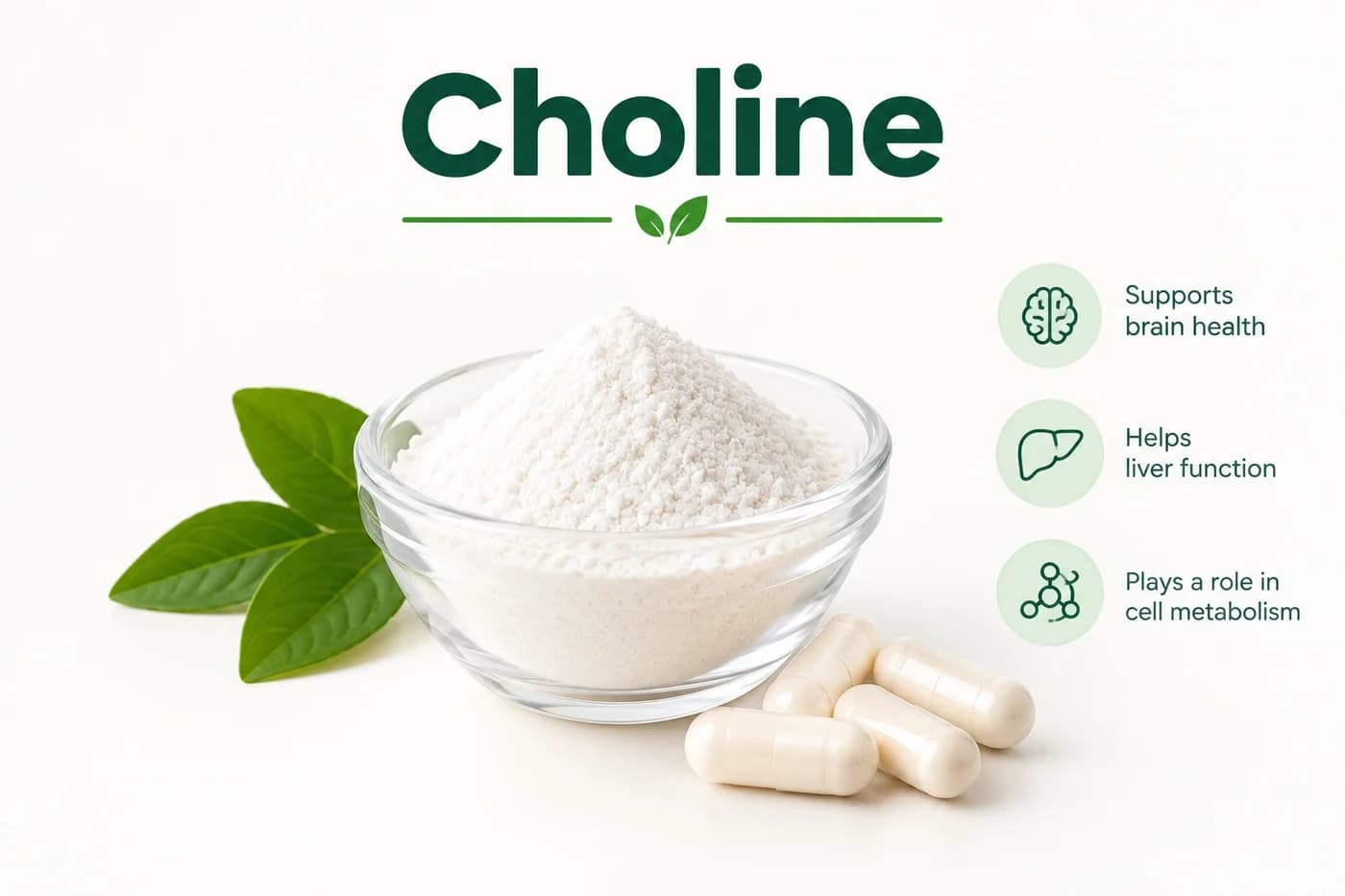
Choline rarely gets as much attention as iron or calcium, but it has important jobs in the body. It helps build cell membranes and is needed for normal nerve signalling and the handling of fats. The practical question is how to include choline-containing foods in an ordinary diet, especially if you eat vegetarian food. You do not need a brain-boosting supplement routine to begin.
Your body makes some, but food matters
The liver can produce some choline, but not enough to meet all needs. Food therefore remains important. Choline is an essential nutrient, even though it is not usually grouped with the familiar vitamins on a multivitamin packet.
Its role in the nervous system is sometimes used to market memory products. A nutrient being necessary for normal function does not mean a large extra dose will improve that function beyond normal.
Think of choline as part of nutritional adequacy. The goal is to obtain enough alongside other nutrients, rather than identify a single ingredient that makes every meal a cognitive-performance meal.
How much is enough?
As a reference, US adequate-intake values for adults are 550 mg a day for men and 425 mg for women. The values rise to 450 mg during pregnancy and 550 mg while breastfeeding. These are planning references, not a diagnosis based on one day's food.
An adequate intake is used when there is not enough evidence to set a more precise requirement for nearly everyone. Eating below that number on a particular day does not prove you are deficient.
For most readers, a food pattern is more useful than daily arithmetic. If your diet is narrow or excludes several major food groups, it is worth giving the selection of foods more attention.
Vegetarian sources can contribute
Soybeans, kidney beans, dairy foods, certain vegetables, nuts, seeds and whole grains contain choline in different amounts. Some are more substantial contributors than others.
NIH food examples list about 107 mg in half a cup of roasted soybeans, about 45 mg in half a cup of canned kidney beans and about 43 mg in a cup of low-fat milk. These are examples from a food database, not exact values for every Indian recipe.
A sprinkle of seeds or a few florets of cauliflower can contribute, but should not be presented as meeting the day's needs alone. Multiple foods across the day make the pattern more practical.
Build it into food you already cook
Start with existing meals instead of creating a separate choline menu. If you make vegetable pulao, include a useful portion of soy chunks or serve a bean dish alongside. If lunch is roti and sabzi, add rajma, chana or another protein food.
Curd can accompany khichdi or become a snack with fruit. Roasted soybeans, if you enjoy them, offer a change from other crunchy snacks. Cauliflower, peas and potatoes can sit in normal sabzis rather than special nutrient bowls.
The benefit of this approach is broader than choline. It gives meals more variety and substance without demanding a new recipe for every nutrient you read about.
What if you eat eggs?
Eggs are a concentrated source of choline, with a large boiled egg supplying roughly 147 mg in NIH's example. The yolk contains much of it.
That does not make eggs compulsory. People who do not eat them can use other foods and, where needed, individual nutrition advice. A vegetarian pattern should be assessed by what it includes rather than criticised for lacking one food.
If your household includes eggs, they can fit into familiar meals such as an omelette with vegetables or an egg sandwich. If it does not, focus on soy, pulses, dairy where used and a varied selection of plant foods.
Pregnancy deserves a little planning
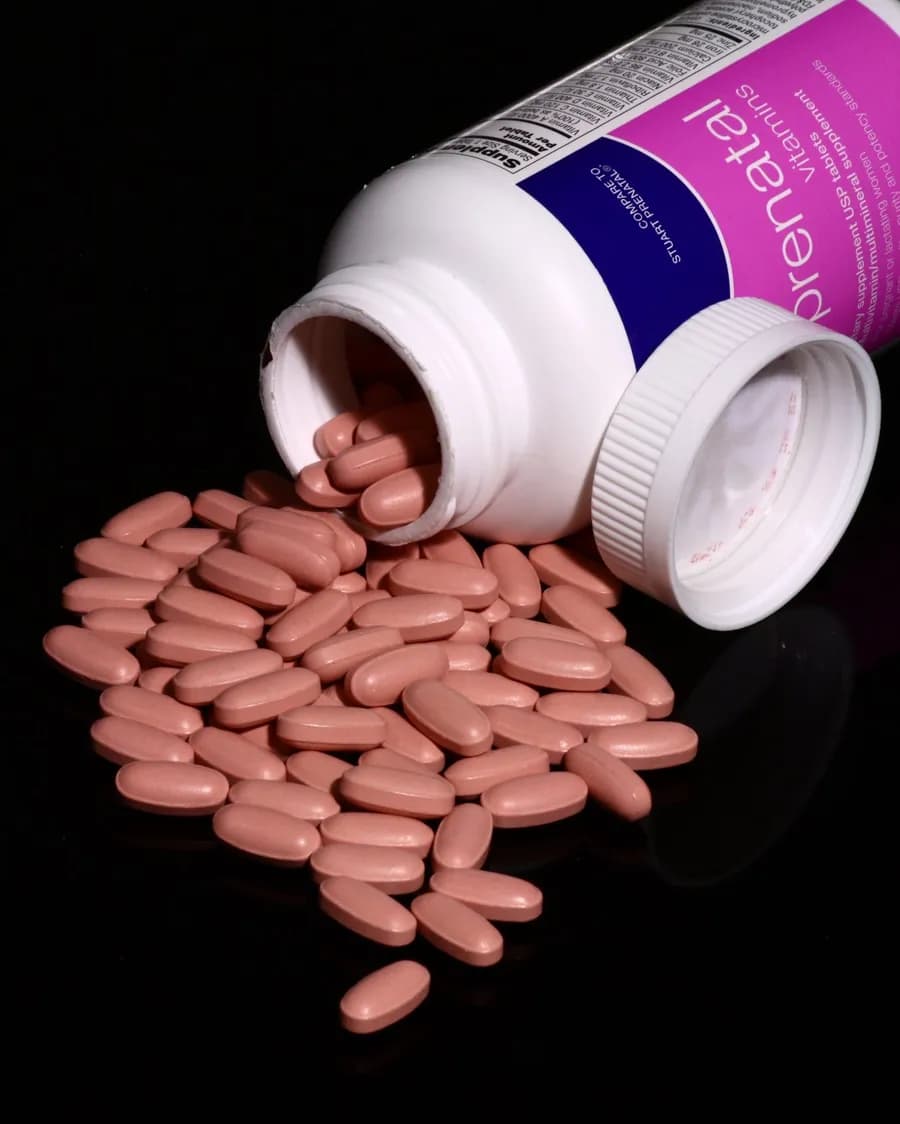
Choline is relevant to early brain development, and needs increase during pregnancy and breastfeeding. Some prenatal supplements contain little or no choline, so taking a prenatal does not automatically answer this particular question.
At a routine antenatal nutrition review, mention whether you eat eggs, dairy and soy foods. That gives the clinician or dietitian a practical starting point for identifying a possible gap.
You do not need to assemble several supplements on your own. A targeted decision based on your diet is more useful than assuming every pregnancy nutrient needs a separate high-dose bottle.
Can you recognise deficiency from symptoms?
Severe choline deficiency can affect the liver and muscles, but vague tiredness or poor concentration cannot diagnose it. Many common conditions and everyday factors can cause those symptoms.
Routine choline testing is not generally part of standard screening in healthy people. Nor should an online checklist be used to attribute fatty liver automatically to low choline.
If symptoms persist, assess the broader problem. Sleep, food intake, medicines and other medical causes may be more relevant. Starting a supplement and interpreting any change as proof can give a misleading answer.
Supplements are not automatic memory support
Choline supplements come in several forms, including choline bitartrate, phosphatidylcholine and lecithin. Their names and weights are not interchangeable, and a large lecithin number is not the same as a large choline amount.
Evidence does not justify promising that an ordinary healthy adult will gain better memory from taking extra choline. It is also not a stand-alone treatment for fatty liver or dementia.
Too much can cause adverse effects, including a fishy body odour, sweating, vomiting and low blood pressure. The adult upper limit used in US guidance is 3,500 mg daily from all sources; it is a ceiling, not a target.
Make adequacy the goal
Look over a typical day: do meals contain a useful mix of pulses or soy, vegetables, grains and dairy or other appropriate foods? If the answer is yes, you already have a foundation to build on.
If the diet is very limited, change one meal first. Add a bean dish at lunch or a soy-based option at dinner. A varied routine is easier to maintain than tracking every milligram, and it gives you more than one nutrient in return.
Editorial sources
Frequently Asked Questions
Related Articles
Vitamin B Complex Supplements: Doses, Labels and Safety
Before you take a B complex tablet: who actually needs one, how to read the doses on the label, and when high B6, niacin or biotin cause harm.

Soybean Nutrition: Protein, Uses and Safety
Soybeans provide high-quality plant protein, fibre, unsaturated fat, iron and other nutrients.

Vitamin B12 Foods Vegetarian Diets Are Often Missing — And Where to Find Them
B12 is made only by bacteria and doesn’t occur naturally in any plant food — a real gap in most vegetarian diets. See where vegetarians can reliably find.
Prenatal Vitamins for Pregnancy: What They Cover and Why They Matter
Prenatal vitamins combine folic acid, iron, calcium, vitamin D, and sometimes DHA in one dose — but the right combination depends on your individual.