
Coco Fruit: The Edible Parts and Everyday Uses
Coco fruit offers several distinct foods. Learn how coconut flesh, water and milk differ and use each where its flavour and texture fit best.

Key Takeaways
- Coconut has layers: water, tender flesh and mature flesh.
- Coconut water is light; milk and cream are much richer.
- Use the flesh where its flavour counts, in sensible portions.
- Dried and sweetened coconut needs smaller servings.
Coco is a name used for coconut, the fruit of the coconut palm, Cocos nucifera. Its familiar white flesh and clear water are very different foods, even though they come from the same fruit. Knowing which part you mean is the first step towards understanding its nutrition.
Coco also should not be confused with cacao, the pod whose beans are used to make cocoa and chocolate. Here, the focus is coco fruit from the coconut palm: how the young and mature fruit differ, how to use the edible parts and where portions matter.
A fruit with several layers
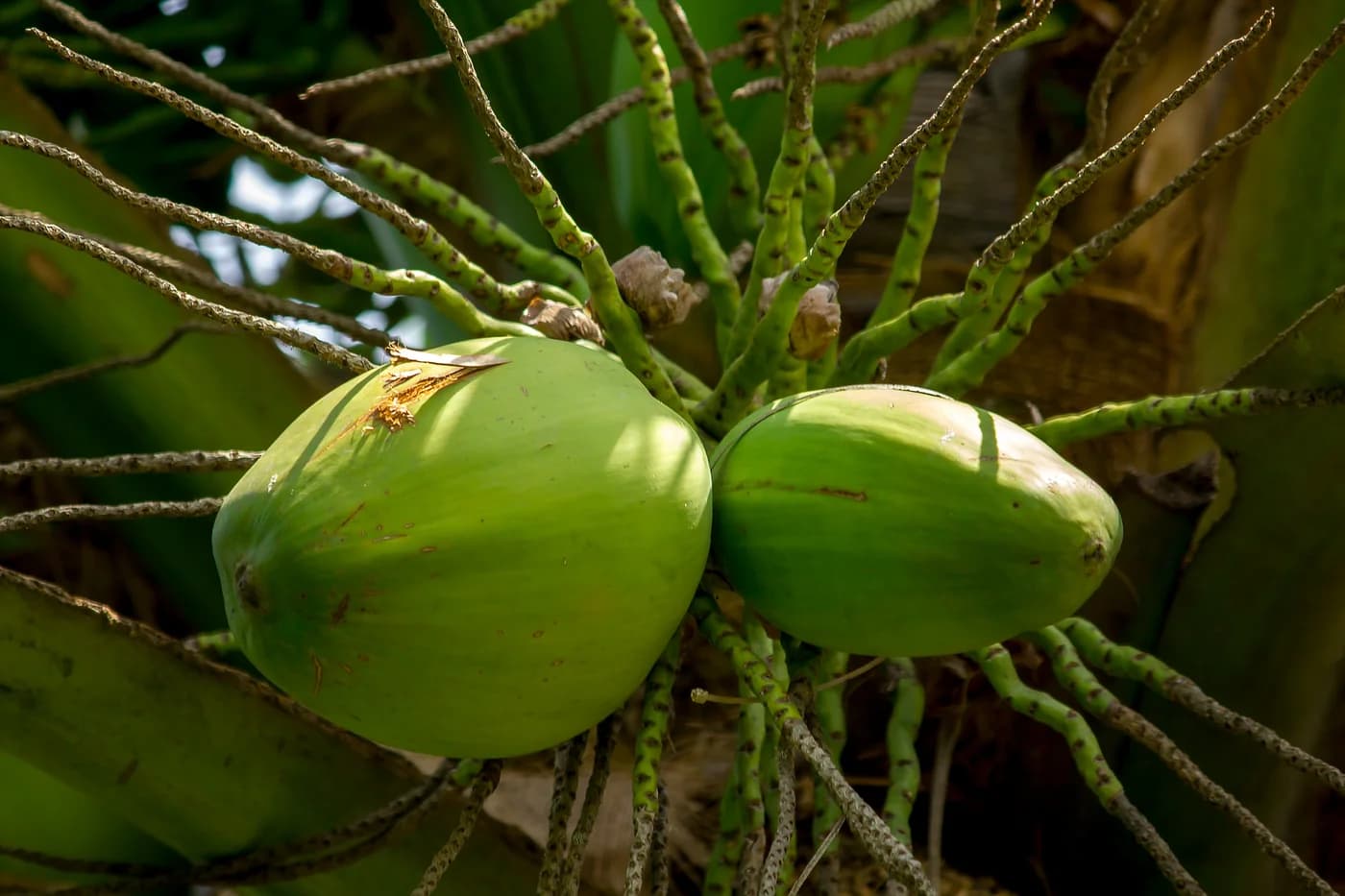
Botanically, the coconut is a drupe, a fruit with a layered structure around its seed. The fibrous outer husk surrounds a hard shell. Inside are the edible white flesh and the liquid commonly called coconut water.
The appearance changes as the fruit matures. A tender coconut is often sold with part of its outer husk still attached and opened for drinking. A mature coconut in a shop may have most of that husk removed, leaving the familiar brown shell.
These are different stages of the same fruit. The stage affects the texture of the flesh and the amount and flavour of the liquid, so they are not always interchangeable in recipes.
Tender flesh is different from mature flesh
Inside a young coconut, the flesh can be soft and jelly-like. It is often scooped out after drinking the water. As the fruit matures, the white flesh becomes firmer, thicker and richer in fat.
Mature coconut provides fibre and is energy-dense. That makes it useful for flavour and texture in small amounts, but a large bowl is quite different from a bowl of a watery fruit such as melon.
The soft malai from a tender coconut also belongs in the food part of the meal. It is not the same as the clear water. Enjoying both is fine; simply recognise that the flesh contributes more than hydration.
What coconut water offers
Coconut water contains water, natural sugars and minerals, including potassium. It can be an enjoyable drink, particularly in hot weather, but it is not calorie-free and does not need to replace ordinary drinking water.
It is also not a complete substitute for oral rehydration solution during diarrhoea. ORS is designed with a specific balance of glucose and salts; coconut water does not provide that same balance.
If you have been told to limit potassium because of kidney disease or a particular medicine, large amounts of coconut water may be unsuitable. For most people, an occasional serving is simply a drink, without a need to describe it as a detox or an immunity treatment.
Milk and cream are made from the flesh
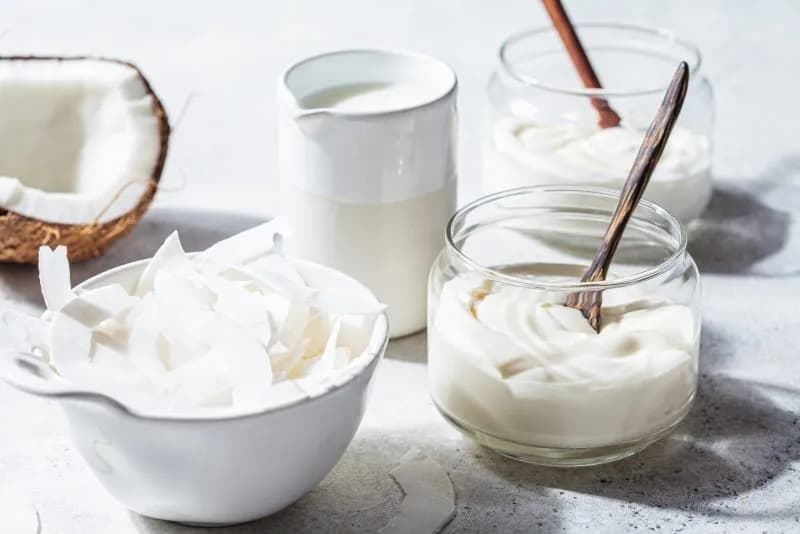
Coconut milk is usually produced by extracting liquid from grated mature flesh with water. Cream is a richer product. Neither is the clear liquid naturally found inside the fruit.
They work well in vegetable stews, curries and some desserts. Richness varies considerably, so a thin homemade extraction and a thick canned cream will not contribute the same amount of fat to a recipe.
Coconut milk is generally much lower in protein than dairy milk or soya milk. It can be a useful cooking ingredient without being nutritionally equivalent to those drinks. If a carton is intended as a regular milk alternative, fortification and the rest of your diet become relevant.
Use the flesh where its flavour counts
You do not need a large portion to notice coconut in food. A little grated flesh can give a dish aroma and texture, which is one reason it fits so many regional Indian recipes.
Try it in familiar preparations:
- Add a spoonful of freshly grated coconut to poha just before serving.
- Use it in a chutney with roasted chana, herbs or chillies according to your recipe.
- Fold it through a vegetable thoran or a dry cabbage preparation.
- Add a small amount to an idli accompaniment rather than making the whole meal coconut-based.
A spoonful or two of grated mature coconut is a practical culinary starting point. You can adjust to the recipe and appetite, particularly when the meal already contains coconut milk, oil or other rich ingredients.
Why fat type matters
Much of the fat in coconut flesh and coconut oil is saturated fat. Coconut being plant-derived does not make that fat equivalent to the mainly unsaturated fat in many nuts or liquid vegetable oils.
This does not require removing a coconut chutney from a familiar meal. Think about frequency and the rest of the food. Using a little for flavour is different from adding large amounts of coconut oil to drinks in the hope of improving cholesterol.
For heart health, replacing some saturated fat with unsaturated fat is useful. Our guide to saturated and unsaturated fats explains the distinction. The goal is an overall pattern that works, rather than judging a cuisine by one ingredient.
Dried and sweetened products need a different portion
Drying removes water, making coconut more concentrated by weight. Desiccated coconut can therefore add substantial energy in a relatively small space. Sweetened flakes and coconut sweets bring added sugar as well.
Use dried coconut for a purpose, such as a small topping or a recipe ingredient, rather than eating it in the same bowl size as fresh fruit. Coconut chips fried or coated in sugar are another product again.
Coconut sugar is also separate: it is made from flower sap rather than from the flesh. Sharing a plant name does not make all these foods nutritionally alike.
Opening and storage
A hard mature shell can be awkward to open. Use a stable surface and an appropriate method, or buy freshly prepared flesh if that is easier. Avoid improvising with a knife in a way that puts your hand in its path.
Once opened, coconut flesh and water are perishable. Refrigerate promptly in clean, covered containers and use fresh preparations soon. Grated coconut can be frozen in small portions for cooking.
Discard flesh with mould or an abnormal smell, and do not taste a suspect coconut to prove it is safe. With sensible handling, coco fruit can remain an ordinary, versatile kitchen ingredient: water for a drink, flesh for texture and extracted milk for the dishes where you enjoy it.
Editorial sources
Frequently Asked Questions
Related Articles
Coconut Water and Pregnancy: Benefits, Safety, and How Much Is Fine
Used in moderation, coconut water is generally considered a safe, refreshing way to support hydration during pregnancy. See the benefits and how much is.

Coconut Water Benefits: What This Natural Drink Actually Does
Coconut water is a naturally sweet, low-calorie liquid with potassium and other electrolytes — useful for hydration, though not the cure-all wellness.
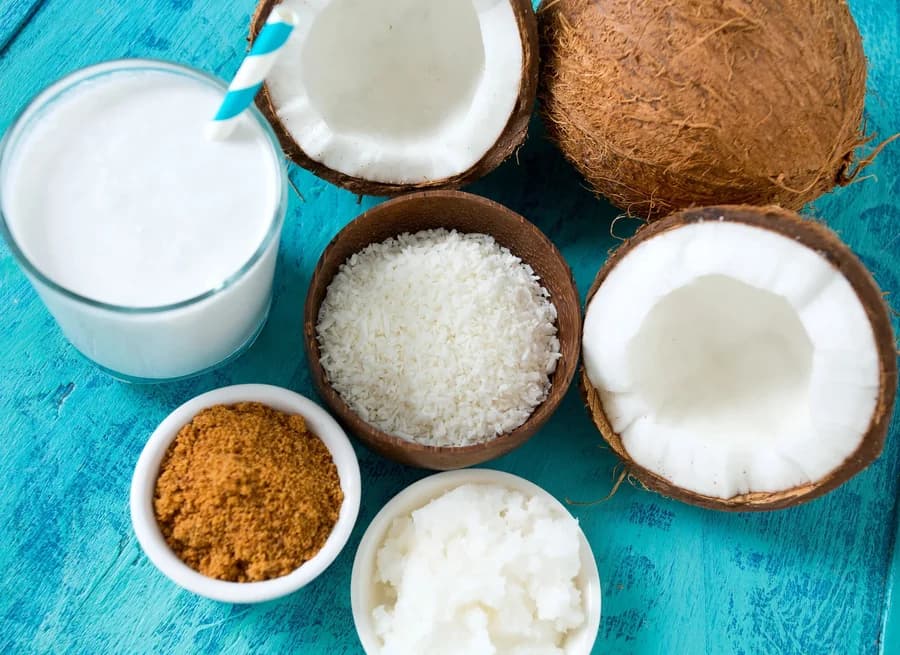
Coconut Sugar: Is It Worth the Swap?
Coconut sugar brings caramel flavour to food, but its health claims often go too far. Learn what an everyday serving offers and when the swap makes sense.
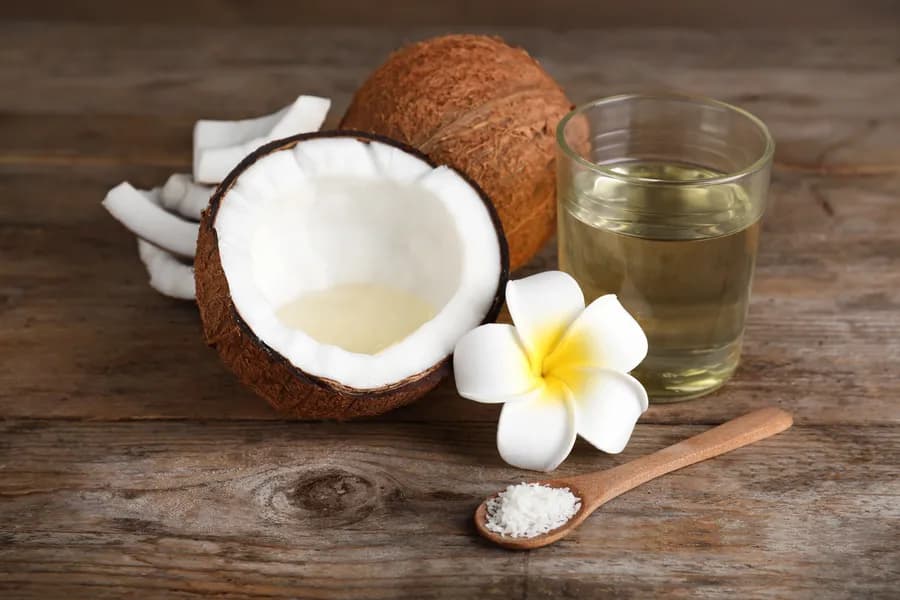
Coconut Oil Benefits: Cooking Uses and Heart Health
Coconut oil is predominantly saturated fat. Virgin and refined products differ in flavour and processing, but both remain rich in saturated fat.