
Saturated vs Unsaturated Fats: What Matters for Your Heart
Not all fats behave the same way in your body. Here is what saturated and unsaturated fats mean and the simple kitchen swaps that support heart health.
Key Takeaways
- Replacing saturated fat with unsaturated fat supports heart health.
- Swap rather than add: use oils and nuts in place of some butter or ghee.
- Replacing fat with refined carbohydrate does not help your heart.
- Heart health also depends on activity, sleep, weight and blood pressure.
Fat has had a confusing reputation. One year it’s the enemy, the next it’s a superfood, and the labels on oil bottles don’t help. The good news is that the basics are simple. Not all fats behave the same way in your body, and a few easy swaps in your kitchen can make a real difference to your heart health. Here’s what you need to know.
What do the words mean?
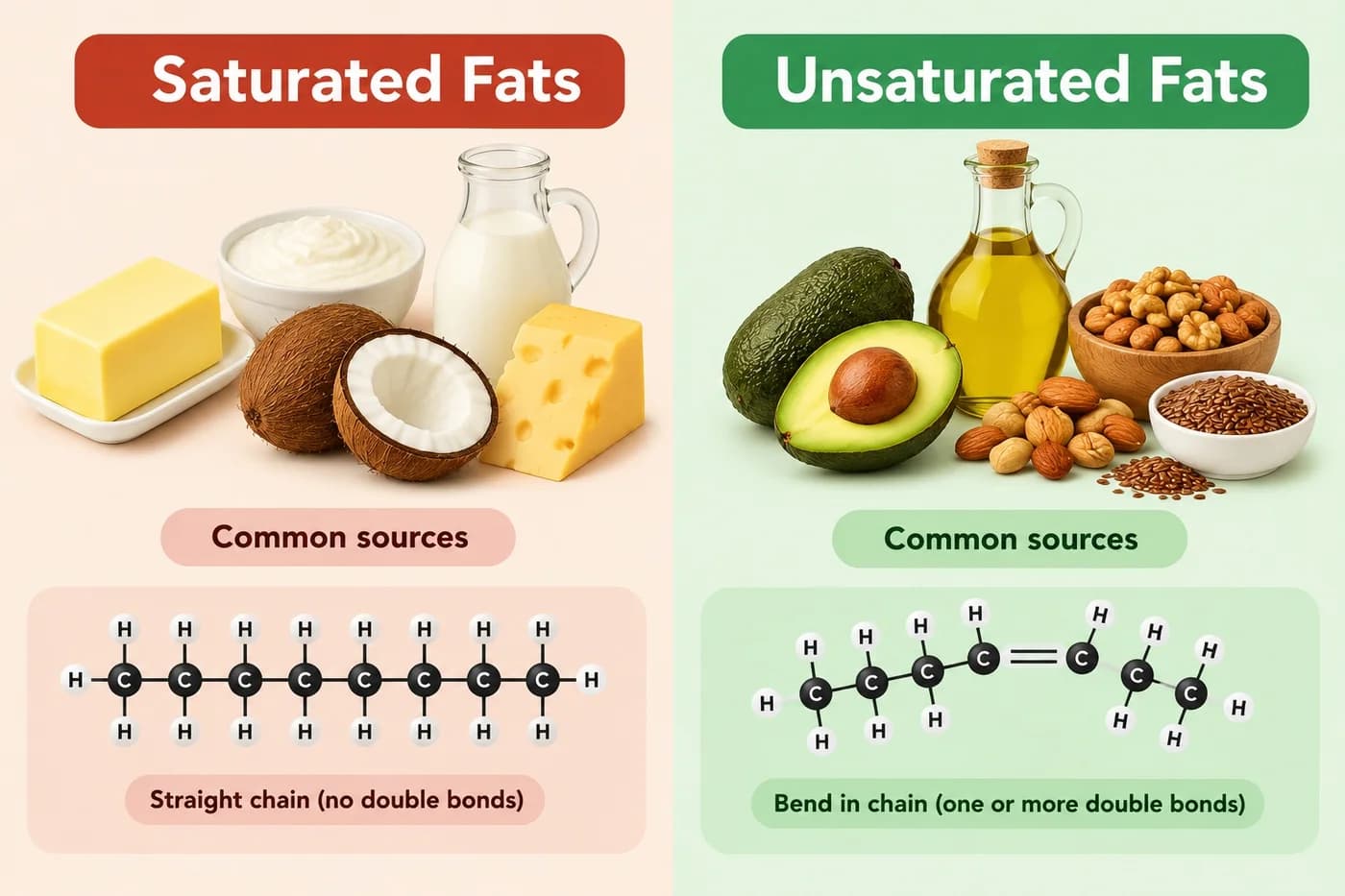
“Saturated” and “unsaturated” describe the chemical structure of a fat. You don’t need to remember the chemistry. What matters is how each type affects your body, especially your LDL cholesterol, the “bad” kind that can build up in your blood vessels over time.
In general, eating a lot of saturated fat can raise LDL cholesterol in many people. Replacing some of it with unsaturated fat can help bring it down and support your heart.
Where saturated fat hides
Saturated fat is found in ghee, butter, cream and full-fat dairy. It’s also in coconut oil and palm oil, even though they come from plants. Many baked and fried foods, like samosas, puffs, biscuits and namkeen, are made with these fats too.
That’s why a plant-based label doesn’t automatically mean low in saturated fat. Coconut oil is a good example. It’s high in saturated fat despite coming from a coconut.
Where the helpful fats are
Unsaturated fats come in two main kinds, monounsaturated and polyunsaturated. You’ll find them in:
- Groundnut, mustard and other plant oils
- Nuts like almonds, walnuts and peanuts
- Seeds like flaxseed, chia, sunflower and pumpkin seeds
Omega-3 and omega-6 fats are both types of polyunsaturated fat. Flaxseed, chia and walnuts are easy vegetarian sources of omega-3. You don’t need anything expensive. Everyday nuts and seeds from your local market do the job well.
Swap, don’t just add
This is the most important idea in the whole article. Heart-health advice is about replacing some saturated fat with unsaturated fat. It’s not about adding more oil on top of what you already eat.
If you pour rice bran oil into your sabzi but still have ghee on your roti, butter on your toast and fried snacks in the evening, you haven’t made a swap. You’ve added fat. Our guide on rice bran oil and heart-smart limits goes into this idea in more detail.
What about ghee?
Ghee is a beloved part of many Indian kitchens, and it doesn’t have to disappear. A small amount can fit into a balanced diet. But it’s still high in saturated fat, so it’s best used in modest portions rather than poured freely.
A simple approach is to use ghee for flavour, like a small spoonful on dal or hot rice, and cook most of your daily food in a measured amount of unsaturated oil.
Don’t swap fat for refined carbs
Cutting fat and replacing it with white bread, sugary snacks or other refined carbohydrates isn’t a good trade. It can leave you hungry, and it doesn’t do your heart any favours. Whole grains, pulses, vegetables and nuts are better stand-ins. For a closer look at sugar, read our guide on how to control sugar naturally.
Do we need fat at all?
Yes. Your body uses fat for energy and healthy cells, and it needs fat to absorb vitamins A, D, E and K. So the goal isn’t to remove fat. It’s to choose better sources and sensible amounts.
All fats are calorie-dense, which means a spoonful has a lot more energy than a spoonful of dal or vegetables. That’s why portions matter, even with healthy fats like nuts and oils.
Read the label
Packaged foods can hide a lot of saturated fat. Check the saturated fat per serving on the nutrition label, and compare similar products. Look for the serving size too, since a “small” packet might hold more than one serving.
Avoid products that list “partially hydrogenated oil” in the ingredients. This is a sign of trans fat, which is harmful for your heart. Be careful with bakery items, biscuits, ready-made snacks and some fried foods, since they’re common places for hidden fats.
Cook smart
How you cook matters as much as which oil you choose. Heat only as much oil as you need, and don’t let it smoke heavily. Avoid heating and reusing the same oil again and again, especially after deep-frying. Oil that smells off, turns dark or foams strangely should be thrown away.
Measure your oil instead of free-pouring it. Try it for a few days at home. You may be surprised at how much goes into a family dish. Roasting, steaming, pressure cooking and sautéing in a small amount of oil are easy ways to cut down.
Easy swaps for everyday meals
Small changes are easier to keep up than big overhauls:
- Use a measured spoon of unsaturated oil for your tadka instead of an extra spoon of ghee.
- Snack on a handful of roasted chana, nuts or seeds instead of fried namkeen.
- Choose a home-cooked meal over packaged or deep-fried foods most days.
- Add a spoon of ground flaxseed to curd or a roti dough for plant omega-3.
- Pick whole fruit or roasted makhana instead of a biscuit.
You don’t have to do all of these at once. Pick one and see how it fits your routine.
Heart health is bigger than fat
Fat is one piece of the puzzle. Regular movement, enough sleep, a healthy weight, steady blood pressure and managing stress all matter too. If cholesterol is a concern, our guide on how to reduce cholesterol naturally covers daily habits that help, and how to control high BP is a useful companion read.
Strength work supports your heart too, so see our strength training guides if you’d like to begin. A gentle online yoga class is a good starting point if you prefer something lighter. If you already have high cholesterol or heart disease, follow your doctor’s advice and take any prescribed medicines. For more everyday reading, browse our Habitology health guides.
A simple habit to try
Pick one small swap, like using a measured spoon of unsaturated oil instead of extra ghee, or having nuts instead of fried snacks, and keep it up for two weeks. Notice how it feels and whether it fits your routine. Keep it only if it’s safe and useful for you.
Editorial sources
Frequently Asked Questions
Related Articles
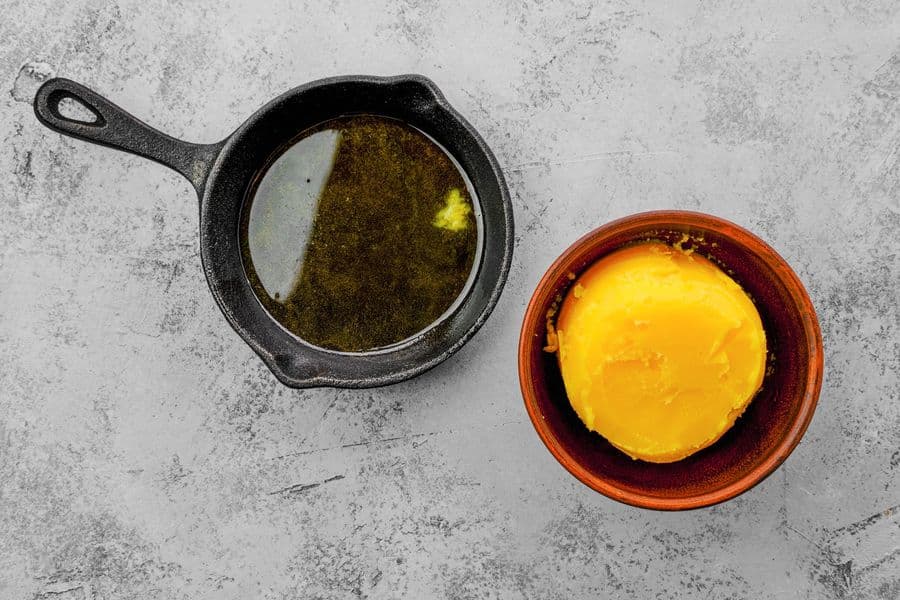
Ghee vs Refined Oil: Choose Healthy Fats Wisely
Understand ghee vs refined oil in simple words. Learn how to use fats in moderation, avoid reheated oils and choose better Indian cooking habits.

Is Ghee Good for Health? Healthy Fats Habit
Is ghee good for health? Learn how to use ghee in moderation, why portion size matters and how one small spoon can fit into Indian meals.
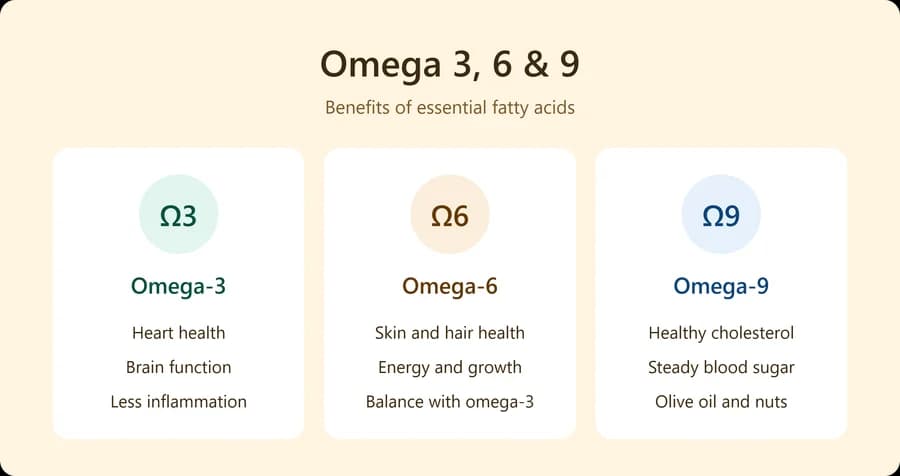
Omega 3 6 9 Benefits: How These Fats Differ and Where to Find Them
Omega-3, 6 and 9 are different fats with different jobs. Learn the vegetarian food sources and whether a 3-6-9 capsule is worth buying.

Rice Bran Oil: Is It Really Heart-Friendly?
Rice bran oil is mostly unsaturated fat and works well for Indian cooking, but no oil is a medicine. Here is how to use it sensibly.
