
Coconut Oil Benefits: Cooking Uses and Heart Health
Coconut oil is predominantly saturated fat. Virgin and refined products differ in flavour and processing, but both remain rich in saturated fat.

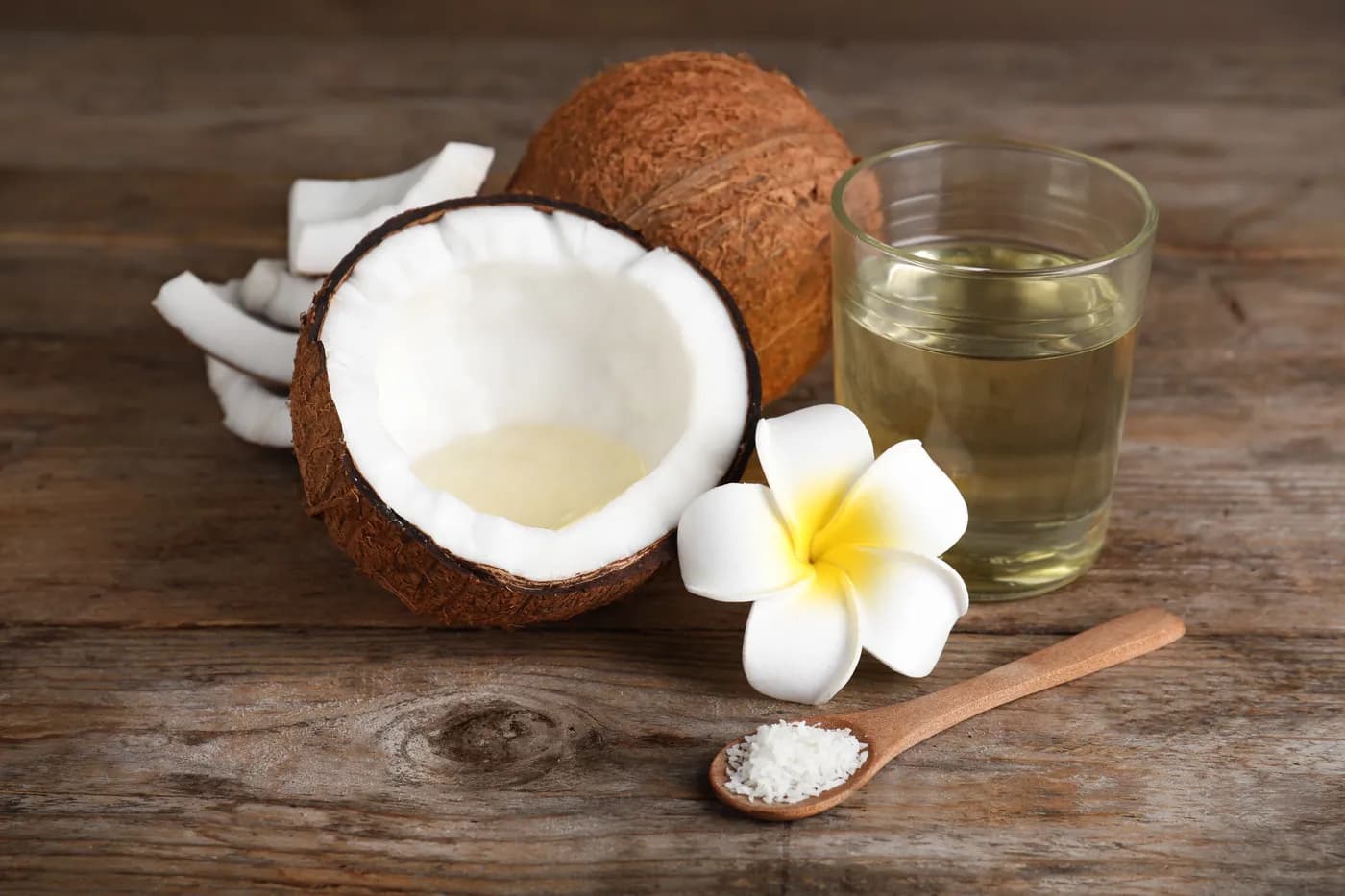
Key Takeaways
- Coconut oil is predominantly saturated fat.
- It suits cooking, but claims about weight loss, immunity or heart protection are not established.
- Virgin and refined coconut oil differ in flavour, but both remain high in saturated fat.
- Swapping unsaturated oils for coconut oil may raise LDL cholesterol.
Coconut oil is predominantly saturated fat. Virgin and refined products differ in flavour and processing, but both remain rich in saturated fat. This guide looks at realistic coconut oil benefits, its effect on cholesterol and how to use it sensibly in everyday cooking.
What coconut oil is made of
It can be used for flavour and cooking, yet claims about weight loss, immunity or heart protection are not well established. Replacing unsaturated oil with coconut oil may raise LDL cholesterol.
The main fatty acid in coconut oil is lauric acid. It is sometimes grouped with medium-chain fats, but in the body it behaves largely like the longer-chain saturated fats that raise LDL cholesterol. Coconut oil contains very little of the polyunsaturated fat found in oils such as sunflower, sesame or groundnut, and almost no fibre, protein or meaningful vitamins.
Coconut oil and heart health
Coconut oil contains a high proportion of saturated fat. Although it can raise HDL cholesterol, it can also raise LDL cholesterol, so the HDL change alone does not make it heart-protective. Health guidance generally recommends replacing saturated fats with unsaturated fats rather than adding more oil. Mustard, groundnut, sesame, sunflower or other suitable plant oils can provide more unsaturated fat, depending on the recipe and local availability.
When human trials compare coconut oil with unsaturated plant oils, LDL cholesterol tends to be higher with coconut oil. Comparisons with butter or ghee are less clear, which is why it is better thought of as one saturated fat among several rather than a healthier alternative to them.
Claims that go beyond the evidence
Coconut oil is often promoted for weight loss, immunity, diabetes and brain health. Ordinary culinary use has not been shown to deliver these promised outcomes. It is also not nutritionally identical to purified medium-chain triglyceride oil used in some studies. Coconut oil benefits should therefore be described as culinary qualities and energy - not as a treatment or a shortcut to fat loss.
Using coconut oil in Indian cooking
- Use a measured amount in dishes where its flavour matters.
- Rotate with oils richer in unsaturated fat.
- Count it with other sources of saturated fat.
- Avoid adding it to drinks as a health treatment.
In Kerala and coastal Karnataka, coconut oil is a traditional cooking fat for dishes such as avial, thoran and many seafood curries. Families who cook this way do not need to abandon it, but it helps to keep portions modest and use other oils for some meals across the week.
Using it for flavour
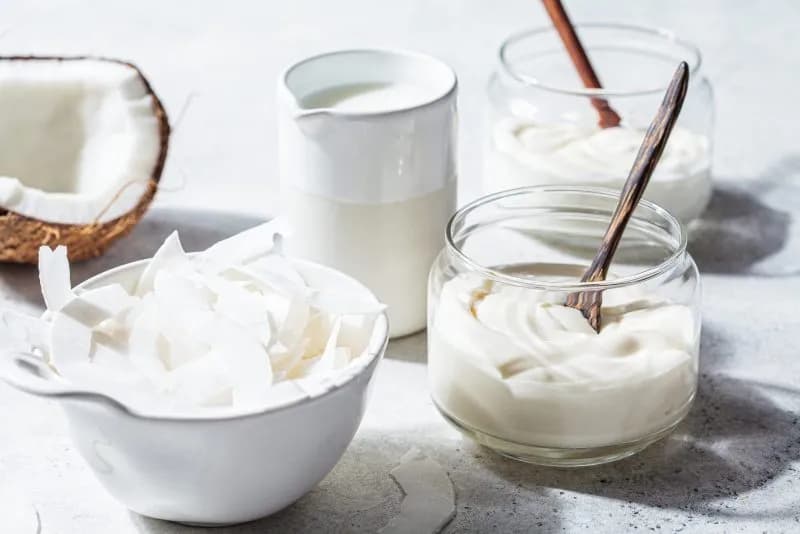
Coconut oil has a distinctive taste that works in some curries, chutneys, sweets and regional dishes. Use a measured amount and consider other sources of saturated fat in the meal, such as ghee, butter, cream or coconut milk. Virgin oil tends to taste more strongly of coconut; refined oil is milder. Processing changes flavour and heat tolerance, but it does not remove the underlying saturated-fat content.
Cooking and storage
Choose a jar with a clear ingredient list and use clean, dry utensils. Virgin coconut oil may retain a stronger aroma, while refined versions are more neutral. Follow the label for storage and suitable heat. Coconut oil turns solid in cool weather and melts again when warm; this is normal and not a sign of spoilage. Discard oil with a stale or unusual smell, and avoid repeatedly reheating the same oil for deep frying. Adding it to coffee or taking it by the spoonful simply adds concentrated energy and saturated fat.
A balanced place in the kitchen
There is no need to fear an occasional traditional dish made with coconut oil, and there is no need to use it daily for health. Keep the quantity moderate, vary cooking fats and build meals around vegetables, pulses, whole grains and suitable protein sources. People with raised LDL cholesterol or cardiovascular disease should follow individual advice about saturated fat. The best oil choice depends on the complete eating pattern, not a superfood label.
Skin and hair use
For skin or hair use, coconut oil acts differently from dietary intake. It may reduce moisture loss for some people but can irritate skin or worsen scalp problems in others. Patch-test a simple product and stop if itching or rash develops. Do not interpret a cosmetic effect as evidence of heart or metabolic benefit. Eating the oil, applying it and using it for oil pulling are separate questions with different evidence and safety considerations, so coconut oil benefits in one setting should not be assumed in another.
Possible drawbacks and warning signs
Large amounts add substantial energy and may cause digestive discomfort. People managing high LDL cholesterol or cardiovascular risk should discuss the overall fat pattern with a qualified professional.
Like any oil, it adds roughly the same calories per spoon as other cooking fats, so switching to it does not help weight loss. Anyone who has been told to lower LDL cholesterol should ask whether coconut oil, ghee and other saturated fats need to be reduced together.
Editorial sources
Frequently Asked Questions
Related Articles
Coconut Nutrition: Benefits, Uses and Safety
Coconut can add variety, flavour and useful nutrients to a vegetarian eating pattern. Its exact nutrition depends on the form, serving and preparation.

Vegetarian protein: needs, myths and meal planning
Vegetarian meals can provide enough protein. Learn practical needs, simple Indian food sources, common myths and an easy meal-planning method.

High-Fibre Foods: Simple Indian Meal Ideas
Find high-fibre Indian foods, easy meal ideas, gradual intake tips and practical advice for constipation and daily health.