
Coconut Water for Loose Motion: Useful Fluid, Not a Substitute for ORS
Coconut water can contribute fluid during mild diarrhoea, but it does not replace ORS. Understand the difference and the signs that need attention.
Key Takeaways
- Coconut water can help with fluids but is not ORS.
- Use ORS correctly for diarrhoea.
- Keep eating foods you can tolerate.
- Watch children closely for signs of dehydration.
When you have loose motions, a cool glass of coconut water may feel easier to drink than plain water. It can contribute fluid, but it should not replace oral rehydration solution when diarrhoea is causing water and salt losses.
That is the main distinction to remember. Coconut water is a drink with natural sugars and minerals; ORS is a carefully balanced rehydration preparation. You can make recovery simpler by using the right fluid, continuing food as tolerated and noticing the signs that need medical care.
What your body loses during diarrhoea
Frequent watery stools can carry away both water and electrolytes, including sodium. Vomiting or fever may add to the losses. If these are not replaced, dehydration can develop.
A drink does not need to stop the stools immediately to be useful. The first priority is keeping circulation and hydration stable while the underlying illness settles or receives treatment.
This is also why a drink being rich in potassium does not answer the whole question. Potassium is one electrolyte, while the balance of sodium, glucose and water matters for rehydration through the intestine.
Where coconut water fits
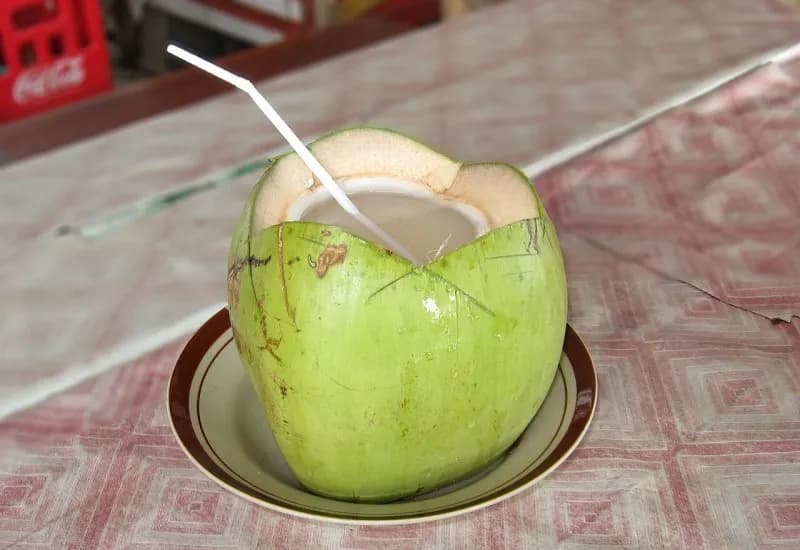
Coconut water contains water, natural carbohydrate and minerals. Some people find the taste appealing when they feel unwell, and a modest amount can contribute to their fluid intake.
Its composition varies, however, and it usually does not supply the sodium balance needed to replace diarrhoeal losses as reliably as ORS. It should not be presented as a natural version of the same treatment.
For an otherwise healthy adult with mild symptoms who can drink and eat, coconut water may be an additional beverage if tolerated. Do not make it the only fluid throughout a day of repeated watery stools, particularly if urine output is falling or weakness is increasing.
Use ORS correctly

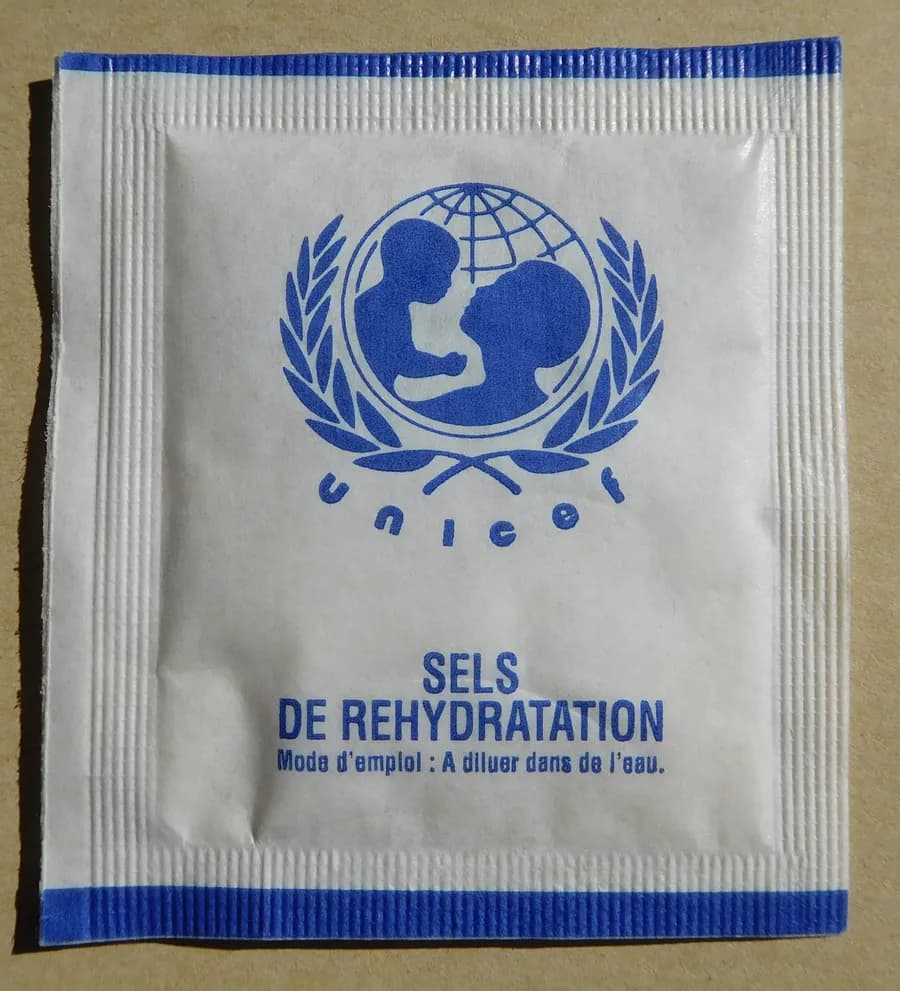
A genuine oral rehydration salt sachet is designed to be mixed with a specified volume of safe water. Some sachets are for a litre, while others may be for a smaller amount, so use the volume printed on that particular packet.
Mix the complete sachet as directed. Do not guess half a sachet, use less water to make it stronger or add sugar, salt or juice. The balance is part of how ORS works.
Take small, frequent sips, especially if nausea makes a large glass difficult. Follow the prepared solution’s storage instructions and discard it within the stated time. If you cannot obtain ORS promptly, seek local healthcare guidance rather than delaying fluid replacement while looking for a preferred brand.
Do not use sweetness as a sign of effectiveness
Soft drinks, packaged fruit drinks and very sweet juices can contain a high sugar concentration and may worsen diarrhoea for some people. A sports drink is not automatically an appropriate substitute for ORS either.
Coconut water should not be made sweeter with sugar, jaggery or syrup during this illness. There is no need to add it to a complex cleansing drink with several herbs.
If a packaged version is your available option, choose a hygienically packaged product and avoid treating a coconut-flavoured sweet drink as coconut water. The useful purpose is fluid intake, not a claim about detoxification.
Keep eating what you can tolerate
You usually do not need to starve the gut or follow a very restrictive menu. Smaller, simple meals may be easier while appetite is reduced. Continue familiar foods as tolerated and return towards usual meals as you improve.
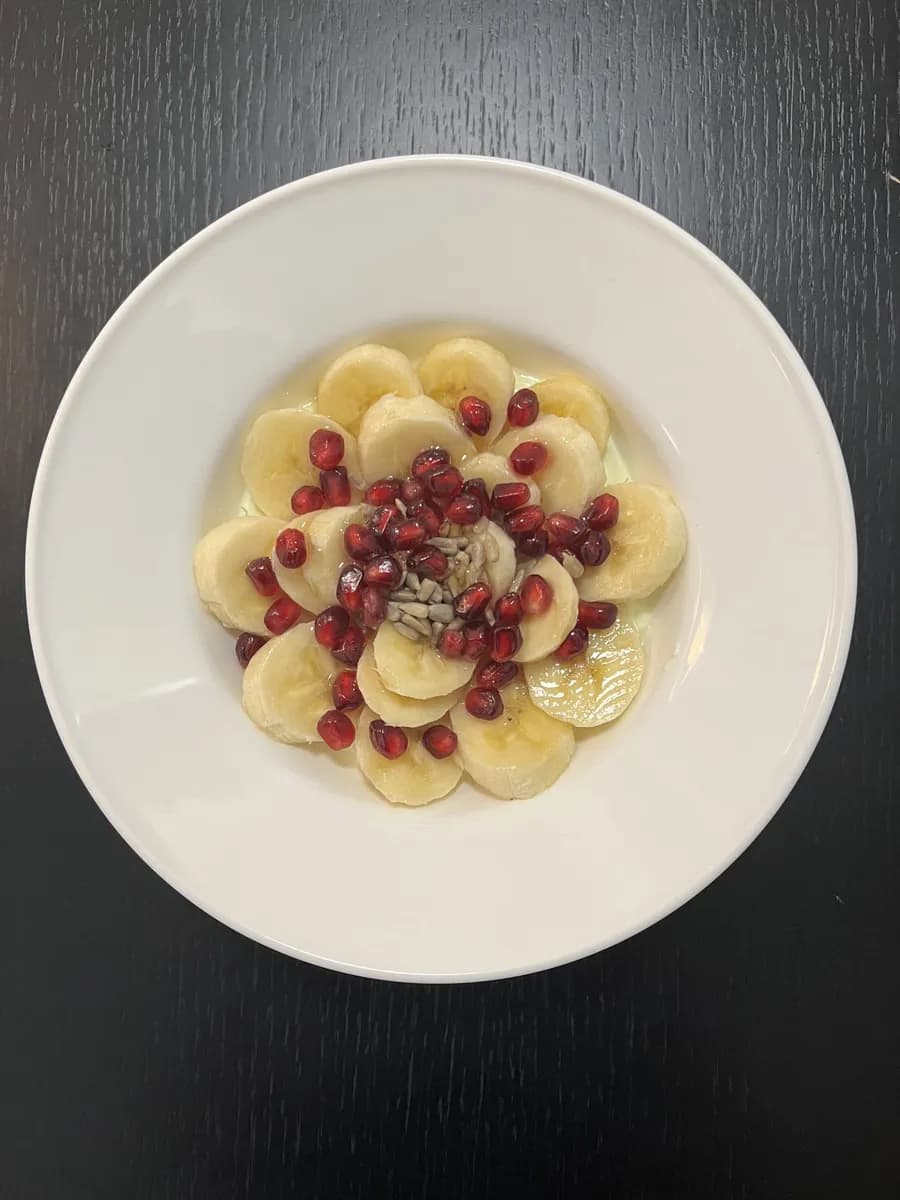
Options could include plain rice with a little dal, a mild khichdi, toast or a banana. Choose what feels manageable, rather than forcing a long list of recovery foods. Very greasy meals or alcohol may be uncomfortable and are best left aside while symptoms are active.
Some people temporarily tolerate lactose less well after a gut infection. If ordinary milk clearly worsens cramps or loose stools, reduce it for the moment and consider other suitable foods. That does not mean every person needs to remove all dairy automatically.
Children need a different level of attention
Young children can become dehydrated quickly. Use age-appropriate ORS advice and continue breastfeeding or usual milk feeds as directed; coconut water should not replace breast milk, formula or ORS.
Zinc is recommended in many childhood diarrhoea protocols, including international guidance, but the age-appropriate dose belongs to the child’s treatment plan. Do not estimate it from an adult supplement.
A baby who feeds poorly, is unusually sleepy or has fewer wet nappies needs prompt assessment. For a young infant, diarrhoea deserves early medical advice rather than a trial of household drinks.
Who should be cautious with coconut water?
People with kidney disease or a prescribed potassium restriction may need to avoid or limit it. Some medicines also affect potassium balance. Large repeated servings can therefore be unsuitable even when the drink is natural.
Someone with diabetes should also recognise its carbohydrate content. Illness may require specific glucose-monitoring and medicine advice; do not stop treatment or skip necessary fluids because of a general fear of sugar.
These situations do not make ORS irrelevant. They mean rehydration and treatment need to fit the medical condition, particularly when symptoms are more than mild.
When to get help
Seek urgent care for confusion, marked drowsiness, fainting, very little urine or an inability to keep fluids down. Blood in stool, severe abdominal pain or a significant fever also needs assessment.
Get advice sooner for older adults, pregnant people, young children or anyone with a serious medical condition. Diarrhoea that persists or worsens should not be managed indefinitely with coconut water and food restrictions.
You do not need to wait for a precise number of stools if the person is clearly deteriorating. The ability to drink, urine output and overall alertness are useful signs to notice.
Make the easy choice the effective one
Keep an ORS sachet accessible and safe drinking water available. If you enjoy coconut water and it suits your health, it can remain an optional additional drink during a mild illness.
The important habit is replacing losses properly. Coconut water can refresh you, but correctly prepared ORS does the specific work that the title rehydration solution describes.
Editorial sources
Frequently Asked Questions
Related Articles
Best Food for Loose Motion: What to Eat and Avoid
The best food for loose motion is bland, easy to digest, and replaces the fluids and salts you’re losing. See what to eat, what to skip, and when it.

How to Make ORS at Home: The Correct Salt-Sugar-Water Ratio
Making ORS at home is useful during dehydration from diarrhoea or vomiting — but the salt-sugar-water ratio has to be exact. See the standard formula and.
Coconut Water Benefits: What This Natural Drink Actually Does
Coconut water is a naturally sweet, low-calorie liquid with potassium and other electrolytes — useful for hydration, though not the cure-all wellness.
Electrolyte Rich Foods: Natural Sources for Everyday Hydration
For everyday hydration, electrolyte rich foods usually do the job just as well as a sports drink — often with less added sugar. See the best natural.