
Creatine Supplement Side Effects: What Is Common and What Is Unproven?
Separate common creatine effects from exaggerated claims, and understand when symptoms or existing health conditions need a different approach.

Key Takeaways
- Creatine monohydrate is well studied.
- Early weight gain is usually water, not fat.
- Kidney damage is not routine in healthy people.
- People with kidney disease need individual advice.
Creatine monohydrate is one of the better-studied sports supplements. It can help with repeated high-intensity efforts and improve training adaptations for some people. The most noticeable early effect is often a rise in body weight from water held in muscle, rather than fat gain. Stomach discomfort can also occur. Claims that it routinely damages healthy kidneys, causes dehydration or makes everyone lose hair go beyond the evidence.
Know which product the evidence concerns
Creatine helps replenish a quick source of energy used during short, intense efforts. Your body makes it, and some is obtained from animal foods. A supplement increases muscle creatine stores; it is not a steroid or a protein powder.
Most established evidence concerns creatine monohydrate. An expensive blend containing stimulants, herbs and several performance ingredients is a different product, even if creatine appears prominently on the front.
This distinction is useful when symptoms occur. A racing heart after a pre-workout mixture may relate to caffeine or another ingredient, rather than proving an effect of plain creatine. Do not assume the safety evidence for monohydrate covers every mixture.
The scale may rise without fat gain
Creatine can increase water within muscle, particularly when stores rise quickly. The amount and timing vary, and not everyone notices the same change.
This early weight change does not mean you gained an equivalent amount of fat. Nor does it establish that all the new weight is muscle tissue. Longer-term muscle gains depend on training, adequate food and recovery.
If you are monitoring fat loss, use a consistent weighing routine and interpret the trend alongside the supplement start date. Avoid responding to an early increase by sharply cutting meals or deliberately dehydrating yourself. For weight-category sport, the possibility of added body mass needs planning.
Stomach upset is a practical concern
Nausea, loose stools or abdominal discomfort can occur, especially with large amounts taken at once. Loading protocols are not comfortable for everyone and are not compulsory for obtaining increased stores over time.
Many adult protocols use a maintenance amount around 3 to 5 g daily, while individual plans may differ. This is context about common use, not a recommendation that everyone should start. Bigger scoops do not create proportionally better results.
Use the measured amount, mix it as intended and avoid swallowing dry powder. If discomfort appears, review the amount and the other ingredients rather than adding more products to manage it. Persistent diarrhoea or pain is a reason to stop and assess the cause.
Does creatine harm the kidneys?
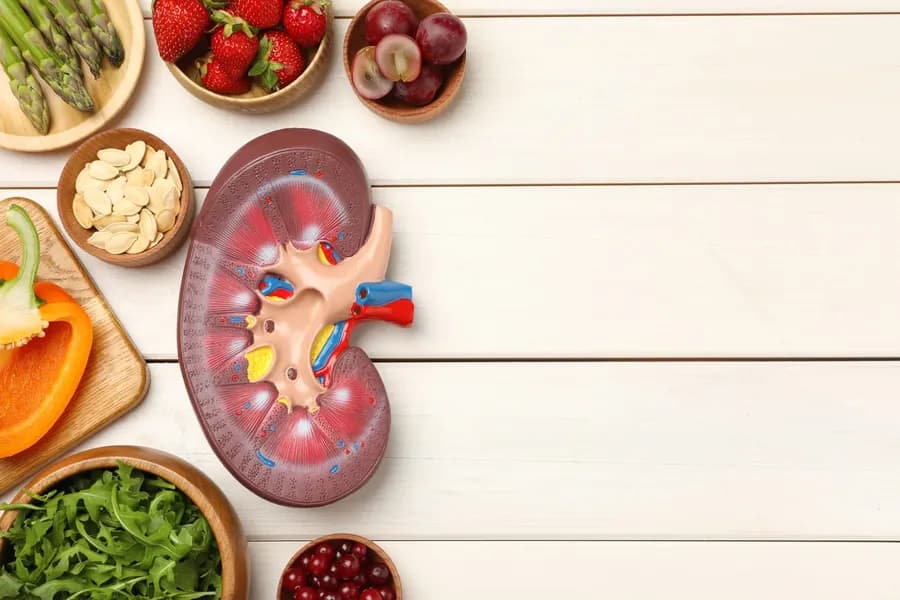
Research in healthy adults using studied amounts has not shown that creatine monohydrate routinely causes kidney damage. That reassurance should not be extended automatically to people with kidney disease, unexplained abnormal results or medically complex conditions.
Creatine can increase serum creatinine, a substance used in common kidney-function calculations. A change in this marker does not automatically mean kidney damage, but it should not be dismissed without interpretation either.
Tell the clinician ordering blood tests that you use creatine, including the amount and timing. They can interpret results in context and decide whether another assessment is appropriate. Do not diagnose yourself as either safe or harmed from one app-generated estimate.
Dehydration and cramps are not established routine effects
Controlled research does not support the claim that normal creatine use inevitably causes dehydration or muscle cramping. Exercise in heat, heavy sweating, illness and poor fluid intake can still create problems, with or without a supplement.
Drink appropriately for the conditions instead of forcing excessive water because you take creatine. There is no universal extra-litre rule that applies to everyone.
Sudden severe muscle pain, weakness, dark urine, collapse or signs of heat illness need prompt medical attention. Do not assume a serious symptom is ordinary creatine water retention or something to push through at the gym.
What does the hair-loss research show?
Concern about hair loss grew partly from a small older study measuring a hormone associated with some forms of hair loss. Measuring a hormone is different from demonstrating loss of hair.
A 2025 randomised trial directly assessed hair-related outcomes over 12 weeks and found no significant differences between creatine and placebo groups. This is reassuring evidence against a blanket claim that creatine causes hair loss.
It is not proof about every person or lifetime use. If hair shedding starts, consider other causes such as illness, iron deficiency, thyroid problems, medication changes or hereditary patterns. A proper assessment is more useful than assuming either that creatine caused it or that the timing can be ignored.
Some people need an individual decision
People with kidney disease or increased kidney risk should not start without appropriate medical assessment. The same caution applies when medicines or other conditions affect kidney function.
Pregnancy, breastfeeding and use by children or teenagers are not covered by a general adult sports-supplement recommendation. Avoid casual self-prescribing in these situations. A beginner attending gentle yoga classes does not need creatine simply because fitness creators recommend it.
Vegetarians may have lower muscle creatine stores than people eating more meat, and some can respond well to supplementation. That possibility does not make it a required part of a vegetarian diet or a treatment for unexplained tiredness.
Keep the trial easy to interpret
If you have a clear training reason to use creatine, start with one straightforward product and a consistent plan. Avoid introducing several new supplements at once, which makes benefits and side effects harder to identify.
Use a reliable, independently tested sports product where available, particularly in competitive sport where contamination matters. A claim that the product is advanced or natural does not establish its contents.
Judge the outcome against your training goal, comfort and cost. You should not need to tolerate ongoing symptoms to earn a benefit. Creatine can be useful, but regular training, enough food and sleep remain the foundation it is meant to support.
Editorial sources
Frequently Asked Questions
Related Articles

Whey Protein for Muscle Gain: Amount, Timing and Safety
Whey can make hitting your protein target easier, but training, total intake and recovery build muscle. Here is how to use it well.


Vegetarian Muscle Building Diet: A Full, Practical Approach
A well-planned vegetarian diet can build strength just as effectively as any other approach, when protein, calories, and training are structured right..

Diet for Muscle Recovery: What to Eat After Training
A good muscle recovery diet isn’t about building bigger muscles — it’s about helping the muscles you already worked repair and refuel. See what actually.

Glutamine: What It Does and Whether You Need a Supplement
Glutamine is an amino acid your body makes and food supplies. What the evidence says about L-glutamine powder for muscle, recovery and gut health.
