
Dried Goji Berries: Nutrition, Flavour and Sensible Portions
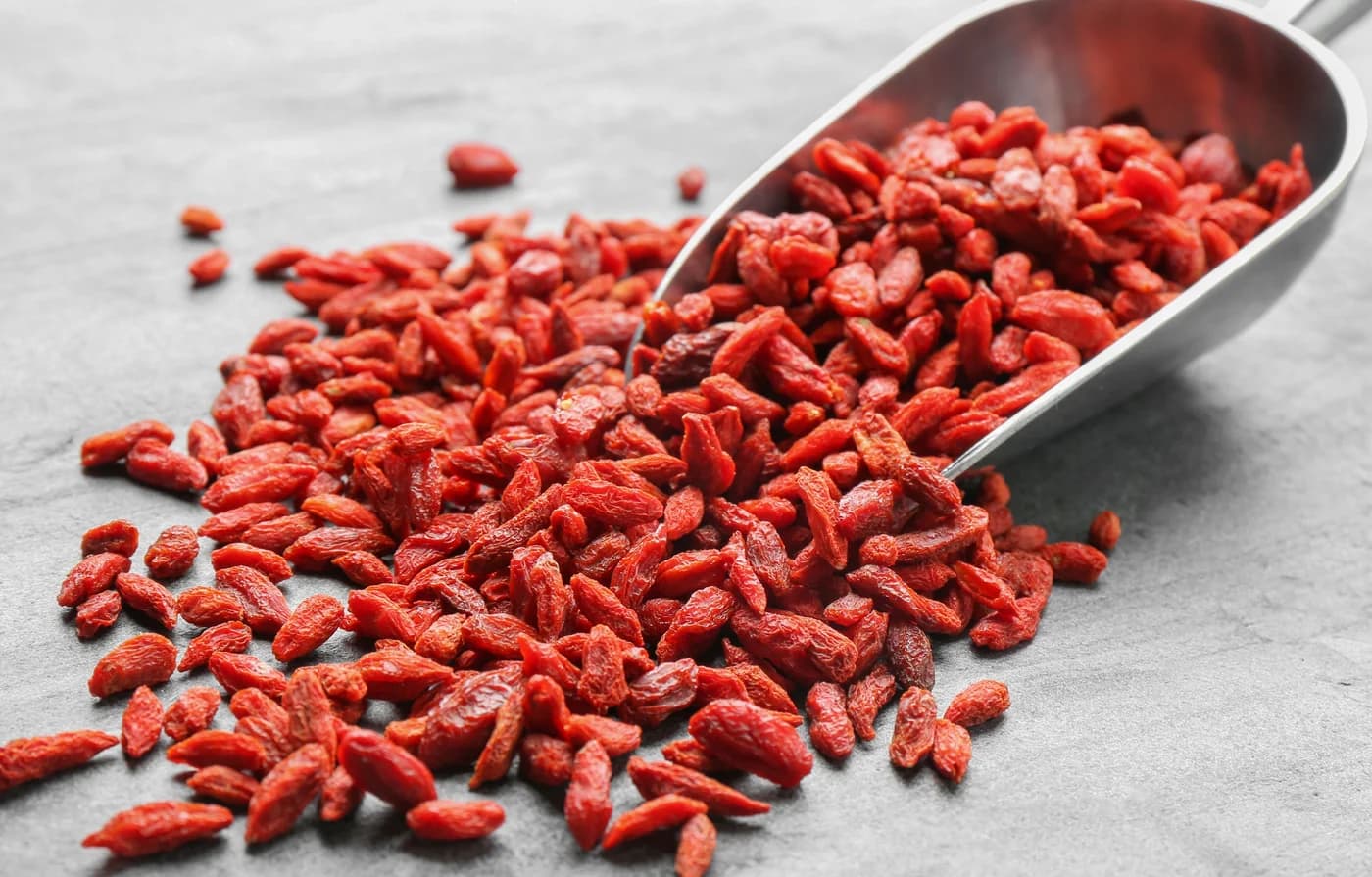
Dried goji berries add colour and chewy sweetness to meals. Keep the portion practical and eye-health claims realistic.
Key Takeaways
- Goji berries are dried fruit, so portions matter.
- They are optional, not essential for eyes or immunity.
- Dried fruit can fit a diabetes plan in small amounts.
- People on warfarin should check before using goji.
Dried goji berries are small red fruits with a chewy texture and a mildly sweet, sometimes tangy taste. They can brighten a bowl of oats or add variety to a snack, but they are not essential for good eyesight or immunity. Treat them as dried fruit: useful in a modest amount, more concentrated than fresh fruit and optional if they are expensive or difficult to find.
What you are buying
Goji berries, also called wolfberries, come from Lycium plants. The dried berries sold for eating are different from capsules, concentrated juices and herbal extracts marketed under the same name.
Drying removes much of the water, so the fruit becomes smaller and its carbohydrate more concentrated by weight. A large bowl of dried berries is a different portion from a large bowl of fresh fruit.
Plain berries may already taste sweet without added sugar. Some snack mixes also contain sweetened fruit, chocolate or other additions. Choose the form that suits what you want to eat rather than paying extra for a claim about cleansing or slowing ageing.
What they contribute nutritionally
Goji berries provide carbohydrate, fibre and plant compounds, including carotenoids. They also contain some protein and micronutrients, although the amount you actually eat is more relevant than an impressive table for 100 g.
Their orange-red pigments include zeaxanthin, which is found in the retina. That makes them interesting in eye-health research, but the presence of a nutrient does not establish a treatment for an eye condition.
They should not displace the foods that provide most of your nourishment. Dal, beans, vegetables, whole grains, fruit and suitable dairy or alternatives still have their ordinary roles. A spoonful of berries is an addition to that pattern, not a replacement for it.
What the eye-health study actually found

A small randomised pilot study in healthy middle-aged adults examined goji berries and pigments in the eye. Participants in the berry group ate 28 g five times weekly for 90 days. Researchers reported changes in macular pigment optical density, a measured marker related to protective eye pigments.
This was not proof that the berries prevent blindness or treat age-related macular degeneration. A marker measured over a short study period cannot establish that fewer people will develop an eye disease years later.
The study amount is also not a universal daily prescription. If you have blurred vision, eye pain or sudden visual changes, do not wait for a food experiment to help. Eye symptoms need assessment, and any prescribed eye treatment should continue.
Start with how you will use them
For a topping, a tablespoon or two can be enough to add colour and chew. The weight depends on the berries and spoon, so this is a kitchen idea rather than a precise therapeutic dose.
A few easy places to begin:
- Stir a small amount into warm porridge, where the berries soften.
- Mix them into plain curd shortly before eating.
- Add chopped berries to homemade muesli with oats and nuts.
If you are making a trail mix, include more than dried fruit. A modest amount of plain nuts or roasted chana adds a different texture and nutritional contribution. Portion the mix into a small bowl instead of repeatedly taking handfuls from a large packet.
Soften them when the texture is too tough
Some dried goji berries are quite firm. Briefly soaking a small portion in safe water can make them easier to chew. Use clean utensils and refrigerate soaked berries if they are not being eaten promptly.
Soaking changes the texture; it does not remove the carbohydrate or turn the berries into a detox drink. Water left after soaking is not a special medicine.
You can also add them during cooking so they soften in a porridge or grain dish. A mild vegetable pulao may take a small scattering if you enjoy the sweet contrast. There is no requirement to include them in savoury Indian food if the flavour feels out of place.
Diabetes does not make dried fruit automatically forbidden
Goji berries contain carbohydrate, including natural sugars. Unsweetened does not mean carbohydrate-free, and eating a large amount straight from the bag can make the serving easy to underestimate.
A small portion can fit some diabetes meal plans, particularly when it is considered alongside the rest of the meal. Adding it to curd does not cancel its carbohydrate, but it may make a more substantial snack than the berries alone.
If your plan uses carbohydrate counting, use the amount for the portion you eat. There is no established reason to take goji berries to bring a high glucose reading down. Concentrated juice or supplements should not be treated as equivalent to a small food serving.
Warfarin is an important exception
Reports describe increased anticoagulant effects and bleeding when goji products were used with warfarin. This interaction deserves attention even when a product is described as natural or used as a drink.
If you take warfarin, avoid starting goji berries, teas, juices or extracts without guidance from the team managing your anticoagulation. Do not try to balance the effect by changing your medicine dose yourself.
This is more useful than a vague warning that all fruit is risky with all medicines. The specific concern is the combination. If you have already added a goji product, tell the team, particularly if you notice unusual bruising or bleeding.
Keep the purchase practical
Buy from a reliable food supplier and avoid packets with mould, damp clumps or an unusual smell. Store dried berries sealed in a cool, dry place as directed. Moisture introduced by wet hands or utensils can shorten their useful life.
Allergy is possible, and a new rash, mouth swelling or other reaction is a reason to stop. Tough, chewy dried fruit also needs an age-appropriate form for young children and may not suit someone with swallowing difficulty.
If goji berries suit your taste and budget, use them occasionally for variety. If not, ordinary seasonal fruit and vegetables can support a nutritious diet without the imported superfood price. You do not need one particular berry to eat well.
Editorial sources
Frequently Asked Questions
Related Articles
Berries: Fresh, Frozen and Easy Ways to Enjoy Them
Fresh or frozen berries can add fruit variety. Choose useful portions and simple meals without chasing an expensive superfood routine.

Blueberries: nutrition, benefits and easy ways to eat them
Blueberries add fibre, vitamin C and colourful plant compounds to meals. Learn what studies show, how to choose them and simple ways to eat them.

Strawberries: Nutrition, Simple Uses and Keeping Them Fresh
Easy ways to serve strawberries and keep them fresh without exaggerated health claims.

Eye Vitamins: When Supplements Help and When They Do Not
Eye supplements have specific uses, not universal benefits. Understand food, deficiency treatment and the role of AREDS2 in particular AMD stages.
