
Berries: Fresh, Frozen and Easy Ways to Enjoy Them
Fresh or frozen berries can add fruit variety. Choose useful portions and simple meals without chasing an expensive superfood routine.
Key Takeaways
- Berries differ in nutrition and texture.
- Fresh and frozen berries are both useful.
- Dried berries and juices are more concentrated choices.
- Expensive imported packs are not necessary.
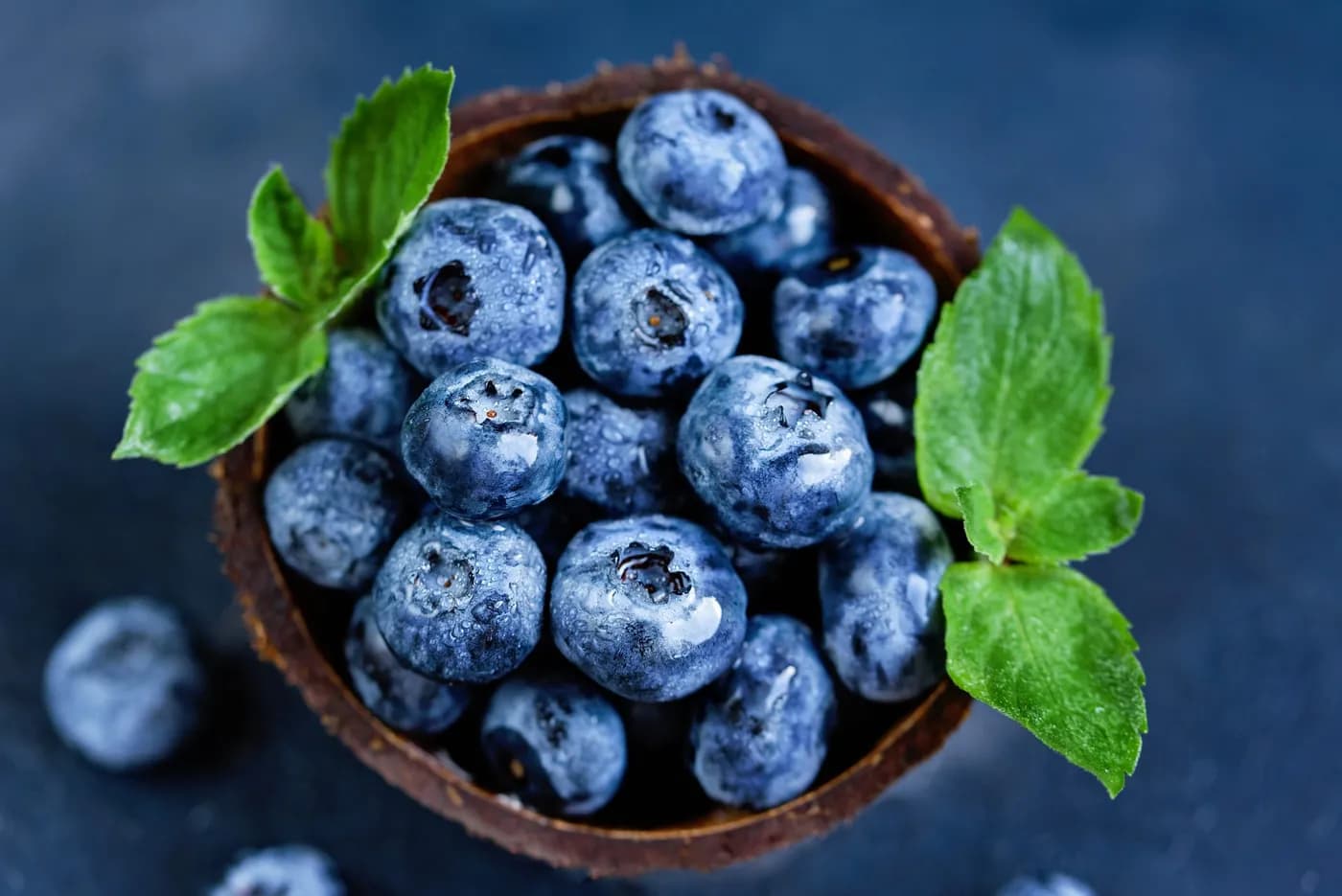
Berries offer a mix of sweet and tart flavours that works in a snack, a breakfast bowl or a simple dessert. Strawberries, blueberries, raspberries and blackberries differ in nutrition and texture, so there is no single berry value or perfect choice. They can add fruit variety, but expensive imported packs are not necessary for a nutritious diet. Choose berries when you enjoy them and they fit your budget.
What do berries contribute?
Many commonly eaten berries provide water, fibre and vitamin C, with amounts depending on the fruit. Their pigments and other plant compounds are also subjects of nutrition research.
The benefits of eating fruit should not be reduced to one antioxidant score. Berries come with a food structure and a mixture of components, rather than acting like a dose of one purified compound.
A small bowl can be useful, especially when it replaces a less satisfying snack or adds fruit to a meal. It does not cancel the rest of the day's food or provide every nutrient on its own. Plain berries contain little protein and fat compared with foods such as curd or nuts.
Choose by taste and use
Strawberries can be easy to slice into curd or serve alongside breakfast. Blueberries are convenient to scatter, while raspberries and blackberries may suit someone who enjoys a sharper flavour.
You do not have to prefer the berry with the strongest marketing. A fruit you actually eat is more useful than one bought for its reputation and then discarded.
Seasonal Indian fruit can provide the same broad opportunity for variety. Guava, oranges, papaya and other familiar options deserve a place too. There is no requirement to eat berries every day or replace affordable fruit with them.
A practical serving without a rigid target
A small bowl or roughly a cup can be a starting point, with the amount adjusted to appetite and the rest of the meal. Berry size and how tightly the cup is filled will change the actual weight.
Eat them on their own when the next meal is near, or pair them with plain curd, milk or a suitable snack when the gap is longer.
For example, a bowl of curd with berries and a modest amount of oats or nuts may be more substantial than fruit alone. You do not need a decorative breakfast recipe; the foods can be served simply and eaten separately if that is easier.
Fresh and frozen can both be useful
Fresh berries are pleasant when sound and in season, but they spoil relatively quickly. Frozen berries can reduce waste and let you use a small amount at a time.
Choose plain fruit when you want an everyday ingredient. A product packed with syrup or sweetened sauce has a different role from unsweetened berries.
Follow cooking instructions for frozen fruit. Some frozen berries are intended to be heated rather than eaten directly, and freezing does not kill every harmful virus or germ. Where official guidance or the packet calls for boiling, follow it before adding the fruit to a cold dish. Do not assume that a smoothie blender makes raw frozen berries safe.
Dried fruit is more concentrated
Removing water makes a much smaller portion contain more fruit carbohydrate. Dried berries may also be sweetened, particularly when their natural flavour is tart.
A spoonful can add flavour to oats or a snack mixture. A large bowl is a very different serving from a bowl of fresh fruit, even when the product name is the same.
You do not need to avoid dried fruit completely. Keep its role clear and combine it with other foods rather than repeatedly eating from the bag. A small amount used for flavour can be enough without asking it to provide the volume of the snack.
Juice and extracts are different choices
Berry juice provides a different eating experience from whole berries, usually with less fibre and a greater opportunity to drink a large amount quickly. A smoothie can also become a large serving when several fruits and sweetened ingredients are blended together.
Powders and capsules are not equivalent fruit portions. Claims about concentrated extracts need evidence for that product and outcome.
If the goal is simply more fruit, ordinary berries are easier to understand. You do not need a powder claiming to protect memory, reverse ageing or cleanse the blood. A varied diet can include interesting plant compounds without turning them into a treatment promise.
Can they fit with diabetes?
Berries contain carbohydrate, although the amount varies by fruit and serving. Many people with diabetes can include a suitable portion within their usual plan.
Whole fruit, plain curd and a manageable amount of another food can make a useful snack combination. Syrups, sweetened yoghurt and large juice servings change the picture.
Avoid using a low-sugar reputation as permission for unlimited quantities or assuming that a food cannot affect glucose because it tastes tart. The actual serving and full meal are more informative than colour or sweetness alone. Keep the food flexible rather than banning a fruit category unnecessarily.
Handle delicate fruit gently
Choose packs without mould, leaking or badly damaged fruit. Refrigerate fresh berries promptly and wash gently under running water before eating; do not use soap or detergent.
Remove spoiled fruit and assess the rest of the pack. Soft berries with visible mould should be discarded rather than treated like a hard food that can simply be trimmed.
Use clean utensils and keep cut or prepared fruit chilled. For a packed meal, include appropriate cooling rather than leaving curd and berries in a hot bag all day. The combination needs safe storage as well as a good recipe.
Keep enjoyment and cost in the decision
Use berries in a simple fruit bowl, simmer suitable frozen berries into a sauce without much added sugar, or scatter them over breakfast. Tart fruit can work well with a plain creamy food rather than being heavily sweetened.
Buy only what you can use, and consider freezing suitable fresh surplus while it is still sound. Do not wait until the pack is spoiled to preserve it.
The useful habit is eating a range of fruit you enjoy. Berries can be part of that range without becoming a daily expense or a test of how seriously you take health.
Editorial sources
Frequently Asked Questions
Related Articles
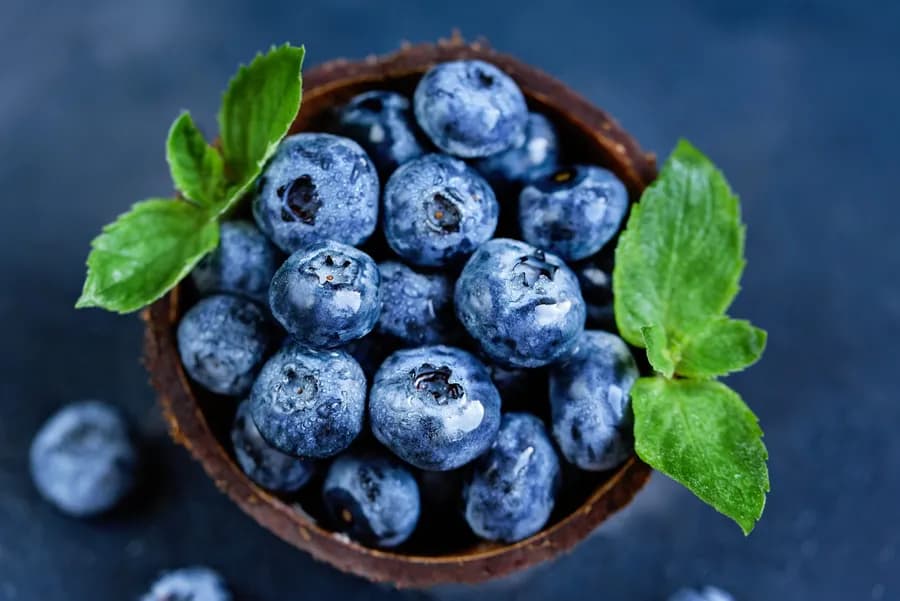
Blueberries: nutrition, benefits and easy ways to eat them
Blueberries add fibre, vitamin C and colourful plant compounds to meals. Learn what studies show, how to choose them and simple ways to eat them.

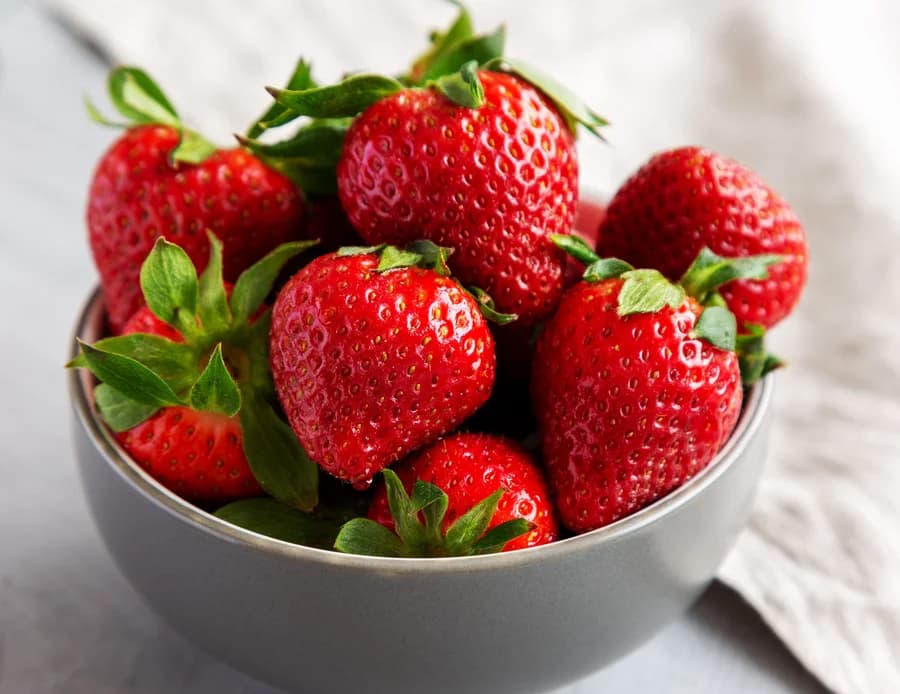
Strawberries: Nutrition, Simple Uses and Keeping Them Fresh
Easy ways to serve strawberries and keep them fresh without exaggerated health claims.

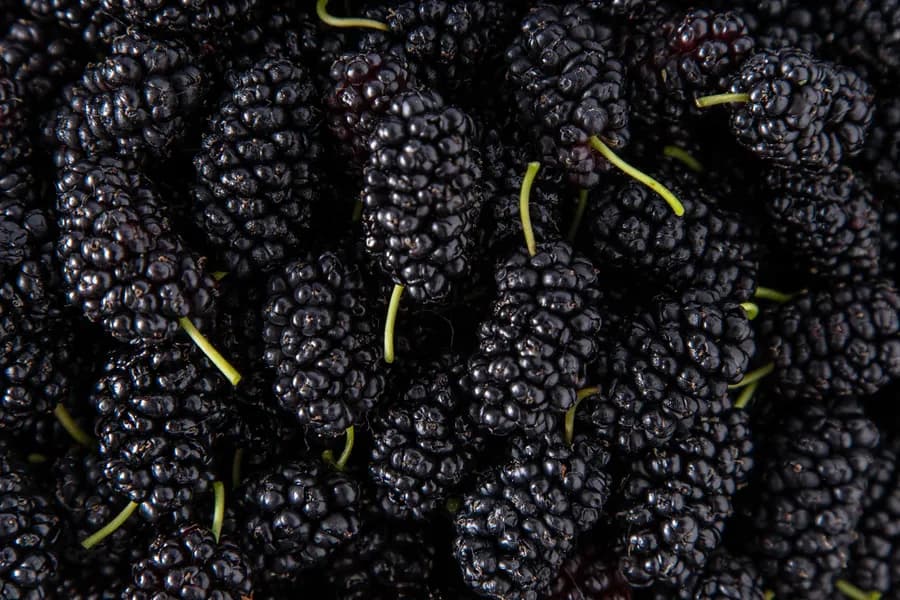
Mulberry Benefits : Nutrition, Portions and Safety
Mulberries are delicate berries eaten fresh, dried or cooked. Learn about practical uses, portions and safety.

Cranberry Juice: Benefits, Sugar and Safety
Cranberry may help prevent some recurrent UTIs but cannot treat one. How to read juice labels, manage sugar and stay safe on warfarin.